Annual flowers are the heartbeat of a summer garden. They burst into color, fill borders with texture, and bring life to containers, hanging baskets, and window boxes. Unlike perennials, which return year after year, annuals dedicate their entire life cycle to one growing season — meaning they have only a few short months to dazzle. But while many gardeners see them peak in early summer only to fade by August, it doesn’t have to be that way. With the right care, feeding, and maintenance, annuals can keep blooming gloriously until the first frost. In this guide, we’ll explore how to keep annuals blooming all summer without fading, diving into everything from soil preparation and watering techniques to deadheading, fertilizing, and pest control. Whether your garden is packed with petunias, marigolds, impatiens, zinnias, or begonias, these strategies will keep them vibrant and productive through the hottest days of summer.
A: Every few days or as soon as blooms fade.
A: A phosphorus-rich formula labeled for flowering plants.
A: Morning watering is best to prevent mildew.
A: Yes, choose heat-tolerant varieties and water consistently.
A: Too much heat, lack of water, or excess nitrogen.
A: Water deeply and move to shade temporarily.
A: Light pruning can extend bloom time and improve shape.
A: Yes, just match water and sunlight needs.
A: Yes, many respond with fresh growth and flowers.
A: Only during active flowering periods for best results.
Understanding the Bloom Cycle of Annuals
Annuals are natural overachievers, pouring all their energy into growing, flowering, and producing seeds in a single season. Once they set seeds, their biological mission is complete, and they often begin to slow down or stop blooming. To keep flowers coming, your goal is to interrupt that seed-setting process and continually encourage new growth. This is where regular deadheading, proper nutrition, and consistent care come into play. By understanding how annuals prioritize energy, you can guide them to focus on blooms rather than seeds.
Choosing the Right Varieties for Long-Lasting Blooms
Not all annuals are created equal when it comes to staying power. Some varieties are naturally bred for extended blooming, while others have a short but intense flowering period. Petunias, geraniums, zinnias, and lantanas are known for their endurance, while others like poppies or larkspur tend to fade sooner. When planting for summer-long color, choose varieties specifically labeled as “continuous bloomers” or “heat-tolerant.” Hybrid and modern cultivars often have improved blooming habits and disease resistance, which can make maintenance easier and results more impressive.
Preparing the Perfect Foundation: Soil Health Matters
Even the toughest annuals will struggle if planted in poor soil. A healthy growing medium is the foundation for long-lasting blooms. Before planting, work organic matter such as compost, aged manure, or leaf mold into the soil to improve its structure, nutrient content, and moisture retention. Annuals thrive in well-draining soil that stays consistently moist but never waterlogged. If you’re growing in containers, use a high-quality potting mix rather than garden soil, which can compact and suffocate roots. Adding a slow-release fertilizer at planting time ensures your annuals have a steady source of nutrition from the start.
The Art of Deadheading for Continuous Color
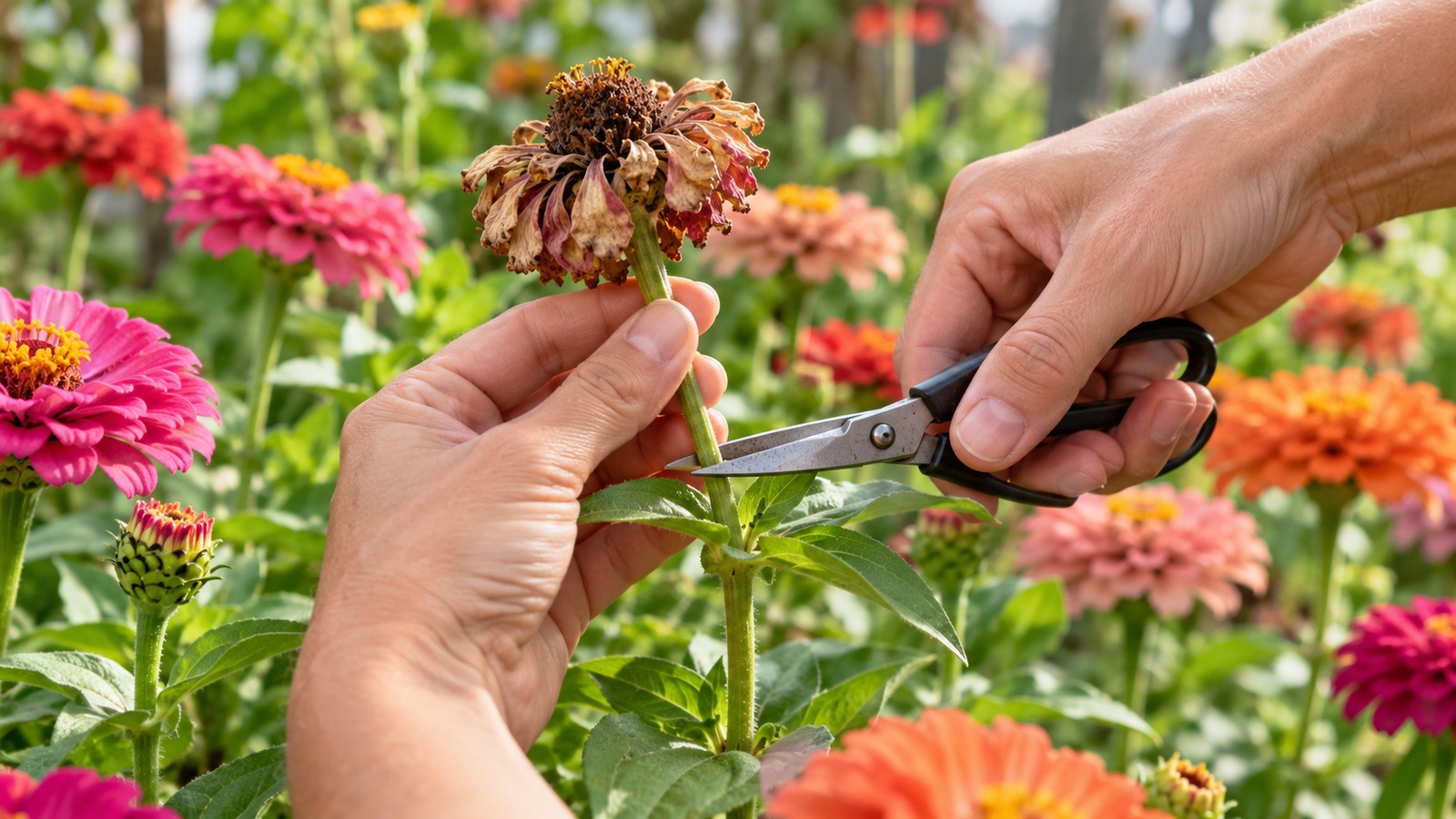
Deadheading — the practice of removing spent flowers — is one of the most effective ways to keep annuals blooming all summer. When flowers fade, they begin producing seeds, signaling the plant that its reproductive mission is complete. By snipping off the faded blooms before seeds form, you trick the plant into producing more flowers. For plants with individual blooms, like zinnias or marigolds, cut the flower stem just above a leaf node. For cluster-bloomers like petunias or verbena, pinch back the spent cluster to encourage new shoots. Deadheading not only extends blooming but also keeps plants looking neat and fresh.
Feeding for Flower Power: Fertilizing at the Right Time
Annuals are fast-growing and heavy feeders, meaning they need a steady supply of nutrients to keep up their flower production. While slow-release fertilizers provide a baseline, supplemental feeding during the growing season keeps blooms coming. Use a balanced, water-soluble fertilizer with an emphasis on phosphorus, the nutrient responsible for flower production. Too much nitrogen will encourage lush foliage at the expense of blooms, so avoid overusing high-nitrogen products. For container-grown annuals, feed every one to two weeks, as frequent watering leaches nutrients quickly. In garden beds, a monthly feeding is often sufficient.
Watering Wisely to Beat the Summer Heat
Watering may seem straightforward, but for annuals, timing and technique can make all the difference. Most annuals prefer deep, consistent watering that allows the soil to stay evenly moist. Watering deeply encourages roots to grow down rather than staying shallow, which makes plants more resilient to heat and drought. Morning watering is ideal, giving plants time to absorb moisture before the hottest part of the day. Overhead watering should be avoided when possible, as wet foliage can lead to fungal diseases. Drip irrigation or soaker hoses deliver water directly to the roots while keeping leaves dry.
Pinching and Pruning for Fuller Plants
In addition to deadheading, pinching back annuals can keep them from getting leggy and extend their bloom season. Pinching involves removing the growing tip of a stem, which encourages the plant to branch out and produce more flowers. This technique works especially well for plants like cosmos, snapdragons, and coleus. Regular light pruning can also rejuvenate tired-looking plants in midsummer, prompting a fresh flush of blooms in the weeks that follow. Don’t be afraid to cut plants back by one-third if they’re looking worn — with proper care, they’ll rebound quickly.
Protecting Blooms from Pests and Disease
Nothing interrupts a season of blooms faster than pest infestations or disease outbreaks. Common pests like aphids, spider mites, and whiteflies can drain energy from annuals, leading to fewer flowers. Regularly inspect your plants for signs of trouble, and treat infestations early using insecticidal soap, neem oil, or other gentle controls. Fungal diseases such as powdery mildew and botrytis thrive in humid conditions, especially when plants are overcrowded. Good air circulation, proper watering techniques, and timely removal of affected foliage are your best defenses.
Mulching for Moisture and Temperature Control
Mulching is a simple yet powerful tool for extending the bloom life of annuals. A two- to three-inch layer of organic mulch, such as shredded bark or compost, helps retain soil moisture, regulate temperature, and suppress weeds that compete for nutrients. In hot climates, mulch acts as a buffer, protecting roots from extreme heat. In cooler climates, it helps keep the soil warm during cool summer nights, encouraging steady growth. Just be sure to keep mulch away from the base of plants to prevent rot.
Revitalizing Tired Annuals in Midsummer
Even with excellent care, many annuals start to show signs of fatigue by midsummer. Leaves may yellow, blooms may slow, and plants may lose their compact shape. The good news is that a midseason rejuvenation can restore their beauty. Start by deadheading and lightly pruning to remove straggly stems. Follow up with a dose of balanced fertilizer and deep watering. If growing in containers, consider replacing the top few inches of soil with fresh potting mix to boost nutrient content. Within weeks, you’ll often see a surge of new growth and flowers.
Container Gardening: Special Considerations
Annuals grown in containers can be spectacular, but they require extra attention to keep blooming all summer. Container soil dries out faster than garden beds, so daily watering may be necessary during hot spells. Because nutrients leach out quickly, container annuals also need more frequent feeding — typically every 7 to 10 days with a water-soluble fertilizer. Choose containers with adequate drainage to prevent root rot, and consider using self-watering pots or adding water-retaining crystals to the soil mix to maintain moisture more evenly.
Companion Planting for Stronger, Healthier Blooms
Pairing annuals with the right companions can enhance their performance and keep them blooming longer. Some plants deter pests naturally — for example, marigolds are known to repel aphids and nematodes. Others, like basil or lavender, can attract pollinators that improve bloom production. Combining tall, sun-loving annuals with shorter, shade-tolerant varieties can create microclimates that protect delicate blooms from excessive heat. By designing with plant relationships in mind, you can create a self-sustaining garden ecosystem that supports prolonged flowering.
Heat-Tolerant Varieties for Scorching Summers
If you live in a region with intense summer heat, selecting heat-tolerant annuals is essential for season-long blooms. Lantana, vinca, portulaca, and zinnias are all champions in hot climates, holding their flowers even during the most sweltering days. These plants have evolved to thrive in high temperatures and are less likely to wilt or drop blooms in extreme conditions. Combining them with other sun lovers in strategic planting schemes ensures that your garden stays colorful even when the thermometer soars.
Evening Maintenance and Observation
One of the simplest yet most overlooked practices for extending annual blooms is spending time in the garden each evening. This allows you to observe changes in plant health, catch pest problems early, and deadhead or prune as needed. Evening is also a cooler time to water if mornings aren’t possible, and plants have the entire night to absorb moisture. The more in tune you are with your plants’ needs, the better you can respond to subtle changes that could impact their bloom longevity.
Planning for Success Before the Season Begins
The work to keep annuals blooming all summer begins long before planting day. Selecting the right varieties for your climate, preparing nutrient-rich soil, and planning watering systems all set the stage for success. Consider staggered planting of certain fast-growing annuals so you have fresh waves of blooms throughout the season. By thinking ahead, you can design a garden that remains full of life from the first warm days of spring to the last golden days of autumn.
A Garden That Never Fades
Keeping annuals blooming all summer without fading is as much about consistency as it is about technique. These plants give their all in a single season, and with regular care — from deadheading and feeding to pest control and rejuvenation — they’ll reward you with a garden that stays vibrant, fresh, and full of life. The joy of walking through a garden in late August and seeing it just as colorful as it was in June is one of the greatest rewards a gardener can experience. By putting in the effort, you can make that vision a reality year after year.
Garden Product Reviews
Step into Mossy Streets’ Garden Product Reviews — your go-to guide for the best tools, gear, gifts, books, and garden gadgets rooted in nature. From blooming backyard beauties to lush indoor jungles, from heirloom seeds to high-tech composters, we dig into top-rated products for green thumbs, beginners, educators, and plant lovers alike. Whether you’re planting, pruning, decorating, or simply enjoying your green space, we’ve unearthed the best so you can grow, bloom, and thrive — all in one vibrant place!