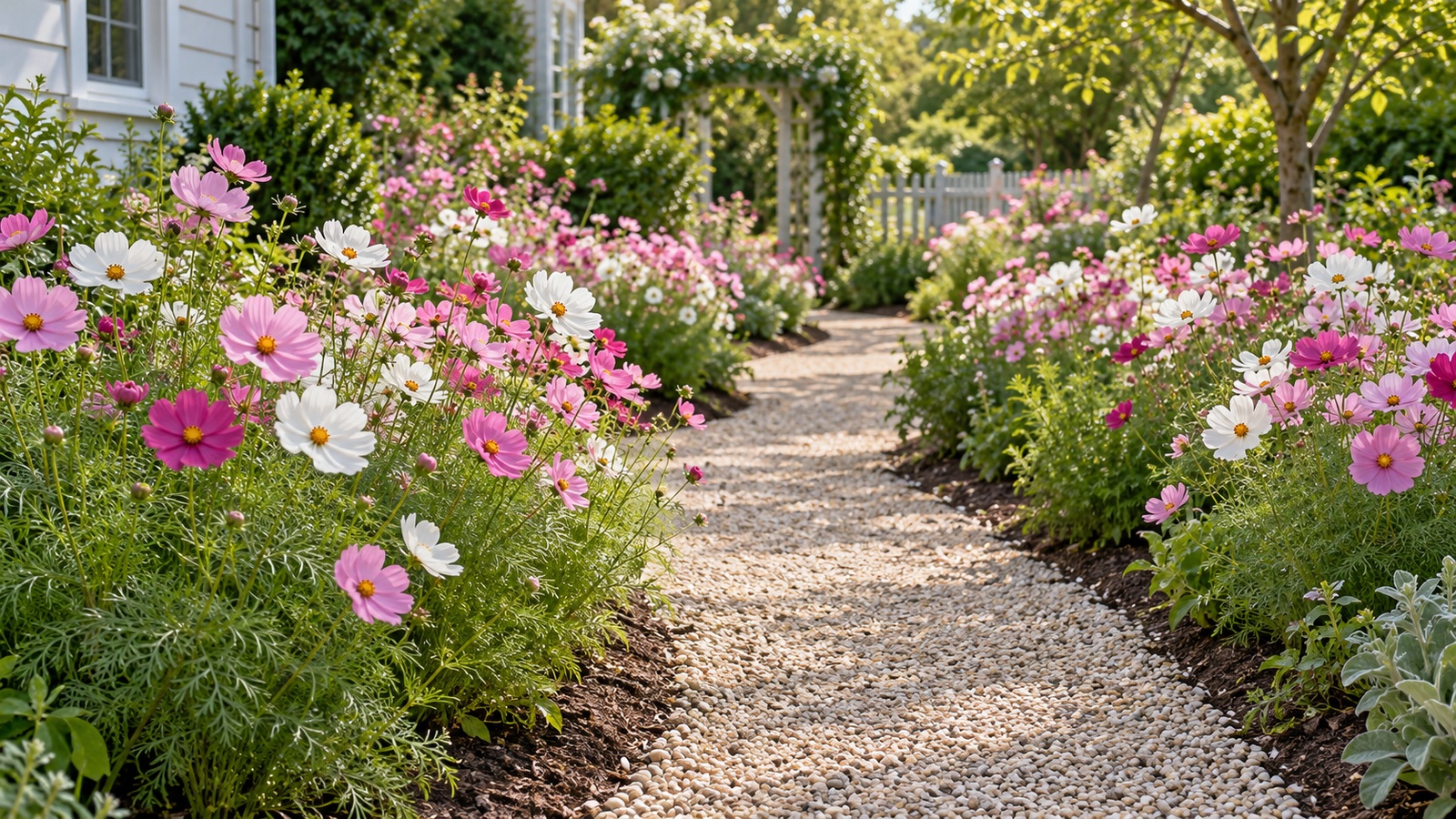
Every yard has them — those stubborn, shadowy spaces where sunlight rarely lingers. They might sit beneath the canopy of a large tree, along the north side of your home, or tucked away behind a fence where the sun never quite reaches. Many gardeners see these spots as a challenge, imagining them forever doomed to look bare or uninspired. But with the right plant choices, these shady corners can become some of the most enchanting areas of your outdoor space. Shade-loving annuals are the secret weapons of gardeners who know how to turn low-light conditions into lush, colorful retreats. Unlike perennials that return year after year, annuals offer the freedom to redesign your shady spaces each season, introducing new textures, colors, and forms for endless creativity. In this guide, we’ll explore the best shade-loving annuals that thrive without direct sunlight, how to care for them, and how to design stunning displays in the darker corners of your yard.
A: Partial shade is 3–6 hours of sun; full shade is less than 3 hours direct sun.
A: Yes, most prefer gentle morning light.
A: Yes, soil moisture is still key to healthy growth.
A: Many do well as houseplants in bright, indirect light.
A: Impatiens are a great low-maintenance choice.
A: Some bloom heavily, others focus on foliage beauty.
A: Yes, many still attract bees, butterflies, and hummingbirds.
A: Rich, well-drained soil with compost works best.
A: Yes, for more flowers—unless the plant is self-cleaning.
A: Absolutely, they make great seasonal fillers.
Why Shade-Loving Annuals Deserve More Attention
Shade-loving annuals are a different breed from sun-hungry flowers. They have adapted to low-light conditions by developing larger leaves to capture more available light, richer colors that pop in dim settings, and a resilience that allows them to bloom beautifully without hours of direct sun. While they may not produce the same profusion of blooms as some sun lovers, their appeal lies in their ability to provide steady color, texture, and lushness where other plants simply won’t grow. The versatility of annuals also means you can change your garden’s look every year — one summer you might opt for a serene palette of whites and greens, and the next you could fill it with jewel-toned blooms.
Understanding Shade: The Key to Plant Success
Before selecting plants, it’s important to understand the type of shade you’re working with. Light shade refers to areas that get filtered sunlight through trees or a few hours of morning or late afternoon sun. Partial shade means a spot receives about three to six hours of direct sunlight per day, often in cooler times of day. Full shade means less than three hours of sun daily, with the rest of the time spent in indirect light. Deep shade, the most challenging, receives little to no sunlight at all, such as under dense tree canopies or behind tall buildings. Choosing the right plants for your specific shade type is the key to success.
Impatiens: The Reliable Color Carpet
Impatiens are perhaps the best-known shade-loving annuals, and for good reason. Their ability to bloom profusely in partial to full shade makes them a go-to choice for dark corners. Available in a wide array of colors — from bright pinks and reds to soft lavenders and whites — impatiens form low, mounding plants that can fill garden beds, border pathways, or spill from containers. They thrive in moist, well-drained soil and appreciate regular watering, making them perfect for shady spots where moisture lingers. With impatiens, you can create a dense, colorful carpet that brightens even the dimmest garden nook.
Begonias: Beauty in Every Form
Begonias are incredibly versatile, with varieties suited to a range of light conditions, including deep shade. Wax begonias have shiny green or bronze leaves and clusters of small flowers in white, pink, or red, while tuberous begonias boast large, showy blooms that rival roses in appearance. Angel wing begonias add a touch of drama with their speckled foliage and pendulous blooms. These plants not only tolerate low light but often thrive in it, producing consistent color throughout the season. Begonias are also excellent container plants, making them easy to move and rearrange to keep your shady spots looking fresh.
Coleus: The Foliage Superstar
While many shade-loving annuals are valued for their flowers, coleus is grown primarily for its stunning foliage. With leaves splashed in combinations of green, burgundy, yellow, pink, and purple, coleus can be the star of a shady garden bed. This plant’s incredible variety means you can find a coleus to match any color scheme, from vibrant tropical tones to muted, sophisticated palettes. Coleus grows quickly and can be pinched back to encourage bushier growth, making it a great filler for shady spots that need a burst of texture and color without relying on blooms.
Torenia: The Wishbone Flower That Keeps on Giving
Torenia, also known as the wishbone flower, is a charming annual that thrives in partial to full shade. Its unique trumpet-shaped blooms, often in shades of blue, purple, pink, or yellow with contrasting throats, stand out beautifully in darker garden corners. Torenia blooms steadily all summer and attracts hummingbirds, adding life and movement to your shady spaces. It prefers moist, well-drained soil and works well in both garden beds and hanging baskets, where its trailing stems can spill gracefully over the edges.
Lobelia: Cascading Color for Cool Spots
Lobelia is a delicate-looking but surprisingly hardy annual that does well in partial shade. Its masses of tiny flowers, typically in vivid blue, purple, or white, create a soft, cascading effect that’s perfect for hanging baskets, window boxes, or as an edging plant. Lobelia thrives in cooler conditions and will bloom continuously if kept well-watered and lightly fertilized. Its airy growth habit and vibrant color make it an excellent companion to other shade-loving plants, adding a touch of elegance to any planting.
Fuchsia: A Tropical Touch in the Shadows
Fuchsias are famed for their exotic, pendulous blooms that look like miniature ballerinas in shades of pink, red, purple, and white. These shade-loving annuals are ideal for hanging baskets, where their trailing growth and dramatic flowers can be fully appreciated. Fuchsias prefer cooler temperatures and consistent moisture, making them perfect for shady patios or porches. With proper care, they will bloom from early summer through fall, adding a touch of the tropics to your shaded spaces.
Browallia: The Sapphire of the Shade Garden
Browallia, often called the sapphire flower, brings a splash of rich blue or purple to the shade garden — a color that is surprisingly rare among flowers. These compact annuals are perfect for filling in gaps in shady beds or for brightening up containers. Browallia blooms steadily from early summer until frost and requires minimal maintenance beyond regular watering. Their jewel-like blossoms stand out beautifully against deep green foliage, making them a striking choice for darker corners.
Caladium: The Drama Queen of Foliage
While technically grown for its leaves rather than flowers, caladium earns a place among the best shade-loving annuals. Its large, heart-shaped leaves are splashed with bold patterns in white, pink, red, and green, creating a show-stopping display. Caladiums thrive in partial to full shade and add a tropical flair to garden beds, borders, and containers. They prefer warm soil and consistent moisture, making them a perfect choice for shaded areas that stay humid in the summer.
Care Tips for Shade-Loving Annuals
While shade-loving annuals may be more forgiving in low light, they still require the right care to perform their best. Soil quality is crucial — most prefer rich, well-draining soil with plenty of organic matter to retain moisture. Watering should be consistent but not excessive, as overly wet soil can lead to root rot. Fertilizing every few weeks with a balanced, water-soluble fertilizer will encourage steady growth and flowering. In shaded areas where airflow may be limited, keeping an eye out for fungal diseases like powdery mildew is important. Removing any damaged leaves promptly and ensuring plants have room to breathe can help prevent issues.
Designing with Shade-Loving Annuals
The beauty of shade gardens lies in their atmosphere — they tend to feel cooler, more intimate, and more tranquil than sunny spaces. Designing with shade-loving annuals allows you to play with texture, contrast, and subtle color in a way that creates a sense of harmony. Mixing foliage plants like coleus or caladium with blooming varieties like impatiens and torenia adds depth and interest. Consider using containers to add height and layers to your shady spaces, or hanging baskets to draw the eye upward. Even in deep shade, you can use variegated foliage or light-colored flowers to reflect what little light there is, brightening the overall feel of the area.
Why Annuals Are Perfect for Shade Experimentation
One of the joys of working with annuals is the freedom to experiment. Unlike perennials, which can take years to establish and return season after season, annuals offer a fresh canvas each year. This means you can try new color combinations, test different plant pairings, or even redesign the entire shady corner of your yard from scratch without long-term commitment. This flexibility keeps your garden exciting and allows you to adapt your plant choices as your taste or the conditions in your yard change.
Turning Shade into a Garden Feature
The dark corners of your yard don’t have to be problem areas. With the right selection of shade-loving annuals, these spots can become some of the most charming and memorable parts of your garden. From the reliable blooms of impatiens to the exotic flair of fuchsias and the dramatic foliage of caladiums, there’s an abundance of plants ready to thrive without direct sun. By understanding your shade conditions, caring for your plants properly, and designing with intention, you can transform shady spaces into lush, colorful retreats that invite you to linger even on the hottest summer days.
Garden Product Reviews
Step into Mossy Streets’ Garden Product Reviews — your go-to guide for the best tools, gear, gifts, books, and garden gadgets rooted in nature. From blooming backyard beauties to lush indoor jungles, from heirloom seeds to high-tech composters, we dig into top-rated products for green thumbs, beginners, educators, and plant lovers alike. Whether you’re planting, pruning, decorating, or simply enjoying your green space, we’ve unearthed the best so you can grow, bloom, and thrive — all in one vibrant place!