A truly spectacular garden is one that evolves with the seasons, offering color, texture, and life every month of the year. While many gardeners choose to specialize in either annuals or perennials, the magic really happens when these two plant types are combined in thoughtful, strategic ways. Mixing annuals and perennials allows you to enjoy the best of both worlds: the reliable backbone and seasonal rhythm of perennials alongside the vibrant, ever-changing display of annuals. When designed with intention, a mixed planting can deliver bursts of spring freshness, lush summer abundance, autumn warmth, and even winter interest. It’s a living tapestry that changes with the months, keeping your garden dynamic and inviting all year long. Whether you tend a small urban courtyard, a sprawling country garden, or a series of container displays, mastering the art of combining annuals and perennials can transform your outdoor spaces into breathtaking seasonal showcases.
A: Yes, they complement each other beautifully.
A: Stagger bloom times and use evergreen perennials for winter interest.
A: If spaced well and fertilized, they thrive together.
A: Yes, they live for only one season.
A: Most do well in rich, well-draining soil.
A: Absolutely, with the right pot size and drainage.
A: Use evergreen perennials and structural plants.
A: Yes, especially when grown together.
A: Most annuals and some perennials produce harvestable seeds.
A: Not if planned with compatible species.
Understanding the Difference Between Annuals and Perennials
Before blending them, it’s essential to understand what sets annuals and perennials apart. Annuals live for just one growing season. They germinate, grow, flower, and set seed before dying, all within a single year. Because of this short life cycle, annuals tend to be heavy bloomers, pouring all their energy into flowers and seed production. They offer fast results and an almost endless variety of colors, shapes, and growth habits. Perennials, on the other hand, return year after year. Many spend their first season establishing strong roots, then put on bigger and better displays in subsequent years. Perennials may bloom for a few weeks or months, depending on the variety, and they often contribute structural foliage or seasonal accents even when they aren’t in flower. While they can take longer to establish, they provide the garden’s framework and stability, creating a foundation upon which annuals can shine.
The Benefits of Combining Annuals and Perennials
The most obvious benefit of mixing these plant types is continuous color. Perennials often have defined bloom windows — irises in spring, daylilies in midsummer, asters in fall. Annuals can be used to fill in gaps between these bloom times, ensuring there’s always something in flower. Another advantage is the ability to adapt to trends and personal preferences. With annuals, you can experiment with new color schemes, unusual plants, or bold combinations each year without committing to permanent changes. Meanwhile, perennials provide a dependable backdrop that grounds the display, giving it maturity and coherence. From a practical standpoint, combining annuals and perennials can also improve garden health. The diversity of plant types helps support a wider range of pollinators and beneficial insects, while staggered bloom times provide food sources for them across the seasons. Additionally, annuals can be used as living mulch between young perennials, helping to suppress weeds and retain soil moisture.
Designing for Seasonal Interest
A successful mixed planting starts with a plan that considers all four seasons. In early spring, perennial bulbs such as tulips, daffodils, and alliums can lead the show, with cool-season annuals like pansies, violas, and snapdragons filling in around them. By late spring and early summer, perennials such as peonies, irises, and salvia can take the stage, supported by annuals like petunias, zinnias, and cosmos for sustained color. As summer peaks, heat-tolerant annuals — marigolds, lantana, and sun-loving coleus — can keep beds vibrant while perennials like coneflowers, daylilies, and Russian sage provide structural interest. In autumn, chrysanthemums, sedum, and asters can be paired with cold-tolerant annuals like ornamental kale and pansies for a fresh seasonal shift. Even in winter, ornamental grasses, evergreen perennials, and dried seed heads can combine with hardy annuals like calendula for subtle beauty.
Creating Color Harmony
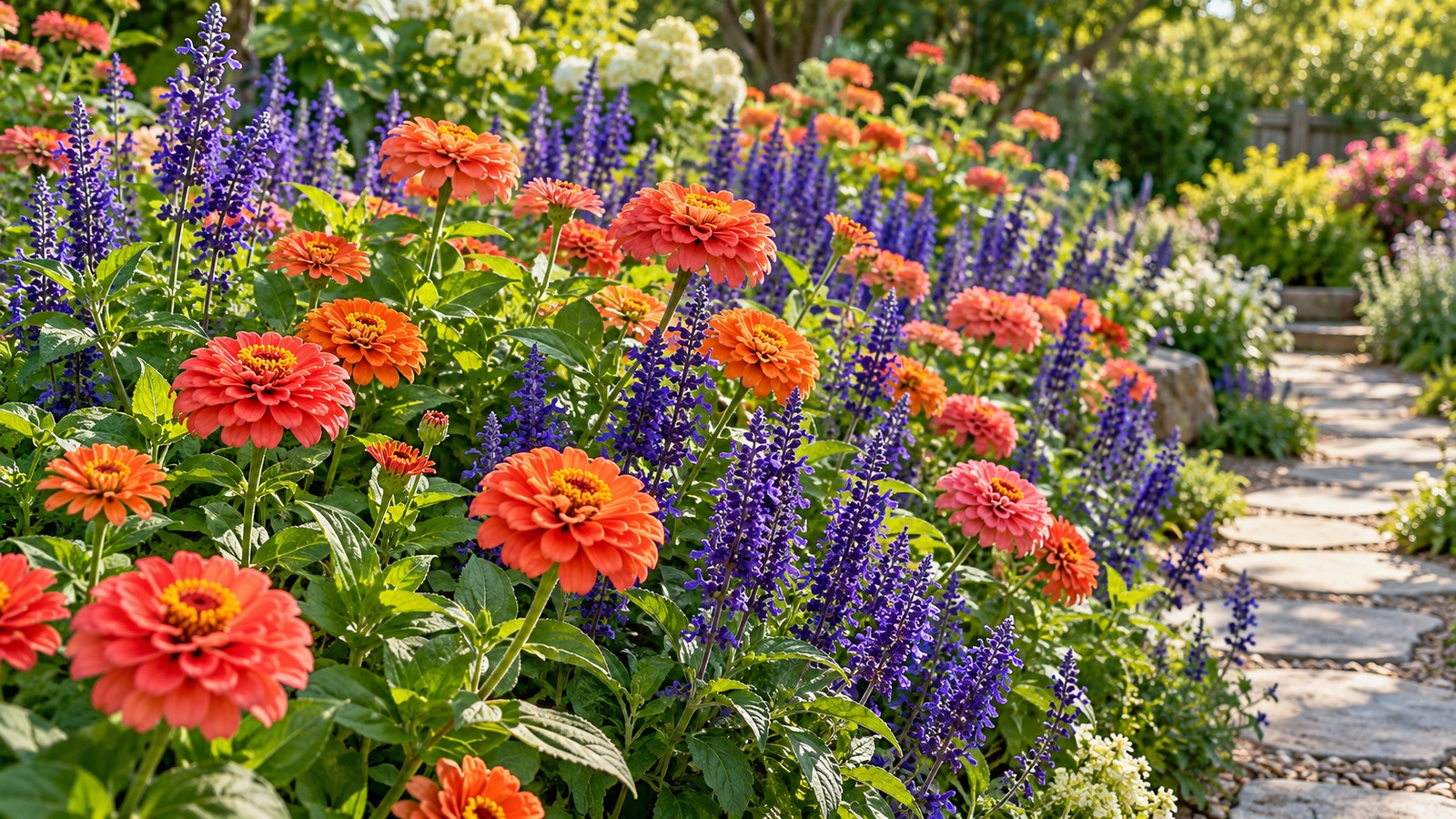
Color is one of the most powerful tools in a garden designer’s kit, and mixing annuals and perennials gives you endless possibilities. To achieve a harmonious look, start by choosing a base color palette that reflects your style — soft pastels for a romantic garden, bold primaries for a vibrant cottage style, or monochromatic schemes for modern minimalism. Perennials can serve as the consistent color anchors from year to year, while annuals can be rotated to play with accents and contrasts. For example, a perennial bed dominated by purple salvia and lavender can be refreshed each season with annuals in complementary yellow tones for contrast, or in pink and white for a soft, blended effect. This approach lets you keep the garden visually interesting without overwhelming the senses.
Playing with Texture and Form
Annuals and perennials offer a variety of shapes and textures that can be combined for depth and visual intrigue. Upright perennials such as delphiniums or foxgloves pair beautifully with mounding annuals like begonias or impatiens. Fine-textured foliage, such as that of ferns or ornamental grasses, provides a delicate backdrop for the bold leaves of annuals like elephant ears or caladiums. Mixing flower shapes can also create a dynamic display. Spikes from perennial liatris or veronica look striking next to the rounded blooms of annual geraniums or dahlias. This interplay between tall and short, fine and bold, spiky and rounded creates a sense of movement and variety that keeps the garden engaging throughout the season.
Layering for Impact
A layered approach ensures every plant is visible and contributes to the display. Place taller perennials toward the back or center of beds, with mid-sized annuals in front and low-growing fillers along the edges. This creates depth and allows you to make the most of each plant’s visual strengths. In circular beds or island plantings, think of height as radiating from the center outward. Tall perennials like hollyhocks can anchor the middle, surrounded by medium-height plants such as zinnias, with cascading annuals like sweet alyssum spilling over the edges. This method also makes maintenance and harvesting flowers for arrangements easier, as you can reach plants without disturbing others.
Succession Planting for Constant Blooms
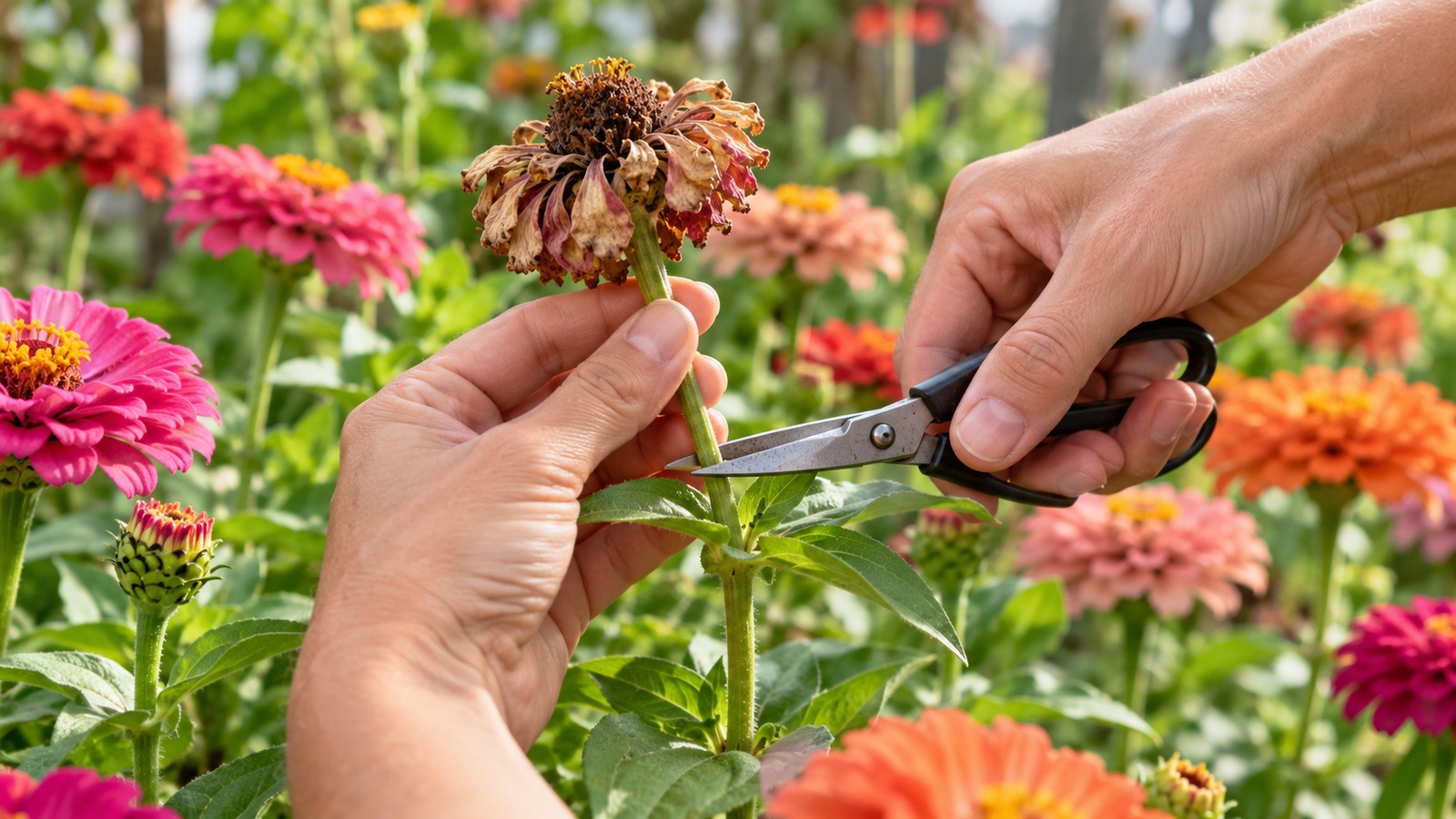
One of the keys to year-round beauty is succession planting — replacing spent plants with new ones to keep displays fresh. Annuals are perfect for this, as they can be swapped out quickly as the seasons change. In spring, cool-season annuals like pansies and snapdragons can be replaced with summer-loving varieties such as petunias and marigolds once temperatures rise. As summer fades, these can be removed and replaced with autumn standouts like ornamental cabbage or violas. For perennials, deadheading — the removal of spent blooms — can often encourage a second flush of flowers. In mixed beds, this means perennials can continue to contribute color alongside annuals well into the season.
Choosing Annuals to Complement Perennials
When selecting annuals to mix with perennials, consider growth habit, bloom time, and maintenance needs. For perennial beds dominated by spring bloomers like tulips and peonies, summer annuals such as zinnias, cosmos, and marigolds can fill in the gap after the perennials fade. For late-summer perennial displays like black-eyed Susans and Russian sage, choose annuals that can handle the heat, such as lantana or celosia. Also think about foliage color. Perennials with silver leaves, such as lamb’s ear, pair beautifully with deep purple petunias, while chartreuse-leaved hostas pop against bright red begonias. Annual foliage plants like coleus can be used as living accents, providing season-long color that complements perennial blooms.
Using Containers in Mixed Plantings
Containers offer a flexible way to mix annuals and perennials while adding vertical layers and focal points to the garden. Perennials such as coreopsis, heuchera, or dwarf ornamental grasses can serve as the central “thriller” plants in a container, with cascading annuals like trailing petunias, lobelia, or bacopa spilling over the edges. Because containers are portable, they allow you to move focal displays where they’re most needed throughout the season. You can also refresh containers easily by replacing tired annuals with fresh ones as the months go by, keeping them colorful from spring until frost.
Extending the Season with Hardy Annuals and Evergreen Perennials
To truly achieve year-round interest, incorporate hardy annuals and evergreen perennials into your planting plan. Hardy annuals like calendula, dianthus, and snapdragons can withstand cooler temperatures, providing color in early spring and late autumn when tender annuals can’t survive. Evergreen perennials such as hellebores, creeping thyme, and certain ornamental grasses offer structure and color even in the depths of winter. By combining these with your regular seasonal mix, you ensure there’s always something attractive to see, even when flowers are scarce.
Maintenance Tips for Mixed Beds
A mixed planting requires regular attention to look its best. Annuals, with their fast growth and heavy blooming, need more frequent watering and feeding than most perennials. Use a balanced, slow-release fertilizer at planting time and supplement with liquid feed during the growing season for annuals. Perennials generally need less feeding but benefit from mulching to conserve moisture and suppress weeds. Deadheading is crucial for both plant types. For annuals, it keeps the plant focused on producing new blooms instead of seeds. For perennials, it can extend the bloom season or tidy the plant after flowering. Keep an eye out for overcrowding — annuals can grow vigorously and encroach on slower-growing perennials if not kept in check.
Creating a Garden That Evolves with You
One of the joys of mixing annuals and perennials is that your garden can change and grow with you. As your tastes shift or new plant varieties become available, you can experiment with different combinations, colors, and themes without starting from scratch. The perennials provide a stable foundation, while the annuals let you be creative and playful each season. This approach also allows for adaptation to environmental changes. If a perennial underperforms in a certain spot, you can gradually replace it or disguise it with well-chosen annuals. Over time, your garden becomes a living reflection of your evolving style, always beautiful, always in flux.
The Art of Year-Round Beauty
A garden that offers beauty in every season is the result of thoughtful planning, plant knowledge, and a willingness to experiment. By combining the dependable charm of perennials with the vibrant versatility of annuals, you create a living, breathing masterpiece that changes with the months but never loses its appeal. With the right mix, your garden can welcome spring with fresh blooms, celebrate summer with abundant color, transition gracefully into autumn’s rich hues, and rest in winter with sculptural forms and evergreen accents. Whether you’re a seasoned gardener or just beginning, mastering the blend of annuals and perennials is a skill that will reward you with endless inspiration and joy.
Garden Product Reviews
Step into Mossy Streets’ Garden Product Reviews — your go-to guide for the best tools, gear, gifts, books, and garden gadgets rooted in nature. From blooming backyard beauties to lush indoor jungles, from heirloom seeds to high-tech composters, we dig into top-rated products for green thumbs, beginners, educators, and plant lovers alike. Whether you’re planting, pruning, decorating, or simply enjoying your green space, we’ve unearthed the best so you can grow, bloom, and thrive — all in one vibrant place!