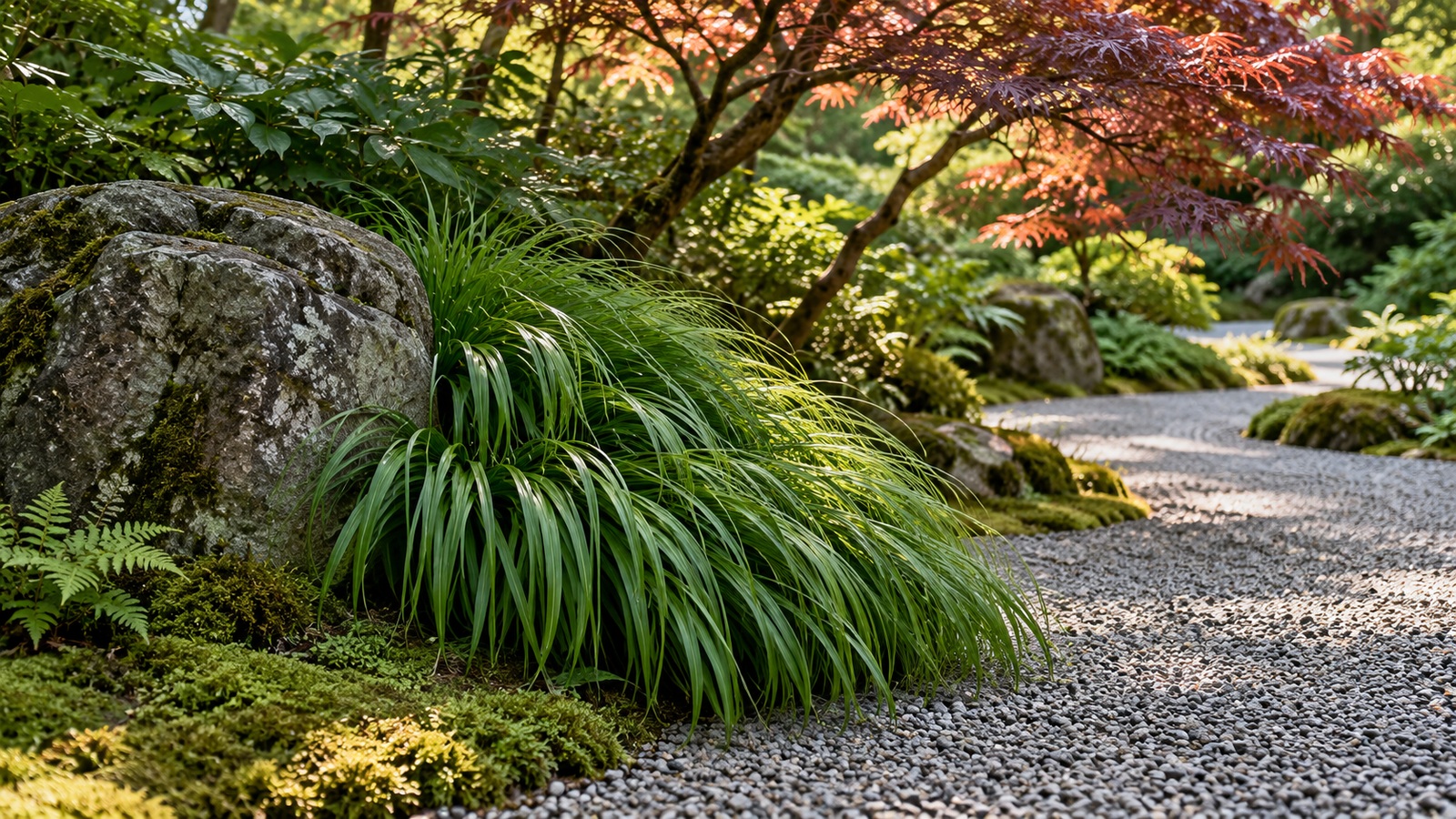
Fountain grass, with its graceful arching foliage and feathery plumes, has become a favorite among gardeners for its beauty, versatility, and ease of care. Known botanically as Pennisetum, this ornamental grass is a stunning choice for adding movement, texture, and seasonal color to the garden. Its cascading form creates a soft, elegant silhouette that dances in the breeze, while its blooms range from creamy white to rich burgundy, depending on the variety. Whether you are creating a vibrant border, designing a low-maintenance landscape, or seeking a dramatic container specimen, fountain grass delivers style with minimal fuss. This guide will take you through every step of planting and caring for fountain grass so you can enjoy its beauty year after year.
A: In spring after the last frost date.
A: Full sun for the best flowering and growth.
A: Weekly until established, then during prolonged dry spells.
A: Wait until late winter or early spring for best results.
A: Only in zones 5–9; otherwise treat as annual.
A: Some types will, but sterile cultivars will not.
A: Yes, deer generally avoid it.
A: Yes, dwarf varieties are perfect for containers.
A: Dig up in spring, split clumps, and replant.
A: Yes, especially seed-eating birds in fall and winter.
Understanding Fountain Grass
Fountain grass is a warm-season ornamental grass that thrives in sunny locations and well-drained soil. Native to tropical and subtropical regions, it has adapted to a variety of climates, making it a popular choice in both temperate and warmer zones. While many types are perennial in USDA zones 8–11, some, like purple fountain grass (Pennisetum setaceum ‘Rubrum’), are treated as annuals in colder climates because they can’t survive freezing winters. The plant’s charm lies in its graceful, fountain-like growth habit, which gives it its name. The foliage emerges in spring, arching outward in lush clumps, and by midsummer, tall flower spikes rise above the leaves, tipped with soft, feathery plumes. These blooms not only add visual interest but also provide food for birds and can be used in fresh or dried floral arrangements.
Choosing the Right Variety
Fountain grass comes in a range of sizes, colors, and textures, so selecting the right one for your garden is the first step. Popular options include: Purple fountain grass (Pennisetum setaceum ‘Rubrum’), known for its deep burgundy foliage and pinkish-purple plumes, is ideal for bold, dramatic displays.
Dwarf fountain grass (Pennisetum alopecuroides ‘Hameln’) offers a compact size and creamy flower spikes, making it perfect for small gardens and borders.
Red head fountain grass (Pennisetum alopecuroides ‘Red Head’) features large, smoky-pink plumes that darken to burgundy as they mature.
Black-leaf fountain grass (Pennisetum alopecuroides ‘Moudry’) produces dark seed heads that contrast beautifully with its green foliage. By understanding your climate and garden style, you can choose a variety that will flourish in your conditions and enhance your landscape’s design.
How to Plant Fountain Grass
Planting fountain grass is straightforward, but proper preparation will ensure your plant thrives for years to come. The best time to plant is in spring after the last frost when soil temperatures have warmed. Start by selecting a sunny spot that receives at least six hours of direct light per day. Fountain grass can tolerate partial shade, but its blooms and foliage colors are more vibrant in full sun. The soil should be well-draining; heavy clay can lead to root rot, while overly sandy soil may require organic matter to improve moisture retention. Dig a hole twice as wide as the plant’s root ball but no deeper than the height of the pot it came in. Gently loosen the roots before placing the plant in the hole, making sure the crown sits level with the soil surface. Backfill with the excavated soil, firming it gently around the roots, and water thoroughly to settle the plant. If planting multiple fountain grasses, space them according to the variety’s mature width — smaller types may need two to three feet, while larger cultivars can require up to four feet.
Watering and Feeding
Fountain grass is moderately drought-tolerant once established, but it will look its best with regular watering during dry spells. In the first growing season, water deeply once or twice a week to encourage strong root development. After that, a weekly watering during prolonged dry periods is usually sufficient. Fertilization is minimal — in fact, too much fertilizer can lead to floppy growth. In spring, apply a balanced slow-release fertilizer or a layer of compost around the base of the plant to give it a boost. Avoid high-nitrogen feeds, which encourage excessive leaf growth at the expense of flowers.
Pruning and Seasonal Care
One of the joys of fountain grass is its low-maintenance nature. Throughout the growing season, there’s little pruning required other than removing spent flower spikes if you prefer a tidier look. Many gardeners, however, leave the blooms in place to enjoy their winter interest and provide wildlife habitat. In late winter or early spring before new growth emerges, cut back the entire plant to about four to six inches above the ground. This allows fresh foliage to emerge unimpeded and keeps the plant looking healthy and vibrant. Wear gloves when pruning, as the leaves can be sharp.
Overwintering Fountain Grass
In warmer climates, fountain grass will overwinter in the ground without issue. In colder zones where it’s not hardy, treat it as an annual or bring container-grown plants indoors. To overwinter in pots, cut the grass back in late fall, move it to a cool, bright location, and water sparingly until spring. Some gardeners in borderline climates protect in-ground plants by mulching heavily around the base in late fall. While this can help, it’s not always enough for tender varieties like purple fountain grass to survive harsh winters.
Growing Fountain Grass in Containers
Fountain grass adapts beautifully to container culture, making it an excellent choice for patios, decks, and entryways. Choose a container with good drainage holes and use a high-quality potting mix. Water container plants more frequently than those in the ground, as pots dry out faster. Container-grown fountain grass can be overwintered indoors in colder climates, allowing you to enjoy your favorite varieties year after year. Just remember to cut them back before bringing them inside and place them in a sunny spot.
Pest and Disease Resistance
Fountain grass is largely pest- and disease-free, which is part of its appeal. On rare occasions, aphids or spider mites may appear, especially in hot, dry weather. A strong spray of water or an application of insecticidal soap usually resolves the problem quickly. Root rot can occur in poorly drained soils, so ensure your planting site offers good drainage. Beyond that, fountain grass is a reliable, trouble-free addition to the landscape.
Landscape Uses for Fountain Grass
Fountain grass is incredibly versatile in garden design. It works beautifully as a specimen plant, drawing attention with its elegant form and colorful blooms. In mass plantings, it creates sweeping waves of texture and movement that look especially stunning in large landscapes. It’s also an excellent choice for mixed borders, where its arching foliage can soften the edges of paths or beds. Dwarf varieties make neat edging plants, while taller cultivars serve as informal privacy screens. Fountain grass pairs well with flowering perennials, shrubs, and even other ornamental grasses for a layered, dynamic look. For a contemporary feel, try planting fountain grass in sleek containers with bold architectural plants like agave or yucca. For a cottage garden aesthetic, combine it with echinacea, rudbeckia, and Russian sage.
The Four-Season Appeal
One of the most compelling reasons to plant fountain grass is its ability to provide year-round interest. In spring, fresh green or burgundy foliage emerges, adding early-season texture. Summer brings the iconic flower plumes that sway gracefully in the wind. In fall, many varieties shift to warm golden, copper, or red tones, extending the color show. Even in winter, the dried foliage and seed heads catch frost and snow, creating a picturesque, sculptural effect in the garden. Few plants offer this kind of four-season beauty with such minimal care.
Sustainability and Wildlife Benefits
Fountain grass not only beautifies your garden but also contributes to a healthy ecosystem. Its blooms attract pollinators like bees and butterflies, while its seed heads provide food for birds. The dense foliage offers shelter for beneficial insects and small wildlife. Because it’s drought-tolerant and requires minimal inputs, fountain grass is a sustainable choice for eco-friendly gardening. It thrives without heavy watering, chemical fertilizers, or pesticides, reducing your garden’s environmental footprint.
A Garden Classic That Delivers
Fountain grass is one of those rare plants that checks all the boxes — beauty, versatility, low maintenance, and year-round appeal. Whether you choose a deep burgundy variety for bold contrast or a soft, creamy type for subtle elegance, this ornamental grass will reward you with graceful movement, seasonal color, and reliable performance. By following the simple planting and care guidelines in this article, you can enjoy the charm of fountain grass for years to come. From borders to containers, modern landscapes to natural meadows, this plant fits effortlessly into any design, bringing texture, motion, and timeless style to your outdoor spaces.
Garden Product Reviews
Step into Mossy Streets’ Garden Product Reviews — your go-to guide for the best tools, gear, gifts, books, and garden gadgets rooted in nature. From blooming backyard beauties to lush indoor jungles, from heirloom seeds to high-tech composters, we dig into top-rated products for green thumbs, beginners, educators, and plant lovers alike. Whether you’re planting, pruning, decorating, or simply enjoying your green space, we’ve unearthed the best so you can grow, bloom, and thrive — all in one vibrant place!