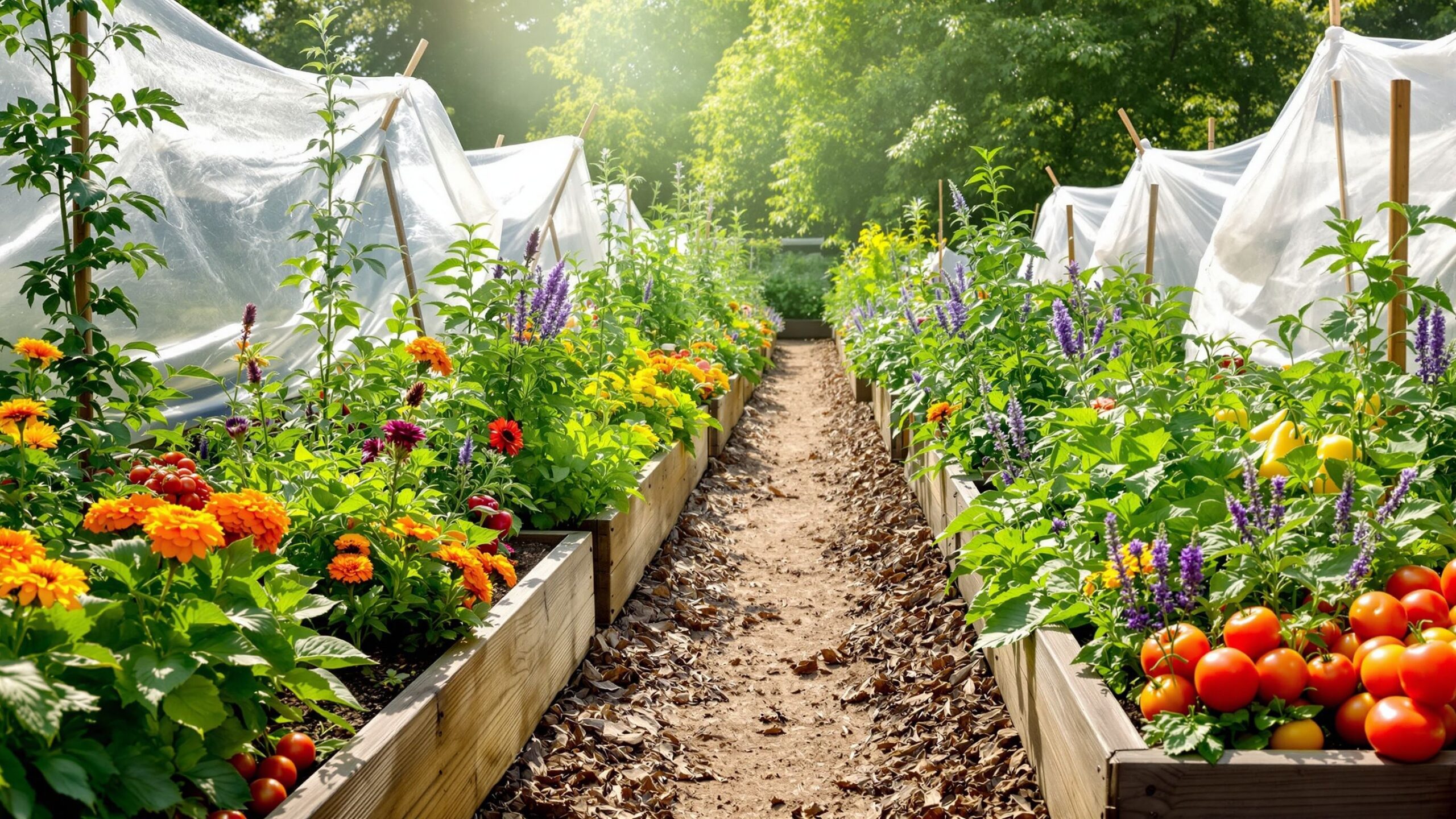
Growing a productive vegetable garden is one of the most rewarding experiences in gardening. Few things compare to harvesting fresh tomatoes, peppers, lettuce, cucumbers, beans, squash, and other vegetables directly from your own backyard. However, every vegetable gardener eventually encounters the same challenge: pests. Insects, diseases, weeds, and environmental stresses can quickly turn a promising harvest into a frustrating battle if they are not managed properly. While many gardeners immediately think of pesticides when problems appear, experienced growers often rely on a more effective and sustainable approach known as Integrated Pest Management, or IPM.
Integrated Pest Management is a comprehensive strategy that combines prevention, observation, cultural practices, biological controls, physical barriers, and targeted treatments into a coordinated system. Rather than reacting to problems after they become severe, IPM focuses on creating conditions that discourage pests while supporting healthy plant growth. This proactive approach helps reduce pest pressure throughout the growing season while minimizing unnecessary chemical use.
One of the greatest strengths of IPM is its adaptability. Vegetable gardens change dramatically from season to season, and pest challenges evolve throughout the year. Spring brings emerging insects and young seedlings. Summer introduces rapid pest reproduction and disease pressure. Fall presents its own set of challenges as gardeners harvest crops and prepare for the next growing season. A successful IPM program takes these seasonal changes into account and adjusts management strategies accordingly.
By understanding how pests, plants, weather, and beneficial organisms interact throughout the year, gardeners can develop a seasonal IPM plan that protects crops while promoting long-term garden health. The result is often higher yields, fewer pest outbreaks, healthier soil, and a more enjoyable gardening experience.
A: Regular monitoring and early detection of problems.
A: At least once or twice per week during the growing season.
A: Not always. Identify the pest and evaluate the level of damage first.
A: No, IPM focuses on managing pests at acceptable levels.
A: It helps disrupt pest and disease life cycles.
A: Yes, they are a key biological control strategy.
A: Yes, sanitation, spacing, and monitoring help prevent diseases.
A: Tomatoes, peppers, cucumbers, squash, cabbage, lettuce, beans, and many others.
A: Yes, IPM works extremely well alongside organic gardening practices.
A: Waiting too long to inspect plants and respond to early warning signs.
Understanding the Principles of Vegetable Garden IPM
Before diving into seasonal strategies, it is important to understand the core principles that guide Integrated Pest Management. IPM is built around prevention, monitoring, identification, action thresholds, and targeted intervention. These principles work together to create a balanced approach to pest management.
Prevention focuses on reducing opportunities for pests and diseases to become established. Healthy soil, proper plant spacing, crop rotation, sanitation, and resistant varieties all contribute to prevention efforts. Monitoring involves regular observation of plants and growing conditions so that problems can be detected early.
Accurate identification ensures that gardeners understand exactly what they are dealing with before taking action. Many beneficial insects resemble harmful pests, and symptoms often have multiple possible causes. Action thresholds help determine when intervention is necessary. Not every insect requires treatment, and minor damage is often acceptable in healthy vegetable gardens.
When intervention becomes necessary, IPM emphasizes targeted solutions that minimize disruption to beneficial organisms and the surrounding ecosystem. This thoughtful approach often produces better long-term results than repeated pesticide applications.
Preparing for Spring Success
The foundation of a successful IPM program begins long before seeds are planted. Spring preparation creates conditions that influence pest pressure throughout the entire growing season.
One of the first steps is cleaning the garden thoroughly. Old plant debris, fallen fruit, diseased leaves, and leftover weeds can harbor insects, fungal spores, and bacteria through the winter. Removing these materials eliminates many potential sources of future infestations.
Soil preparation is equally important. Healthy soil supports vigorous plant growth, which naturally improves resistance to pests and diseases. Adding compost, organic matter, and balanced nutrients encourages strong root development and healthy microbial activity.
Gardeners should also review crop rotation plans before planting. Repeatedly growing the same vegetable family in the same location allows pests and diseases to build up over time. Rotating crops interrupts many pest life cycles and reduces recurring problems.
Planning companion plantings is another valuable spring activity. Flowers such as marigolds, alyssum, dill, fennel, and calendula attract beneficial insects that help control pest populations naturally.
Early Spring Monitoring and Pest Detection
As seedlings emerge and temperatures begin to rise, regular monitoring becomes increasingly important. Many common vegetable garden pests become active during early spring growth.
Aphids are often among the first insects to appear. These small sap-sucking pests gather on tender new growth and reproduce rapidly. Flea beetles may attack young seedlings, creating tiny holes in leaves. Cutworms sometimes damage newly planted vegetables by feeding at the soil line.
Frequent inspections allow gardeners to detect these problems before they spread. Examining leaves, stems, and soil surfaces several times each week provides valuable information about pest activity and plant health.
Early intervention is often far easier than dealing with large infestations later in the season.
Building Healthy Plant Defenses
One of the most effective pest-control strategies involves helping plants defend themselves naturally. Strong, healthy vegetables are generally more resilient than stressed or weakened plants.
Proper watering practices play a critical role in plant health. Inconsistent moisture can stress vegetables and make them more susceptible to pests and diseases. Deep, consistent watering encourages strong root systems and stable growth.
Mulching helps regulate soil moisture, suppress weeds, and reduce plant stress. Organic mulches also improve soil structure over time as they decompose.
Balanced fertility is equally important. Excessive nitrogen can produce lush growth that attracts aphids and other pests, while nutrient deficiencies may weaken plant defenses.
Healthy plants often recover more quickly from minor pest damage and are better able to resist disease pressure.
Encouraging Beneficial Insects During Spring
Beneficial insects are among the most valuable allies in any IPM program. Spring is the ideal time to establish habitats that attract and support these natural predators.
Ladybugs feed heavily on aphids, while lacewing larvae consume a wide range of soft-bodied insects. Hoverflies, parasitic wasps, ground beetles, and predatory mites all contribute to natural pest suppression.
Planting flowering species throughout the garden provides nectar and pollen resources that support beneficial populations. Diverse plantings encourage a wider variety of helpful insects and improve ecosystem stability.
Avoiding unnecessary pesticide use is essential because many treatments harm beneficial insects along with pests.
A healthy population of natural predators often prevents minor pest problems from becoming serious infestations.
Summer IPM Strategies for Peak Growing Season
Summer is often the most productive period in the vegetable garden, but it is also when pest pressure reaches its highest levels. Warm temperatures accelerate insect reproduction and create favorable conditions for many diseases.
Tomato hornworms, squash bugs, cucumber beetles, cabbage worms, spider mites, and whiteflies frequently become more active during summer. Disease pressure may also increase as humidity and temperatures rise.
Monitoring should become even more consistent during this period. Weekly inspections may not be enough during peak growing conditions. Many gardeners perform quick observations every few days to stay ahead of developing problems.
Early detection remains one of the most powerful tools available.
Managing Common Summer Vegetable Pests
Different vegetables attract different pests, making identification especially important during summer.
Tomatoes may experience hornworms, aphids, whiteflies, and fungal diseases. Squash and pumpkins often attract squash bugs and vine borers. Cucumbers face challenges from cucumber beetles and powdery mildew. Brassicas such as cabbage and broccoli frequently encounter cabbage worms and aphid infestations.
Hand-picking larger insects remains surprisingly effective for many common vegetable pests. Removing hornworms, squash bug egg clusters, and cabbage worms can significantly reduce damage.
Physical barriers such as row covers may also provide protection during vulnerable growth stages.
Successful management depends on understanding the specific challenges associated with each crop.
Disease Prevention During Hot Weather
Many plant diseases become more problematic during summer. Warm temperatures, humidity, and frequent irrigation can create ideal conditions for fungal growth.
Proper spacing improves airflow and reduces moisture accumulation around foliage. Watering at the base of plants rather than overhead helps keep leaves dry and less susceptible to infection.
Removing diseased leaves promptly reduces spore production and limits spread. Regular pruning can further improve air circulation within dense plantings.
Monitoring weather conditions allows gardeners to anticipate periods of increased disease risk and adjust management practices accordingly.
Using Physical Controls Throughout Summer
Physical controls are often overlooked but remain highly effective components of seasonal IPM programs.
Row covers protect crops from flying insects while allowing sunlight and water to reach plants. Mulch suppresses weeds and reduces soil-borne disease splashing. Sticky traps help monitor certain pest populations and provide valuable information about insect activity.
Hand removal, pruning, barriers, and exclusion methods all reduce pest pressure without disrupting beneficial organisms.
Physical controls often serve as excellent first responses when pest activity exceeds acceptable levels.
Fall IPM: Protecting Late-Season Harvests
As temperatures begin to cool, vegetable gardens enter another important phase of pest management. While some insect populations decline, others remain active and continue affecting crops.
Late-season vegetables such as kale, cabbage, broccoli, carrots, beets, and leafy greens often experience pest pressure well into autumn. Diseases may also persist if weather remains favorable.
Monitoring should continue until the final harvest. Many gardeners mistakenly reduce inspections too early, allowing problems to develop during the closing weeks of the season.
Fall management helps protect remaining harvests while preparing the garden for winter.
Harvest Sanitation and Cleanup
One of the most important fall IPM tasks is thorough garden cleanup. Plant debris left behind after harvest can harbor pests and diseases that survive into the following year.
Removing spent plants, diseased foliage, fallen fruit, and weeds eliminates many overwintering sites. Composting healthy plant material while disposing of diseased debris separately helps reduce future risks.
Cleaning cages, stakes, tools, and containers also prevents pathogens from carrying over into the next growing season.
Good sanitation is one of the most effective long-term pest management practices available.
Cover Crops and Soil Health
Fall is an excellent time to improve soil health through cover cropping. Cover crops suppress weeds, reduce erosion, improve soil structure, and support beneficial microorganisms.
Species such as clover, rye, oats, and vetch provide multiple benefits while helping interrupt pest and disease cycles.
Healthy soil supports healthier plants, which in turn improves resistance to future pest challenges.
Investing in soil health is one of the most valuable long-term IPM strategies any gardener can adopt.
Winter Planning for Next Season
Although active gardening slows during winter, IPM planning continues behind the scenes.
Reviewing notes from the previous season helps identify recurring problems and evaluate management strategies. Gardeners can analyze which pests appeared, when outbreaks occurred, and which interventions proved most successful.
Winter is also an ideal time to research resistant varieties, redesign garden layouts, and plan future crop rotations.
Thoughtful planning reduces surprises and strengthens future pest management efforts.
Record Keeping and Seasonal Tracking
Accurate records significantly improve the effectiveness of vegetable garden IPM programs.
Documenting planting dates, pest sightings, weather conditions, treatments, and harvest results helps reveal patterns over time. These records become increasingly valuable with each growing season.
Photographs can provide additional documentation and help compare year-to-year changes.
Good records transform pest management into a more informed and strategic process.
Common IPM Mistakes to Avoid
Many gardeners accidentally undermine their IPM efforts by reacting too quickly to minor pest activity. A few insects rarely justify immediate treatment, especially when beneficial predators are present.
Another common mistake involves inconsistent monitoring. Problems that go unnoticed often become more difficult to manage later.
Poor sanitation, overcrowded plantings, excessive fertilization, and improper watering can also increase pest pressure significantly.
Avoiding these mistakes improves the overall success of seasonal IPM programs.
Creating a Long-Term IPM Mindset
Integrated Pest Management is not simply a collection of techniques. It is a way of thinking about gardening that emphasizes observation, prevention, and ecological balance.
Rather than viewing every insect as an enemy, gardeners learn to understand relationships between plants, pests, beneficial organisms, and environmental conditions. This broader perspective often leads to more effective and sustainable management decisions.
Over time, gardeners become better at recognizing patterns, anticipating challenges, and responding strategically rather than reactively.
The result is a healthier and more resilient vegetable garden.
Final Thoughts
Integrated Pest Management provides one of the most effective frameworks for maintaining healthy vegetable gardens throughout the growing season. By combining prevention, monitoring, accurate identification, cultural practices, biological controls, physical barriers, and carefully targeted interventions, gardeners can reduce pest pressure while protecting beneficial organisms and supporting long-term ecosystem health.
A successful seasonal IPM strategy begins with spring preparation, continues through summer monitoring and management, and concludes with fall cleanup and winter planning. Each season presents unique opportunities to strengthen garden resilience and reduce future pest problems.
By adopting an Integrated Pest Management approach, vegetable gardeners gain greater control over pest challenges while reducing dependence on routine pesticide applications. The result is often healthier plants, larger harvests, improved soil health, and a more rewarding gardening experience year after year.
Garden Product Reviews
Step into Mossy Streets’ Garden Product Reviews — your go-to guide for the best tools, gear, gifts, books, and garden gadgets rooted in nature. From blooming backyard beauties to lush indoor jungles, from heirloom seeds to high-tech composters, we dig into top-rated products for green thumbs, beginners, educators, and plant lovers alike. Whether you’re planting, pruning, decorating, or simply enjoying your green space, we’ve unearthed the best so you can grow, bloom, and thrive — all in one vibrant place!