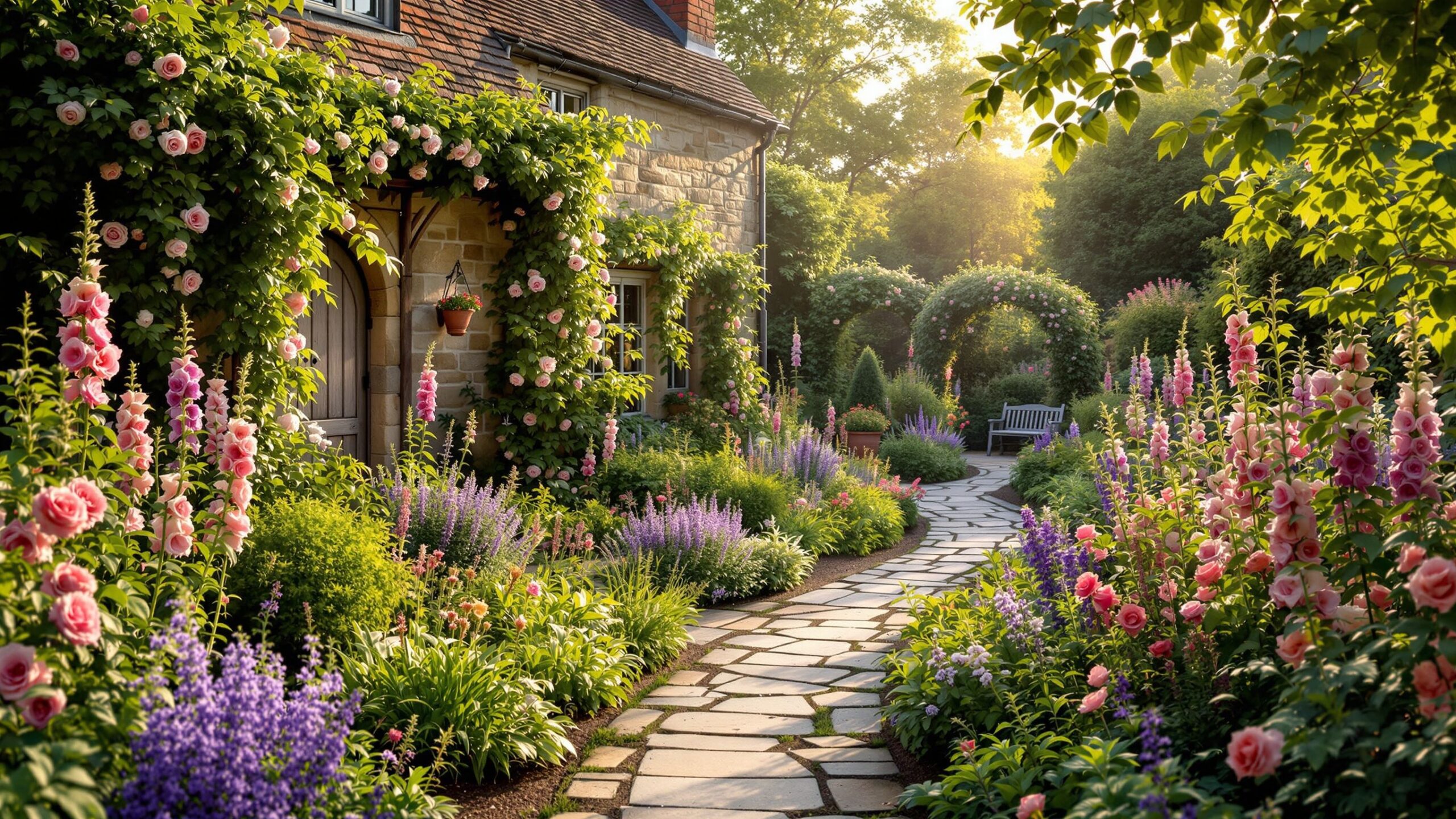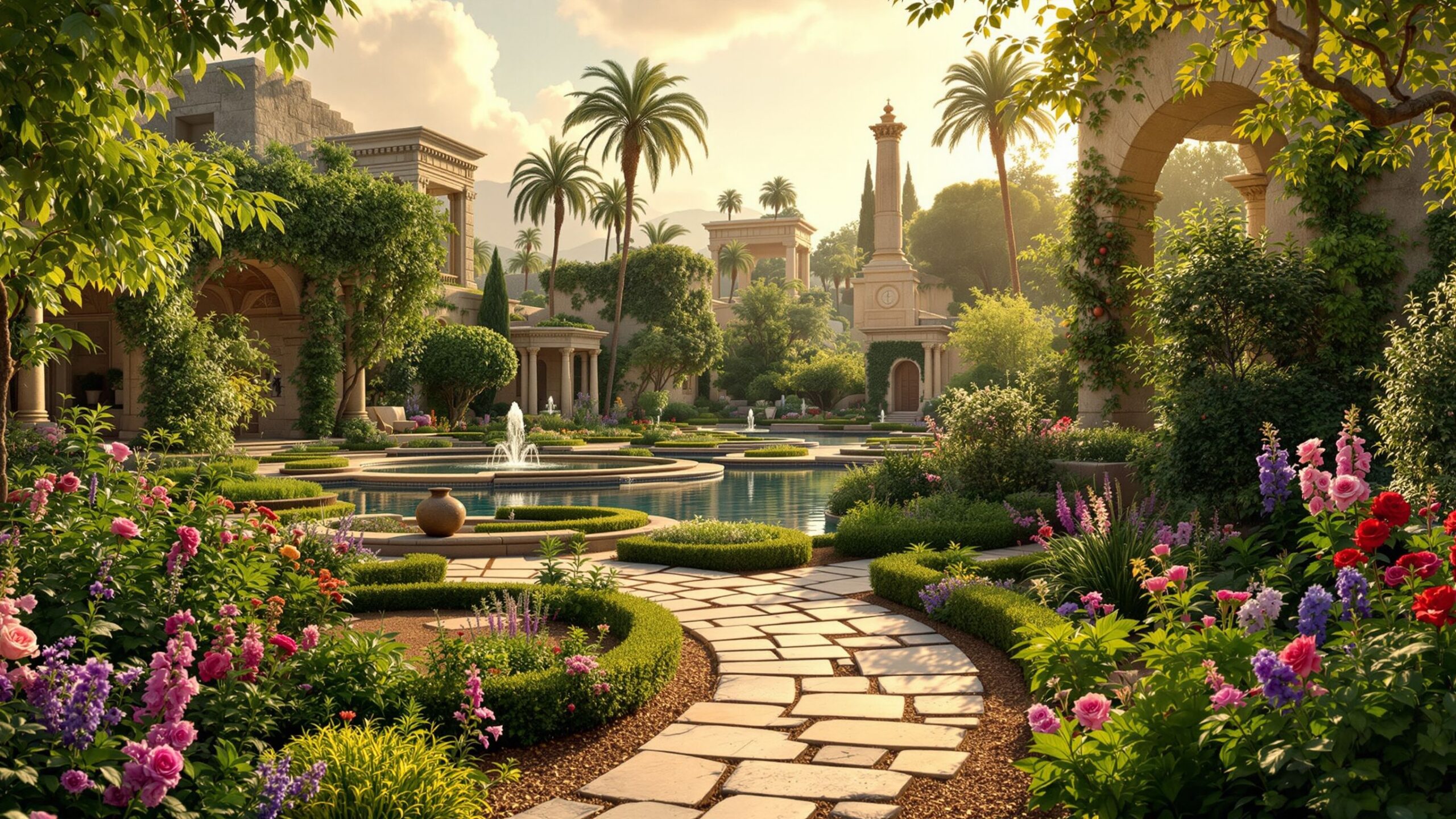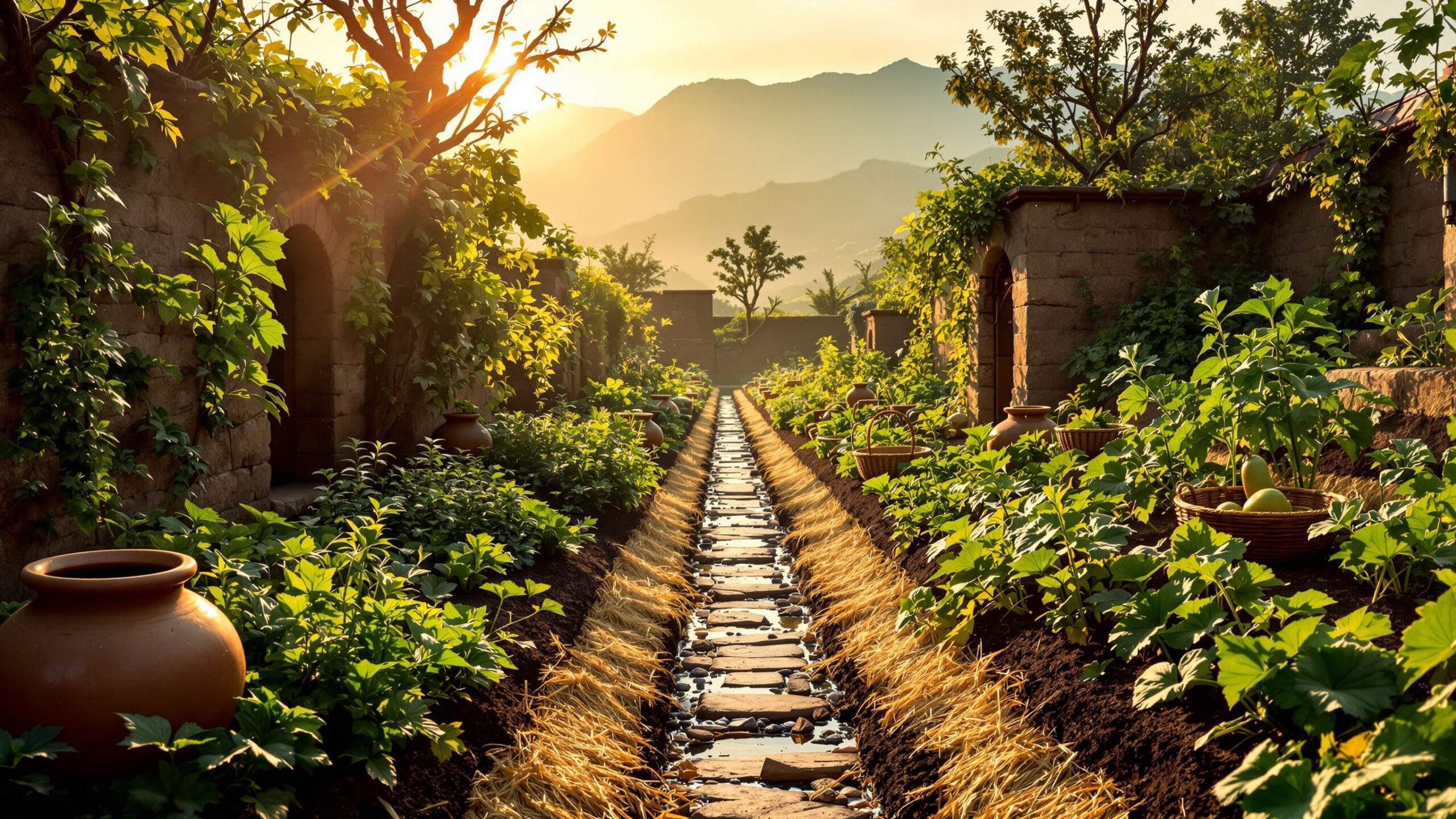
Long before garden centers, synthetic fertilizers, automated irrigation systems, and bags of perfectly blended potting soil, people were already creating productive gardens. Ancient farmers learned how to work with rainfall, sunlight, soil, insects, seasons, and local ecosystems using techniques developed through generations of observation. Many of those techniques are thousands of years old, yet they remain surprisingly effective today. From buried clay pots that slowly release water to companion planting systems that make better use of garden space, ancient gardening techniques offer practical solutions to problems modern gardeners still face. Water conservation, declining soil quality, extreme heat, weeds, pests, erosion, and unpredictable weather are not new challenges. Ancient civilizations encountered many of them without modern technology, and their solutions were often remarkably efficient. Gardeners interested in sustainable gardening, organic growing, water conservation, and healthier soil can find valuable inspiration by looking to the past. These ancient gardening techniques still work today because they were built around something that has never changed: the natural processes that allow plants to thrive.
A: Yes. Techniques such as composting, mulching, crop rotation, terracing, and seed saving are still widely useful.
A: Mulching is an excellent starting point because it helps retain moisture, suppress weeds, and protect soil.
A: It is a traditional watering method that uses porous clay vessels buried in the soil to slowly release water near plant roots.
A: Yes. Manure, composted vegetation, ash, and other locally available materials were commonly used to enrich soil.
A: Terraces created flatter growing areas on slopes while helping reduce erosion and manage water.
A: Growing complementary crops together has a long history in traditional agricultural systems around the world.
A: Many can. Mulching, ollas, water harvesting, and careful planting around natural moisture patterns can make irrigation more efficient.
A: Seed saving allowed gardeners to preserve productive varieties and gradually favor plants adapted to local growing conditions.
A: Usually not. Many traditional methods rely on simple hand tools, organic materials, and thoughtful garden design.
A: Adding compost and organic matter is one of the most practical ways to gradually improve soil structure and fertility.
Gardening Knowledge Began With Careful Observation
Ancient gardening was closely connected to survival. A poor harvest could threaten an entire household or community, which meant understanding the land was essential. Farmers watched where rainwater collected, which plants grew well in certain areas, when insects appeared, how sunlight moved throughout the year, and what happened when leaves, manure, and plant material decomposed into the soil. Instead of attempting to completely control nature, many traditional agricultural systems learned to cooperate with it. Knowledge was passed from generation to generation, and successful techniques survived because they produced results. Today, modern science can explain many of the reasons these methods worked. Organic matter improves soil structure, mulch reduces evaporation, plant diversity supports beneficial organisms, and carefully designed irrigation can reduce unnecessary water loss. Ancient gardeners may not have described these processes using modern scientific terminology, but they understood what happened when they put them into practice. That deep observation of the natural world became the foundation for gardening techniques that remain useful thousands of years later.
Olla Irrigation: Ancient Water Conservation Underground
One of the most fascinating ancient watering techniques is olla irrigation. An olla is an unglazed clay container that is buried in the soil with its opening remaining slightly above ground. The container is filled with water, and because the clay is porous, moisture gradually moves through its walls into the surrounding soil. Instead of pouring large amounts of water across the surface of a garden, an olla delivers moisture closer to plant roots. Versions of clay-pot irrigation have historically been used in dry regions where conserving water was essential. The principle is beautifully simple: as the surrounding soil becomes dry, moisture can move from the container into the root zone. For modern gardeners, ollas can be particularly useful in vegetable gardens, raised beds, containers, and areas where frequent watering is inconvenient. Because much of the moisture is delivered beneath the surface, less water may be lost through surface evaporation than with traditional overhead watering. Modern drip irrigation may look considerably more sophisticated, but the philosophy is remarkably similar. Put water where plants actually need it instead of soaking areas where it provides little benefit.
Mulching: Protecting the Soil Like Nature Does
Walk through a healthy forest and you will rarely find large areas of rich soil sitting completely exposed. Leaves fall, plants die back, twigs accumulate, and organic material creates a protective layer across the ground. Ancient and traditional gardeners recognized the value of covering soil long before decorative bags of mulch appeared at modern garden centers. Straw, leaves, grasses, crop residues, bark, and other locally available materials could be placed around plants to protect the soil. The technique remains one of the simplest and most effective gardening practices available today. Mulch can slow moisture loss, moderate soil temperatures, suppress some weeds, protect against erosion, and gradually contribute organic material as natural mulches decompose. In hot climates, this protective layer can make an enormous difference. Bare soil exposed to intense sunlight can heat rapidly and lose moisture, while covered soil receives protection from direct exposure. Modern gardeners can recreate this ancient strategy using leaves, straw, compost, untreated grass clippings, wood chips, and other appropriate organic materials. The lesson is remarkably simple: healthy soil benefits from protection.
Companion Planting and the Power of Plant Communities
Ancient agricultural landscapes were not always enormous fields containing a single crop. In many regions, farmers developed systems in which multiple crops grew together and performed different roles. One of the best-known examples is the Three Sisters agricultural tradition practiced by Indigenous peoples of the Americas. Corn, beans, and squash can complement one another in a shared growing space. Corn provides vertical structure that climbing beans can use for support. Beans work with nitrogen-fixing bacteria associated with their roots, contributing to the nitrogen cycle within the agricultural system. Squash spreads across the ground, shading portions of the soil and helping suppress weeds. Modern companion planting sometimes includes exaggerated claims suggesting that placing one particular plant beside another will automatically eliminate pests or guarantee enormous harvests. The reality is more complicated, but strategically growing different plants together can offer genuine advantages. Diverse gardens can create habitat for beneficial insects, use available space more efficiently, provide ground cover, and produce different root structures within the soil. The ancient lesson is not that every plant combination will succeed. It is that a garden can function as a community rather than a collection of isolated plants.
Terracing: Turning Difficult Slopes Into Productive Land
Some of history’s most impressive agricultural landscapes were created in places that initially appeared difficult or even impossible to farm. Terracing transformed steep hillsides into a series of flatter growing areas, allowing farmers to cultivate mountainous landscapes while managing water and soil more effectively. Terraced agriculture developed independently in several parts of the world and became especially famous in mountainous areas of Asia and the Andes. Instead of allowing rainwater to rush downhill and carry valuable topsoil away, terraces could slow the movement of water and create more manageable planting areas. The concept remains useful for modern gardeners with sloped properties. A properly designed terraced garden can help control erosion, create accessible growing areas, and influence how water moves through a landscape. Modern retaining walls and drainage systems may use different construction materials, but the underlying idea remains ancient. Rather than constantly fighting the natural shape of the land, gardeners can design growing spaces that work with it. Terracing also demonstrates just how sophisticated ancient landscape management could be, requiring knowledge of water movement, drainage, soil stability, construction, and local growing conditions.
Raised Garden Beds Have Ancient Roots
Raised-bed gardening may seem like a modern trend, especially when looking at today’s neatly organized cedar garden boxes, elevated planters, and backyard vegetable beds. However, the idea of deliberately creating elevated growing areas has ancient roots. Different cultures developed their own versions of constructed agricultural beds, including the remarkable chinampa systems associated with central Mexico. Chinampas were highly productive agricultural plots constructed in shallow lake environments and separated by waterways. These growing areas demonstrated sophisticated management of soil, water, sediment, and organic material. A modern wooden raised bed is certainly not identical to a traditional chinampa, but both illustrate the benefits that can come from intentionally creating and managing a defined growing environment. Raised beds today can provide greater control over soil composition, easier garden access, defined planting areas, and improved drainage in certain landscapes. Gardeners who build raised beds are participating in a much longer history of humans adapting growing environments to produce healthier and more productive crops.
Composting: Turning Waste Into Valuable Soil
Natural ecosystems waste remarkably little. Leaves fall, plants die, organic materials decompose, and nutrients eventually return to the soil where they can support new growth. Traditional farmers recognized the value of returning organic materials to cultivated land. Animal manure, crop residues, leaves, plant debris, and other decomposable materials have been used to improve agricultural soil for centuries. Modern composting simply organizes and accelerates this natural recycling process. Properly finished compost can improve soil structure, contribute organic matter, support microbial activity, and provide nutrients that plants need for healthy growth. Composting also changes the way gardeners think about waste. Fallen leaves are no longer something that automatically needs to be thrown away. Vegetable scraps can become future soil-building material. Healthy garden plants removed at the end of the season can contribute to the next generation of crops. Ancient agriculture depended heavily on maintaining soil fertility without synthetic fertilizers, making the return of organic materials to the land incredibly important. That same lesson remains relevant today because productive gardens still begin with healthy soil.
Crop Rotation Protects the Garden From Repetition
Growing the same type of crop in exactly the same place year after year can eventually create problems. Certain pests and diseases may become established, while repeated nutrient demands can place pressure on soil fertility. Traditional agricultural societies developed different forms of crop sequencing and rotation to reduce these problems. Modern crop rotation follows the same general principle. Instead of planting tomatoes in exactly the same bed indefinitely, gardeners can rotate plant families through different areas of the garden. Heavy-feeding crops can be followed by plants with different nutrient requirements, while legumes may contribute to agricultural rotations because of their relationship with nitrogen-fixing bacteria. Crop rotation is not a perfect defense against every disease or soil problem, especially in small backyard gardens where pests and pathogens can easily move between beds. However, it encourages gardeners to think beyond a single growing season. Ancient farmers understood that today’s harvest could affect tomorrow’s soil. Modern gardeners benefit from adopting that same long-term perspective.
Ancient Water Harvesting Still Makes Sense
Water management was one of the greatest achievements of ancient agriculture. Civilizations built canals, channels, reservoirs, basins, and irrigation networks to move water into productive agricultural areas. In dry regions, the ability to capture and direct water could determine whether crops survived. Modern backyard gardeners may not need civilization-scale irrigation networks, but the basic principle remains incredibly valuable. Instead of allowing every drop of rainfall to immediately disappear down a driveway or drainage system, landscapes can sometimes be designed to slow, spread, and absorb water. Rain gardens, swales, contour planting, strategically positioned beds, and rainwater collection systems all reflect the ancient understanding that water should be managed carefully. Responsible water harvesting requires knowledge of local conditions because poorly designed drainage can damage foundations, create standing water, destabilize slopes, or contribute to other problems. The ancient lesson is not simply to collect as much water as possible. It is to understand how water naturally moves across the land and find responsible ways to make better use of it.
Seed Saving Preserves a Garden Across Generations
Before gardeners could browse seed catalogs or order hundreds of varieties online, they needed another way to obtain seeds for the following year’s crops. They saved them. Seed saving allowed farmers to preserve plants that performed particularly well under local conditions. Over generations, people could select plants for qualities such as flavor, productivity, appearance, storage ability, maturity time, drought tolerance, or adaptation to regional climates. This careful selection contributed to the extraordinary diversity found among traditional and heirloom crop varieties. Modern gardeners can continue this practice, particularly when growing open-pollinated varieties. Seed saving does require knowledge because different plants reproduce in different ways. Some crops readily cross-pollinate with related varieties, while seeds collected from hybrids may not produce plants identical to their parents. Learning proper seed-saving techniques can create a much deeper connection between gardener and garden. A tomato growing this summer can produce seeds for next year’s plants, which can eventually provide seeds for another generation. The garden becomes an ongoing cycle rather than something that begins again from scratch every spring.
Ancient Gardeners Understood Microclimates
Ancient gardeners could not open a smartphone and check an hourly weather forecast, but they became highly skilled observers of local conditions. They learned where frost remained longest, which slopes received the most sunlight, where water collected, where winds were strongest, and where walls, stones, trees, or hills created protected pockets. Today, these localized environmental differences are known as microclimates. Almost every property contains them. A sunny wall may create a warmer growing environment than an exposed section of the yard. A low area may remain colder during frosty mornings. A tall fence can reduce wind while simultaneously creating shade. Rocks and masonry can absorb heat during the day and release some of that warmth after sunset. Understanding these differences allows gardeners to position plants more intelligently. Instead of treating an entire yard as one uniform growing zone, modern gardeners can observe it as a collection of smaller environments. This ancient habit of carefully studying the landscape can sometimes be more useful than purchasing another gardening gadget.
Integrating Animals Into the Garden
In many traditional agricultural systems, animals and crops were interconnected rather than separated. Livestock could consume agricultural leftovers, provide manure, clear vegetation, and contribute to the cycling of nutrients. Modern homesteaders and backyard gardeners sometimes recreate smaller versions of these integrated systems with chickens, ducks, or other permitted animals. Chickens, for example, can scratch through finished garden areas, consume certain insects and plant material, and produce manure that can eventually become a valuable soil amendment after appropriate composting. However, integration requires careful management. Animals can destroy young seedlings just as quickly as they can help clear an old garden bed. Fresh manure may also damage plants and can create food-safety concerns when handled improperly. Ancient systems succeeded because farmers understood timing, boundaries, and the behavior of their animals. Modern gardeners need the same discipline. When managed responsibly, integrating animals into a garden can turn separate parts of a homestead into a connected system.
Biochar and the Mystery of Ancient Fertile Soil
One of the most fascinating examples of ancient soil management comes from the Amazon Basin, where researchers have studied exceptionally fertile dark soils commonly known as terra preta, or Amazonian Dark Earth. These human-influenced soils contain charcoal along with organic residues and other materials associated with long-term Indigenous land management. Modern interest in these soils contributed to growing attention around biochar. Biochar is a carbon-rich material produced by heating organic material under limited oxygen. Depending on its properties and how it is used, biochar can influence nutrient retention, soil structure, microbial habitat, and water behavior. It should not be treated as a magical ingredient guaranteed to transform every garden because results vary according to soil type, climate, biochar properties, application methods, and other conditions. Nevertheless, ancient Amazonian soils demonstrate something extraordinary. People were not simply removing nutrients from the landscape. They were capable of creating productive soils whose unusual characteristics remain detectable centuries later. For modern gardeners interested in regenerative gardening and long-term soil health, that is an inspiring example of what thoughtful soil management can accomplish.
Hand Tools Encourage a Closer Relationship With the Garden
Technology has made gardening easier in countless ways, but not every gardening task requires a machine. Hoes, digging sticks, spades, pruning tools, baskets, and hand cultivation techniques all have ancient predecessors. Hand tools provide something machines sometimes cannot: precision and closeness to the garden. A gardener working near the soil notices details. Tiny weed seedlings appear before becoming established. Earthworms move beneath decomposing mulch. Leaves begin showing subtle insect damage. Soil texture changes from one section of a bed to another. That close relationship encourages observation and allows gardeners to identify potential problems early. Machines are valuable, especially when managing large landscapes, but ancient gardening reminds us that efficiency is not always about completing a task faster. Sometimes efficiency comes from noticing a small problem before it becomes a major one.
Plant Diversity Made Ancient Gardens More Resilient
Modern industrial agriculture frequently emphasizes uniformity, but traditional agricultural landscapes often contained considerably more diversity. Multiple crops, varieties, herbs, fruits, medicinal plants, flowers, trees, and animals could exist within the same broader agricultural system. Diversity offered practical protection. If one crop performed poorly, another might succeed. Different plants matured at different times, roots occupied different depths, and flowering species could provide resources for insects throughout different parts of the growing season. Modern gardeners can apply this philosophy by creating gardens containing vegetables, herbs, flowers, shrubs, native plants, fruiting plants, and other species suited to their local climate. The objective does not have to be a completely wild landscape. Instead, diversity can be viewed as a form of biological resilience. A garden containing many different forms of life creates more opportunities for beneficial ecological relationships to develop.
Why Ancient Gardening Techniques Matter Today
Ancient gardening techniques are receiving renewed attention because many modern gardeners are facing familiar challenges. Water can be expensive or scarce, soil can become depleted, summers can bring extreme heat, heavy rainfall can cause erosion, and gardeners increasingly want to reduce unnecessary chemical inputs while maintaining productive landscapes. Traditional techniques offer possible solutions because many were developed under similar limitations. Olla irrigation addresses efficient watering. Mulching protects soil moisture. Composting recycles nutrients. Terracing manages slopes. Crop rotation encourages long-term soil planning. Companion planting supports diversity. Seed saving preserves useful varieties. These practices do not require gardeners to reject modern technology. In fact, some of the most effective gardens combine ancient wisdom with modern science. A gardener can use digital soil-monitoring equipment while applying compost, operate drip irrigation beneath traditional organic mulch, use scientific soil testing to determine nutrient requirements, and plant heirloom crops using carefully designed raised beds. Gardening does not need to choose between the past and present. The two approaches can strengthen one another.
Bringing Ancient Gardening Techniques Into a Modern Backyard
The easiest way to begin using ancient gardening methods is to adopt one principle at a time rather than redesigning an entire property overnight. A gardener struggling with constant watering might experiment with an olla or add a thicker layer of organic mulch. Someone dealing with poor soil could begin composting. A gardener with limited space might experiment with interplanting or raised beds. Someone maintaining a sloped property could research professionally designed terracing and erosion-control methods appropriate for the site. Most importantly, gardeners can begin observing their landscapes more carefully. Notice where the first morning sunlight reaches the garden. Watch where rainwater travels during a storm. Examine the soil at different depths. Pay attention to which flowers attract pollinators and which sections of the garden dry first during hot weather. Keep records from one season to the next. This approach may seem simple in an era filled with sophisticated gardening products, but observation was one of the most important tools available to ancient growers, and it remains one of the most valuable tools gardeners have today.
The Future of Gardening May Have Ancient Roots
Gardening constantly changes, but the fundamental needs of plants remain remarkably familiar. Plants need water, nutrients, sunlight, suitable soil conditions, and environments where their roots can develop. They interact with insects, microorganisms, weather, animals, and neighboring plants. Successful gardening depends on understanding those relationships, and ancient civilizations spent generations studying them. Their gardens were living laboratories without microscopes, weather apps, synthetic fertilizers, automated irrigation controllers, or modern gardening stores. Their experiments happened season after season, with successful knowledge preserved through practice and tradition. Some ancient techniques disappeared, others evolved, and many survived because they continued to work. That is what makes ancient gardening techniques so compelling today. They remind us that innovation does not always mean inventing something completely new. Sometimes innovation means rediscovering an old idea, understanding why it worked, and adapting it intelligently to modern life. A clay pot buried beneath vegetables, leaves spread across exposed soil, beans climbing corn, seeds carefully saved from successful plants, or compost returning nutrients to the earth may appear simple, but behind each practice are generations of human observation. Thousands of years after the earliest gardeners began experimenting with soil and seed, their knowledge continues to grow beside us. Perhaps the most enduring lesson they left behind is also the simplest: the best gardeners do not merely grow plants. They learn how to work with the living world around them.
Garden Product Reviews
Step into Mossy Streets’ Garden Product Reviews — your go-to guide for the best tools, gear, gifts, books, and garden gadgets rooted in nature. From blooming backyard beauties to lush indoor jungles, from heirloom seeds to high-tech composters, we dig into top-rated products for green thumbs, beginners, educators, and plant lovers alike. Whether you’re planting, pruning, decorating, or simply enjoying your green space, we’ve unearthed the best so you can grow, bloom, and thrive — all in one vibrant place!