Bell pepper seeds may be small, but they hold the potential to produce one of the most colorful and versatile crops in the vegetable garden. Most common bell peppers belong to Capsicum annuum, a remarkably diverse species that also includes many sweet and hot peppers. Bell peppers are technically tender perennials in frost-free climates, although most gardeners grow them as annual vegetables. Unlike fast-growing crops such as tomatoes, peppers require patience. Their seeds prefer consistent warmth, seedlings develop slowly at first, and plants need a long growing season, but the reward can be months of crisp green, red, yellow, orange, purple, brown, or cream-colored fruit.
A: Many gardeners start them about eight to ten weeks before their area's average last frost date.
A: About 1/4 inch deep is generally suitable for starting pepper seeds.
A: They commonly germinate within about one to three weeks, with warm conditions often encouraging faster results.
A: Yes. Consistently warm growing media can significantly improve germination.
A: Yes. Once they emerge, seedlings need strong light to encourage sturdy, compact growth.
A: Absolutely. Many bell pepper varieties perform very well in appropriately sized containers with good drainage.
A: The seeds may grow, but plants may not produce peppers identical to the original fruit, especially when the pepper came from a hybrid plant.
A: Wait until frost danger has passed and outdoor temperatures have warmed, then harden the seedlings off gradually.
A: Keep thoroughly dried seeds labeled and protected from heat, light, and moisture in a cool, dry location.
A: Yes, but they require patience because germination and early seedling growth can be slower than some other garden vegetables.
What Bell Pepper Seeds Look Like and Where They Come From
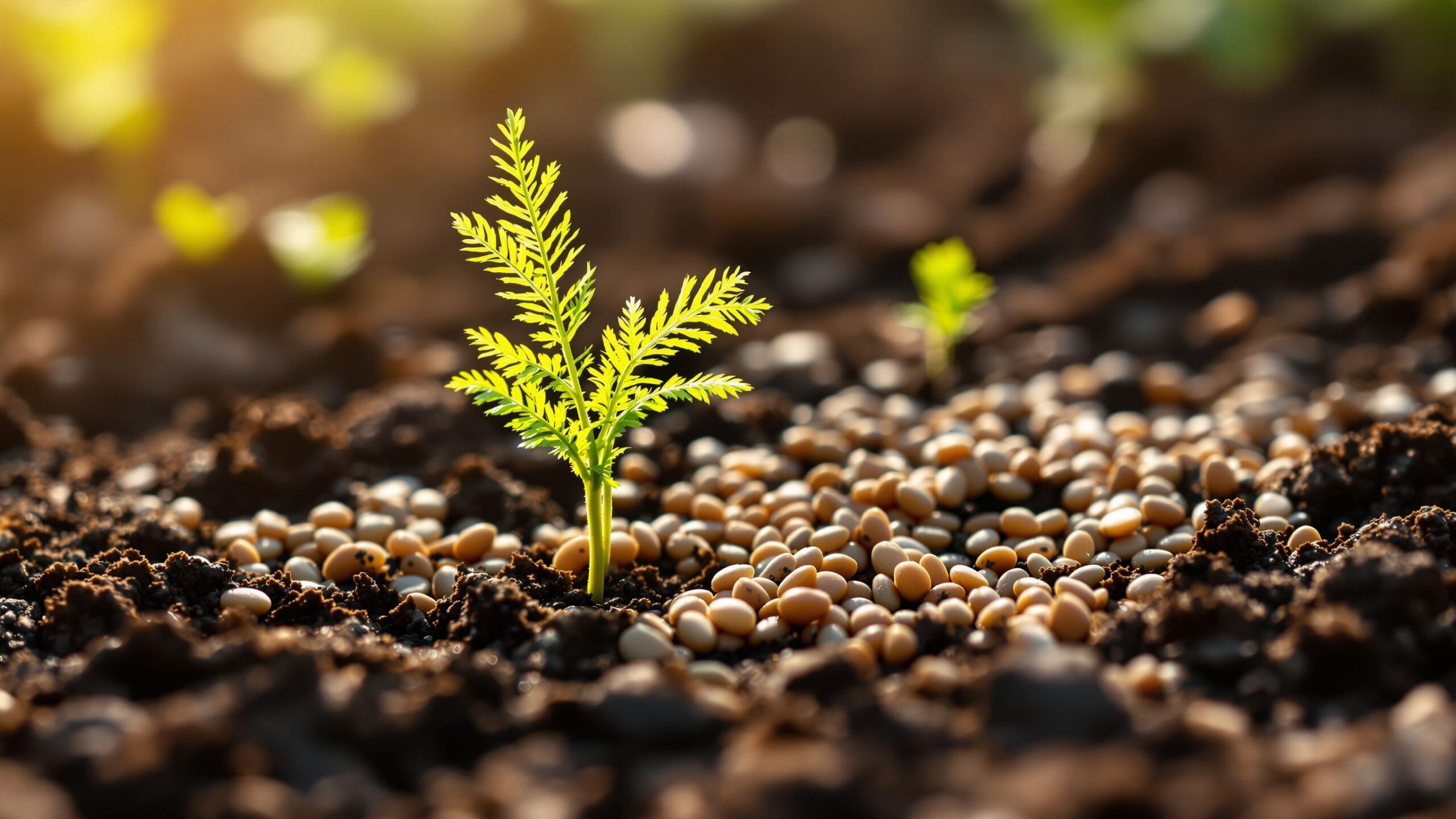
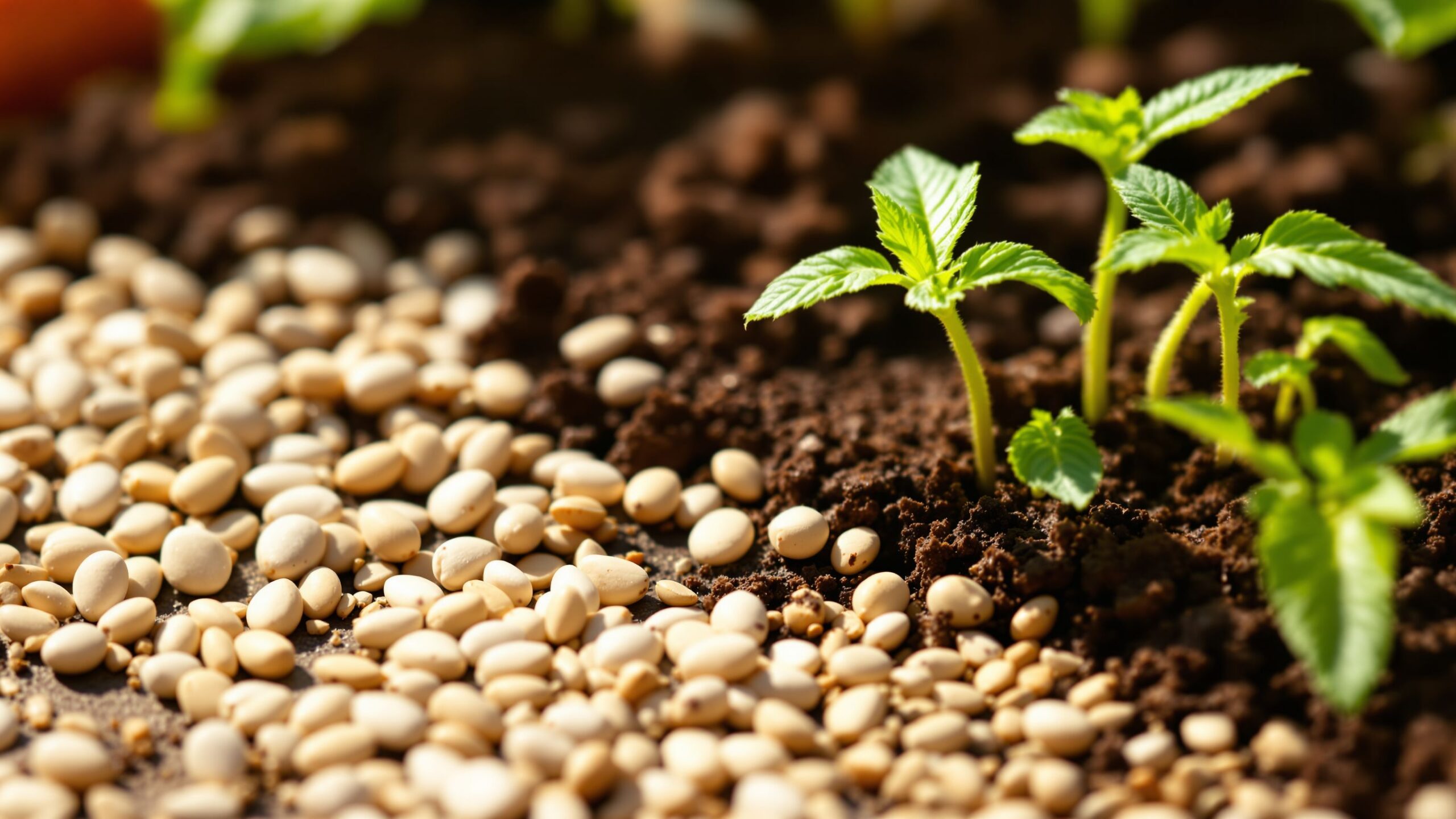
Bell pepper seeds are small, flat, pale cream to light yellow, and usually round or slightly irregular. Inside a mature pepper, they are attached to the pale central tissue known as the placenta, where dozens or even hundreds of seeds may develop. Healthy mature seeds are generally firm and dry rather than dark, soft, or shriveled. The seeds form after the plant’s small flowers are successfully pollinated and fertilized. As the flower develops into a pepper, seeds mature inside the expanding fruit. Peppers have deep roots in the Americas, where Capsicum species were domesticated long before European contact. Centuries of selection eventually produced the large, sweet, thick-walled bell peppers familiar today.
Why Bell Peppers Are Sweet Instead of Hot
Bell peppers belong to the same broader group as many hot peppers, but they have been selected for little to essentially no pungency. Chili heat comes primarily from capsaicinoids such as capsaicin, compounds concentrated largely in the placental tissue of hot peppers. Most bell peppers register around zero Scoville Heat Units, which is why they can be eaten raw, roasted, grilled, sautéed, or stuffed without adding chili heat. Their flavor also changes with maturity. Many green bell peppers are simply immature fruits that eventually ripen to red, yellow, orange, or another mature color, becoming sweeter as they remain on the plant.
Why Grow Bell Peppers From Seed?
Starting bell peppers from seed gives gardeners far more choice than relying only on nursery transplants. Seed catalogs offer varieties selected for unusual colors, compact growth, containers, short seasons, thick walls, sweetness, productivity, or disease resistance. Seeds are also economical when growing multiple plants and give gardeners control over when seedlings are started. Because peppers need considerable time to mature, indoor seed starting provides a valuable head start before outdoor soil and nighttime temperatures become warm enough for planting.
Bell pepper seeds may be open-pollinated, heirloom, or hybrid. Open-pollinated varieties can generally reproduce relatively true to type when unwanted crossing is prevented, while heirlooms are often valued for their history, flavor, appearance, or other distinctive traits. F1 hybrids are intentional crosses that may offer greater uniformity, productivity, or disease resistance, but seeds saved from them may produce offspring different from the parent plant. Peppers can also cross-pollinate with compatible varieties, so gardeners who want reliable saved seed should take precautions when sweet and hot peppers flower nearby.
When and How to Start Bell Pepper Seeds
Bell peppers are commonly started indoors about eight to ten weeks before the expected outdoor transplant date, and especially slow varieties may benefit from an even earlier start. Plant seeds roughly one-quarter inch deep in a light, clean seed-starting mix that holds moisture without becoming waterlogged. One or two seeds per cell is usually enough. If both germinate, the stronger seedling can be kept or the plants can be carefully separated while young.
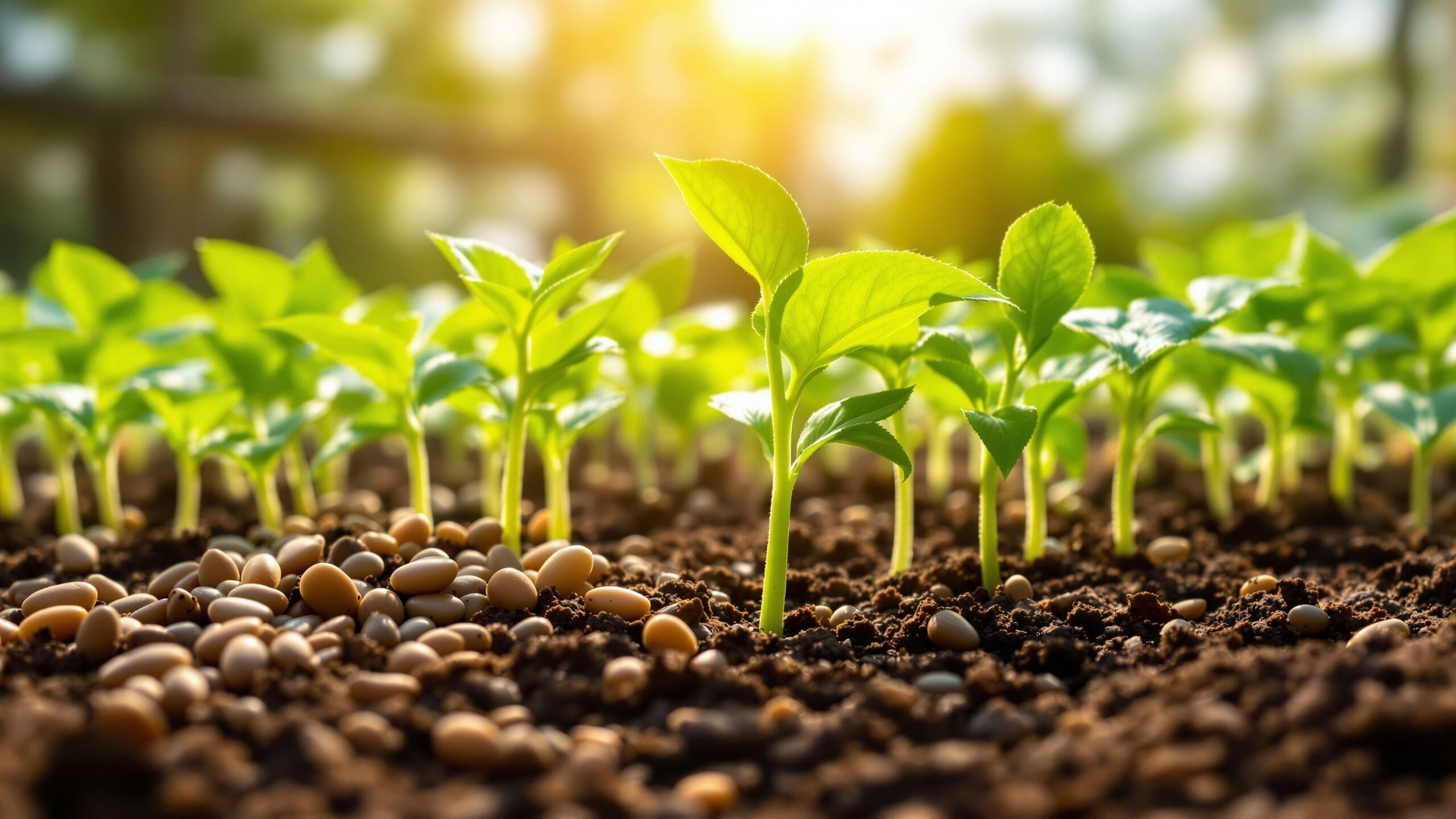
Warmth is one of the most important requirements for germination. Bell pepper seeds generally perform best when the growing medium stays around 75 to 85 degrees Fahrenheit. A seedling heat mat can help maintain warm soil even when the surrounding room is cooler. Under favorable conditions, seeds often germinate in about seven to fourteen days, although some may need two to three weeks. Cool soil, older seed, or inconsistent moisture can slow the process considerably, so gardeners should avoid assuming that a seed has failed after only a few days.
Light, Water, and Early Seedling Care
Pepper seeds do not require strong light to germinate, but seedlings need bright light as soon as they emerge. Weak lighting produces tall, thin, leggy plants, while adequate grow lights encourage shorter stems, broader leaves, and sturdier growth. Crowding can also contribute to stretching, so seedlings should have enough space to receive light evenly.
Keep the seed-starting mix consistently moist during germination without saturating it. Once seedlings emerge, humidity covers should be removed or vented to improve airflow. Bottom watering is useful because the mix can absorb moisture through drainage holes without repeatedly wetting the foliage. After true leaves appear, seedlings growing in nutrient-poor starting mix can receive a lightly diluted balanced fertilizer. Heavy feeding is unnecessary; peppers naturally grow more slowly than tomatoes, and steady healthy development is more important than forcing rapid growth.
Potting Up, Hardening Off, and Transplanting
Pepper seedlings may need larger containers before they are ready for the garden, particularly when they were started many weeks indoors. Pot them up once roots begin filling their original cells and several true leaves have developed. Unlike tomatoes, pepper plants are generally kept near their existing soil depth instead of having large portions of the stem buried.
Before transplanting outdoors, seedlings need time to adjust to sunlight, wind, and changing temperatures. Begin hardening them off in a sheltered, shaded location and gradually increase outdoor exposure over roughly one to two weeks. Bell peppers are warm-season plants, so there is little benefit in rushing them into cold soil. Wait until frost danger has passed and nighttime temperatures are reliably mild. A healthy transplant placed into genuinely warm conditions can quickly outperform a pepper planted too early and left struggling in chilly soil.
The Best Growing Conditions for Bell Peppers
Bell peppers perform best in fertile, well-drained soil with plenty of sunlight. Full sun supports strong growth, flowering, and fruit production, with six to eight or more hours of direct light being a useful target. In extremely hot regions, some late-afternoon protection may reduce sunscald, but peppers still need abundant overall light.
Consistent moisture is equally important. Pepper plants dislike repeated cycles of severe wilting followed by heavy watering. Deep irrigation, good drainage, and mulch can help maintain steadier moisture around the roots. Containers may require more frequent watering because they dry faster than garden beds. Excessively wet soil is also harmful because roots need oxygen. The goal is steady moisture rather than permanently saturated ground.
Bell Pepper Colors and Popular Varieties
One of the most interesting features of bell peppers is their range of colors. Many fruits begin green and later ripen to red, yellow, orange, purple, brown, or another shade depending on genetics. Green peppers can be harvested earlier for their crisp, slightly grassy flavor, while fully colored peppers usually become sweeter as they ripen.
Red bells are often fully mature versions of peppers that started green, while yellow and orange varieties offer bright color and mild sweetness. Purple peppers can develop striking dark pigmentation, although some change color again as they reach full maturity. Chocolate bell peppers ripen to rich brown or reddish-brown shades, and miniature bell peppers produce small sweet fruits that work well for snacking, salads, roasting, and containers. Gardeners in short-season climates can choose earlier varieties, while those growing in intense heat may benefit from cultivars selected for better heat tolerance.
Growing Bell Peppers in Containers
Bell peppers adapt well to container growing when given enough root space, sunlight, drainage, and nutrition. Compact or moderately sized varieties are particularly convenient. Larger containers hold moisture more consistently than very small pots and provide room for a healthier root system. Because container plants depend entirely on the soil and nutrients available in the pot, they may need regular feeding during active growth. Plants carrying several large fruits can also become top-heavy, so stakes or small cages may prevent branches from bending or breaking.
Flowers, Pollination, and Fruit Production
Bell pepper plants usually produce small white flowers containing both male and female reproductive structures, allowing a single plant to set fruit without another variety nearby. Wind, movement, and insects can assist pollination. Not every blossom becomes a pepper, however. Extreme heat, cold temperatures, drought, overwatering, excessive nitrogen, and other stresses can cause flowers to drop before fruit develops.
Peppers naturally grow more slowly than many garden vegetables, particularly during cool weather. Young plants may seem almost stalled while roots are developing. Providing warmth, adequate light, appropriate moisture, and patience is usually more useful than adding excessive fertilizer. Once warm summer conditions arrive, healthy plants can accelerate rapidly and begin carrying multiple developing fruits.
Common Bell Pepper Problems
Several growing problems can affect pepper plants. Yellow seedlings may be experiencing excessive moisture, weak light, nutrient problems, or root stress, while purple coloring can sometimes result from genetics, cool temperatures, or reduced nutrient uptake in cold soil. Leaf curling may occur after heat stress, inconsistent watering, intense lighting, pest activity, or sudden environmental changes.
Aphids, flea beetles, spider mites, cutworms, pepper weevils, and other pests may attack plants depending on the region. Bell peppers can also experience bacterial spot, anthracnose, Phytophthora blight, viruses, damping-off, and other diseases. Good drainage, crop rotation, clean seed-starting practices, appropriate spacing, resistant varieties, and regular inspection help reduce problems.
Blossom-end rot appears as a dark, sunken area near the bottom of developing fruit and is associated with inadequate calcium reaching the tissue, often because inconsistent watering disrupts nutrient movement. Sunscald can occur when fruits are suddenly exposed to intense sunlight, especially after foliage loss. Healthy leaves are valuable because they produce energy and naturally shade developing peppers, so heavy pruning is generally unnecessary.
Harvesting Bell Peppers
Green bell peppers can be harvested once they reach a useful size, develop thick walls, and feel firm. Gardeners who prefer sweeter peppers can leave fruits on the plant until they develop their mature color. Because fully ripening a pepper requires additional time and energy, plants harvested frequently at the green stage may produce a greater quantity of fruit, while allowing peppers to color provides sweeter flavor. Many gardeners use a combination of both approaches.
Use scissors or pruners when harvesting rather than pulling forcefully because pepper branches can be brittle. Regular harvesting can encourage the plant to continue directing resources toward flowers and developing fruits. In favorable conditions, healthy plants may continue producing until cold weather ends the season.
Saving and Storing Bell Pepper Seeds
Seeds can be saved from fully mature bell peppers, especially when the plant is a known open-pollinated variety. A completely ripened fruit is preferable because seeds inside immature green peppers may not be fully developed. Cut the mature pepper open, remove the seeds from the central tissue, and spread them in a single layer to dry thoroughly. Unlike tomato seeds, bell pepper seeds generally do not require fermentation.
Once dry, seeds should be stored somewhere cool, dark, and dry. Paper envelopes are convenient for labeling individual varieties and can be placed inside a larger airtight container when humidity is a concern. Properly stored pepper seed can remain viable for several years, although germination gradually declines with age. Older seeds can be tested on a moist paper towel kept in warm conditions before an entire planting is started.
Nutrition and Uses for Bell Peppers
Bell peppers are especially well known for vitamin C and also provide fiber, vitamin A precursors, folate, and a variety of plant pigments and other nutrients. Nutritional composition changes with variety and maturity, so green and fully ripened peppers have somewhat different profiles. Red peppers, for example, often contain higher levels of certain carotenoids and develop a sweeter flavor as they mature.
Their culinary versatility is one reason bell peppers remain so popular. They can be sliced raw for salads and vegetable trays, diced into omelets or salsas, sautéed for sandwiches and stir-fries, grilled, roasted, or baked. Their hollow shape makes large blocky varieties particularly useful for stuffing. Peppers can also be frozen for cooked dishes or dehydrated for soups, sauces, stews, and seasoning blends.
Why Bell Pepper Seeds Are Worth Growing
Growing bell peppers from seed requires more patience than many common vegetables, but it also provides far more choice. A tiny pale seed can become a branching plant covered with glossy foliage, small white flowers, and eventually thick-walled fruits in an impressive range of colors. Starting from seed lets gardeners choose varieties suited to containers, unusual colors, short seasons, sweetness, productivity, or specific garden conditions rather than settling for whatever transplants happen to be available locally.
The process is straightforward once the plant’s preferences are understood: start early, provide warm soil for germination, give seedlings strong light, wait for genuinely warm weather before transplanting, and maintain consistent moisture throughout the season. With those basics in place, Capsicum annuum can provide a long, colorful harvest and one of the most satisfying transformations from seed to table.
Garden Product Reviews
Step into Mossy Streets’ Garden Product Reviews — your go-to guide for the best tools, gear, gifts, books, and garden gadgets rooted in nature. From blooming backyard beauties to lush indoor jungles, from heirloom seeds to high-tech composters, we dig into top-rated products for green thumbs, beginners, educators, and plant lovers alike. Whether you’re planting, pruning, decorating, or simply enjoying your green space, we’ve unearthed the best so you can grow, bloom, and thrive — all in one vibrant place!