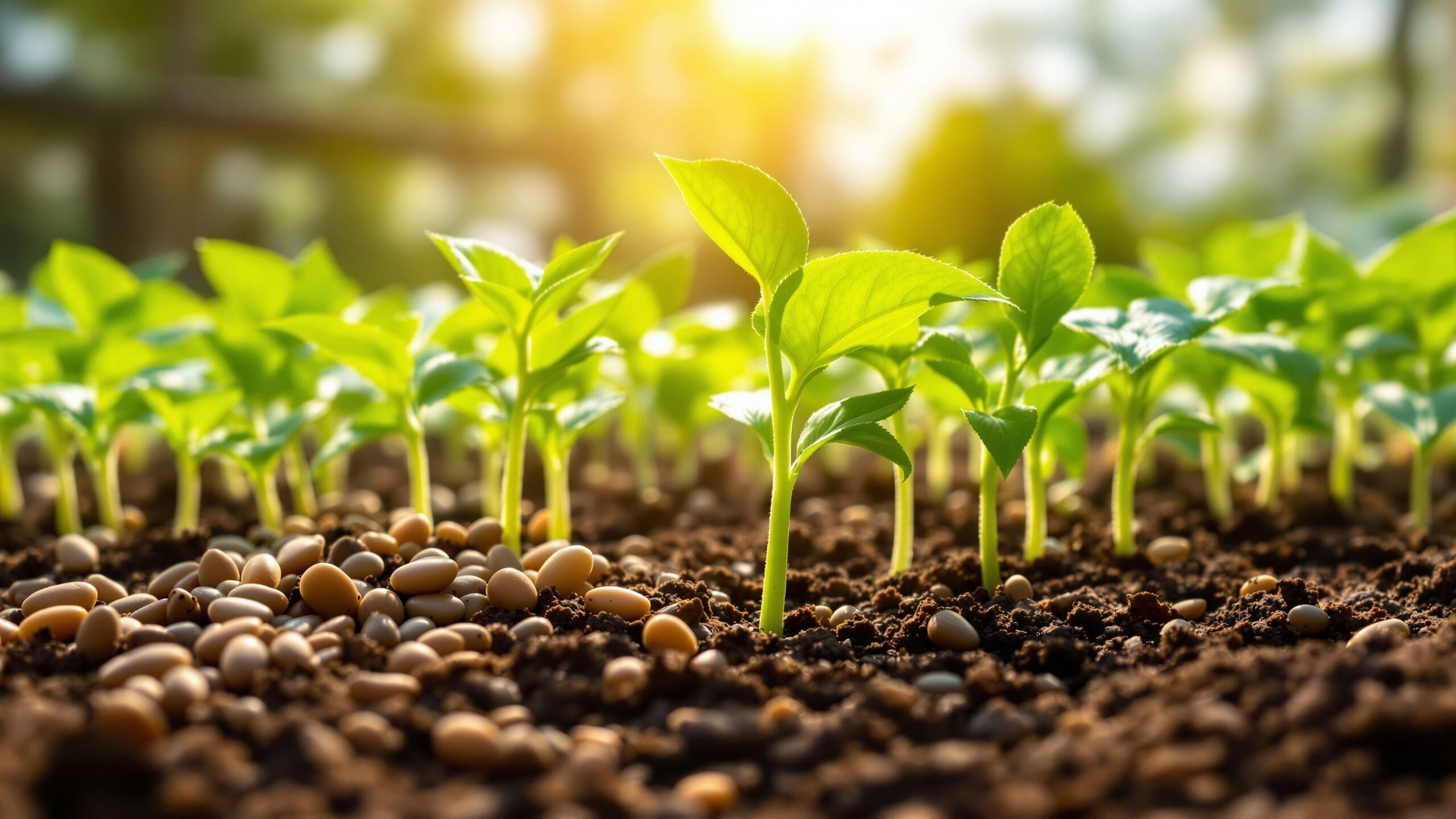
Carrot seeds may be tiny, but they grow into one of the most familiar and surprisingly diverse vegetables in the garden. The cultivated carrot, Daucus carota subsp. sativus, belongs to the same plant family as parsley, celery, dill, cilantro, fennel, and parsnips. Although gardeners usually harvest carrots during their first season, the plants are actually biennials. During year one they develop leafy growth and store energy in an enlarged taproot; if allowed to survive into a second season, they flower and produce seed. Carrots are not limited to orange, either. Depending on the variety, roots may mature in shades of purple, yellow, white, red, or nearly black, with shapes ranging from long and slender to short, thick, or almost round.
A: Carrots are commonly planted during cool growing periods, with spring and late-summer sowings possible depending on the local climate.
A: Sow them shallowly, generally about 1/4 inch deep.
A: Germination can take roughly one to three weeks depending on soil temperature, moisture, seed freshness, and growing conditions.
A: Direct sowing is usually preferred because disturbing a young carrot's developing taproot can interfere with root formation.
A: Drying soil, unsuitable temperatures, old seed, or planting too deeply can all contribute to poor germination.
A: Usually, yes. Proper spacing gives individual roots enough room to reach their expected size.
A: Yes. Choose containers deep enough for the variety being grown, or select shorter varieties designed for limited soil depth.
A: Compacted soil, stones, root disturbance, and other growing stresses can contribute to irregularly shaped roots.
A: Yes, but carrots are biennial, so selected plants normally need to survive long enough to flower and produce seed during their second growing season.
A: Yes, although their tiny seeds and slower germination make consistent moisture, loose soil, and proper thinning especially important.
What Carrot Seeds Look Like and Where They Come From
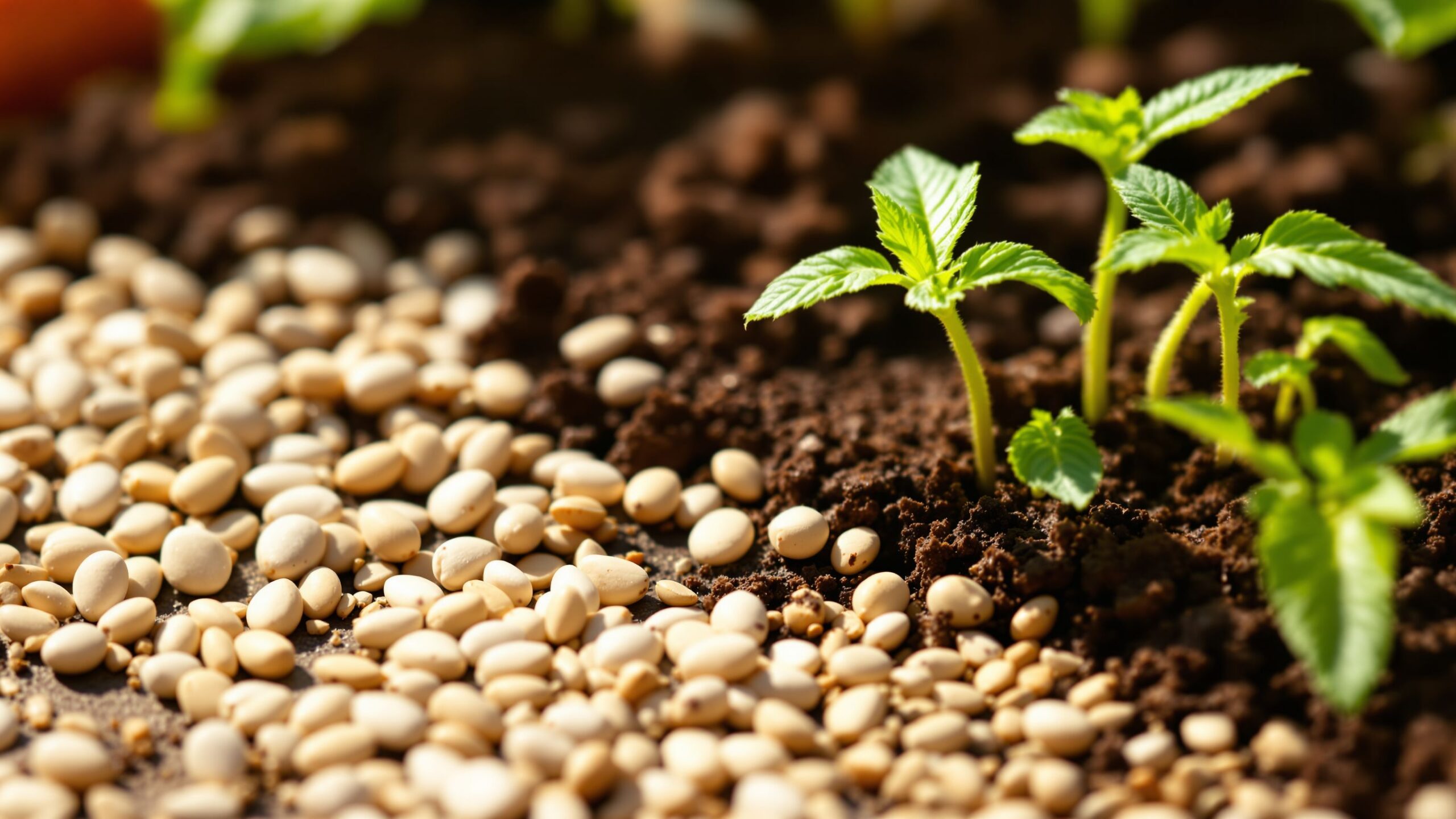
Carrot seeds are small, narrow, irregularly shaped, and usually tan to grayish brown, with a rough or ridged surface. Their tiny size can make them difficult to space evenly, which is why pelleted seed and biodegradable seed tape are popular alternatives for gardeners who want more control at planting time. Carrot seeds are produced by second-year flowers rather than inside the edible root. After exposure to winter cold, a surviving carrot can send up a tall stalk topped with umbrella-shaped clusters of small white flowers called umbels. Once pollinated, those flowers develop seed. This two-year cycle makes saving carrot seed more involved than saving seed from vegetables that flower and fruit during their first season.
Why Carrots Are Best Grown From Seed
Carrots are usually direct-sown because transplanting can disturb the young taproot and lead to forked, twisted, or misshapen roots. Planting the seed directly where the carrot will mature allows the root to grow downward naturally from the beginning. Growing from seed also gives gardeners access to far more choices than the standard orange grocery-store carrot, including Nantes, Imperator, Danvers, Chantenay, round varieties, rainbow mixes, and carrots in purple, yellow, white, and red. Shorter types can be especially useful in containers or heavier soils, while long varieties perform best where the soil is deep, loose, and free of stones.
When and How to Plant Carrot Seeds
Carrots are cool-season vegetables that can generally be sown in early spring once the soil is workable, with additional plantings made during suitable weather for a longer harvest. They can also be planted in summer for a fall crop, and cooler autumn conditions can improve sweetness. Sow the seeds shallowly, around one-quarter inch deep, in a finely prepared seedbed. Because the seeds are so small, it is easy to plant too many in one spot. Pelleted seeds, seed tape, or carefully distributing the seed can reduce crowding, although most plantings still require some thinning after germination. Variety-specific spacing should always be checked on the seed packet, but full-sized carrots commonly need enough room for each root to expand without competing with its neighbors.
Soil, Sunlight, and Water for Healthy Carrots
Loose, deep, well-drained soil is one of the biggest factors in producing attractive carrots. Rocks, hard clods, compacted clay, or other obstacles can force developing roots to fork, bend, or remain short. Before planting, loosen the bed, remove stones, and create a fine surface that gives the tiny seeds good contact with the soil. Raised beds are especially useful when native soil is heavy or compacted. Carrots generally grow best in full sun, although they can tolerate some partial shade. Balanced fertility is preferable to heavy feeding because excessive nitrogen may encourage impressive leafy tops without equally strong root development. Well-finished compost can improve soil structure, while large amounts of fresh manure are best avoided immediately before planting.
Moisture is especially important during germination because carrot seeds sit close to the surface, where soil dries quickly. They commonly take about one to three weeks to emerge, so the upper layer of soil should remain consistently moist throughout that period without becoming waterlogged. Gentle watering prevents seeds from washing away or being buried too deeply. Once plants are established, watering can become deeper and less frequent, but consistency still matters. Severe drought followed by heavy watering can contribute to cracked or split roots.
Germination, Thinning, and Early Growth
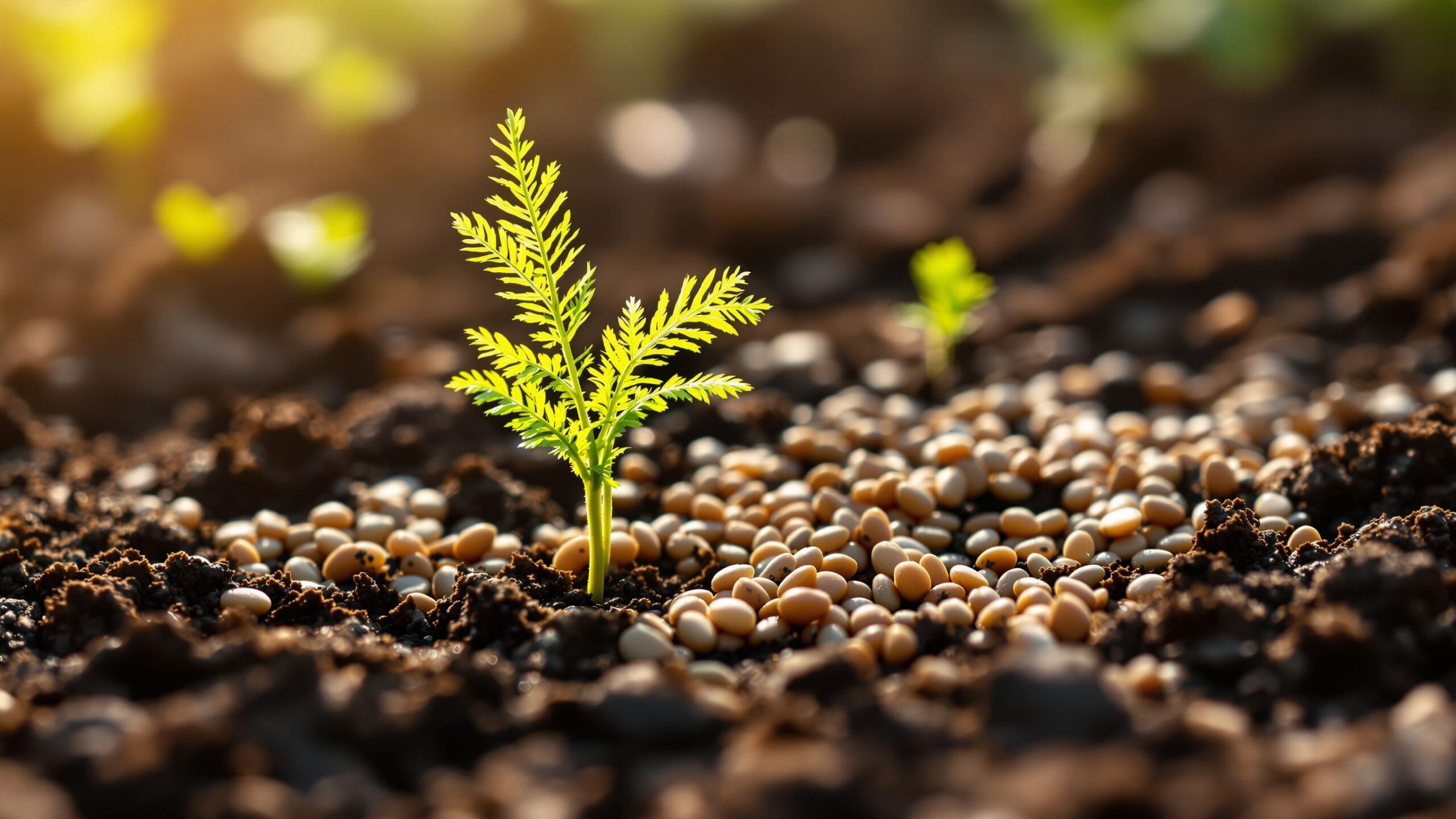
New carrot seedlings are extremely delicate and may initially resemble tiny blades of grass before developing their familiar feathery foliage. Because germination is slow, marking the row can prevent seedlings from being mistaken for weeds. Some gardeners sow a small number of fast-growing radishes alongside carrots because the radishes appear sooner, identify the row, and can usually be harvested before the carrots need the extra space.
Once seedlings are large enough to identify, thinning becomes important. Crowded carrots compete for water, nutrients, sunlight, and root space, often resulting in small or distorted roots. Thin carefully while the soil is moist, either pulling unwanted seedlings straight upward or clipping them at soil level when roots are tightly crowded. Replanting thinned seedlings is possible, but disturbing the taproot can produce misshapen carrots, so direct sowing and careful thinning generally give better results.
Popular Carrot Types and Colors
Different carrot types are suited to different gardens. Nantes carrots are known for cylindrical roots, blunt tips, crisp texture, and sweetness. Imperator carrots are long and tapered and need deep, loose soil to reach their best shape. Danvers types are broader at the shoulder and can handle less-than-perfect soil better than many long varieties, while Chantenay carrots are shorter and sturdier, making them useful for heavier soil and containers. Round carrots are another good choice for shallow growing spaces.
Color offers even more variety. Purple carrots may contain anthocyanin pigments and can have contrasting orange, yellow, or white centers. Yellow and white carrots provide milder colors and flavors, while red varieties may contain pigments such as lycopene. So-called black carrots are generally very dark purple. Rainbow seed mixes combine several colors and shapes in one planting, although the individual varieties may mature at slightly different times.
Growing Carrots in Containers and Raised Beds
Carrots can grow very successfully in containers as long as the container is deep enough for the selected variety. Long Imperator types require significantly more depth than Chantenay, miniature, or round carrots. A loose potting mix and good drainage help roots develop without encountering the compacted conditions that cause distortion. Containers dry faster than garden beds, so moisture needs to be monitored carefully.
Raised beds are another excellent option because the soil can be loosened deeply, stones can be removed easily, and drainage is usually good. Avoid stepping into the growing area and compacting the soil. Matching the carrot variety to the available soil depth is more effective than trying to force a long-rooted variety to grow in a shallow or dense bed.
Common Carrot Problems and How to Prevent Them
Misshapen carrots often reveal what happened underground. Forked roots can result from compacted soil, stones, root injury, pests, or unsuitable fresh organic amendments. Short, thick roots may indicate shallow or dense soil, while excessive fine side roots can be associated with stress, inconsistent moisture, or overly rich conditions. Splitting is often linked to a dry period followed by sudden abundant water. Carrot shoulders exposed above the soil may turn green and taste stronger, so lightly covering exposed tops can help.
Pests and diseases vary by region. Carrot rust fly larvae can tunnel into roots, while carrot weevils, wireworms, cutworms, and aphids may also cause problems. Leaf blights, bacterial diseases, and root rots can occur as well. Crop rotation, good drainage, airflow, sanitation, and appropriate physical barriers can reduce risk. When a regional pest becomes a recurring problem, local growing guidance can help with planting times and prevention strategies.
Harvesting and Storing Carrots
Carrots can often be harvested before they reach their listed full maturity, so size and taste are useful guides. Check the shoulder at the soil surface and pull a test carrot once it reaches a desirable diameter. Moistening or loosening the soil before harvest can make long roots easier to remove without snapping. In cool weather, mature carrots can sometimes remain in the ground temporarily, particularly when protected with mulch, although prolonged wet soil, severe freezing, and pests can eventually damage them.
After harvest, remove the leafy tops so they do not continue drawing moisture from the roots. Fresh carrots store best under cool, humid conditions and can be refrigerated for home use. They can also be frozen, pickled, dehydrated, or preserved using an appropriate tested method. Because carrots are low-acid vegetables, shelf-stable canning requires proper pressure-canning procedures rather than ordinary boiling-water canning unless they are part of a tested acidified recipe.
Saving and Storing Carrot Seeds
Saving carrot seed takes patience because the plant normally needs two growing seasons. Gardeners who want predictable offspring should begin with healthy open-pollinated varieties and allow selected roots to survive winter or store and replant them where necessary. After sufficient cold exposure, the plants flower and eventually form dry seed heads. Mature umbels can be collected, dried thoroughly, and rubbed gently to release the seeds.
Carrots can cross-pollinate with other flowering carrot varieties and with wild carrot, commonly called Queen Anne’s lace, so maintaining a pure variety may require significant isolation. Once harvested, seeds should be kept cool, dry, dark, and clearly labeled. Carrot seed tends to have a shorter useful storage life than tomato seed, with good germination often expected for roughly two to three years under ordinary cool, dry storage, although viability can last longer under excellent conditions. Older seed can be tested on a moist paper towel before planting.
Nutrition, Flavor, and the Appeal of Growing Carrots
Orange carrots are well known for beta-carotene, which the body can convert into vitamin A, while other carrot colors contain different combinations of plant pigments. Purple varieties often contain anthocyanins, red carrots may contain lycopene, and yellow carrots contain other carotenoids. Carrots also provide fiber and a variety of vitamins and minerals. Cool weather can make roots taste sweeter because the plant converts some stored carbohydrates into sugars, which is one reason fall-grown carrots can have especially good flavor.
The most rewarding part of growing carrots may be the transformation that happens almost entirely underground. A tiny seed disappears beneath a thin layer of soil, a delicate seedling eventually appears, and weeks later a colorful storage root is waiting below the surface. With loose soil, steady moisture during germination, proper thinning, and a variety suited to the growing space, carrots can produce a productive and colorful harvest from one of the smallest seeds in the vegetable garden.
Garden Product Reviews
Step into Mossy Streets’ Garden Product Reviews — your go-to guide for the best tools, gear, gifts, books, and garden gadgets rooted in nature. From blooming backyard beauties to lush indoor jungles, from heirloom seeds to high-tech composters, we dig into top-rated products for green thumbs, beginners, educators, and plant lovers alike. Whether you’re planting, pruning, decorating, or simply enjoying your green space, we’ve unearthed the best so you can grow, bloom, and thrive — all in one vibrant place!