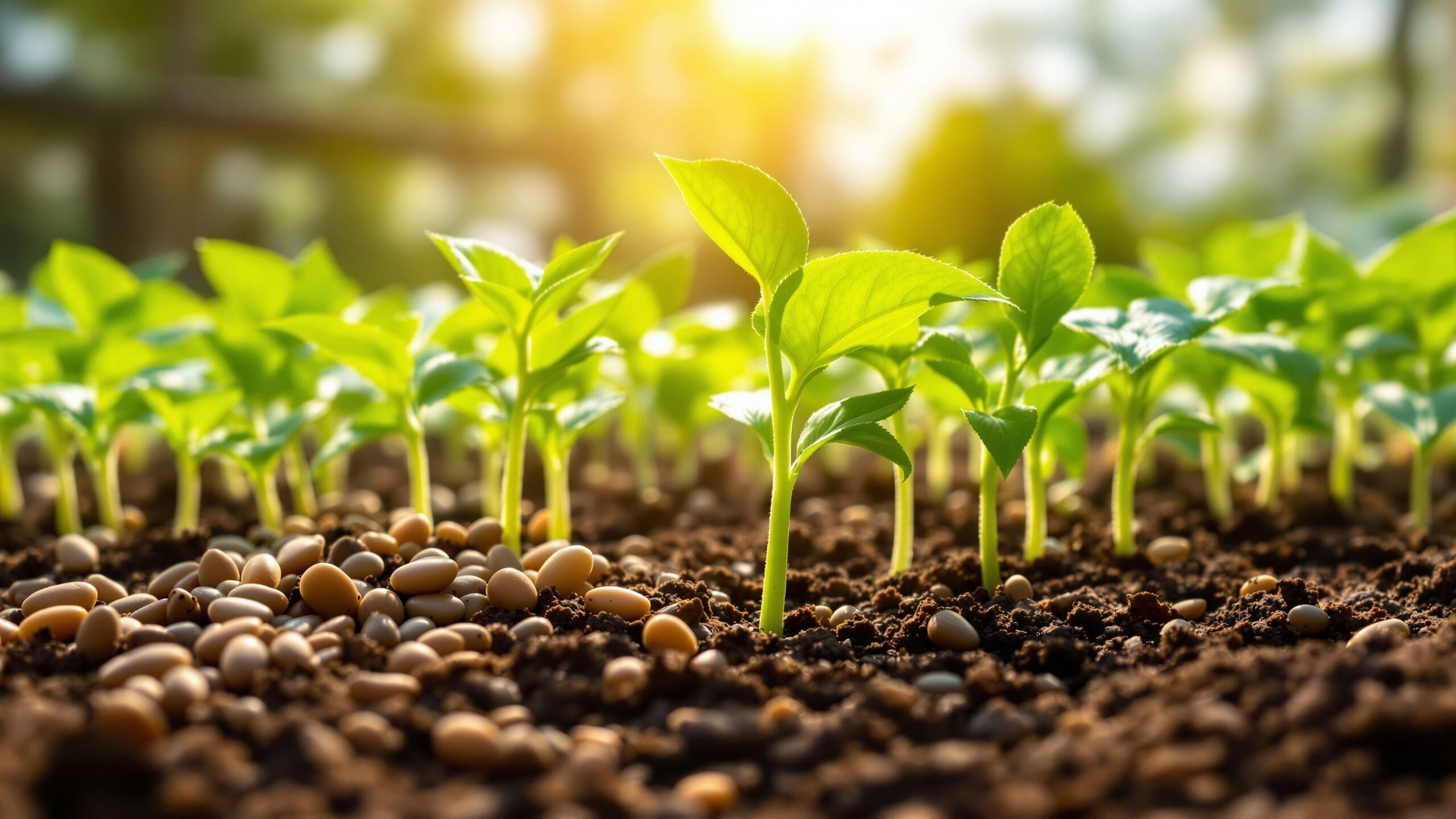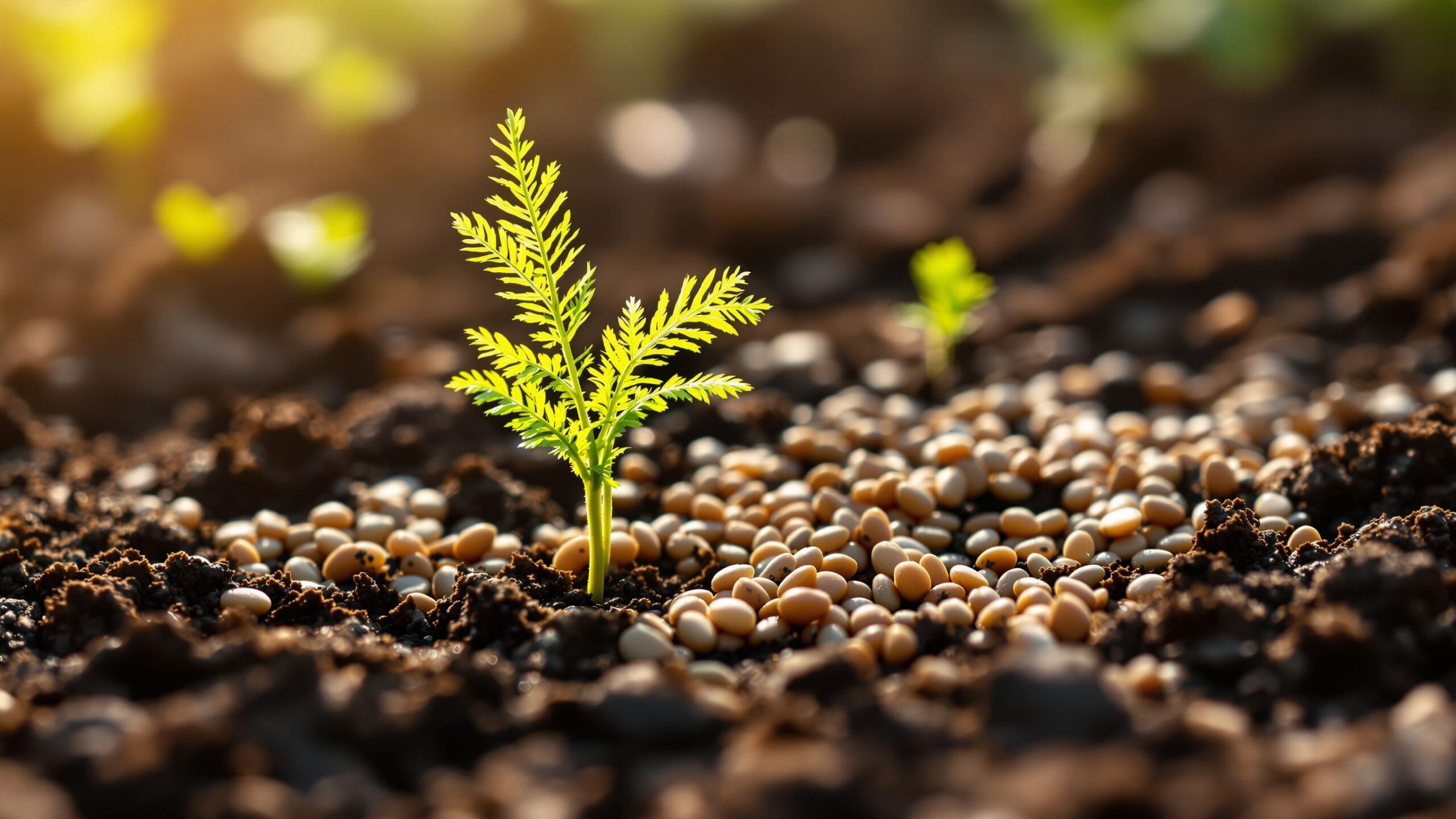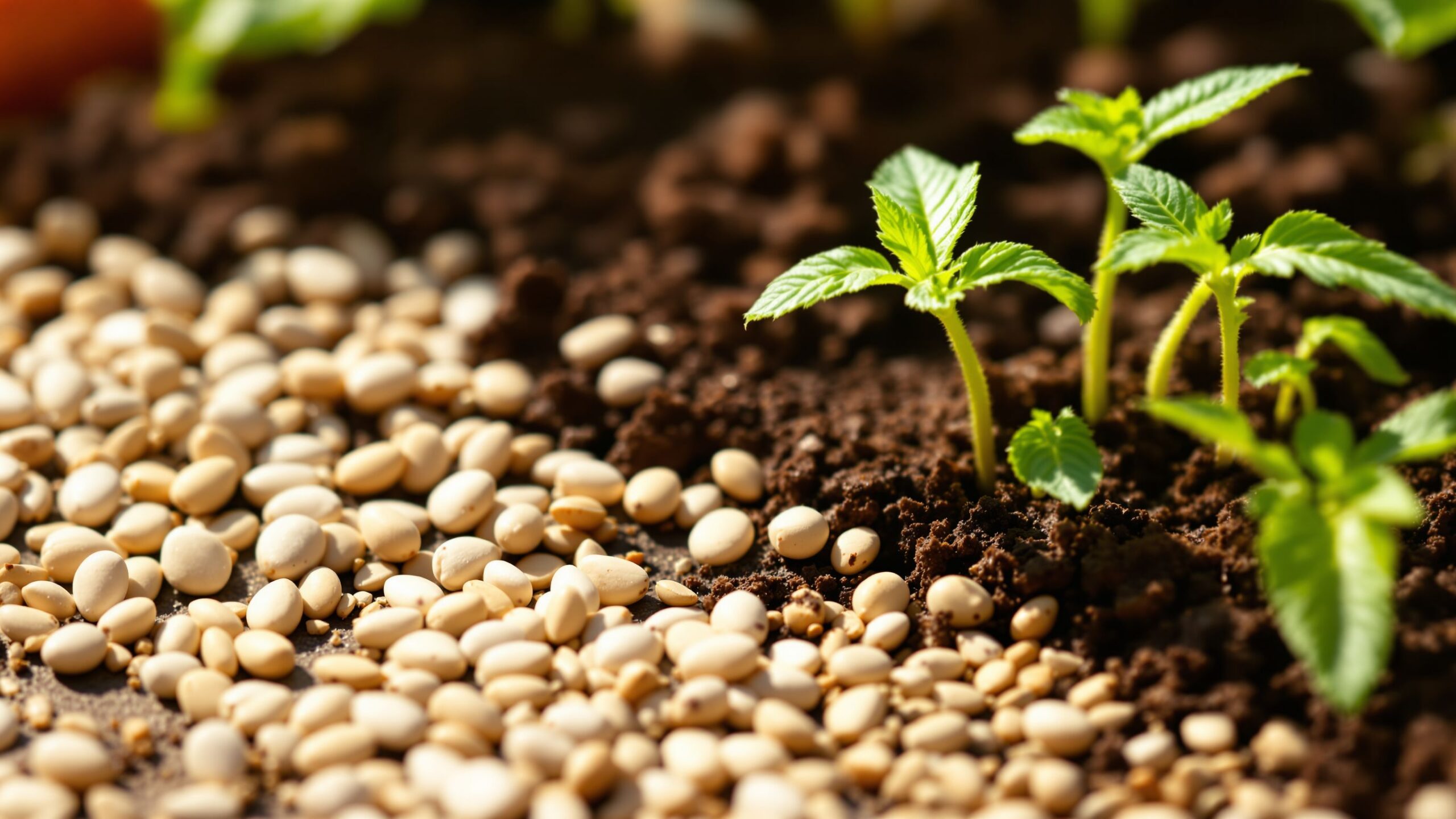
Tomato seeds are small, pale, and easy to overlook, yet each one contains everything needed to begin one of the most productive plants in the vegetable garden. Tomatoes, botanically classified within Solanum lycopersicum, belong to the nightshade family alongside peppers, eggplants, and potatoes. From a single seed can grow a sprawling cherry tomato, a compact container plant, a meaty paste variety, or a towering vine covered with large slicing tomatoes. Growing from seed gives gardeners access to far more varieties than are typically available as nursery transplants and makes it possible to choose plants for flavor, color, size, disease resistance, growth habit, and local conditions.
A: Many gardeners start them about six to eight weeks before their area's average last frost date.
A: Planting them approximately 1/4 inch deep generally works well.
A: Under favorable warm and moist conditions, germination often occurs within about one to two weeks.
A: Light is not usually necessary for germination itself, but seedlings need strong light immediately after emerging.
A: Leggy growth is commonly caused by insufficient light or light being positioned too far from the seedlings.
A: Yes. Open-pollinated and heirloom varieties are especially useful for seed saving when you want similar plants the following season.
A: They may germinate, but the resulting plants and fruit may not match the original tomato, particularly if it was a hybrid.
A: Dry them thoroughly and keep them labeled in a cool, dry, dark location protected from moisture.
A: Wait until frost danger has passed and conditions have warmed, then gradually harden the seedlings off before transplanting.
A: Yes. With warmth, moisture, strong light, and proper transplanting, tomatoes are an excellent seed-starting project for home gardeners.
What Tomato Seeds Look Like and Where They Come From
Tomato seeds are small, flat, oval to slightly pointed, and usually pale tan or beige. Fresh seeds are surrounded by a slippery gel inside the fruit. That coating helps protect the seed while it develops and contains compounds that can delay germination until conditions are suitable. A single tomato may contain dozens or even hundreds of seeds depending on its size and variety.
Seeds develop after tomato flowers are pollinated and the fruit begins forming. Tomatoes are largely self-pollinating because each flower contains both male and female reproductive structures, although insects and movement can help release pollen. Once fertilization occurs, the flower develops into fruit while the seeds mature inside. When the tomato reaches full ripeness, mature seeds can be collected, cleaned, dried, and stored for future planting.
Why Grow Tomatoes From Seed?
Starting tomatoes from seed dramatically expands the number of varieties available to a gardener. Local garden centers may carry only a few popular hybrids, while seed catalogs offer cherry tomatoes, paste tomatoes, beefsteaks, dwarf plants, unusual heirlooms, and fruits in red, pink, yellow, orange, green, purple, striped, and nearly black shades. Gardeners can also select varieties specifically suited to containers, short growing seasons, disease pressure, heat, or particular culinary uses.
Seeds are economical when many plants are needed, and starting them indoors gives gardeners control over timing and early growing conditions. It also makes seed saving possible. Open-pollinated and heirloom tomatoes can generally produce offspring similar to the parent when unwanted crossing is avoided, while F1 hybrids may produce genetically varied plants when their seeds are saved. For gardeners who want to preserve a favorite variety year after year, open-pollinated tomatoes are usually the most predictable choice.
When and How to Start Tomato Seeds
Tomato seeds are commonly started indoors several weeks before the expected outdoor transplant date. Starting too early can produce oversized, root-bound plants, while starting too late may delay flowering and harvest. The best timing depends on the local climate, the variety, and when outdoor temperatures become reliably warm.
Plant tomato seeds about one-quarter inch deep in a clean, lightweight seed-starting mix. One or two seeds per cell is usually enough. Keep the mix evenly moist but not soaked, and provide warmth during germination. Tomato seeds generally sprout more quickly than pepper seeds, often emerging within roughly a week under favorable conditions, although cooler temperatures or older seed can slow the process. A humidity cover can help retain moisture before germination, but it should be removed or vented after seedlings emerge to improve airflow.
Light, Water, and Healthy Seedling Growth
Tomato seeds do not require strong light while they are still beneath the soil, but seedlings need bright light immediately after emergence. Weak lighting causes thin, stretched stems as plants reach toward the light. Strong, consistent grow lights help produce shorter, sturdier seedlings with healthy foliage. If natural window light is used, plants may need to be rotated regularly to reduce leaning.
Water seedlings carefully and allow the growing mix to remain moist without staying saturated. Constantly wet soil can deprive roots of oxygen and encourage disease, while allowing tiny seedlings to dry completely can quickly damage them. Bottom watering can help keep foliage dry and encourage roots to grow through the container. Once true leaves appear, seedlings growing in nutrient-poor starting mix may benefit from a lightly diluted fertilizer. Tomatoes grow quickly under favorable conditions, so they often need larger containers before they are ready to move outdoors.
Potting Up and Burying Tomato Stems
One useful characteristic of tomatoes is their ability to develop additional roots along buried portions of the stem. If a seedling becomes tall or outgrows its original container, it can often be transplanted more deeply when moved into a larger pot. Removing the lowest leaves and burying part of the stem can create a larger root system and provide better support.
This ability also helps when transplanting tomatoes into the garden. A tall seedling can be planted deeper than it grew in its nursery container, provided healthy leaves remain above the soil. Tomatoes differ from peppers in this respect, because tomato stems readily form adventitious roots. Even so, strong light and appropriate spacing should be used from the beginning so seedlings grow sturdy rather than becoming excessively leggy.
Hardening Off and Transplanting Outdoors
Indoor-grown tomato seedlings need gradual exposure to outdoor conditions before permanent planting. Begin hardening them off in a protected, shaded location for short periods, then slowly increase their exposure to direct sunlight, wind, and outdoor temperature changes over approximately one to two weeks. Moving tender seedlings directly from indoor lighting into intense sun can scorch the leaves.
Tomatoes are warm-season plants and should be transplanted after frost danger has passed and conditions have become reliably mild. Cold soil can slow growth and leave young plants stressed. Choose a location with abundant sunlight and well-drained soil, and give each plant enough space for airflow and its mature growth habit. Indeterminate varieties can become very large, while determinate and dwarf tomatoes are often easier to manage in smaller gardens and containers.
Determinate and Indeterminate Tomatoes
Tomato varieties are commonly described as determinate or indeterminate. Determinate tomatoes grow to a more limited size and tend to produce much of their crop during a concentrated period. This growth habit can be useful for containers, small spaces, and gardeners who want a large harvest for sauces or preservation.
Indeterminate tomatoes continue growing, flowering, and producing fruit throughout the season until cold weather or disease stops them. These plants often become tall vines and usually need substantial support. Many cherry tomatoes and large heirloom slicers have indeterminate growth habits. Neither type is automatically better; the right choice depends on available space, desired harvest pattern, and how the tomatoes will be used.
Cherry, Beefsteak, Paste, and Heirloom Tomato Seeds
Cherry tomato seeds produce plants with small fruits that often ripen quickly and abundantly. They are popular for snacking, salads, containers, and beginner gardens because many varieties are vigorous and productive. Beefsteak tomatoes produce much larger fruits valued for sandwiches and slicing, although their size can mean fewer individual tomatoes and a longer wait for ripening.
Roma and other paste tomatoes usually have dense flesh and less watery interiors, making them useful for sauces, canning, and cooking. Heirloom tomatoes are open-pollinated varieties preserved across generations for qualities such as flavor, appearance, history, or regional importance. They may produce fruits with unusual shapes and colors that are rarely seen in supermarkets. Hybrid varieties, meanwhile, are often bred for traits such as disease resistance, uniformity, productivity, or durability.
Soil, Sunlight, and Water for Tomato Plants
Tomatoes perform best in fertile, well-drained soil with plenty of organic matter and abundant sunlight. Full sun encourages sturdy growth, flowering, and fruit development. A soil test can help identify nutrient or pH issues before planting, while compost can improve soil structure and fertility.
Consistent watering is important throughout the growing season. Large swings between very dry and extremely wet soil can stress plants and contribute to fruit problems. Deep watering encourages a strong root system, while mulch helps reduce evaporation and moderate soil moisture. When possible, water near the base rather than repeatedly soaking the foliage, especially in regions where leaf diseases are common. Container-grown tomatoes usually need more frequent watering because pots dry much faster than garden soil.
Supporting and Pruning Tomato Plants
Many tomato plants benefit from cages, stakes, trellises, or other support. Indeterminate varieties in particular can become heavy as vines lengthen and fruit develops. Installing support early helps prevent sprawling stems and reduces the chance of damaging established roots later.
Pruning depends on the variety and growing system. Indeterminate tomatoes are sometimes pruned by removing selected suckers, which are shoots that develop where leaves meet the main stem. Moderate pruning can improve airflow and make large vines easier to manage, but excessive pruning removes leaves that the plant needs for photosynthesis and fruit protection. Determinate tomatoes generally require less pruning because removing too much growth can reduce their concentrated crop.
Flowers, Pollination, and Fruit Development
Tomato flowers are usually yellow and capable of self-pollination. Wind, insects, or gentle movement can help shake pollen loose inside the flower. Once pollination succeeds, a tiny green tomato begins forming where the flower was attached. Temperature can strongly affect this process. Extreme heat or cold may interfere with pollination and cause flowers to drop without setting fruit.
After fruit forms, it gradually increases in size before beginning to ripen. The time from seed to harvest varies widely by variety and growing conditions. Cherry tomatoes often mature earlier than giant beefsteaks, while cool temperatures, transplant stress, weak sunlight, or disease can slow development. Seed packets provide useful maturity estimates, but actual harvest timing depends on the environment.
Common Tomato Problems
Tomato plants can experience a wide range of pests, diseases, and physiological problems. Aphids, hornworms, whiteflies, spider mites, and other insects may damage foliage or fruit. Diseases can include early blight, late blight, Septoria leaf spot, bacterial diseases, wilts, and various viruses. Crop rotation, resistant varieties, good airflow, clean gardening practices, and careful watering can reduce disease pressure.
Blossom-end rot appears as a dark, sunken patch at the bottom of a tomato and is associated with insufficient calcium reaching developing fruit, often because inconsistent moisture disrupts nutrient transport. Fruit cracking can also occur when tomatoes receive sudden abundant water after a dry period. Yellow leaves may result from normal aging, nutrient problems, excess moisture, disease, or root stress, so the entire plant and growing environment should be evaluated rather than assuming one cause.
Growing Tomatoes in Containers
Tomatoes can grow successfully in containers when the pot is large enough for the variety. Dwarf and compact determinate tomatoes are particularly convenient, although larger varieties can also be grown in substantial containers with strong support. Drainage holes are essential, and a quality potting mix is preferable to dense garden soil.
Container tomatoes require close attention to water and nutrients because their root systems are limited to the soil inside the pot. During hot weather, large plants may use water quickly. Consistent feeding may also be necessary as the season progresses. Placing containers where they receive strong sunlight and providing support before vines become heavy can make maintenance much easier.
Saving Tomato Seeds
Tomato seeds can be saved from fully ripe fruits, especially when the plant is an open-pollinated or heirloom variety. Scoop the seeds and surrounding gel into a small container with a little water and allow them to ferment briefly. Fermentation helps break down the gelatinous coating surrounding each seed and makes cleaning easier. Afterward, rinse the seeds thoroughly and spread them in a thin layer to dry completely.
Proper drying is essential because stored moisture can encourage mold and reduce viability. Once dry, place seeds in labeled envelopes or containers and keep them somewhere cool, dark, and dry. Under good storage conditions, tomato seeds can remain viable for several years. Older seed can be tested on a moist paper towel before planting to estimate its germination rate.
Can Seeds From Grocery Store Tomatoes Grow?
Seeds removed from a ripe grocery-store tomato may germinate, but the resulting plants are not guaranteed to produce identical fruit. Commercial tomatoes are often hybrids, meaning their offspring can show different combinations of traits. The fruit may vary in size, flavor, color, growth habit, or productivity compared with the tomato the seed came from.
Growing grocery-store seeds can still be an interesting experiment, but gardeners who want predictable results are better served by named seed varieties. Saving seed from known open-pollinated plants also makes it easier to preserve desirable characteristics from one season to the next.
Harvesting and Using Homegrown Tomatoes
Tomatoes are generally ready to harvest when they develop the mature color expected for their variety and begin to soften slightly. Not every ripe tomato is red; varieties may mature to yellow, orange, pink, purple, green, striped, or very dark shades. Tomatoes can also continue ripening after being picked, which can be useful when weather, pests, or cracking threaten fruit that is close to maturity.
Homegrown tomatoes can be eaten fresh, sliced for sandwiches, tossed into salads, roasted, cooked into sauces, added to soups, or preserved using appropriate methods. Paste varieties are especially useful for thick sauces, while cherry tomatoes are convenient for fresh eating and roasting. The enormous range of tomato shapes, flavors, colors, and culinary uses is one of the main reasons gardeners continue growing them from seed.
Why Tomato Seeds Are Worth Growing
A tomato seed is remarkably small compared with the plant it can become. With warmth, moisture, and time, the seed produces a fragile seedling that eventually develops into a vigorous plant capable of carrying dozens or even hundreds of fruits. Starting from seed allows gardeners to experience that entire transformation while choosing from varieties that may never appear at a local nursery.
Successful tomato growing begins with a few dependable basics: start seeds at the right time, provide strong light after germination, transplant seedlings as they outgrow their containers, harden them off gradually, and move them outdoors only when conditions are suitable. From there, abundant sunlight, steady moisture, healthy soil, and appropriate support can carry the plants through flowering and fruiting. Whether the goal is a bowl of cherry tomatoes, a basket of paste tomatoes, or a giant heirloom slicer, Solanum lycopersicum offers one of the most rewarding journeys from seed to harvest.
Garden Product Reviews
Step into Mossy Streets’ Garden Product Reviews — your go-to guide for the best tools, gear, gifts, books, and garden gadgets rooted in nature. From blooming backyard beauties to lush indoor jungles, from heirloom seeds to high-tech composters, we dig into top-rated products for green thumbs, beginners, educators, and plant lovers alike. Whether you’re planting, pruning, decorating, or simply enjoying your green space, we’ve unearthed the best so you can grow, bloom, and thrive — all in one vibrant place!