Few climbing plants can compete with clematis when it comes to sheer floral drama. A healthy clematis can cover a trellis, weave through an arbor, climb a fence, or scramble gracefully through neighboring shrubs while producing an astonishing display of flowers. Depending on the variety, those blossoms may be delicate bells, open stars, nodding lanterns, or enormous dinner-plate-like flowers capable of becoming the centerpiece of an entire garden. Clematis is not one single plant but a large genus containing hundreds of species and an enormous selection of cultivated varieties and hybrids. The genus Clematis belongs to the buttercup family, Ranunculaceae, connecting these impressive vines botanically with familiar garden plants such as buttercups, anemones, and delphiniums. Clematis species occur naturally across numerous parts of the world, including Europe, Asia, North America, and other temperate regions. This broad distribution helps explain the tremendous diversity found within the genus. Some clematis vines remain relatively compact, while others can climb many feet into trees or across substantial garden structures. Some bloom primarily in spring, others dominate the summer garden, and certain varieties continue producing flowers into autumn. With thoughtful variety selection, gardeners can enjoy clematis flowers across much of the growing season.
A: Most varieties flower best with around six hours of sunlight, although some tolerate partial shade.
A: Cooler, evenly moist soil around the root zone can reduce stress during hot weather and support healthier growth.
A: Water deeply whenever the soil begins drying, especially during establishment and extended hot weather.
A: Common causes include improper pruning, insufficient sunlight, young plant age, excessive nitrogen, or environmental stress.
A: Timing depends on whether your variety belongs to pruning Group 1, 2, or 3.
A: Yes. Compact cultivars can perform very well in large containers with excellent drainage and sturdy supports.
A: Trellises, wire mesh, arbors, fences, and other thin supports work well because the leaf stalks need something narrow to wrap around.
A: Yes. Clematis and climbing roses are popular companions because they can share supports and provide overlapping flower displays.
A: Sudden collapse can result from Clematis wilt, stem damage, drought stress, root problems, or other disease issues.
A: Most commonly grown Clematis varieties are perennial vines and return year after year when suited to the local climate.
What Does Clematis Look Like?
Clematis appearance varies dramatically depending on species and cultivar.
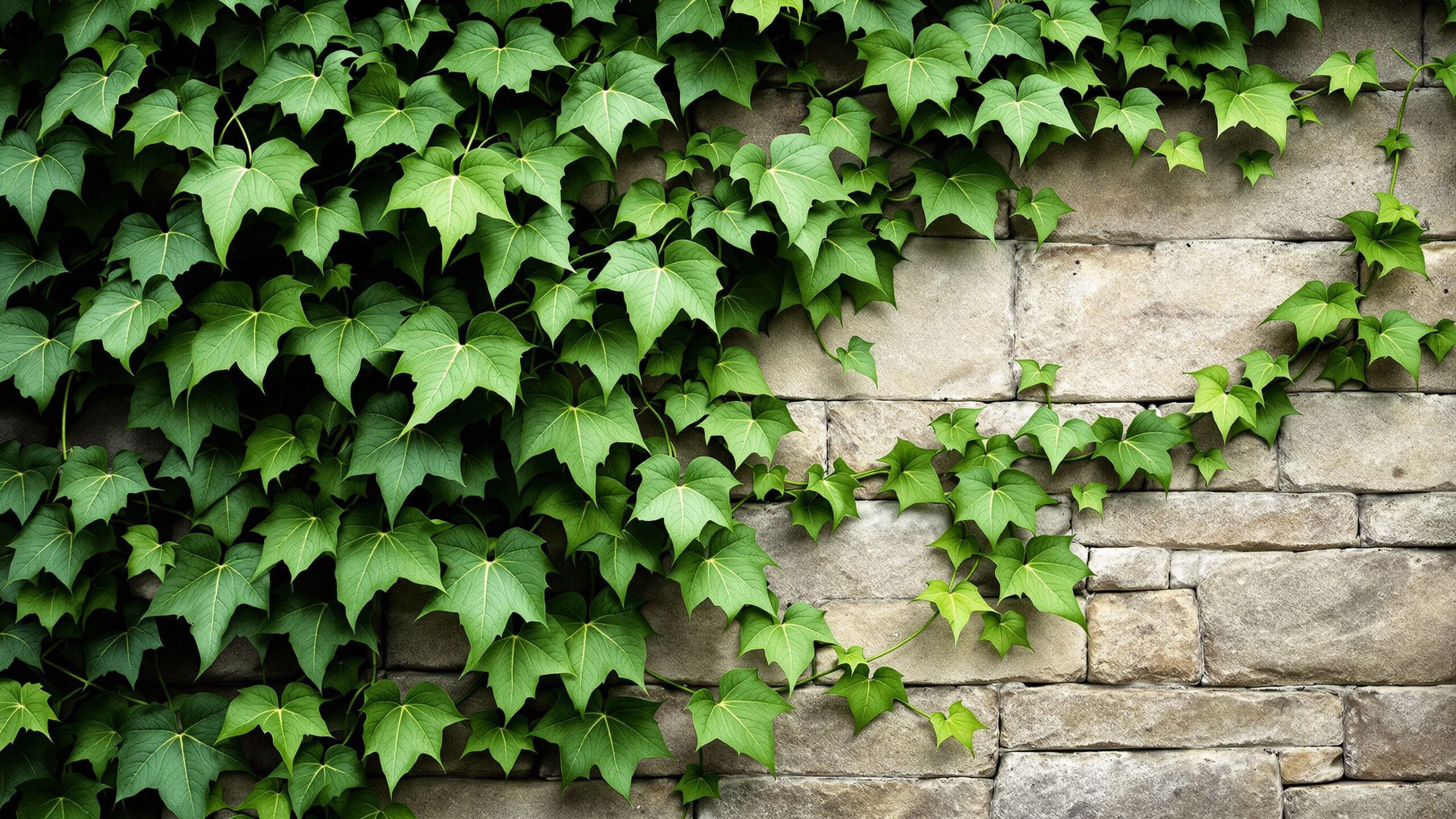
Most garden clematis are climbing vines that use specialized leaf stalks, called petioles, to wrap around relatively narrow supports. Unlike vines that cling directly to walls with adhesive structures or aerial roots, clematis generally needs something slender enough for these petioles to grasp.
This climbing strategy is important when choosing a support.
A massive smooth post may look strong enough to hold the vine, but the clematis may struggle to attach unless wires, lattice, mesh, or another narrow framework is added.
Flowers are the real stars.
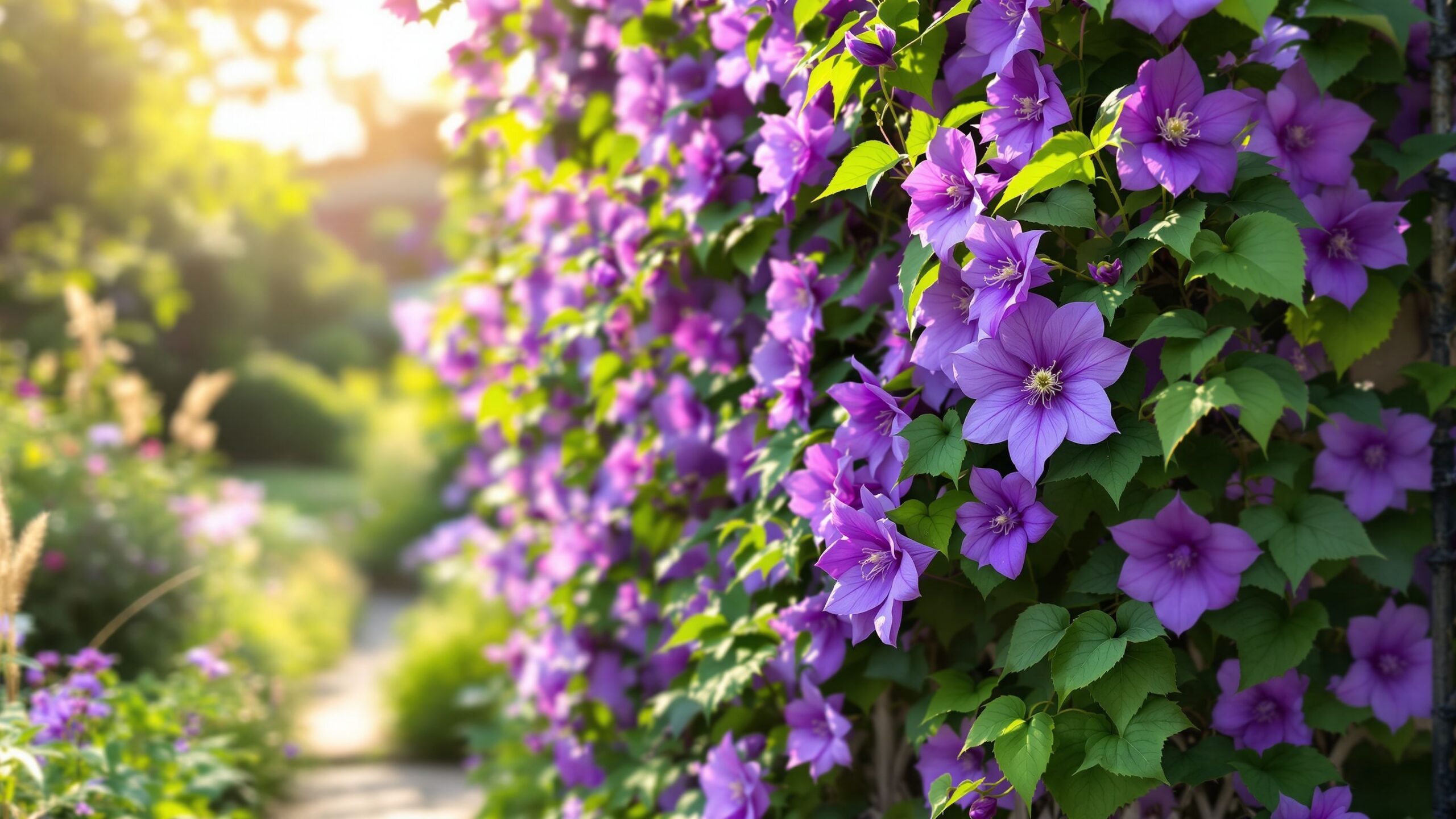
Large-flowered hybrids may produce blossoms several inches across, often in shades of purple, violet, blue, pink, red, white, or combinations of multiple colors. Other clematis species produce masses of smaller flowers, nodding bells, or delicate star-shaped blooms.
After flowering, many varieties develop distinctive fluffy seed heads that provide ornamental interest even after the petals have disappeared.
Where Does Clematis Come From?
The genus Clematis has an impressively broad natural distribution.
Wild clematis species can be found across portions of Europe, Asia, North America, and other regions, growing in environments ranging from woodland margins and rocky slopes to riverbanks and scrublands.
Because the genus is so diverse, gardeners should avoid assuming every clematis requires identical conditions.
Some species are exceptionally cold hardy. Others perform better in milder climates. Certain types prefer abundant sunlight, while woodland-associated species may tolerate or appreciate more filtered conditions.
Many of the spectacular clematis plants found in modern gardens are hybrids developed through generations of horticultural breeding.
Plant breeders have selected for larger flowers, unusual colors, compact growth, longer flowering periods, repeat blooming, and other desirable traits.
The result is one of the most diverse collections of ornamental flowering vines available to gardeners.
Why Clematis Is Called the Queen of Climbers
Clematis is frequently called the “queen of climbers,” and the nickname is easy to understand.
A mature plant can combine height, movement, color, and extraordinary flower production without occupying the enormous amount of ground space required by many flowering shrubs.
This vertical growth makes clematis especially useful in smaller gardens.
A narrow planting bed beside a fence may have little room for a broad shrub, but a clematis can climb upward and turn the unused vertical surface into a flowering display.
The vine is also remarkably versatile.
It can climb trellises, pergolas, arbors, fences, obelisks, arches, and wires. Certain varieties can scramble through roses or shrubs, creating combinations where flowers from two plants appear to occupy the same space.
Clematis does not simply add flowers to a garden. It adds an entirely new dimension.
The Best Light for Clematis
Most commonly cultivated clematis varieties flower best with abundant sunlight.
A location receiving several hours of direct sun can support vigorous growth and strong flowering, although exact requirements vary among varieties and climates.
In extremely hot regions, some afternoon protection can be beneficial, particularly for cultivars that struggle under intense heat.
You may have heard the traditional clematis gardening phrase “head in the sun, feet in the shade.” This is a useful memory aid, but it should not be interpreted too literally.
Clematis foliage and flowering growth generally appreciate good light, while the root zone benefits from relatively cool, evenly moist conditions.
Gardeners can help moderate soil temperatures with an appropriate layer of organic mulch. Nearby plants may also shade the ground, although they should not compete excessively with the clematis roots.
The goal is bright growth above and a healthy, protected root environment below.
The Best Soil for Clematis
Healthy clematis begins underground.
The vine generally performs best in fertile, well-drained soil that can retain useful moisture without becoming permanently waterlogged.
Extremely compacted soil can limit root development and drainage. Before planting, gardeners can improve difficult soil when appropriate by incorporating suitable organic matter and addressing drainage problems.
Clematis roots appreciate access to moisture, particularly during establishment and periods of active growth.
However, waterlogged conditions can encourage root problems.
This balance between moisture retention and drainage is one of the foundations of successful clematis care.
A healthy root system allows the vine to support the tremendous amount of foliage and flowers produced above ground.
How to Plant Clematis
Planting clematis thoughtfully can give the vine a strong beginning.
Choose a location with appropriate sunlight and enough space for the mature variety. Install the climbing structure before or at planting time so the young stems can immediately begin receiving guidance.
Dig a planting area large enough to accommodate the root system comfortably.
Many gardeners plant large-flowered clematis somewhat deeper than the level at which the plant was growing in its nursery container. This practice can encourage additional stems to develop from below ground and may provide some protection if upper stems are damaged.
However, planting recommendations can vary among species, so specialized varieties should be researched individually.
After planting, water thoroughly and maintain consistent moisture while the plant establishes.
The young vine may initially seem slow because much of its development is occurring underground. Once established, growth can accelerate dramatically.
How Much Water Does Clematis Need?
Clematis appreciates consistent moisture, particularly during active growth and flowering.
Newly planted vines require regular attention because their roots have not yet spread widely through the surrounding soil.
Established plants can become more resilient, but extended hot and dry conditions may still reduce flowering and stress the vine.
Deep watering is generally preferable to repeatedly wetting only the uppermost soil.
Mulching around the root zone can help reduce evaporation and moderate soil temperatures.
Keep mulch from being piled excessively against the stems themselves.
Container-grown clematis requires especially careful monitoring because containers can dry much more quickly than garden soil during warm weather.
The objective is not constant saturation. Clematis wants access to moisture while still having oxygen around its roots.
Choosing the Perfect Clematis Support
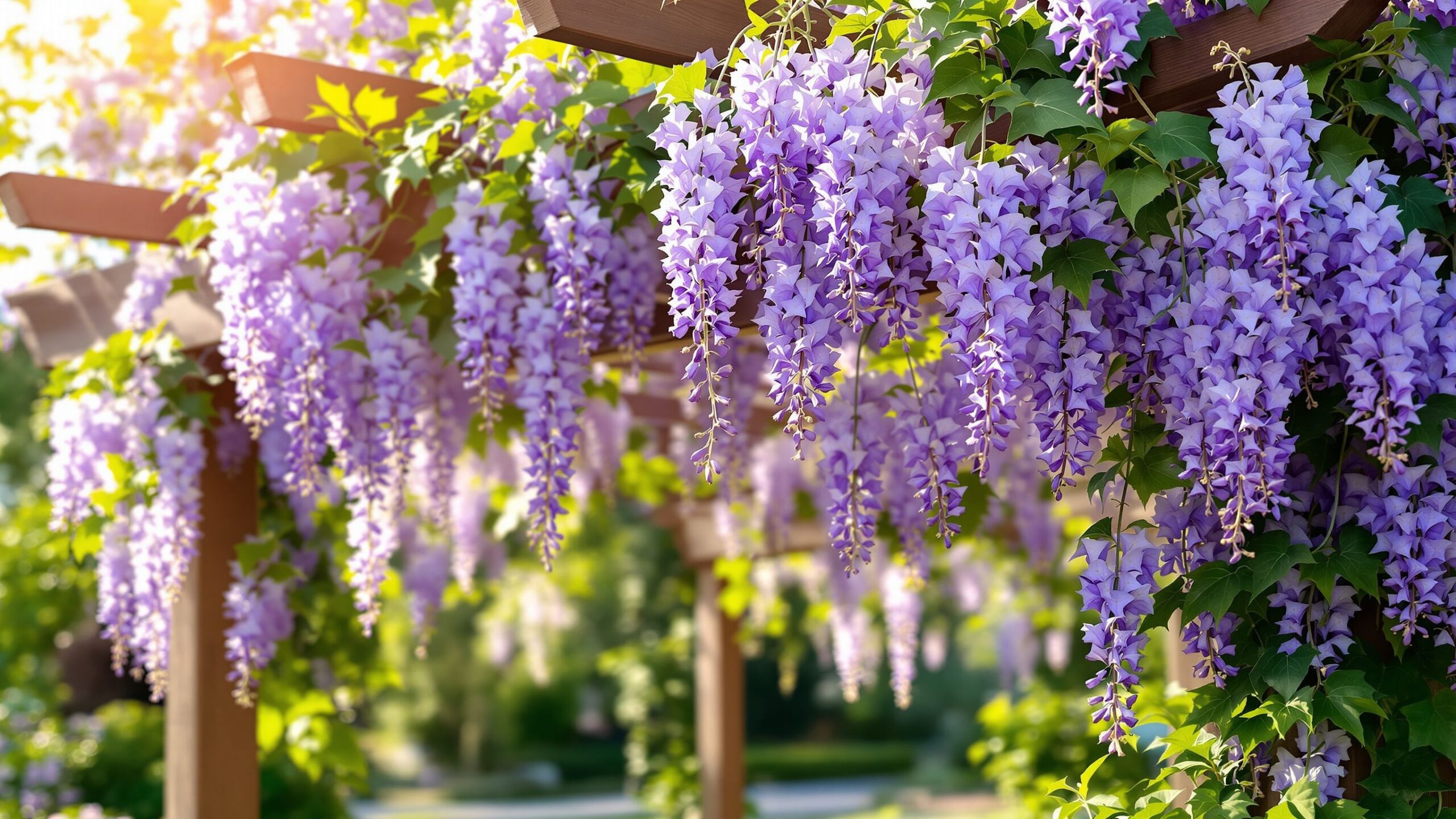
Clematis climbs differently from wisteria and many other vines.
Its leaf petioles wrap around objects, meaning the plant performs best when given relatively narrow structures it can grasp.
Trellises, lattice, wires, mesh, thin rods, and narrow branches can all provide excellent support.
When growing clematis against a wall or solid fence, gardeners may need to install wires or a trellis slightly away from the surface.
The mature size of the variety should influence the strength and height of the structure.
A compact clematis suitable for a container may need only a modest obelisk, while a vigorous variety capable of reaching substantial heights requires something much larger.
Installing the correct support early prevents the frustrating task of trying to untangle and redirect an established vine later.
Understanding the Three Clematis Pruning Groups
Clematis pruning has a reputation for being complicated, but most cultivated varieties can be organized into three basic pruning groups.
The reason these groups matter is simple: different clematis varieties produce flowers on different types of growth.
Prune the wrong plant aggressively at the wrong time and you may remove the stems containing that year’s flower buds.
Understand the flowering pattern, however, and pruning becomes much easier.
Group 1 clematis generally flowers on older growth and requires relatively little pruning.
Group 2 typically includes many large-flowered varieties that bloom on old and new growth.
Group 3 clematis flowers primarily on new growth produced during the current season and can usually be cut back much harder.
Knowing which group your clematis belongs to is one of the most useful pieces of information a gardener can have.
Pruning Group 1 Clematis
Group 1 contains clematis varieties that flower primarily on growth produced during the previous year.
These are often early-flowering types.
Because their flower buds are already present on older stems, heavy pruning during winter or early spring can accidentally remove the upcoming display.
Instead, Group 1 plants are generally pruned lightly after flowering when necessary.
The objective is usually to remove damaged growth, control excessive size, and maintain an attractive framework rather than cutting the entire plant dramatically toward the ground every year.
Some established Group 1 clematis can become large and require occasional renovation.
When major pruning is necessary, gardeners should expect that flowering may temporarily be reduced while the plant rebuilds its framework.
Pruning Group 2 Clematis
Group 2 contains many of the famous large-flowered clematis hybrids.
These plants often produce an early flush of flowers on older stems followed by additional flowers on newer growth later in the season.
Pruning therefore requires a more selective approach.
In late winter or early spring, dead and weak stems can be removed while healthy stems are shortened carefully to strong buds.
The goal is to preserve enough older growth for the early display while encouraging vigorous new shoots that can support later flowering.
After the first major flush, light pruning or deadheading may encourage additional flowers depending on the cultivar.
Group 2 may initially sound like the most complicated category, but careful observation makes the process much easier.
Pruning Group 3 Clematis
Group 3 is often the easiest pruning category for beginners.
These clematis varieties flower on new growth produced during the current growing season.
Because the previous year’s long stems are not required for the upcoming flower display, the plant can generally be cut back hard in late winter or early spring.
Fresh shoots then emerge from lower buds and rapidly climb their support before producing flowers later in the season.
This annual reset can make Group 3 clematis easier to manage in smaller gardens.
Without pruning, the flowers may gradually become concentrated higher and higher on the vine, leaving a tangled mass of older stems below.
Hard annual pruning keeps the flowering growth relatively fresh and manageable.
When Does Clematis Bloom?
With hundreds of species and cultivars available, there is no single clematis flowering season.
Some varieties bloom during spring, others dominate early summer, and late-flowering types can continue producing color well into autumn.
This diversity creates an exciting opportunity.
Gardeners can combine multiple clematis varieties with different flowering periods to extend the season dramatically.
An early-flowering clematis may begin the show as spring develops. Large-flowered hybrids can take over during late spring and early summer, while vigorous Group 3 varieties provide color later.
Certain cultivars also repeat bloom.
By selecting plants carefully, a garden can contain clematis flowers for months rather than weeks.
How to Encourage More Clematis Flowers
When a clematis produces lots of leaves but few flowers, several factors should be investigated.
Light is one of the first.
A sun-loving cultivar growing in deep shade may survive without producing the spectacular display expected from it.
Incorrect pruning can also eliminate flower buds, particularly with varieties that bloom on older stems.
Nutrition matters, but excessive fertilizer can encourage lush leafy growth rather than balanced flowering.
Water stress can reduce performance, especially while buds are developing.
Plant age should also be considered. Young clematis may need time to establish a substantial root system before reaching their full flowering potential.
The best strategy is to create healthy overall growth rather than attempting to force flowers through excessive feeding.
Clematis Wilt
One of the most alarming problems a clematis gardener can encounter is the sudden collapse of apparently healthy stems.
This phenomenon is commonly called clematis wilt and can be associated with fungal disease, particularly among some large-flowered hybrids.
Affected stems may suddenly wilt and darken.
The sight can be dramatic, but it does not always mean the entire plant is permanently lost.
If the root system and underground buds remain healthy, new stems may eventually emerge from below the damaged area.
Affected material should be removed appropriately, and good garden sanitation can help reduce problems.
Planting suitable clematis somewhat deeper can provide additional underground buds from which the plant may recover.
Other environmental problems can mimic wilt, so sudden collapse should be investigated rather than automatically attributed to a single disease.
Common Clematis Problems
Not every struggling clematis is suffering from a disease.
Poor flowering can result from inadequate sunlight, incorrect pruning, excessive nitrogen, or plant immaturity.
Yellowing foliage may be related to moisture problems, nutrient deficiencies, aging leaves, or root stress.
Brown leaf edges can occur during hot, dry conditions.
Slugs and snails may damage tender young shoots, particularly when stems first emerge near ground level.
Aphids and other insects can occasionally appear on new growth.
Physical damage is another concern because young clematis stems can be surprisingly fragile. Strong winds, pets, garden tools, or careless handling can break new shoots.
Healthy plants grown under appropriate conditions are generally much better equipped to tolerate occasional problems.
Growing Clematis in Containers
Clematis does not require a huge garden.
Many compact varieties can perform beautifully in containers, making them excellent choices for patios, balconies, decks, and small spaces.
Choose a substantial container that provides adequate root space and stability.
The pot should have functional drainage holes, and the growing medium should retain useful moisture without becoming waterlogged.
A trellis, obelisk, or other support can be placed directly within the container.
Because container roots experience greater temperature fluctuations than roots growing in the ground, protecting the root zone from extreme heat or cold may be important depending on climate.
Container-grown plants also require closer watering attention during summer.
Choosing a naturally compact cultivar makes long-term management considerably easier.
Growing Clematis With Roses
Few garden combinations are more romantic than clematis and climbing roses.
The plants can share a support, creating layers of flowers and foliage. A clematis may weave through the rose stems and produce blossoms in areas where the rose itself has finished flowering.
Color combinations can be dramatic.
Deep purple clematis flowers can contrast beautifully with pale pink roses, while white clematis can soften deep red or magenta blooms.
Timing is equally important.
Gardeners can choose varieties that flower simultaneously for maximum impact or select different bloom periods to extend the overall display.
The plants should have sufficient root space and access to water and nutrients so neither becomes overwhelmed by competition.
Pruning requirements should also be considered before combining them because tangled mature vines can become difficult to separate.
Clematis on Fences, Arbors, and Pergolas
Vertical structures provide some of the best opportunities for displaying clematis.
On fences, the vine can transform an otherwise plain boundary into a flowering wall.
Arbors allow flowers to climb around entrances and pathways, creating a dramatic transition between different areas of the garden.
Pergolas provide larger clematis varieties with room to spread overhead.
Because clematis does not cling directly to solid surfaces, wires or mesh may need to be installed on smooth structures.
Multiple varieties can even share a large structure when their vigor and pruning requirements are compatible.
The result can become an ever-changing vertical garden, with different colors appearing as the seasons progress.
Propagating Clematis
Clematis can be propagated through several methods, including cuttings, layering, division in suitable cases, and seed.
Stem cuttings allow gardeners to reproduce desirable cultivars vegetatively.
Layering is another useful method. A flexible stem is encouraged to root while still attached to the parent plant. Once roots develop sufficiently, the new plant can eventually be separated.
Seed propagation can be fascinating but requires patience.
Hybrid clematis grown from seed may not resemble the parent plant exactly because genetic traits are reshuffled during reproduction.
Germination can also be slow or irregular depending on the species.
For gardeners primarily interested in reproducing a favorite named cultivar, vegetative propagation generally provides more predictable results.
Clematis Seed Heads
The beauty of clematis does not necessarily disappear when flowering ends.
Many varieties develop distinctive seed heads composed of feathery structures that can look almost silver when illuminated by sunlight.
These fluffy clusters create texture and movement in the garden.
Rather than immediately deadheading every spent flower, gardeners sometimes leave selected seed heads in place for ornamental interest.
They can be particularly attractive during late summer and autumn when fewer vines remain in bloom.
Frost can transform them again, outlining their delicate structures with ice crystals.
This ability to remain visually interesting after flowering gives clematis a longer ornamental season than its blossoms alone might suggest.
Is Clematis Poisonous?
Clematis should be grown as an ornamental plant rather than treated as edible vegetation.
Members of the genus contain compounds that can cause irritation and other adverse effects if plant material is consumed.
The sap may also irritate sensitive skin in some people.
Wearing gardening gloves during substantial pruning is a sensible precaution, particularly for individuals with sensitive skin.
Children and pets should be discouraged from chewing unknown garden plants.
Clematis is best appreciated for what it does exceptionally well: creating spectacular vertical displays of foliage and flowers.
Clematis and Pollinators
Many clematis flowers attract insects, including bees and other pollinators.
Smaller-flowered species can be especially active with visiting insects when large numbers of blossoms open simultaneously.
Native clematis species can also play roles within local ecosystems.
For gardeners interested in wildlife-friendly landscapes, species selection matters. Choosing plants suited to the local region can provide ornamental beauty while contributing to a broader planting strategy built around ecological value.
Not every hybrid offers identical wildlife benefits, but a diverse garden containing flowering vines, shrubs, perennials, and native plants can provide resources throughout the growing season.
Clematis adds valuable vertical flowering space to such landscapes.
Popular Types of Clematis
The clematis world contains an enormous selection of varieties.
Large-flowered hybrids are among the most recognizable, producing spectacular blossoms in intense shades of purple, pink, red, blue-violet, and white.
Clematis montana is known for vigorous growth and masses of relatively small spring flowers.
Clematis viticella and its hybrids are valued for reliable summer flowering and generally manageable pruning requirements.
Clematis tangutica produces distinctive yellow bell-shaped flowers followed by decorative seed heads.
Native North American species such as Clematis virginiana provide alternatives for gardeners interested in regionally appropriate planting.
Before purchasing a clematis based entirely on flower color, investigate mature size, bloom season, pruning group, hardiness, and growth habit.
The right variety in the right location can remain a garden favorite for years.
Fascinating Facts About Clematis
Clematis contains far more diversity than many gardeners realize.
The genus includes both climbing and non-climbing species.
Flowers can range from enormous open discs to tiny stars and delicate bells.
What appear to be petals on many clematis flowers are actually colorful sepals, botanical structures that have evolved to perform the visual role we commonly associate with petals.
Clematis also climbs using its leaf stalks rather than adhesive pads or conventional tendrils.
Some species can become substantial vines, while others remain compact enough for containers.
Flowering seasons span spring through autumn across different varieties.
Even after flowering, many plants remain attractive because of their unusual feathery seed heads.
It is a genus capable of surprising gardeners at nearly every stage of growth.
How Long Does Clematis Live?
With appropriate care, clematis can be a long-lived perennial vine.
A well-established plant may return for many years, gradually developing a substantial root system and increasingly impressive flowering displays.
The above-ground appearance can change dramatically from season to season, especially among Group 3 varieties that are cut back heavily each year.
Below ground, however, the established root system remains ready to fuel another season of rapid growth.
This longevity makes thoughtful planting especially important.
Installing the right support, choosing an appropriate cultivar, and preparing the planting area carefully can provide benefits for many future growing seasons.
A clematis planted today may become one of the defining features of the garden years from now.
Creating the Perfect Clematis Care Routine
Successful clematis care begins with knowing exactly which variety you are growing.
Determine its mature size, preferred light conditions, hardiness, bloom season, and most importantly, its pruning group.
Plant it in fertile, well-drained soil where the roots can access consistent moisture without remaining waterlogged.
Provide a support with narrow components the leaf stalks can grasp.
Keep the root zone protected from excessive drying and temperature extremes, particularly while the plant is establishing.
Water during prolonged dry periods and monitor container plants more frequently.
Prune according to the correct group rather than following one universal clematis pruning rule.
Watch for pests, stem damage, and signs of wilt.
Then allow the plant time to mature.
Clematis often becomes more impressive as its root system strengthens and its flowering framework develops.
Why Clematis Deserves a Place in the Garden
Clematis has earned its reputation as one of the world’s great flowering vines.
Few other plants provide such an extraordinary combination of vertical growth, flower diversity, seasonal variety, and garden versatility.
A compact cultivar can turn a patio container into a tower of flowers. A vigorous variety can cover an arbor in color. Two carefully chosen clematis plants can share the same trellis and bloom at different times, extending the display for months. A clematis woven through a rose can create combinations that appear almost too perfect to be accidental.
Its diversity also means there is always something new to discover.
There are enormous purple flowers, delicate pink bells, clouds of tiny white blossoms, sunny yellow nodding blooms, dramatic striped hybrids, richly colored summer varieties, and fluffy seed heads that remain beautiful long after flowering.
Successful clematis growing does require some knowledge, particularly when it comes to pruning. Yet the famous three-group system becomes surprisingly straightforward once the variety is identified.
Give clematis suitable light, healthy soil, consistent moisture, something to climb, the correct pruning treatment, and enough time to establish, and the vine can reward you with years of spectacular growth.
The best clematis plants do more than decorate a garden. They climb through it, connect its structures, soften its boundaries, and transform ordinary vertical spaces into living walls of flowers.
That ability to turn empty space into color is exactly why clematis continues to deserve its celebrated title: the queen of the flowering vines.
Garden Product Reviews
Step into Mossy Streets’ Garden Product Reviews — your go-to guide for the best tools, gear, gifts, books, and garden gadgets rooted in nature. From blooming backyard beauties to lush indoor jungles, from heirloom seeds to high-tech composters, we dig into top-rated products for green thumbs, beginners, educators, and plant lovers alike. Whether you’re planting, pruning, decorating, or simply enjoying your green space, we’ve unearthed the best so you can grow, bloom, and thrive — all in one vibrant place!