English ivy has the rare ability to make a garden look instantly established. Its glossy green leaves crawl over walls, spill from containers, climb fences, soften stonework, and create dense carpets of foliage beneath trees. For centuries, ivy-covered buildings and garden walls have become symbols of age, romance, tradition, and classic European landscapes. Botanically known as Hedera helix, English ivy is an evergreen climbing vine in the family Araliaceae. It is native to much of Europe, western Asia, and portions of North Africa, but has been introduced to many other regions around the world. Its popularity comes from a combination of toughness and versatility. English ivy can function as a climbing vine, trailing houseplant, groundcover, container accent, or decorative plant trained around structures. Unlike many flowering vines grown primarily for seasonal blooms, ivy provides foliage interest throughout the year in climates where it remains evergreen. That same resilience, however, comes with an important responsibility. English ivy can spread aggressively and is considered invasive in parts of the United States and elsewhere. Gardeners should understand local recommendations before planting it outdoors. Used thoughtfully and managed carefully, English ivy remains one of the most visually distinctive vines in horticulture.
A: Bright indirect light is excellent indoors, while outdoor plants often perform well in partial shade.
A: Water when the upper portion of the soil begins to dry, avoiding constantly soggy conditions.
A: Yes. It is commonly grown as a trailing or climbing houseplant when given bright light, moderate moisture, and good airflow.
A: Brown leaves may result from dry air, underwatering, excessive sun, pests, or environmental stress.
A: Yellowing is often associated with overwatering, poor drainage, insufficient light, or natural aging.
A: Its aerial rootlets can cling firmly to surfaces and may worsen existing cracks, loose mortar, paint, or damaged masonry.
A: Stem cuttings containing several healthy nodes can usually be rooted in water or a moist growing medium.
A: Yes. Routine pruning helps maintain shape, encourage fuller growth, and prevent uncontrolled spreading.
A: It can be invasive in some regions, especially where it escapes cultivation and spreads through forests or natural areas.
A: Yes. Its aerial rootlets allow it to climb trunks, and unmanaged vines can eventually extend high into the tree canopy.
What Does English Ivy Look Like?
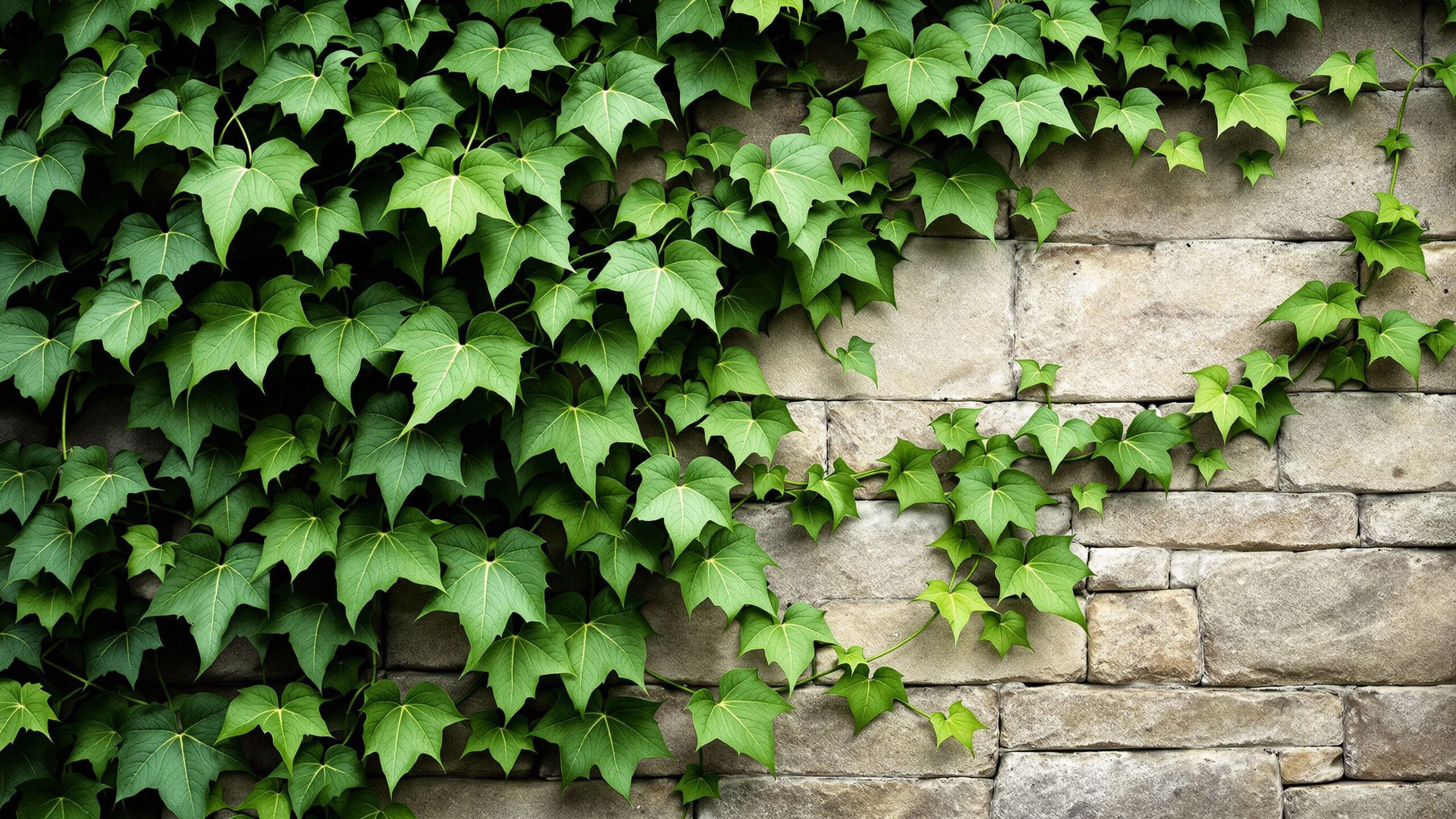
English ivy is best known for its dark green, leathery leaves with distinctive pointed lobes.
Young climbing stems generally produce the classic ivy-shaped foliage most people recognize. Leaves may have three to five prominent lobes and lighter-colored veins that create beautiful natural patterning.
Cultivated varieties expand this palette dramatically.
Some English ivy cultivars produce leaves splashed or edged with white, cream, yellow, gray-green, or pale green. Others have unusually curled, miniature, rounded, or deeply divided foliage.
As English ivy matures, something fascinating happens.
Older plants that reach sufficient maturity may develop a different type of growth. Adult flowering stems become more upright or shrubby and can produce less-lobed leaves.
Clusters of small greenish-yellow flowers may develop on mature outdoor plants, followed by dark berries.
This dramatic transition means a mature English ivy plant can look surprisingly different from the young vine first planted years earlier.
How English Ivy Climbs
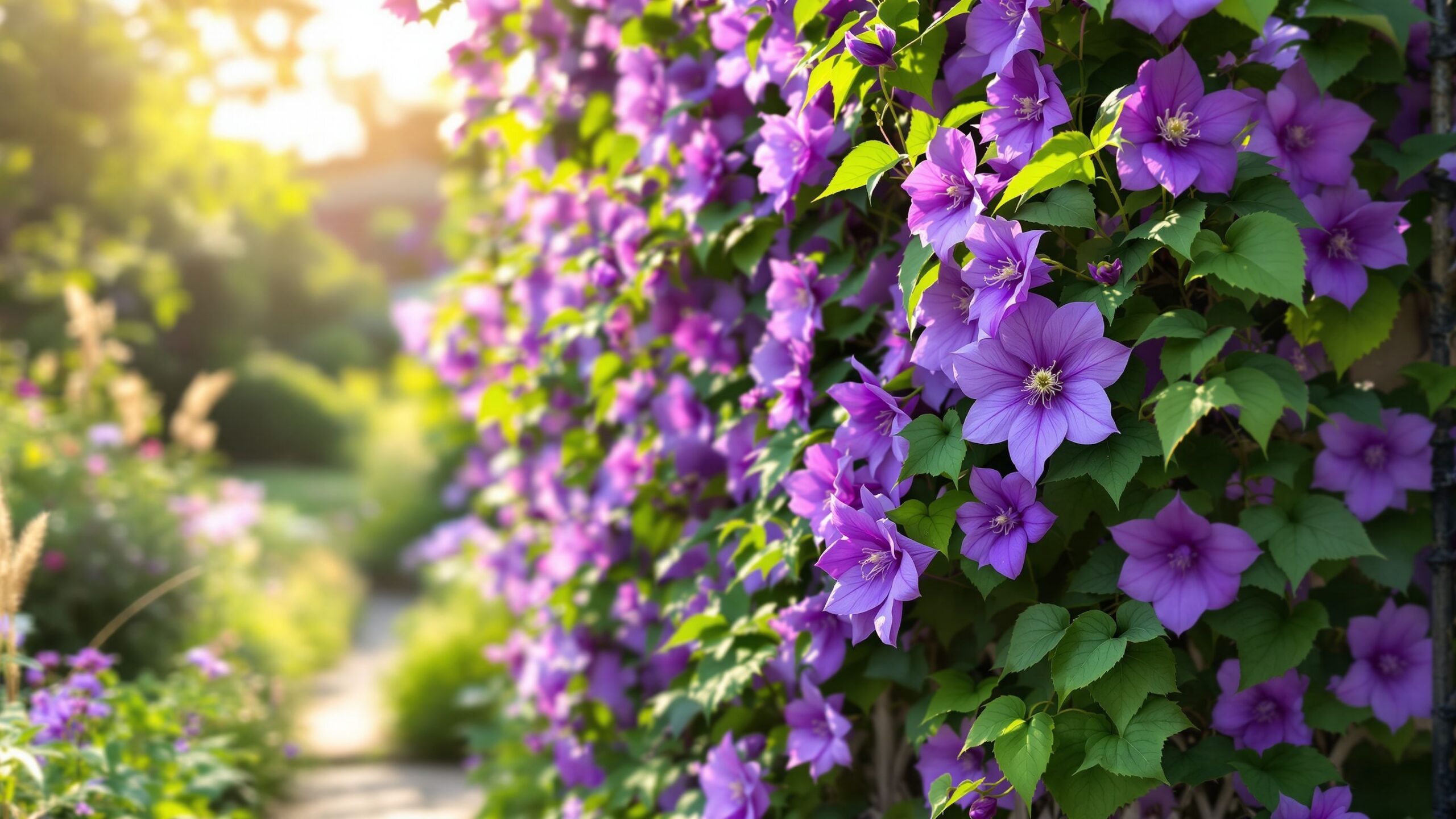
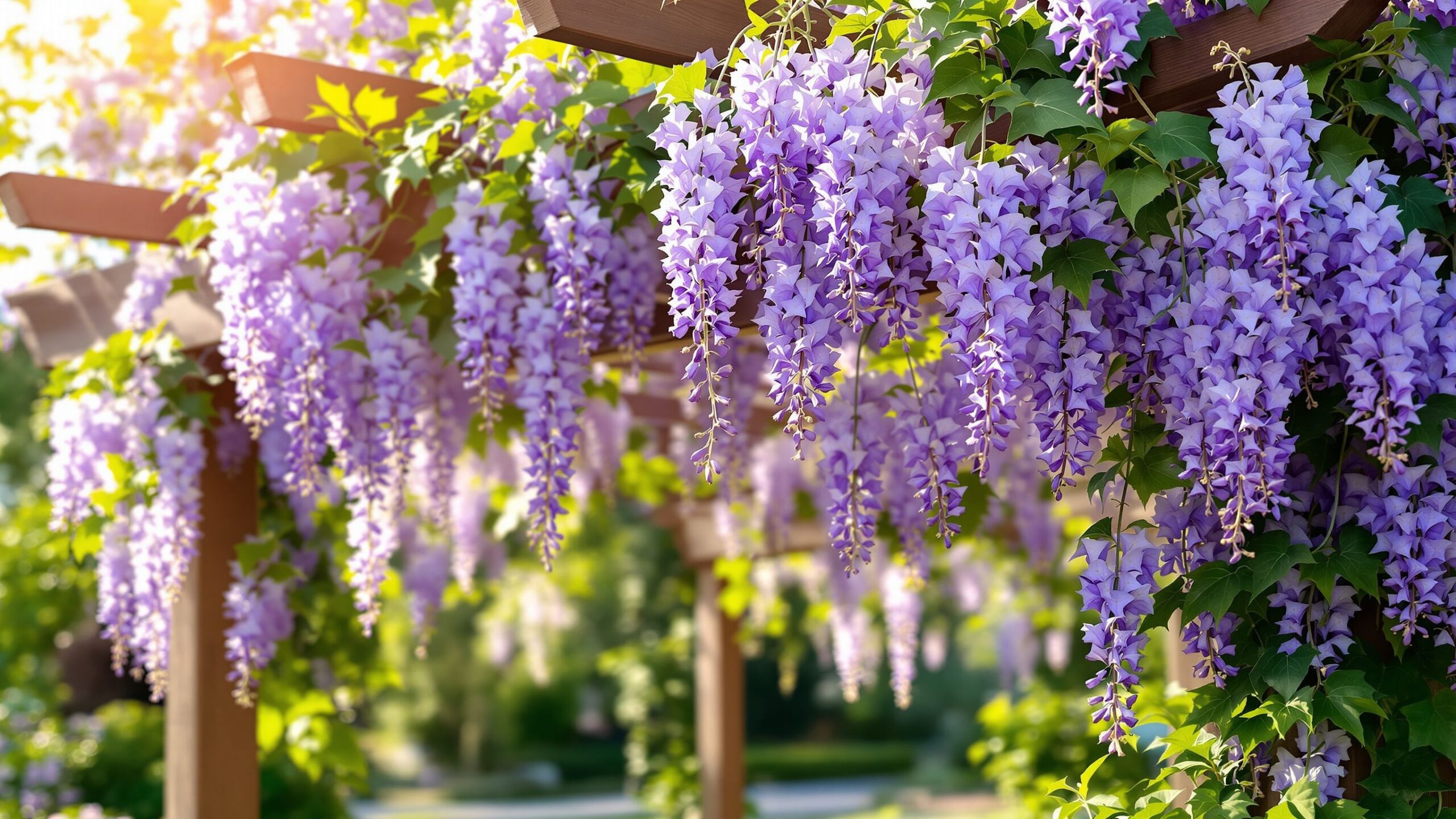
English ivy does not climb in the same way as clematis or wisteria.
Instead, juvenile stems develop small aerial rootlets that attach themselves to suitable surfaces.
These rootlets allow ivy to climb tree trunks, masonry, stone, brick, walls, fences, and other rough structures.
This climbing ability is extremely effective.
In favorable conditions, ivy can eventually cover substantial vertical surfaces without requiring a trellis.
However, that convenience can create problems.
Aerial rootlets can enter cracks, gaps, or damaged mortar, making ivy potentially troublesome on older or poorly maintained masonry. Thick mature growth can also hide structural problems underneath the foliage.
For this reason, the decision to allow English ivy to climb directly on a building should be made carefully rather than treating the vine as harmless decoration.
The History and Symbolism of English Ivy
Few vines have accumulated as much cultural symbolism as ivy.
Throughout European history, ivy became associated with endurance, loyalty, immortality, friendship, and persistence. Its evergreen foliage contributed strongly to these meanings because the plant remains green during seasons when many other plants become bare.
Ancient Greeks and Romans incorporated ivy into art, mythology, festivals, and decorative traditions.
The plant became especially connected with Dionysus in Greek mythology and Bacchus in Roman tradition.
Ivy later appeared throughout European architecture, literature, decorative art, and garden design.
The expression “ivy-covered walls” eventually became associated with old universities and prestigious educational institutions. The phrase “Ivy League,” while not literally derived from plants growing on every campus building, reinforces ivy’s cultural connection with established academic institutions.
Today, English ivy continues to evoke a sense of permanence and history unlike almost any other vine.
The Best Light for English Ivy
English ivy is adaptable when it comes to light, but it generally performs best in bright, indirect light indoors and partial shade to moderate light outdoors.
Variegated varieties often need somewhat brighter conditions to maintain their attractive coloration.
In insufficient light, variegation may become less pronounced, and growth can become weak or stretched.
Intense direct sunlight can be stressful, particularly for indoor plants that have not been acclimated to it.
Outdoor conditions depend greatly on climate. In cooler regions, English ivy may tolerate more sun, while plants in hot climates often benefit from protection from intense afternoon heat.
The ideal situation is enough light to maintain strong growth without exposing foliage to unnecessary scorching.
How to Water English Ivy
English ivy generally prefers more consistent moisture than drought-tolerant succulents such as aloe or agave.
However, that does not mean the plant should remain waterlogged.
Allowing the upper portion of the growing medium to dry somewhat before watering can help maintain a healthy balance between moisture and oxygen around the roots.
When watering a container-grown ivy, thoroughly moisten the growing medium and allow excess water to drain.
Avoid letting the pot sit indefinitely in standing water.
Indoor watering frequency can change dramatically throughout the year. Plants may use water faster during warm, bright periods and much more slowly during cooler winter conditions.
Checking the soil is more reliable than following a fixed weekly schedule.
Outdoor English ivy becomes more resilient after establishment, but supplemental watering may still be necessary during extended periods of drought.
Choosing the Best Soil for English Ivy
English ivy grows best in soil that provides both moisture retention and drainage.
A quality general-purpose container mix can work well for indoor ivy, provided it does not remain excessively dense or saturated.
Garden soil should drain adequately while containing enough organic matter to support healthy growth.
English ivy can tolerate a range of soil conditions once established, which partly contributes to its reputation as a tough plant.
However, poor drainage can still create root problems.
Container plants should always have functional drainage holes.
A decorative pot without drainage may look attractive, but persistent moisture trapped around ivy roots can eventually cause serious decline.
Healthy roots are the foundation of dense, vigorous ivy foliage.
Temperature and Humidity
English ivy generally appreciates relatively cool to moderate temperatures.
Indoor plants sometimes struggle in rooms that are extremely hot and dry, particularly during winter when heating systems reduce humidity.
Moderate humidity can help maintain attractive foliage and may reduce certain stress problems.
However, high humidity alone is not the solution to every ivy problem. Airflow is important as well.
A plant crowded into a warm, stagnant corner with wet soil can become more vulnerable to disease and pests.
Avoid placing indoor ivy immediately beside heating vents, fireplaces, or other sources of intense dry heat.
Outdoor cold tolerance varies somewhat among cultivars and growing conditions, but English ivy is generally much more cold-tolerant than tropical vines.
Growing English Ivy Indoors
English ivy is a classic trailing houseplant.
Its stems can cascade from hanging baskets, flow over shelves, climb indoor trellises, or frame windows when carefully trained.
The biggest challenges indoors are usually light, moisture balance, temperature, and pests.
Place the plant near bright filtered light and rotate the container occasionally so growth remains relatively balanced.
Allow the soil to dry slightly between waterings without permitting the root ball to remain bone dry for extended periods.
Regular pruning keeps indoor ivy compact and encourages branching.
Long, bare stems can make the plant look sparse, while strategic trimming encourages fresh shoots to develop closer to the center.
Indoor ivy also deserves regular pest inspection, especially during winter.
Growing English Ivy Outdoors
Outdoors, English ivy can become dramatically more vigorous than it is indoors.
It may spread across shaded ground, climb fences, cover walls, and move into surrounding vegetation.
This is where careful plant selection becomes essential.
English ivy is considered invasive in several regions because it can escape cultivation and form dense growth in natural areas. Groundcover ivy can suppress native plants, while climbing ivy can reach into tree canopies and alter woodland environments.
Before planting outdoors, gardeners should check regional invasive plant lists, local regulations, and recommendations from extension services or conservation organizations.
Where outdoor planting is appropriate, growth should still be monitored carefully.
Regular pruning and containment can prevent a decorative planting from becoming a difficult removal project years later.
Is English Ivy Invasive?
English ivy can be invasive in certain regions, particularly where the climate allows it to spread aggressively into forests, parks, roadsides, and other natural areas.
Its evergreen foliage gives it a competitive advantage because it can continue photosynthesizing during portions of the year when many deciduous native plants are dormant.
Dense mats may cover the ground and reduce opportunities for native seedlings to establish.
When ivy climbs mature trees, it can create additional concerns. Heavy growth changes the structure of the canopy and adds weight and wind resistance.
The exact ecological impact varies by region, which is why gardeners should use local guidance rather than assuming English ivy behaves the same everywhere.
If English ivy is discouraged or restricted where you live, consider regionally appropriate native vines or groundcovers instead.
Can English Ivy Damage Trees?
English ivy often climbs tree trunks using its aerial rootlets.
Contrary to a common misconception, ivy is not a parasitic plant that directly sucks nutrients from a tree.
Its roots remain primarily in the soil.
However, that does not mean heavy ivy growth is harmless.
Dense foliage can cover trunks and branches, making it difficult to inspect the tree for defects, disease, decay, or structural problems.
As ivy reaches the canopy, it can compete for sunlight and add considerable weight. Thick vines may also increase wind resistance.
For healthy landscaping, trees should generally not be allowed to become completely engulfed by uncontrolled English ivy.
Removing established ivy from trees should be done carefully to avoid damaging the bark.
Can English Ivy Damage Walls?
The answer depends heavily on the condition and construction of the wall.
On solid, well-maintained masonry, ivy’s aerial rootlets may primarily attach to the surface.
On old brickwork, crumbling mortar, cracked stucco, loose siding, or damaged structures, roots may exploit existing weaknesses.
Removing mature ivy can also leave rootlet marks or surface debris behind.
The thick foliage may hide moisture problems or prevent regular visual inspection.
For homeowners who want the classic appearance of ivy on a building without direct attachment, installing a separate trellis or wire support system may be a safer approach.
That allows the vine to climb while reducing direct contact with the structure.
How Fast Does English Ivy Grow?
English ivy can grow rapidly once established.
Growth rate depends on light, soil, moisture, climate, temperature, plant maturity, and cultivar.
Young indoor plants may grow relatively slowly, while outdoor ivy in favorable conditions can spread surprisingly quickly.
This vigorous growth is one reason ivy is so effective for covering unattractive surfaces.
It is also why maintenance should begin early.
Allowing English ivy to grow uncontrolled for years can create a massive amount of vegetation that is far harder to manage later.
Regular pruning keeps the vine within its intended boundaries and helps maintain a more attractive shape.
With ivy, preventing excessive growth is almost always easier than correcting it.
How to Prune English Ivy
English ivy tolerates pruning well.
Long shoots can be shortened to encourage branching and maintain a fuller appearance.
Indoors, trimming sparse stems can prevent the plant from becoming overly leggy. Outdoor pruning can keep ivy away from windows, gutters, rooflines, neighboring properties, valuable shrubs, and other areas where growth is unwanted.
Clean pruning tools help reduce unnecessary plant injury.
Severely overgrown outdoor ivy may require significant renovation, although large removal projects should be approached carefully.
If the plant has climbed high into mature trees or structures, professional assistance may sometimes be appropriate.
Routine maintenance is far easier.
A few strategic trims throughout the growing season can prevent a small ivy problem from becoming an enormous one.
Propagating English Ivy
English ivy is relatively easy to propagate from stem cuttings.
A healthy section of vine containing several nodes can be removed from the parent plant and encouraged to develop roots.
Cuttings may be rooted in a suitable growing medium, and many gardeners also experiment with rooting ivy in water before transferring the new plant into soil.
Once roots develop, young plants can be potted individually or grouped together to create a fuller container.
Propagation is especially useful for rejuvenating older houseplants.
Rather than keeping a single plant with several long bare stems, growers can take cuttings, root them, and plant multiple young vines together.
The result can eventually become a dense, attractive new specimen.
Growing English Ivy in Hanging Baskets
Few plants display English ivy’s trailing habit better than a hanging basket.
Stems spill naturally over the sides, creating cascading layers of foliage.
Variegated cultivars can be especially attractive in hanging containers because their patterns become highly visible when leaves are viewed from different angles.
Choose a basket with reliable drainage and a growing medium that retains some moisture without remaining saturated.
Hanging baskets often dry faster than ordinary pots because airflow surrounds much of the container.
Check moisture regularly rather than assuming the plant follows the same schedule as ivy growing on a shelf.
Regular trimming encourages branching and prevents the plant from becoming excessively long and sparse.
English Ivy as Groundcover
English ivy has historically been planted as a groundcover because of its ability to spread beneath trees and across shaded areas where lawn grasses may struggle.
Its evergreen foliage creates year-round coverage and can conceal bare soil quickly.
However, this use is now controversial in areas where English ivy behaves invasively.
Dense ivy mats may smother smaller plants and prevent native vegetation from establishing.
They can also become difficult to remove after many years.
Before using English ivy as groundcover, gardeners should evaluate ecological recommendations for their specific region.
In areas where it is invasive, native groundcovers can provide similar benefits without creating the same environmental concerns.
English Ivy Varieties
English ivy has been cultivated into a remarkable range of ornamental forms.
Some cultivars remain classic dark green, while others feature white, cream, yellow, silver, or gray-green variegation.
Leaf shape varies tremendously.
Certain varieties produce tiny delicate leaves that are ideal for small containers or topiary work. Others develop curled, twisted, rounded, or deeply lobed foliage.
Variegated English ivy can brighten indoor arrangements, particularly when paired with darker green plants.
However, highly variegated plants may be more sensitive to intense sunlight and usually require enough bright light to maintain their coloration.
Cultivar selection allows gardeners to enjoy the familiar growth habit of ivy while choosing foliage that fits a particular design.
English Ivy Topiary
English ivy is exceptionally well suited to topiary because its flexible stems can be trained around wire forms.
Heart shapes, circles, wreaths, cones, animals, and geometric structures can all be covered gradually with ivy foliage.
Young stems are guided around the form and secured gently where necessary.
As the plant grows, regular pruning maintains the desired outline.
Indoor ivy topiaries can create a formal or whimsical decorative accent, while outdoor forms can become substantial garden features in appropriate climates.
The technique demonstrates the extraordinary adaptability of English ivy.
The same species capable of climbing a stone wall can also be shaped into an intricate living sculpture.
Why Are My English Ivy Leaves Turning Brown?
Brown leaves can develop for several reasons.
Extremely dry soil can cause foliage to crisp and deteriorate, particularly when combined with hot indoor conditions.
Low humidity may contribute to dry leaf edges.
Excessive direct sunlight can scorch plants that are accustomed to filtered conditions.
Root damage caused by consistently wet soil can also lead to declining foliage, making it dangerous to assume every brown leaf means the plant needs more water.
Pests should be investigated as well.
The best diagnosis comes from examining the entire growing environment.
Check soil moisture, root health, light exposure, temperature, humidity, and the undersides of leaves before making major changes.
Spider Mites and English Ivy
Spider mites are among the most notorious pests of indoor English ivy.
These tiny arachnids thrive particularly well under warm, dry indoor conditions.
Early infestations may cause subtle stippling or faded-looking foliage. As populations increase, fine webbing may become visible around leaves and stems.
Regular inspection is extremely valuable.
Look closely at leaf undersides and areas where stems intersect.
Isolating an affected plant can help protect the rest of a houseplant collection.
Improving growing conditions and using an appropriate pest-management method can help bring infestations under control.
Because spider mites can multiply rapidly, early detection makes management considerably easier.
Other Common English Ivy Pests
Spider mites are not the only potential problem.
Aphids, mealybugs, and scale insects may occasionally infest English ivy.
These pests often gather around tender growth, leaf undersides, and stem joints.
Sticky residue, distorted foliage, unexplained yellowing, or visible insects can signal a problem.
New houseplants should ideally be inspected before being positioned directly beside an established collection.
Regular cleaning and pruning also make it easier to spot pests early.
Healthy plants are generally better equipped to recover from minor pest problems than plants already stressed by incorrect watering or poor lighting.
Why Is My English Ivy Losing Leaves?
Leaf loss can result from environmental stress.
A sudden change in location may trigger temporary shedding, especially if the plant experiences dramatically different light, temperature, or humidity.
Both excessive dryness and root problems caused by overwatering can result in leaf loss.
Extremely warm indoor temperatures can also stress ivy.
Poor lighting may cause gradual thinning and weak growth.
Pests should always be considered when leaf loss appears alongside discoloration, webbing, or distorted foliage.
Instead of immediately increasing fertilizer or water, investigate recent changes.
English ivy is adaptable, but it performs best when conditions remain relatively stable.
Does English Ivy Flower?
Yes, although indoor houseplants rarely reach the mature flowering stage.
Older outdoor English ivy can produce adult growth with less-lobed leaves and clusters of small greenish-yellow flowers.
The flowers may not look dramatic compared with wisteria or clematis, but they can attract numerous insects.
After pollination, dark berries may develop.
This flowering stage usually occurs on mature growth exposed to sufficient light.
The transition is botanically fascinating because the plant essentially changes its growth strategy as it matures.
A familiar juvenile climbing vine can eventually produce flowering branches that look surprisingly different from the foliage below.
English Ivy Berries
Mature English ivy can produce clusters of dark berries after flowering.
These berries provide food for some birds, which can contribute to seed dispersal.
This is one mechanism that allows English ivy to escape gardens and spread into natural environments.
The berries should not be considered edible for people.
English ivy contains compounds that can cause harmful effects if ingested, and the plant should be treated as ornamental rather than as a food source.
The ability of birds to transport seeds beyond the original planting site is another reason gardeners in regions where ivy is invasive should manage flowering mature vines carefully.
Is English Ivy Poisonous?
English ivy should not be eaten.
Plant material contains compounds that can cause gastrointestinal and other adverse reactions if ingested.
The sap may also irritate sensitive skin in some individuals.
Gloves can be useful when pruning or removing large quantities of ivy, particularly for gardeners who know their skin reacts easily.
Households with pets or small children should consider placement carefully.
Any suspected significant ingestion should be discussed with an appropriate medical professional, veterinarian, or poison-control resource.
English ivy is best treated strictly as an ornamental plant.
English Ivy and Wildlife
English ivy has a complicated relationship with wildlife.
Its dense evergreen growth can provide cover, while mature flowers may attract insects and berries may be eaten by birds.
However, ecological value cannot be evaluated from these benefits alone.
In regions where English ivy invades forests and natural areas, dense growth can displace native plants that support complex local food webs.
This is why native plant specialists often recommend replacing invasive ivy with locally appropriate alternatives.
A plant can provide some wildlife resources while still having an overall negative ecological impact when it spreads aggressively.
Regional context matters enormously.
English Ivy Versus Boston Ivy
English ivy and Boston ivy are often confused because both commonly cover walls and buildings.
They are not the same plant.
English ivy is Hedera helix and is evergreen in many climates.
Boston ivy is Parthenocissus tricuspidata and belongs to the grape family, Vitaceae. It is deciduous, meaning it loses its leaves in winter.
Boston ivy is particularly famous for brilliant autumn foliage that can turn vivid red, orange, or purple.
Their climbing mechanisms also differ.
English ivy uses aerial rootlets, while Boston ivy uses tendrils tipped with adhesive discs.
Understanding the difference is important because the two vines have different growth habits, seasonal appearances, and management needs.
English Ivy Versus Poison Ivy
Despite sharing the word “ivy,” English ivy and poison ivy are completely different plants.
English ivy is Hedera helix.
Poison ivy belongs to the genus Toxicodendron and produces urushiol, an oil capable of causing severe allergic skin reactions in many people.
English ivy does not contain urushiol.
However, its sap can still irritate some sensitive individuals, so basic skin protection during pruning is sensible.
Leaf appearance can also help distinguish them.
Poison ivy is famous for producing leaves in groups of three leaflets, inspiring the familiar warning “leaves of three.”
English ivy generally produces individual lobed leaves along its stems rather than groups of three separate leaflets.
Fascinating English Ivy Facts
English ivy can live far longer than many people expect.
Old vines may develop thick woody stems capable of covering enormous walls or tree trunks.
The plant changes leaf shape as it moves from its juvenile climbing phase into mature reproductive growth.
Its aerial rootlets allow it to attach directly to rough surfaces without a conventional trellis.
English ivy has also produced an extraordinary range of ornamental cultivars through horticultural selection.
Miniature leaves, curled foliage, unusual lobes, golden patterns, creamy edges, and silver-toned variegation all occur among cultivated varieties.
The plant’s evergreen character helped give it centuries of symbolic meaning.
Even its reputation contains contradictions.
English ivy can be a beloved houseplant in one setting and a serious invasive species in another.
How Long Does English Ivy Live?
English ivy is a perennial vine capable of surviving for decades under favorable conditions.
Some established outdoor plants can become extremely old, particularly when their roots remain undisturbed and environmental conditions are suitable.
As the plant matures, its stems become increasingly woody and substantial.
This longevity means decisions about outdoor planting should be made with the future in mind.
A vine that looks tiny when purchased may eventually spread across large surfaces and become expensive or difficult to remove.
Indoor plants can also survive for many years with regular pruning, occasional repotting, good light, and pest management.
Cuttings provide another way to continue a favorite plant indefinitely by creating younger generations.
Creating the Perfect English Ivy Care Routine
Successful English ivy care begins with understanding whether the plant will live indoors or outdoors.
Indoors, provide bright filtered light, moderate temperatures, an airy growing medium, and carefully controlled watering.
Allow the soil to dry somewhat between waterings, but do not leave the plant severely dehydrated for long periods.
Prune regularly to maintain fullness and prevent excessively long bare stems.
Inspect foliage often for spider mites and other pests.
Outdoors, choose the planting location much more cautiously.
Check whether English ivy is considered invasive in your area before allowing it to establish in the landscape.
Keep climbing vines away from structures that could be damaged and prevent growth from overwhelming trees or neighboring plants.
Regular management is the key.
English ivy is easiest to enjoy when the gardener remains in control of where it grows.
Why English Ivy Remains One of the World’s Most Iconic Vines
English ivy has been climbing through human history for centuries.
Its evergreen leaves have decorated ancient imagery, formal gardens, old stone walls, university buildings, country homes, indoor hanging baskets, and modern houseplant collections.
Few vines possess such an instantly recognizable character.
A single trailing stem can soften a bookshelf. A dense container can create an elegant hanging display. Carefully managed outdoor ivy can add deep green texture to a garden structure throughout the year.
Yet English ivy also provides an important lesson about responsible gardening.
The same characteristics that make a plant tough, fast-growing, adaptable, and easy to propagate can allow it to become invasive outside its native environment.
Gardeners should therefore appreciate English ivy with both enthusiasm and awareness.
Choose the right setting. Keep outdoor growth under control. Protect buildings and trees. Check regional invasive plant recommendations. Indoors, provide bright filtered light, comfortable temperatures, proper moisture, and regular pest inspection.
With thoughtful care, English ivy can remain what generations of gardeners have admired: an elegant, enduring vine capable of bringing rich evergreen character to almost any space.
Garden Product Reviews
Step into Mossy Streets’ Garden Product Reviews — your go-to guide for the best tools, gear, gifts, books, and garden gadgets rooted in nature. From blooming backyard beauties to lush indoor jungles, from heirloom seeds to high-tech composters, we dig into top-rated products for green thumbs, beginners, educators, and plant lovers alike. Whether you’re planting, pruning, decorating, or simply enjoying your green space, we’ve unearthed the best so you can grow, bloom, and thrive — all in one vibrant place!