
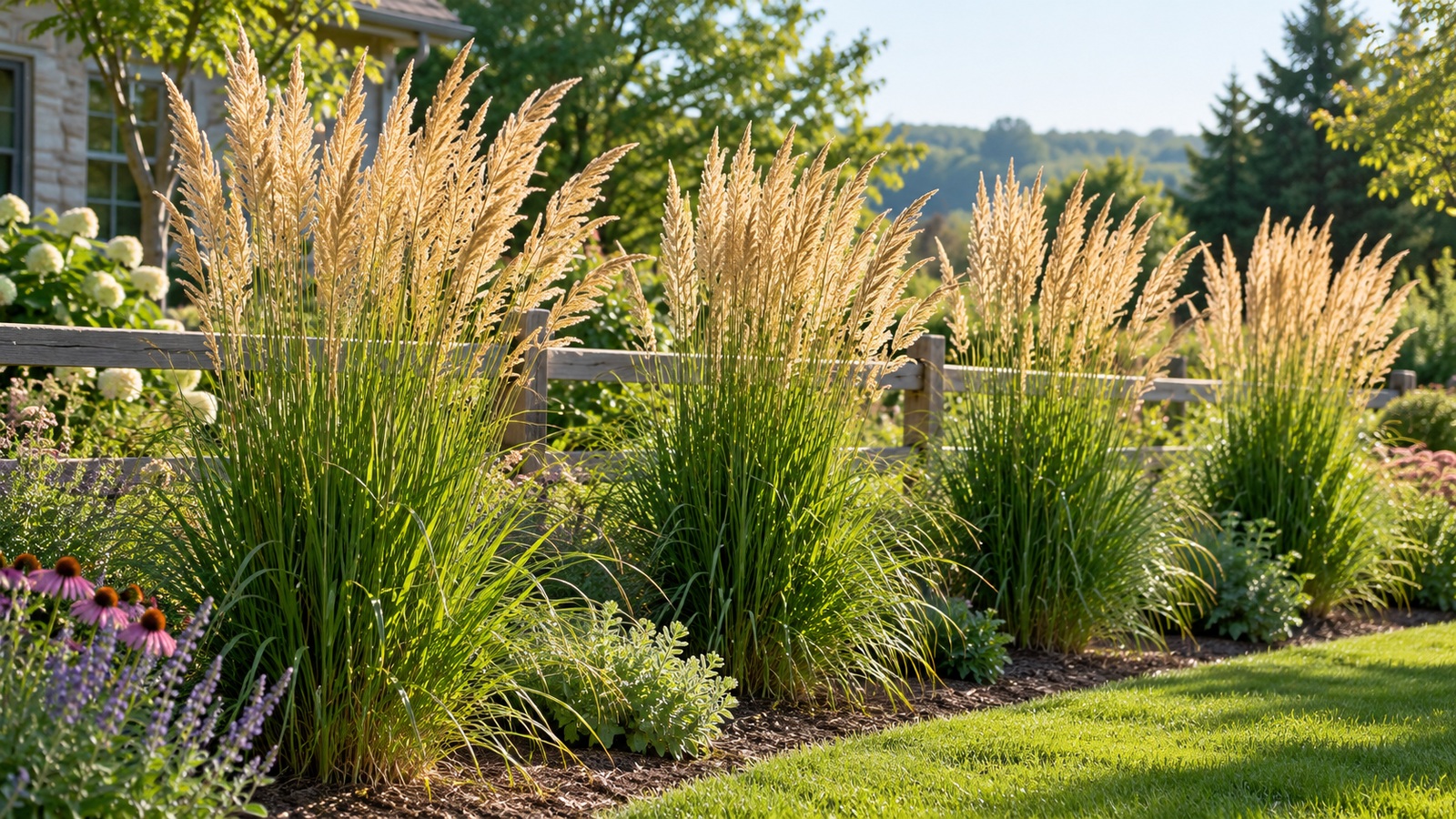
Choose the Kind of Quick Impact Your Garden Needs
A new border can feel empty while shrubs and perennials settle in, and ornamental grasses often seem like an appealing way to add height and movement sooner. The word fast needs a useful definition before you shop, though. Early spring growth, strong summer height, and rapid permanent spreading are different traits, and the last one can create a problem rather than a benefit. A healthy established division may offer a quicker visual start than a tiny seedling of the same grass, while a warm-season species waits for suitable temperatures before making its main growth. Choose for the effect you need by a particular season and for the space the mature plant will eventually occupy. Then support establishment with appropriate planting and water instead of trying to force size through crowding or excessive feeding. Quick impact is most successful when it remains compatible with the garden after the first impressive season.
A: Specify whether you mean early foliage, summer height, or establishment speed because each describes a different kind of impact.
A: Feather reed grass grows in cooler conditions, while many prairie grasses make their strongest development after temperatures rise.
A: No, first-season screening varies with the cultivar, starting stock, weather, and conditions supporting the new roots.
A: Use a broad regionally suitable area where its tall mature structure has space without hiding smaller neighboring plants.
A: No, its smaller scale and seasonal character suit different accent roles than those of large screening grasses.
A: No, inspect roots and vigor because stressed plants in large containers can establish less successfully than healthy smaller stock.
A: No, allow mature spacing and maintain temporary gaps so initial fullness does not become lasting overcrowding.
A: Nursery medium can dry independently, leaving new roots short of moisture even when surrounding garden soil appears damp.
A: It generally needs a more patient establishment period, so another suitable grass may better meet an urgent display goal.
A: Check regional behavior and mature dimensions before purchase, allowing care access and enough room for later growing seasons.
Distinguish Early Growth, Seasonal Height, and Mature Coverage
Decide whether your priority is an early green presence, a tall summer accent, or a connected grouping that makes a new bed look fuller. A cool-season grass can begin visible growth earlier than a warm-season one without necessarily reaching a greater mature size. A tall species may produce striking stems while leaving the ground around its base open. A group of established nursery plants may provide immediate repetition without spreading quickly at all. These differences let you choose a specific route to impact instead of searching for one universally fastest grass.
Use Feather Reed Grass for an Earlier Upright Presence
Feather reed grass, Calamagrostis × acutiflora, is a cool-season clumping grass. Cultivars such as 'Karl Foerster' are valued for their upright form and comparatively early development of flower stems. Where climate and site conditions suit them, they can introduce a clear vertical rhythm before many warm-season grasses reach their main display. The early seasonal effect is different from a promise that newly planted small pots will immediately form a mature screen. Read cultivar dimensions and local guidance to establish realistic expectations.
Place repeated clumps where their eventual stems have room to remain visible and where the lower foliage will not be crowded out. A sunny appropriate site supports the intended form better than a shaded corner chosen only because it needs height. Give roots suitable moisture during establishment and monitor the planting rather than assuming that a familiar cultivar requires no care. The visual appeal comes from healthy distinct columns, not from forcing every plant tightly against the next one.
Consider the whole seasonal outline when using an upright grass near a fence or entrance. Stems can create a partial visual filter while remaining airy, so they are not equivalent to a dense evergreen barrier. The planting will also change after seasonal cutting or weather damage. If privacy is essential all year, combine the grass's contribution with a suitable permanent structure. A fast early display should support the design without being asked to perform a task its seasonal growth cannot guarantee.
Choose Switchgrass for a Substantial Warm-Season Effect
Switchgrass, Panicum virgatum, is a North American warm-season grass with many cultivated forms. It can add substantial summer foliage and airy flowering structure in a suitable sunny site. Cultivars differ in height, color, and habit, so choose one whose mature size fits the bed. The main growth begins later than that of cool-season grasses as conditions warm. A slow-looking spring patch may therefore be following its normal season rather than demonstrating poor establishment.
Start with healthy nursery material if you need a stronger near-term presence, while allowing time for roots and clumps to develop. Switchgrass is useful for a lasting planting, but its performance depends on cultivar, light, soil, moisture, and the starting plant. Avoid guaranteeing a fixed first-year height or a complete screen by a particular date. Instead, position the plants for their mature role and judge progress against the actual growing season. That approach gives you room to adapt without mistaking normal development for failure.
Consider Big Bluestem Where Its Eventual Scale Belongs
Big bluestem, Andropogon gerardii, can contribute tall warm-season structure where regional conditions and the available space suit it. Its scale makes it more appropriate for a broad border or substantial planting than a narrow strip beside a path. Choose the cultivar or regional plant material deliberately, and verify the expected height and spread. A large grass can deliver visual weight while still taking time to establish fully. The first decision should be whether you want that mature plant in the garden, not merely whether it can grow tall during a warm summer.
Keep sightlines and neighboring plants in mind before using a tall grouping. A small new clump may initially leave plenty of room, but the eventual foliage and stems can shade nearby flowers or obstruct views. Lay out the mature footprint and leave practical access for seasonal care. Strong growth is an advantage only when the plant can reach its normal size without continual correction. If the site requires a smaller form, choose one rather than expecting pruning to turn a large grass into a compact permanent solution.
Use suitable soil conditions and avoid overfeeding in pursuit of speed. Many ornamental grasses do not need rich repeated fertilization to deliver their intended effect, and excessive fertility can encourage weak or leaning growth in some circumstances. Water establishment plants appropriately, then adjust to the species and the site. A healthy root system supports future performance more reliably than a short-lived surge in leaf size. The tall display should develop from a stable planting rather than from a forced routine that demands continual intervention.
Use Little Bluestem for a Smaller Warm-Season Accent
Little bluestem, Schizachyrium scoparium, offers a different scale and seasonal character from the larger warm-season grasses. It can provide upright clumps and later color where its sunlight and soil requirements are met. Cultivar differences still influence size and appearance, and a small starter plant should not be advertised as an instant mature mass. It is useful when the garden needs a lasting grass accent that remains more modest than big bluestem. Choose it for that fit and its seasonal interest, then allow establishment time rather than judging every option solely by maximum growth speed.
Buy a Strong Starting Plant Without Buying Future Crowding
Container size can affect the amount of foliage you see at installation, but inspect the plant rather than buying the largest pot automatically. Look for healthy growth and a sound root system, avoiding badly stressed or deteriorating material. A crowded pot that has been neglected may not establish as well as a smaller vigorous plant. Ask whether the selection is propagated to preserve its cultivar characteristics. Starting quality is a practical part of achieving earlier visual impact, not merely a matter of paying for more leaves.
Use the mature spacing even when a new bed looks temporarily open. Planting too tightly can produce a quick photograph while creating competition and a later division task. Arrange a manageable number of substantial plants in clear groups instead of scattering many weak small ones throughout the area. If the budget favors smaller stock, accept a longer establishment interval and manage the gaps appropriately. The planting should become easier to understand as it grows, rather than requiring removal of alternate plants to regain the design.
Support Establishment With Timing, Roots, and Moisture
Plant at a time suited to the grass and the local climate. Cool-season and warm-season species do not respond identically to every planting window, and a late installation may have limited root-development time before stressful weather. Follow regional recommendations instead of assuming that nursery availability identifies the best date. Prepare the site for drainage and remove serious competitors before installation. A well-timed start can improve the plant's progress more reliably than an aggressive feeding schedule.
Set the plant at an appropriate depth and make sure water reaches the original root ball as well as the surrounding soil. Container medium and garden soil can dry differently, so examine both during the establishment period. New plants may need regular moisture even when mature specimens tolerate drier conditions. Avoid allowing a hidden dry root ball to persist beneath a wet-looking surface. Observation is especially useful when you are expecting visible growth within the current season.
Check weeds, mulch placement, and the condition of the crown while the grass develops. Do not bury the crown beneath a thick layer of material or let vigorous weeds dominate the open gaps. If growth disappoints, compare the weather and seasonal timing with the species' normal pattern before diagnosing a nutrient shortage. Late warming, shade, poor drainage, or root stress can all matter. Correct the actual constraint rather than applying more of a treatment that does not address it.
Avoid Invasive Speed and Unrealistic Screening Promises
Screen every candidate against current regional invasive guidance. Some widely sold grasses, including certain Miscanthus and fountain-grass species, are problematic in particular regions and should not be selected merely for rapid size or spreading. Common names and cultivar marketing can obscure the botanical identity, so verify the full name. Choose a locally appropriate alternative when a candidate is unsuitable. A quick display is a poor bargain if the plant creates a long-term escape or control problem.
Distinguish visual screening from dependable year-round privacy. Most ornamental grass displays change through dormancy, cutting, and severe weather, and the openness between stems remains part of their character. Keep necessary views and safety clearances available while allowing movement and seasonal texture. A useful garden plan can combine grasses with other structures without making exaggerated promises about a single planting. The seasonal nature of the effect is an opportunity when it is acknowledged from the start.
Plan the Second and Third Seasons Along With the First
Some grasses take longer to establish than their mature photographs suggest. Prairie dropseed, for example, is valued for its fine fountainlike form but is known for slower establishment, making it a less suitable first choice when speed is the overriding aim. That does not reduce its value in a different design. Compare each candidate's establishment behavior with the kind of impact you want. A slower plant may belong in the permanent plan while another appropriate grouping supplies earlier presence.
Leave room for clumps to reach maturity and develop a seasonal cleanup routine suited to the species. Dead stems may provide useful winter structure where they remain safe and attractive, with cutting timed appropriately before new growth is damaged. Monitor leaning, crowding, and unexpected seedlings as the planting develops. A strong first season does not end the care relationship. The second and third seasons reveal whether the original layout accommodates the plant's real form.
The best fast-impact grass is one that delivers a useful early or summer contribution and remains welcome afterward. Select a healthy starting plant, match its growth season and mature scale to the site, and give it suitable establishment care. Use the first year's display as part of a longer design rather than a deadline that justifies poor choices. Healthy repeated clumps can make a garden feel fuller while roots develop and other plants mature. That practical combination of timing and fit produces a more dependable result than chasing the fastest growth label alone.
Check Seasonal Growth Before Setting a Deadline
Consult Iowa State University’s grass-selection guidance and regional invasive information. For establishment and seasonal cutting tools, explore Garden Product Reviews after choosing the grass’s mature role.


