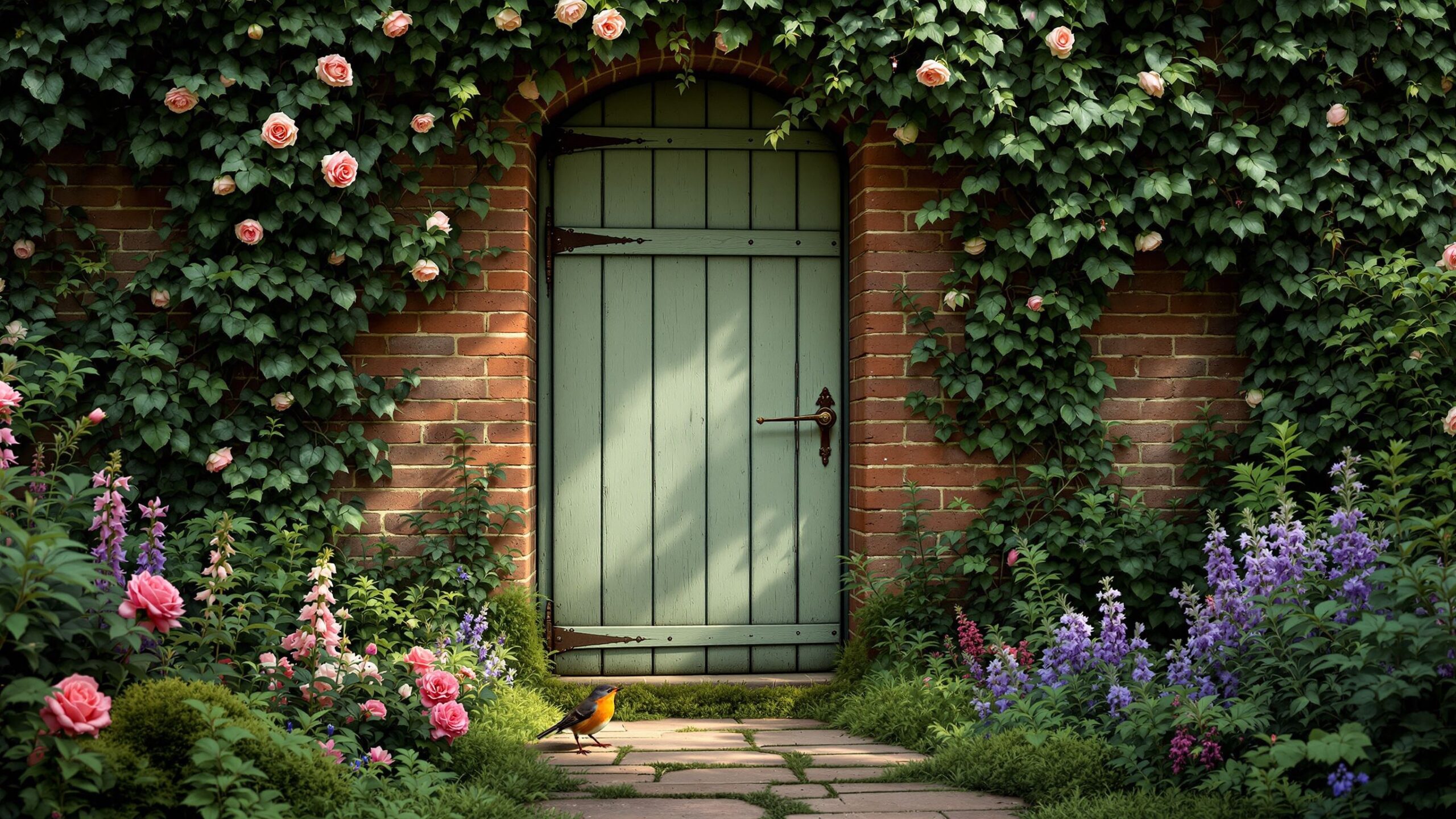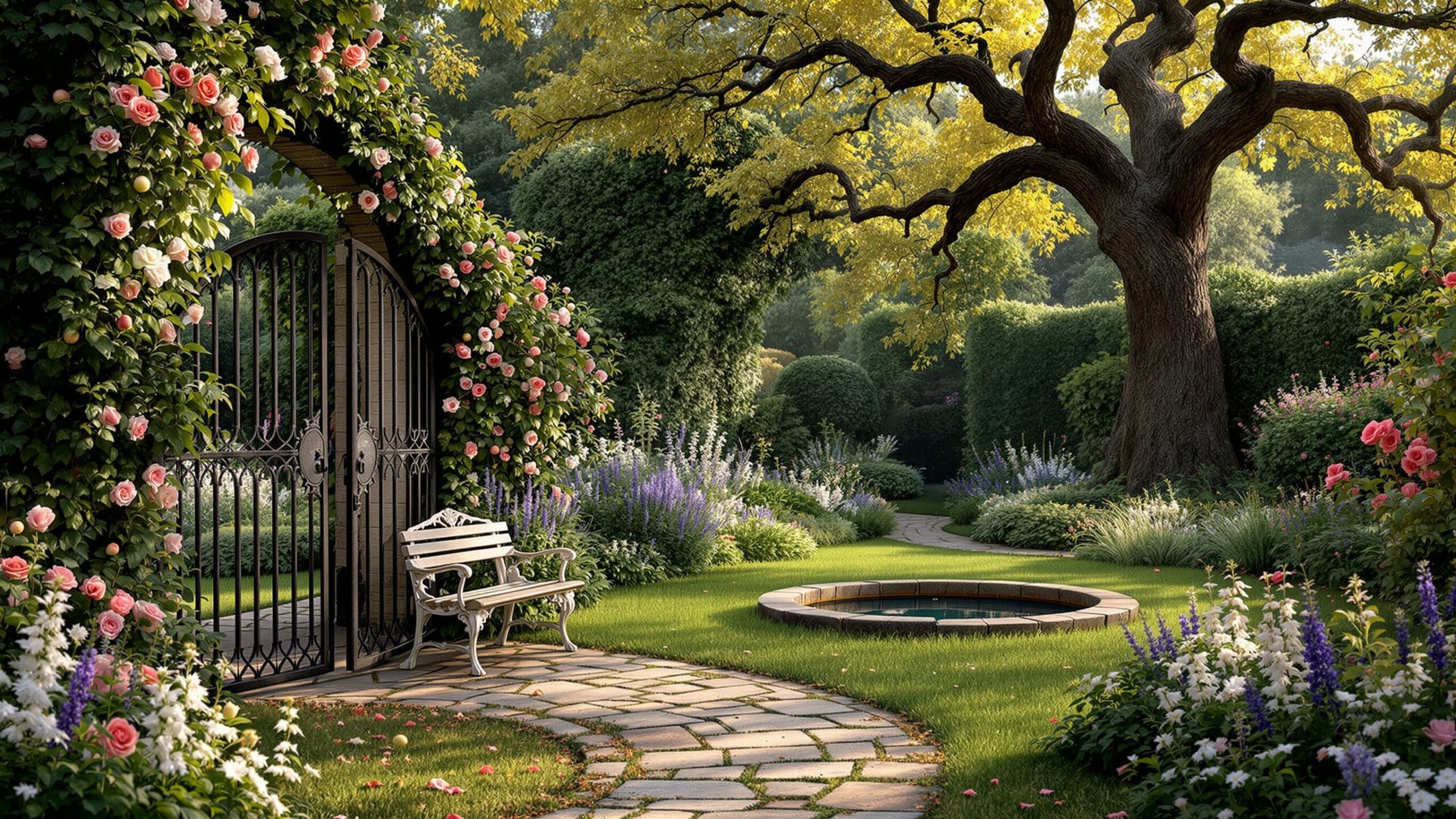
Gardens have appeared in stories for centuries because they can represent almost anything a writer needs them to become. A garden can be a paradise, a prison, a sanctuary, a place of temptation, a symbol of lost innocence, a reflection of grief, or a space where characters change. Unlike forests or wilderness, gardens are shaped by both nature and human intention. They grow, but they are also designed. They can be controlled, yet they can also become overgrown. This tension makes them especially powerful literary settings. Writers can use a garden to show the difference between order and chaos, life and death, secrecy and exposure, freedom and confinement, memory and renewal. Some of literature’s most famous gardens are remembered almost as strongly as the characters themselves. From the Garden of Eden and Frances Hodgson Burnett’s hidden garden to the estates of Jane Austen, the gardens of Shakespeare, and the symbolic landscapes of modern fiction, these spaces reveal how deeply people connect nature with emotion and meaning.
A: Common meanings include paradise, growth, innocence, love, secrecy, temptation, renewal, healing, control, and transformation.
A: Hidden spaces naturally create mystery while giving characters a private world where discoveries and transformations can occur.
A: It may represent neglect, grief, lost history, disorder, secrecy, or nature reclaiming a place humans once controlled.
A: Blooming gardens frequently symbolize love, hope, fertility, renewal, emotional awakening, or a return to life.
A: The idea is deeply connected to ancient religious and mythological traditions, especially the influential image of the Garden of Eden.
A: Depending on the story, it can represent protection, privacy, exclusion, secrecy, restriction, or the boundary between two worlds.
A: Flowers combine beauty with short lifespans, making them useful symbols for love, youth, mortality, memory, and the passage of time.
A: Frances Hodgson Burnett's The Secret Garden is one of the clearest examples, with the restored garden paralleling the children's emotional transformation.
A: Absolutely. A garden might feel like freedom to one character, confinement to another, and nostalgia to someone else.
A: Gardens naturally combine beauty, growth, decay, seasons, boundaries, human effort, and wild nature, giving writers a rich setting for symbolism and emotional change.
The Garden as Paradise
One of the oldest and most influential garden symbols in Western literature comes from the Garden of Eden. The biblical garden represents abundance, innocence, beauty, divine order, and a world untouched by suffering. Everything necessary for life appears to exist within it, making the garden an image of perfect harmony between humans, nature, and the divine. Yet Eden also becomes a place of temptation and irreversible change. Once Adam and Eve eat the forbidden fruit, the garden is lost. This dual meaning shaped centuries of literature. Gardens can therefore symbolize both perfection and the painful awareness that perfection cannot always be recovered.
The Garden of Eden and the Idea of Lost Innocence
The concept of a lost garden became one of literature’s most enduring metaphors. Writers repeatedly return to landscapes that characters remember as safer, happier, or more innocent than the world they inhabit later. A childhood garden, family estate, orchard, or hidden patch of nature can represent a period before grief, betrayal, adulthood, or social pressure changed everything. The garden becomes powerful precisely because characters cannot return to it in quite the same way. Even when the physical place survives, the person who remembers it has changed.
Paradise Lost and the Garden as a Battleground
John Milton’s Paradise Lost transformed the Garden of Eden into one of literature’s most dramatic symbolic landscapes. The garden remains beautiful and abundant, but readers know from the beginning that this perfection is temporary. Eden becomes a place where innocence and temptation coexist. The lushness of the setting makes the eventual fall feel even more tragic. Milton’s garden is not simply decorative scenery. Its beauty intensifies the stakes of the story by showing what can be lost through a single act of disobedience.
The Secret Garden and the Symbol of Renewal
Frances Hodgson Burnett’s The Secret Garden offers one of the clearest examples of a garden symbolizing renewal. The garden has been locked away following tragedy and left to grow without care. When Mary Lennox discovers it, she finds a place that appears neglected but is not truly dead. As she begins working in the garden, the landscape awakens alongside the characters. Mary becomes healthier and more connected to others. Colin becomes more confident and physically active. The garden mirrors their emotional transformations. It suggests that what appears lost or damaged may still contain the possibility of growth.
Why the Garden Must Be Hidden
The secrecy of Burnett’s garden is just as important as its flowers. Hidden spaces create a sense of ownership and independence for the children. The garden exists apart from the rules, grief, and restrictions of the manor house. This separation allows transformation to happen away from adult expectations. In literature, hidden gardens frequently symbolize private emotional worlds. A character may discover something there that could not emerge in a more public space.
Alice’s Adventures in Wonderland and the Garden Beyond the Door
In Lewis Carroll’s Alice’s Adventures in Wonderland, the beautiful garden Alice sees through a tiny door becomes an object of desire and frustration. She wants to enter it but cannot easily reach it because she is constantly the wrong size. The garden represents an inaccessible goal, something attractive that seems always slightly beyond reach. Carroll uses the image playfully, but it also captures a recognizable emotional experience: wanting to enter a world that seems designed for you while repeatedly discovering that you do not fit.
Gardens as Places of Transformation
Literary gardens often mark moments when characters become different versions of themselves. This transformation may be emotional, social, spiritual, or psychological. Gardens encourage this symbolism because they are themselves constantly changing. Seeds germinate, flowers bloom, fruit ripens, leaves fall, and dormant plants return. A writer can use these natural cycles to reflect changes in a character’s life without explaining everything directly. The garden does part of the storytelling.
Shakespeare’s Gardens and the Language of Plants
William Shakespeare frequently used flowers, herbs, orchards, and gardens symbolically. Plants could represent love, memory, betrayal, grief, sexuality, youth, decay, or political disorder. Shakespeare’s audiences were familiar with many traditional plant associations, allowing botanical references to communicate additional layers of meaning. Gardens in his plays are rarely neutral backgrounds. They often become spaces where important conversations, secret meetings, or symbolic actions occur.
The Balcony Garden in Romeo and Juliet
The famous balcony scene in Romeo and Juliet takes place in a garden setting, creating a private world separate from the conflict between their families. The garden offers temporary protection from public hostility. In this space, Romeo and Juliet can speak freely about love. Yet the secrecy also foreshadows danger. Their relationship can exist only when hidden. The garden therefore becomes both sanctuary and symbol of forbidden intimacy.
A Rose by Any Other Name
One of Shakespeare’s most famous lines uses the rose to explore identity. Juliet questions why Romeo’s family name should determine whether she can love him, arguing that changing the name of a rose would not change its fragrance. The rose becomes a symbol of essential identity beneath social labels. The power of the metaphor depends on the cultural familiarity of roses as beautiful, fragrant flowers. Shakespeare transforms a common garden plant into a philosophical argument about names, identity, and social division.
Ophelia’s Flowers in Hamlet
In Hamlet, flowers become intensely symbolic through Ophelia. She distributes plants associated with remembrance, thought, flattery, regret, and other meanings. The scene becomes especially moving because the flowers communicate what direct speech cannot fully express. The garden vocabulary of the period allowed Shakespeare to layer emotional and political meaning into the plants themselves. This tradition of symbolic flowers would continue through later literature and art.
The Garden as a Place of Forbidden Love
Gardens frequently appear in romantic stories because they offer privacy within otherwise controlled social worlds. Walls, hedges, trees, and secluded paths create spaces where characters can escape supervision. The same qualities that make gardens physically enclosed make them useful for secret conversations, stolen kisses, and forbidden relationships. The garden becomes a temporary world where social rules loosen.
Jane Austen and the Social Landscape
Gardens and estates in Jane Austen’s novels often communicate wealth, taste, character, and social position. Landscapes are not merely pretty places for characters to walk. The way an estate is managed can reveal qualities about its owner. Large houses, grounds, parks, and gardens become part of the social language of Austen’s world. Characters evaluate one another partly through the environments they inhabit.
Pemberley in Pride and Prejudice
Pemberley plays a major symbolic role in Pride and Prejudice. When Elizabeth Bennet visits Mr. Darcy’s estate, she encounters a landscape that changes her understanding of him. The property is impressive but not presented as excessively artificial. Its beauty suggests taste, responsibility, and harmony rather than vanity alone. Pemberley becomes an indirect portrait of Darcy. Elizabeth sees evidence that complicates the assumptions she previously held about his character.
Why Landscape Matters in Jane Austen
Austen lived during a period when landscape design carried strong social meaning. An estate could communicate refinement, wealth, modern taste, or excessive display. By describing grounds and gardens, Austen could reveal class expectations without lengthy explanations. The landscape becomes part of character development. Readers are encouraged to ask whether the person who controls the estate also possesses the qualities reflected in its design.
The Garden as a Symbol of Social Class
Throughout literature, gardens can represent privilege because maintaining large ornamental landscapes historically required land, labor, and money. Formal estates, private parks, conservatories, and elaborate flower gardens could immediately communicate social position. Writers sometimes celebrate these landscapes, but they can also use them critically. A magnificent garden may reveal beauty while simultaneously drawing attention to inequality or the labor required to maintain it.
The Great Gatsby and the Garden Party
In F. Scott Fitzgerald’s The Great Gatsby, manicured lawns, luxurious estates, and outdoor parties contribute to the appearance of wealth and effortless glamour. Gardens and grounds become part of the performance of status. Yet beneath the beauty lies instability. The landscapes are carefully maintained, but the relationships unfolding within them are often fragile, dishonest, or destructive. This contrast between polished surroundings and emotional disorder is central to the novel’s atmosphere.
The Garden as Performance
Literary gardens can function like stages. Characters dress differently, behave differently, and present idealized versions of themselves within carefully designed landscapes. Garden parties are especially useful because they bring public social performance into a setting associated with nature and beauty. The flowers may be real, but the behavior surrounding them can be highly artificial.
Wuthering Heights and the Absence of the Formal Garden
Emily Brontë’s Wuthering Heights demonstrates that the absence of a cultivated garden can be just as meaningful as its presence. The wild moors surrounding the characters contrast sharply with more controlled domestic spaces. Nature is powerful, open, unpredictable, and emotionally intense. This makes the landscape a reflection of the novel’s passionate relationships. A formal garden would feel almost too contained for the world Brontë creates.
Wild Nature Versus Cultivated Nature
Literature frequently contrasts gardens with wilderness. A garden represents human attempts to organize nature, while forests, moors, deserts, and mountains appear less controlled. Characters moving between these spaces may also move between social expectations and personal freedom. The garden can therefore symbolize civilization, while wilderness represents instinct or escape. Writers often complicate this contrast by showing that too much control can become oppressive.
The Enclosed Garden as a Symbol of Protection
Walls around gardens can suggest safety. Historically, enclosed gardens protected plants from animals, weather, and theft. In literature, the same structure can symbolize emotional protection. Characters retreat into gardens because the outside world feels threatening. The enclosure creates a private refuge. Yet protection can easily become confinement, making the same wall both comforting and restrictive.
The Enclosed Garden as a Symbol of Confinement
A locked or walled garden can also represent exclusion. A character may be prevented from entering, trapped inside, or psychologically separated from others by the garden’s boundaries. This ambiguity makes enclosed gardens especially powerful. The reader must decide whether the walls protect what is inside or imprison it. Often they do both.
The Garden in Frances Burney and Early Women’s Writing
In literature written during periods when women’s movement through public spaces was heavily restricted, gardens often became important settings for private thought and conversation. A woman could walk within an estate garden with greater freedom than in many public settings. Writers used these spaces to create moments of independence, romantic conversation, or reflection that would have been difficult elsewhere.
Gardens and Female Independence
Because gardens occupy a space between home and public life, they can symbolize partial freedom. A character has left the interior domestic world but has not entered uncontrolled public space. This makes gardens especially significant in stories about women negotiating social expectations. The garden becomes a threshold between restriction and independence.
The Little Prince and the Meaning of the Rose
Antoine de Saint-Exupéry’s The Little Prince uses a single rose to explore love, responsibility, pride, attachment, and uniqueness. The rose is difficult, beautiful, and deeply important to the Little Prince. Later, when he sees many roses that look similar, he must confront the idea that his rose is not physically unique. What makes her unique is the relationship he has built through care and attention.
A Flower Becomes Important Because It Is Loved
The rose in The Little Prince expresses one of literature’s most enduring ideas about gardens: value can come from care rather than rarity. A plant becomes meaningful because someone waters it, protects it, observes it, and remembers it. This same principle explains why ordinary family gardens can become emotionally powerful. The rose may not be rare, but the relationship is.
The Garden as Memory
Gardens are natural containers for memory because they change slowly while preserving traces of the past. A tree planted decades earlier can outlive the person who planted it. An old rose may remind a character of childhood. A neglected garden can reveal that someone is absent. Writers frequently use plants as physical links between present and past.
Rebecca and Manderley’s Rhododendrons
Daphne du Maurier’s Rebecca uses the landscape of Manderley to create atmosphere and psychological tension. The estate’s gardens, especially its overwhelming rhododendrons, are beautiful but also oppressive. They seem almost too vigorous, reinforcing the sense that the memory of Rebecca continues dominating the property. Plants become part of the haunting rather than offering simple comfort.
When Flowers Become Threatening
Gardens are usually associated with beauty, but literature often makes them unsettling by exaggerating familiar qualities. Flowers can become too abundant, vines too invasive, perfume too strong, or hedges too enclosed. The reader recognizes the beauty but also senses something wrong. This technique works because gardens are supposed to feel safe. When they do not, the contrast becomes powerful.
The Garden in The Great Expectations Tradition
Victorian literature often used decaying houses and neglected gardens to symbolize emotional stagnation, lost time, or social decline. An overgrown path or abandoned flower bed immediately suggests that ordinary life has stopped. Gardens are especially effective for this purpose because neglect becomes visible. Weeds spread, hedges lose their shape, and structures disappear beneath vines.
Miss Havisham and the Landscape of Stopped Time
Although Charles Dickens’s Great Expectations is better known for the decaying interior of Satis House than for a central garden, the surrounding atmosphere of neglect reinforces Miss Havisham’s refusal to move forward. The broader Gothic tradition often uses neglected grounds to show characters trapped psychologically in the past. Nature keeps growing even when people refuse to change.
Gardens in Gothic Literature
Gothic gardens are rarely cheerful flower beds. They may contain ruined statues, overgrown paths, locked gates, poisonous plants, dead trees, or fountains that no longer work. These landscapes suggest secrets and buried histories. The garden becomes evidence that something once orderly has been disturbed.
The Garden as a Gothic Threshold
A Gothic garden often stands between the safety of the house and the danger of the wilderness. Characters pass through it on the way toward discoveries. Because it is both cultivated and overgrown, the garden visually represents uncertainty. It belongs to civilization, but nature is reclaiming it.
Poison Gardens and Dangerous Beauty
Poisonous plants provide writers with an obvious metaphor: something can be beautiful and dangerous simultaneously. Flowers associated with poison, medicine, sleep, or death appear throughout literary traditions. A garden filled with attractive but harmful plants becomes a perfect setting for stories about deception or hidden danger.
The Garden in Children’s Literature
Children’s stories frequently use gardens because they create worlds at a manageable scale. A child can explore a garden independently in ways that would be impossible in a vast wilderness. Bugs, birds, plants, hidden corners, sheds, walls, and paths turn a familiar space into an adventure landscape. A garden can feel enormous when experienced from a child’s perspective.
Peter Rabbit and the Forbidden Garden
Beatrix Potter’s The Tale of Peter Rabbit transforms Mr. McGregor’s vegetable garden into a place of temptation and danger. To an adult, it is a productive kitchen garden. To Peter, it is an irresistible forbidden world filled with food. The garden’s boundaries are important because entering it means breaking a rule. Vegetables become treasure precisely because they are not his to take.
The Garden as Temptation
From Eden to Peter Rabbit, gardens repeatedly become places containing something characters are told not to touch. This pattern works because gardens naturally contain desirable things: fruit, flowers, privacy, beauty, and abundance. The wall or rule surrounding them only increases their appeal.
The Velveteen Rabbit and Garden Transformation
In Margery Williams’s The Velveteen Rabbit, the natural world becomes associated with becoming real, freedom, and transformation. Although the garden is not used in the same central way as Burnett’s, outdoor nature marks a movement beyond the enclosed nursery. Children’s literature often uses gardens as transitional spaces where imagination and reality overlap.
The Garden as a Place Between Worlds
Gardens are neither completely indoors nor fully wild. This in-between quality makes them perfect for stories involving transformation or fantasy. A gate can function almost like a portal. A path disappearing behind a hedge can lead somewhere unexpected. Writers do not need literal magic for the garden to feel enchanted.
The Chronicles of Narnia and Garden-Like Paradise
C.S. Lewis frequently used natural abundance and paradisiacal imagery to communicate restoration and goodness. Orchards, trees, flowers, and fertile landscapes appear in contrast with barren or frozen environments. The return of growth signals the return of life and order.
Winter Versus the Garden
A frozen landscape can symbolize stagnation, while spring and flowering gardens represent release. This seasonal symbolism is extremely old but remains powerful because readers understand it instinctively. When flowers return after a long winter, the story feels different even before characters explain why.
The Garden in The Handmaid’s Tale
Margaret Atwood’s The Handmaid’s Tale uses gardens in a darker way. Serena Joy tends flowers within the controlled domestic environment of the Commander’s household. The garden introduces fertility symbolism into a novel obsessed with reproduction, gender, and control. Flowers become both beautiful and unsettling because their natural fertility contrasts with the political regulation of women’s bodies.
Flowers and Controlled Fertility
Atwood demonstrates how a garden symbol can be reversed. Fertility, normally associated with abundance and hope, becomes threatening when controlled by oppressive systems. The garden looks peaceful, but its symbolism reflects the power structures surrounding it.
The Garden in The Color Purple
Gardens, fields, flowers, and natural beauty become important in Alice Walker’s The Color Purple. Nature offers moments of spiritual recognition and beauty beyond institutional definitions of religion. Flowers and landscapes can represent the possibility of noticing joy even within difficult circumstances.
Gardens as Spiritual Spaces
Literary gardens often become alternatives to churches, temples, or formal religious institutions. Characters may experience transcendence through sunlight, flowers, birds, trees, and growth. Nature becomes a language through which they interpret meaning, gratitude, or connection.
The Garden in Beloved
Toni Morrison frequently uses natural imagery, including trees, flowers, fields, and gardens, to complicate ideas of memory, trauma, refuge, and survival. In Beloved, natural spaces can offer moments of beauty while remaining connected to painful histories. This complexity reminds readers that nature does not erase suffering. Instead, it exists alongside it.
Trees, Gardens and Memory
Plants can survive events that humans wish to forget. This makes them powerful symbols in literature about historical trauma. A tree may become a witness. A garden may continue growing on land carrying painful memories. Writers use this continuity to explore the relationship between beauty and history.
The Garden as a Symbol of Control
Every garden involves intervention. Someone decides what is planted, what is removed, where paths go, and which plants are considered weeds. This makes gardens useful symbols for political or social control. A perfectly manicured landscape can suggest discipline, surveillance, conformity, or power.
Perfect Gardens Can Be Unsettling
An excessively perfect garden may feel unnatural because real plants constantly change. In dystopian or satirical literature, immaculate lawns and symmetrical flower beds can signal that individual variation is unwelcome. The landscape becomes visual evidence of a society demanding conformity.
Overgrown Gardens as Symbols of Rebellion
The opposite can also be true. An overgrown garden may represent resistance to control. Vines cross boundaries, weeds emerge through paths, and flowers seed themselves wherever conditions allow. Nature refuses to remain exactly where someone placed it. Writers can use this growth to symbolize freedom, disorder, or life continuing despite attempts to suppress it.
The Garden as the Human Mind
Psychological literature often treats houses as metaphors for the mind, but gardens can serve the same purpose. Hidden corners suggest secrets. Dead plants represent neglect. New growth suggests healing. A carefully controlled garden can reflect a character obsessed with order, while a tangled landscape may mirror emotional confusion.
Gardening as Self-Discovery
When literary characters begin gardening, the process often changes how they understand themselves. Working with plants requires patience because results cannot be forced immediately. Characters must observe, respond, wait, fail, and try again. This makes gardening especially useful in stories about personal growth.
Gardens and Grief
Gardens often appear in stories involving loss because plants make cycles of death and return visible. Flowers disappear each winter and return in spring. Trees lose leaves and grow new ones. Seeds emerge after apparently vanishing beneath the soil. Writers can use these cycles to suggest continuation without denying grief.
Memorial Gardens in Literature
Planting something after a death creates a living memorial. Unlike stone monuments, plants change over time. A tree becomes larger, roses bloom each year, and a garden requires continued care. This makes memorial planting especially meaningful in stories about remembrance.
Gardens and Romantic Desire
Flowers have long been connected to romance, making gardens obvious settings for love stories. Yet literary gardens often complicate romance with secrecy, danger, or social rules. Lovers meet there because they cannot meet elsewhere. The privacy creates intimacy while increasing the risk of discovery.
The Garden as Seduction
Writers frequently use fragrance, warmth, flowers, fruit, and enclosed spaces to create sensual atmosphere. Gardens engage multiple senses simultaneously, making them ideal environments for scenes of attraction. This connection stretches back through classical poetry and continues in modern fiction.
The Garden as Childhood
Many literary gardens represent childhood because they are places where ordinary objects become enormous adventures. A hedge becomes a maze. A tree becomes a fortress. A pond becomes an ocean. Adults see a yard; children see a world. When characters return to childhood gardens later in life, the landscape often becomes a powerful reminder of time passing.
Returning to the Garden
A character returning to an old garden frequently discovers that either the place has changed or they have. Trees are larger, paths are narrower, or a garden once remembered as enormous seems small. This difference between memory and reality can create some of literature’s most emotionally effective scenes.
Gardens as National Identity
Certain garden styles become associated with cultures and nations. English cottage gardens, French formal gardens, Japanese landscapes, Persian gardens, and Mediterranean courtyards carry distinctive cultural associations. Writers can use these styles to establish place quickly or explore questions of identity and belonging.
The English Garden in Literature
The English garden often symbolizes a particular vision of home: green, enclosed, cultivated, comfortable, and historically rooted. Writers sometimes celebrate this image and sometimes challenge it by revealing the class systems, colonial histories, or social exclusions supporting that apparent tranquility.
Gardens and Colonial Literature
Gardens have complicated histories within colonial literature because imported plants and landscape styles often accompanied empire. Colonial estates might recreate European gardens in unfamiliar climates, symbolizing attempts to impose cultural identity on foreign landscapes. At the same time, plants themselves traveled through imperial trade networks. Modern literary analysis increasingly examines these histories rather than treating gardens as politically neutral.
The Garden as Cultural Exchange
Plants rarely remain within national boundaries. Roses, tulips, citrus, tea, spices, ornamental trees, and countless other species traveled through trade, migration, exploration, and colonization. Literary gardens can therefore reveal cultural exchange even when the text does not explicitly discuss it.
Why Authors Use Flowers Instead of Explanations
A writer can say a character remembers someone, or they can place rosemary in the character’s hand. They can explain innocence, or they can use a white lily. Plant symbolism allows authors to communicate ideas indirectly. The reader experiences the image first and interprets the meaning afterward.
The Language of Flowers
During the 19th century, the so-called language of flowers became especially fashionable. Different plants were assigned symbolic meanings that could be communicated through bouquets or literary references. Although meanings varied between sources, the broader cultural fascination helped make flowers even more useful as storytelling devices.
Roses: Love, Beauty and Secrecy
Roses are perhaps literature’s most versatile flowers. They can represent romance, youth, beauty, secrecy, pain, blood, mortality, and desire. Their thorns complicate their beauty, making them perfect symbols for love that carries danger or sacrifice.
Lilies: Purity and Death
Lilies often symbolize purity, innocence, spirituality, or death depending on context. Their appearance in funeral traditions gives them an association with mourning, while their pale flowers can suggest spiritual beauty. Writers can therefore use the same flower to create very different emotional effects.
Poppies: Sleep, Memory and Oblivion
Poppies have associations with sleep and death because of their relationship with opium, while red poppies also became powerful symbols of wartime remembrance. In literature, they can represent forgetfulness, altered consciousness, sacrifice, or memory depending on context.
Ivy: Loyalty or Entrapment
Ivy remains green and clings tightly to structures, allowing writers to use it as a symbol of loyalty and persistence. Yet the same growth can suggest entrapment or the past overwhelming the present. An ivy-covered building may appear romantic or sinister depending on the story surrounding it.
Weeds: Disorder, Survival and Resistance
One character’s weed is another character’s wildflower. Literature can use weeds to question who gets to decide what belongs. A weed survives without permission, making it a natural symbol of resilience or resistance.
Why Dead Gardens Are So Powerful
A dead or neglected garden instantly communicates that something is wrong. Because readers expect gardens to contain growth, absence becomes meaningful. Bare beds, broken fountains, and tangled branches suggest grief, abandonment, poverty, disaster, or emotional withdrawal.
The Return of Flowers
When plants begin returning to a neglected garden, readers understand the symbolism immediately. Renewal has begun. This does not mean every problem is solved, but growth signals possibility. Burnett used this structure brilliantly in The Secret Garden, and countless stories have repeated variations of it.
How Garden Settings Shape Mood
Gardens allow authors to manipulate mood through season, weather, time of day, and plant selection. A rose garden at sunrise feels very different from the same garden during a thunderstorm. A summer orchard suggests abundance, while a frozen garden can feel empty or suspended. The landscape becomes part of the emotional language of the scene.
Moonlit Gardens
Moonlit gardens are especially common in romantic and Gothic literature because familiar plants become mysterious at night. White flowers glow, paths disappear into shadow, and ordinary statues can appear almost alive. Darkness transforms a controlled garden into something uncertain.
Autumn Gardens
Autumn gardens naturally suggest aging, transition, memory, and approaching loss. Leaves turn beautiful immediately before falling, creating a powerful image of beauty connected to impermanence. Writers can use autumn landscapes to explore characters reaching the end of relationships, seasons of life, or historical eras.
Spring Gardens
Spring represents beginnings almost automatically. Buds, young leaves, rain, nesting birds, and emerging flowers all communicate possibility. Writers often place emotional or romantic awakenings in spring gardens because the seasonal symbolism reinforces the story without needing explanation.
Winter Gardens
A winter garden strips away distraction. Flowers vanish, revealing branches, walls, paths, and architecture. In literature, this can symbolize truth, loneliness, stillness, or endurance. Evergreens become especially meaningful because they remain alive when much of the landscape appears dormant.
What Gardeners Can Learn From Literary Gardens
Literary gardens are not practical landscape plans, but they contain useful design ideas. The most memorable gardens usually have a clear emotional identity. Burnett’s garden is mysterious and restorative. Austen’s estates communicate character and status. Shakespeare’s flowers carry meaning. Gothic gardens create unease through neglect and enclosure. Home gardeners can use the same principle by deciding what they want a garden to feel like before selecting plants.
Create a Garden With Symbolic Plants
A personal garden can contain plants chosen for meanings and memories rather than appearance alone. Grow a flower connected to a favorite book, a rose associated with someone you love, an herb tied to family cooking, or a tree planted to mark an important event. These choices create layers of meaning visitors may not immediately see.
Create Mystery With Paths and Gates
Many famous literary gardens become memorable because they are discovered gradually. A curved pathway, vine-covered arbor, hidden bench, or partially concealed gate can recreate some of that feeling at home. The landscape becomes more interesting when it does not reveal everything immediately.
Let the Garden Tell Your Story
Your garden does not need to imitate a famous novel to become meaningful. The plants you save, the trees you preserve, the flowers you inherit, and the places where important conversations occur become part of its story. Over time, ordinary landscapes accumulate memories just as fictional gardens do.
Why Gardens Remain One of Literature’s Most Powerful Symbols
Gardens endure in literature because they contain contradictions. They are natural and artificial, private and visible, controlled and unpredictable, temporary and enduring. They can represent paradise while containing temptation. They can protect characters while imprisoning them. They can die and return. Few settings offer writers so many possibilities within such a familiar space.
Every Literary Garden Has Something Beneath the Flowers
The next time a garden appears in a novel, it is worth asking why the author chose it. Are the walls keeping someone safe or keeping someone out? Are the flowers blooming or fading? Is the garden carefully controlled or beginning to grow wild? Does a character feel freer outdoors than inside the house? Is something hidden behind the hedge? These details are rarely accidental. Gardens allow writers to make internal emotions visible in the physical world.
The Stories Keep Growing
From Eden’s lost paradise to Burnett’s hidden garden, Shakespeare’s symbolic flowers, Austen’s grand estates, Atwood’s unsettling domestic gardens, and the countless fictional landscapes that followed, gardens have remained among literature’s richest symbols. They can contain love, grief, childhood, secrecy, power, memory, rebellion, healing, temptation, and hope within the same few walls. Perhaps that is why readers remember them so vividly. A garden is never simply a place where flowers grow. In literature, it is a landscape where ideas grow too.
Garden Product Reviews
Step into Mossy Streets’ Garden Product Reviews — your go-to guide for the best tools, gear, gifts, books, and garden gadgets rooted in nature. From blooming backyard beauties to lush indoor jungles, from heirloom seeds to high-tech composters, we dig into top-rated products for green thumbs, beginners, educators, and plant lovers alike. Whether you’re planting, pruning, decorating, or simply enjoying your green space, we’ve unearthed the best so you can grow, bloom, and thrive — all in one vibrant place!