Build a Place to Linger Beneath Living Flowers
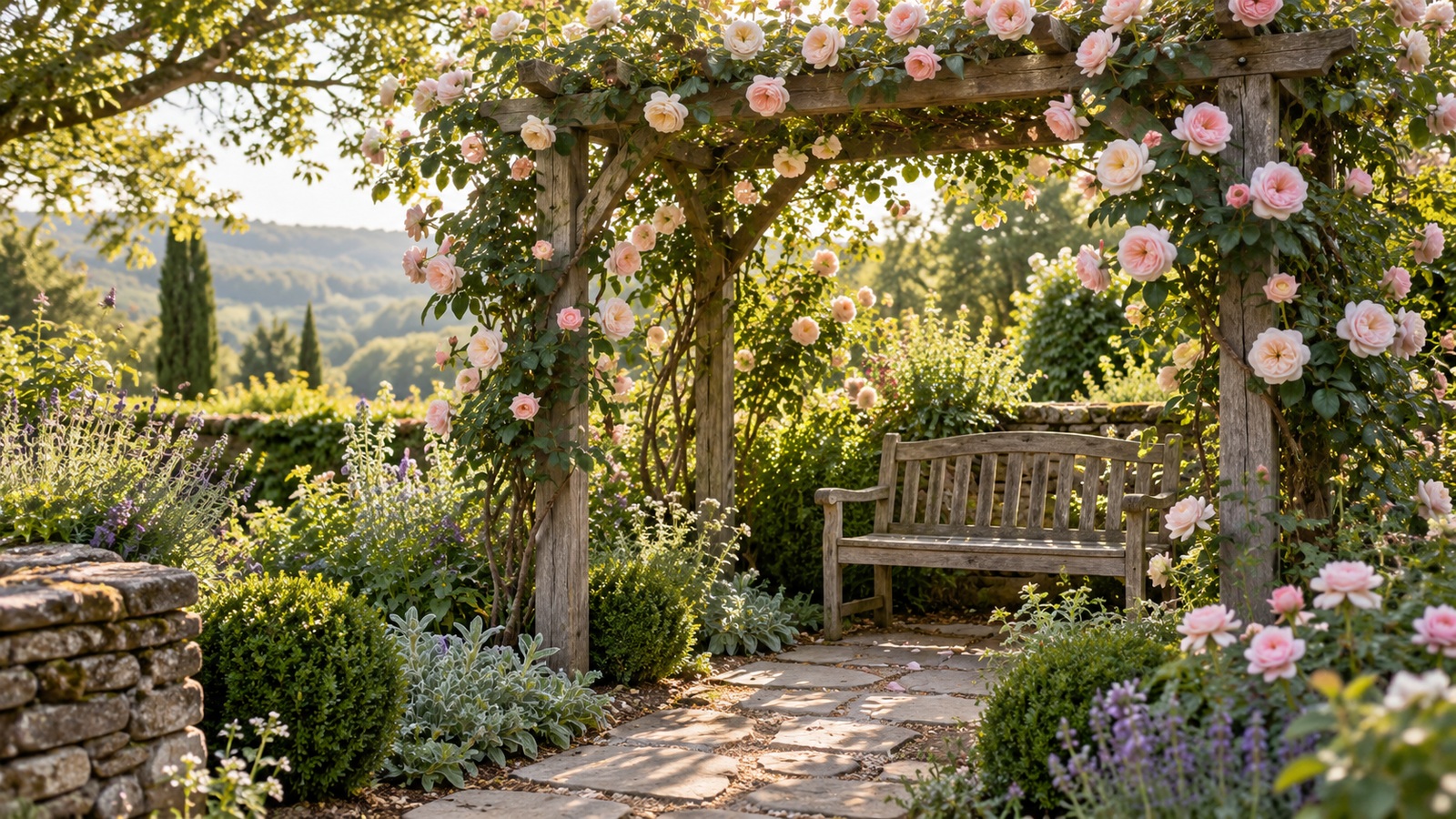
A flowering arch becomes more inviting when it leads somewhere worth spending time: a sheltered bench, a small terrace, or a path that reveals the garden gradually. Climbing plants can give that place softness and seasonal character, but a romantic effect relies on more than abundant blooms. Comfortable passage, a sturdy structure, a coherent palette, and care you can sustain are what let the scene remain enjoyable after the first photograph. A climbing rose, a suitable clematis, or a seasonal vine can each play a different role. Their mature size, attachment method, flowering calendar, and pruning needs should shape the design from the beginning. Start with the experience you want in the space, then choose plants that can grow well there without overwhelming it. The result can feel generous and intimate while remaining a practical garden you can enter, sit in, and maintain throughout the year.
A: Plan the seat, usable route, main view, and exposure during the hours you expect to enjoy the garden.
A: No, guide its long canes deliberately and fasten them with suitable ties that can be adjusted as growth thickens.
A: They can differ in vigor, flowering rhythm, and pruning requirements, which affect their fit on a modest support.
A: No, match the support's strength and gripping elements to both plants while keeping their different care needs manageable.
A: It identifies the growth carrying flowers and guides pruning timing, helping preserve the display intended for the shared support.
A: No, keep temporary foliage from smothering the young perennial while its roots and permanent framework are still developing.
A: No, choose fragrance and its intensity for the space and people using it, alongside flowers, foliage, and comfort.
A: A suitable fanned or horizontal arrangement can encourage flowering side shoots while keeping canes clear of the usable space.
A: Healthy leaves, comfortable seating, a sound support, and accessible paths can sustain the garden's atmosphere between flowering periods.
A: Review a full season and adjust training, support, access, seating, or color balance before adding another climber.
Begin With the Seat, Route, and Main View
Choose the place where you want to pause before deciding which climber to buy. A bench that catches pleasant morning light, a table near an evening view, or a sheltered reading corner gives the planting a clear purpose. Check whether the location becomes too hot, windy, or damp at the hours you expect to use it. The desired mood depends partly on comfort. Flowers cannot make an awkward seat or an unpleasant exposure inviting for long.
Plan a clear route into the space and leave enough width for ordinary use. An arch can frame an entrance, but mature leaves and canes should not force people to duck or push through the planting. Consider access for a wheelbarrow, cushions, or routine cleaning as well as a quiet stroll. Keep steps and changes in level visible. A generous floral frame works best when the person using it does not have to negotiate hidden obstacles.
Look at the scene from the house and from the chosen seat. The arbor that appears well positioned from the path may block a useful window view or leave the bench facing an unappealing corner. Move temporary markers to test the outline before installing a permanent support. Decide what the climber should reveal, soften, or screen. A deliberate view gives the garden a stronger identity than covering every available surface with vines.
Install a Structure That Can Carry the Mature Plant
Match the support to the developed weight and growth of the chosen climber. A large woody rose or vigorous vine needs a stronger long-term framework than a light annual planting. Posts, connections, and anchoring deserve practical assessment before the structure disappears beneath foliage. If construction requirements exceed your experience, seek suitable help. A sound support provides the lasting outline that the flowers will soften, and it is easier to establish before roots and stems complicate the work.
Leave access for repairs and plant care. A trellis placed directly against a wall may become hard to inspect once the vine fills it, while an arbor beside a seat needs room for tying and pruning. Consider drainage and the planting bed around posts rather than treating the support and soil as unrelated projects. Keep canes away from rooflines, lights, and moving gates. The structure should make the mature scene easier to manage as well as more attractive.
Choose a Climbing Rose for the Actual Garden
Climbing roses offer familiar flowers and long canes that can be trained over appropriate supports, but they do not attach themselves like a self-clinging vine. They need deliberate tying and a cultivar suited to the climate and available space. Flower color, fragrance, disease resistance, repeat flowering, and winter performance all matter. A cultivar praised in a mild region may be unsuitable where cold damages its canes. Seek local guidance and select the specific rose rather than relying only on a romantic nursery photograph.
Distinguish climbing roses from ramblers when planning the display and care. Many climbers repeat flower, while many ramblers produce a main seasonal flush and can be especially vigorous, though individual selections vary. Their pruning and training routines may differ. Read the cultivar's mature dimensions and flowering behavior before placing it on a modest arch. A small support surrounded by a very large rambler can turn the intended intimacy into a continual containment task.
Place the rose where it can receive suitable light and root conditions. A fertile draining bed with appropriate moisture supports performance more reliably than a cramped pocket beside hot paving. Walls can shelter the plant but also create a rain shadow, so assess watering access. Keep thorny canes out of the walking and sitting zone. The flower display should remain close enough to enjoy while leaving the space comfortable for clothing, skin, and everyday passage.
Add Clematis With a Compatible Support and Pruning Plan
Clematis can bring another flower shape and season into the design, but the range includes plants with very different sizes and habits. Choose a cultivar whose requirements and mature growth suit the location. Many familiar climbing clematis attach by leaf stalks around suitably slender supports, so a broad arbor beam may need an appropriate additional framework. Check the attachment behavior rather than assuming that every vine can grip the same structure. A well-matched support lets young growth be guided without continual improvisation.
Keep the pruning group and flowering calendar with the plant's records. Different clematis flower on old growth, new growth, or a combination, and care should follow the actual type. Combining a rose and clematis on one structure can create a rich display, but it also makes stems harder to distinguish during pruning. Start with a manageable pairing and preserve access to each base. Compatible color is only one part of a successful combination; maintenance timing matters too.
Use Seasonal Climbers for a Flexible First-Year Layer
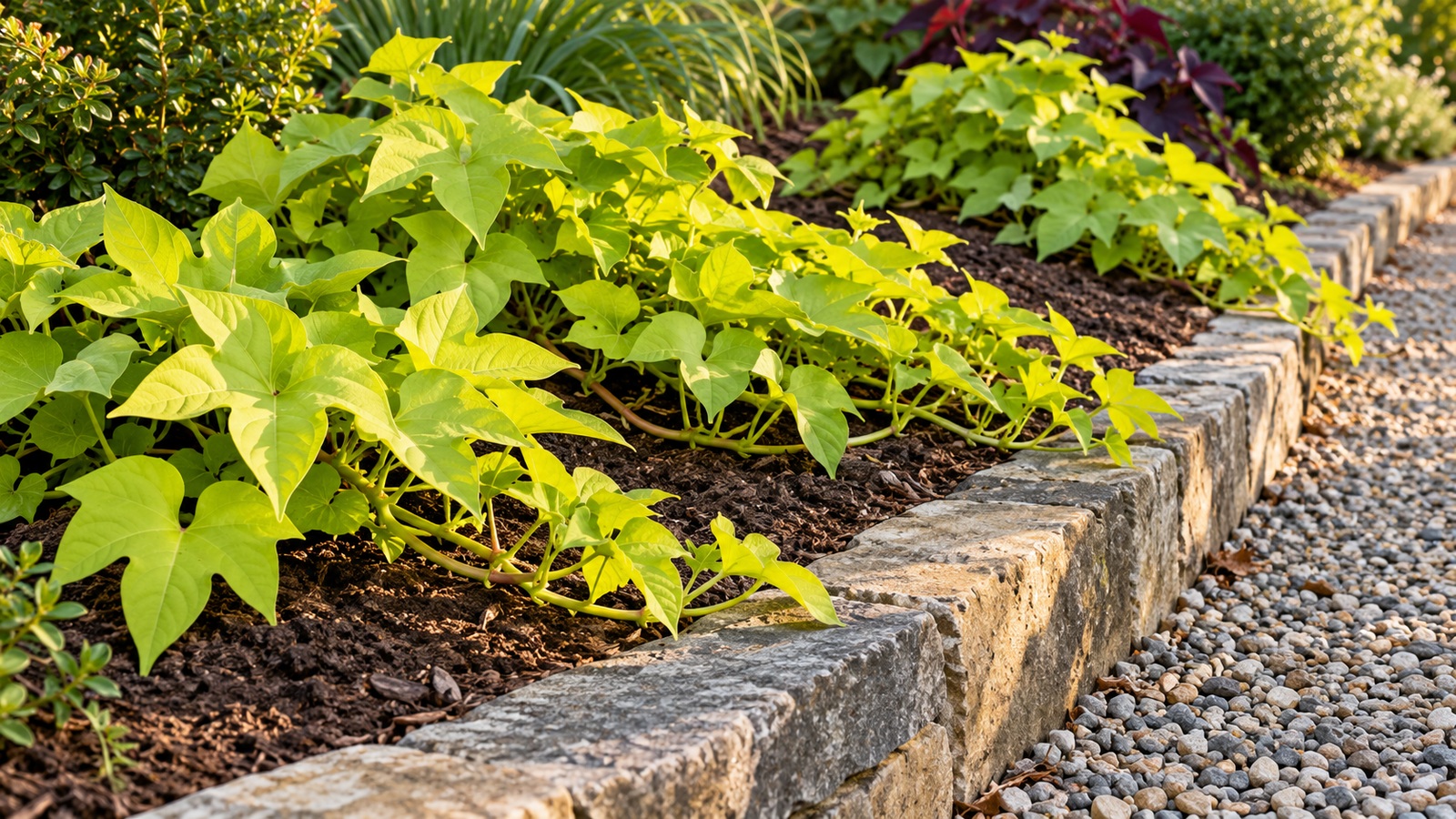
A suitable annual climber can add seasonal flowers while a permanent planting establishes or when you want a display that changes each year. Choose for local growing conditions, mature vigor, and the available support. The annual role should remain separate from an expectation of permanent screening or winter structure. Avoid allowing a temporary vigorous plant to smother a young rose or clematis that needs room to develop. Plan how the seasonal stems will be removed at the end of the display without damaging the lasting framework or perennial planting. A separate lightweight support beside the main arbor can make that temporary role easier to manage. It also lets you compare color and flowering time before committing to another long-lived woody plant. Keep nursery identities and care instructions available, and screen regional invasiveness even when the intended display lasts only one season. A short life in your garden does not establish that every annual vine is harmless beyond its planned bed.
Plan a Bloom Sequence and a Quiet Color Palette
Map the expected flowering periods of the chosen plants. A single spectacular flush can be worthwhile, but it leaves a different seasonal experience from repeat blooms or a sequence of compatible climbers. Consider the foliage and support between flower peaks rather than adding plants simply to fill every calendar gap. The garden can remain inviting when greenery, a good seat, and a clear path carry the scene. Continuous heavy bloom is not the only way to create a romantic place.
Limit the palette enough that the flowers feel related. Pale colors can produce a soft effect, while deeper tones may bring richness and contrast; neither is inherently more romantic. Choose colors that work with the bench, paving, and background you already have. View the intended combination in the light when the space will be used. A white flower against a pale wall reads differently from the same bloom in front of dark foliage, so context should guide the choice.
Fragrance is an optional part of the experience and deserves its own assessment. Not every climbing rose or flowering vine is scented, and stronger fragrance is not always welcome beside a confined seat. Where scent matters, verify the cultivar and evaluate it when possible rather than inferring it from flower appearance. Leave enough air and space for the seating area to remain comfortable. A visually generous planting can succeed perfectly well with little fragrance when that suits the people who use it.
Train Growth So Flowers Frame Rather Than Block the Space
Guide young canes and stems while they are still flexible, using suitable ties that can be checked and adjusted as they thicken. Climbing roses often benefit from training main canes toward a more horizontal or fanned arrangement to encourage flowering side shoots. Follow cultivar and regional guidance rather than bending old stiff canes forcefully. Keep the main structural growth distinguishable from shorter flowering stems. Deliberate early training creates a more useful framework than trying to untangle an overgrown arch later.
Maintain headroom and path width as growth expands. Redirect or remove shoots entering the seat, gate, or walking line before they become woody obstacles. Inspect ties for constriction and support connections for wear. The romantic appearance can remain informal while the practical boundaries stay clear. This combination lets the plant look generous without asking visitors to fight through it to reach the place the garden was meant to offer.
Make Seasonal Care Accessible and Species Specific
Water new plants appropriately and check the root zone during establishment, particularly near walls or paved surfaces. Feed according to the soil, crop guidance, and product instructions rather than repeatedly applying fertilizer to chase more flowers. Diagnose poor performance through light, moisture, health, and maturity as well as nutrients. Prune according to the rose type or clematis group, preserving flowering wood where needed. An accessible base and reachable framework make all of these tasks easier, allowing regular small care sessions to keep the space attractive instead of waiting for a major overgrowth problem.
Let the Garden Become More Intimate as It Matures
Review the planting after its first full growing cycle. Notice when the seat is most enjoyable, which flowers work with the light, and where stems need more room. A plant that repeatedly blocks passage may need a different training line or a more suitable location. Avoid responding to every quiet period by adding another climber. The stronger change may be improving the support, adjusting the palette, or making the seating area more comfortable.
Consider the view after the main display ends. A sound arbor, good paving, and an inviting bench can preserve the garden's structure when flowers are scarce or perennial growth is dormant. Remove unsuitable dead material and keep access clear, while following the plants' seasonal needs. The space should feel like part of the garden rather than a temporary floral installation abandoned after summer. A successful design includes the quieter months as well as the peak bloom photograph.
Creating a romantic garden with climbing plants is a process of arranging life around a useful place. Choose a suitable rose, clematis, or seasonal climber, support it properly, and guide its mature growth with care. Leave the flowers room to soften the framework while preserving the route and seat. Over time, light, foliage, and flowering seasons can deepen the scene without requiring constant expansion of the plant list. The most lasting charm comes from a space that remains welcoming enough to use regularly.
Train the Flowers Around a Lasting Framework
Review the RHS climbing-rose guide alongside guidance for your chosen clematis. Compare training and care supplies through Garden Product Reviews with mature growth and access in mind.