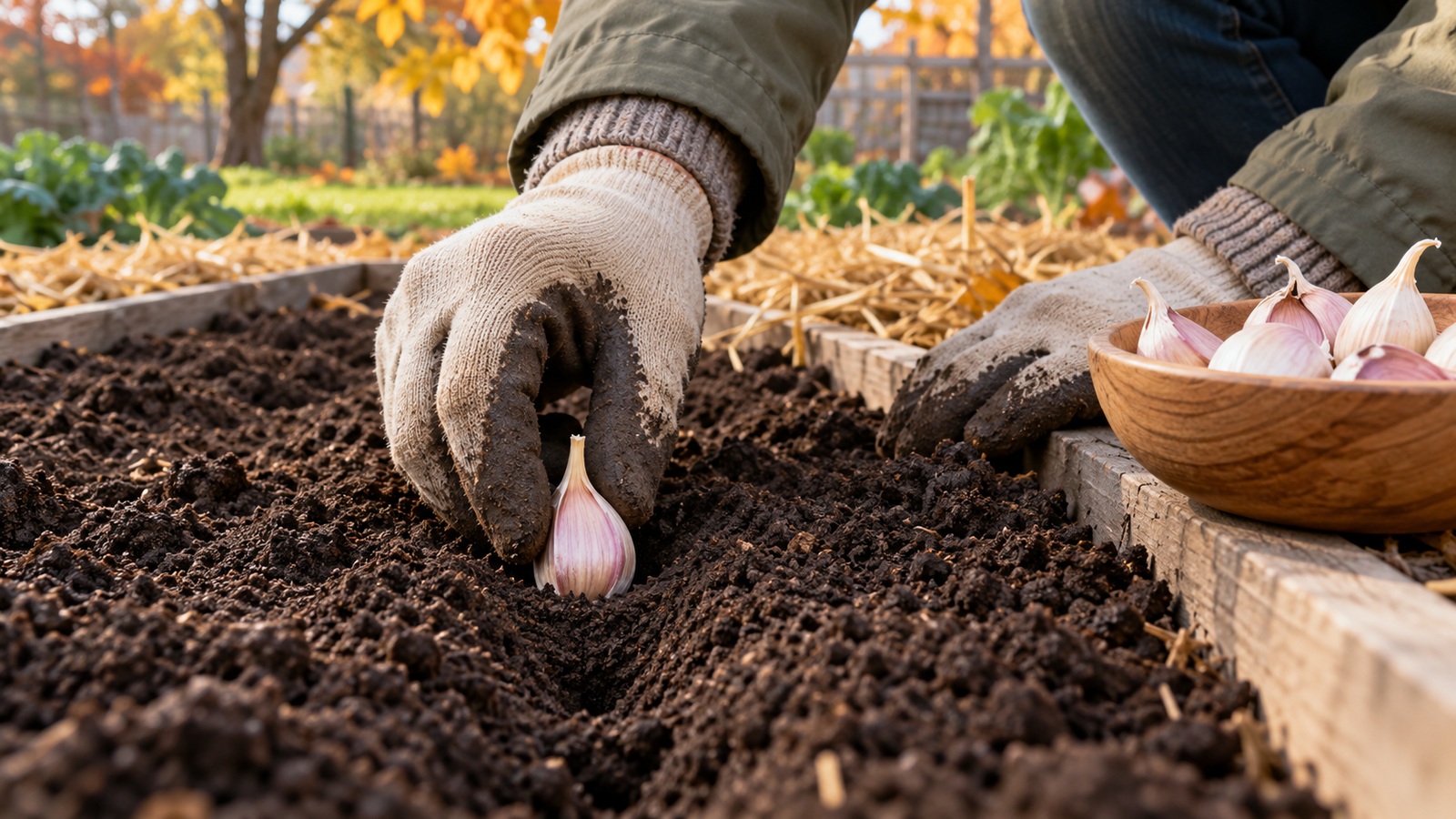
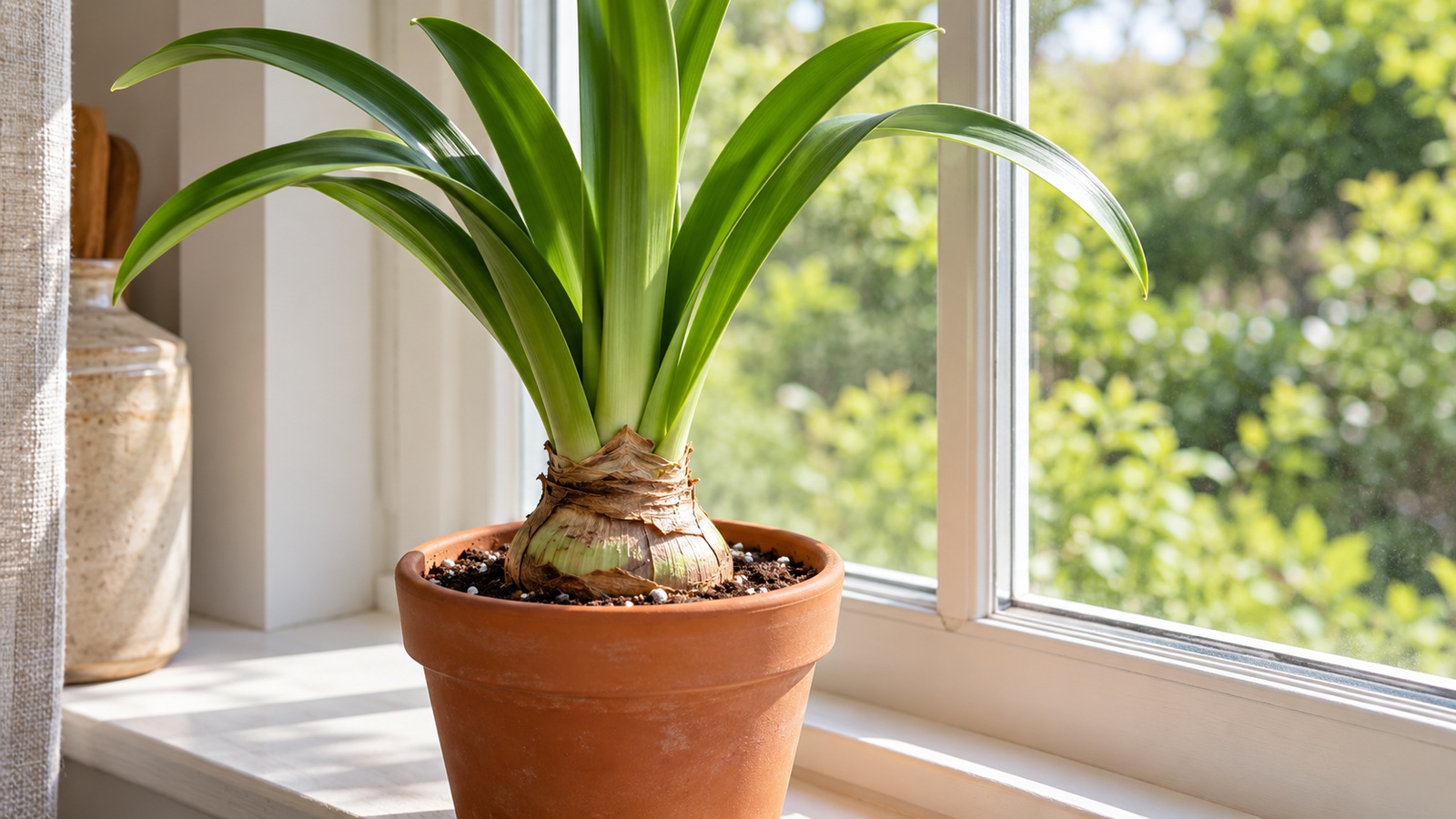
Flowering bulbs are among the most rewarding plants in the garden, delivering spectacular blooms season after season with relatively little maintenance. From tulips and daffodils to lilies, hyacinths, and alliums, bulbs offer an array of colors, forms, and fragrances that can transform garden beds and containers. But while they may seem low-maintenance, bulbs aren’t immune to trouble. Various pests and diseases can threaten their growth, bloom quality, and long-term survival. The key to protecting your investment in bulbs lies in learning how to recognize the signs of trouble early, understand what causes them, and know exactly how to treat and prevent these issues. This guide will walk you through the most common bulb pests and diseases, how to identify them, and the best strategies to keep your bulbs healthy and vibrant.
A: Ensure well-draining soil and avoid overwatering.
A: Use wire mesh or bulb cages when planting.
A: No, discard it to protect healthy bulbs.
A: Not always—integrated pest management works best.
A: Yes—use neem oil, beneficial nematodes, and crop rotation.
A: Keep them cool, dry, and in breathable containers.
A: Yes, to prevent cross-contamination.
A: Yes, especially via sap-feeding insects.
A: Bulb mites in warm, humid spaces.
A: Many can—rotate crops and till soil before replanting.
Understanding the Vulnerability of Bulbs
Unlike many plants that can regrow damaged leaves or stems, bulbs store their energy underground. This means that if the bulb itself is attacked by pests or infected by disease, the plant’s future blooming potential is at risk. Healthy bulbs need a strong root system, intact scales, and an uninfected basal plate to thrive. Damaged bulbs can produce weak or misshapen blooms—or fail to emerge at all. Prevention is always better than cure, but even the best care can’t completely eliminate the possibility of problems. Knowing what you’re looking for can make the difference between saving your bulbs and losing them altogether.
Common Pests That Attack Bulbs
One of the most frequent threats to bulbs comes from pests that feed on the bulbs themselves or their surrounding roots. The first sign of trouble is often unexplained failure to sprout, stunted growth, or sudden wilting of leaves.
Bulb Mites are tiny, slow-moving pests that feed on the bulb’s basal plate and inner scales. Infested bulbs may become soft, discolored, and prone to rot. These mites thrive in stored bulbs, particularly if they’ve been kept in warm, damp conditions. Inspect bulbs before planting and discard any showing signs of softness or brownish decay.
Narcissus Bulb Fly targets daffodils, tulips, and other spring bulbs. The adult fly lays eggs at the base of the plant, and the emerging larvae tunnel into the bulb, eating it from the inside. Affected plants may push up distorted leaves and fail to bloom. Severe infestations can hollow out the bulb completely.
Wireworms and Cutworms can attack bulbs in the soil, feeding on roots and basal plates. While wireworms leave small, round holes, cutworms may sever young shoots before they emerge.
Aphids may not feed directly on bulbs but can weaken plants by sucking sap from emerging foliage, and they can transmit viral diseases that affect long-term health.
Diseases That Affect Bulbs
Bulbs are vulnerable to fungal, bacterial, and viral infections, many of which start during storage or in overly damp soil.
Basal Rot is one of the most common fungal diseases, affecting many bulb species, especially daffodils. Caused by Fusarium oxysporum, it leads to yellowing leaves, rotting of the basal plate, and a pungent odor. Once advanced, basal rot is incurable, so prevention through proper storage and planting conditions is key.
Gray Mold (Botrytis) can affect tulips, lilies, and hyacinths, appearing as fuzzy gray spores on leaves and flowers. In bulbs, it causes rot and poor sprouting.
Blue Mold is common in stored bulbs, producing blue-green spores on the outer scales. While it often starts as a storage issue, planting infected bulbs can spread the problem to the garden.
Viruses such as Lily Mosaic Virus or Tulip Breaking Virus cause streaked or mottled leaves and flowers. While some gardeners value the variegated blooms in tulips caused by breaking virus, the plants are often weakened, and the disease spreads easily to healthy bulbs.
Identifying the Problem
The first step in solving any bulb problem is identifying what you’re dealing with. If plants emerge weakly or fail to bloom, dig up a bulb and inspect it closely. Healthy bulbs should feel firm and heavy for their size, with no soft spots, mold, or foul smells. Look for insect holes, larvae, or discoloration in the scales. Fungal rot often presents as brown, mushy patches, while mite infestations can leave a dry, dusty residue. If foliage is affected, check for aphids, mottling, or fungal spots. Keeping good notes about when symptoms appear—early in the season, after flowering, or during storage—can help pinpoint the cause.
Treating Bulb Pests
For bulb mites, the best treatment is prevention. Store bulbs in cool, dry conditions, and avoid replanting bulbs from infested areas without sterilizing the soil. In mild infestations, soaking bulbs in warm water (about 110°F) for 30 minutes can help reduce mite populations. For narcissus bulb fly, remove and destroy infested bulbs immediately to prevent spread. Covering emerging shoots with fine mesh can block adult flies from laying eggs. Wireworms and cutworms can be managed by removing plant debris from beds, rotating crops, and using beneficial nematodes to attack the larvae in the soil.
Treating Bulb Diseases
Once a bulb is infected with fungal rot, there’s little that can be done to save it, but you can protect surrounding plants. Dig up affected bulbs, discard them (do not compost), and treat the soil with a fungicide approved for garden use. For storage molds like blue mold, carefully remove affected outer scales and dust bulbs with a sulfur-based fungicide before replanting. Viruses cannot be treated, so infected plants should be removed and destroyed. Controlling aphids can help prevent viral spread.
Preventing Future Problems
The best long-term strategy is prevention through good cultural practices. Always plant bulbs in well-draining soil, ideally on raised beds or slopes to avoid waterlogging. Avoid planting in the same location year after year—rotate bulb beds to break pest and disease cycles. Inspect bulbs before planting, discarding any with signs of damage or rot. When lifting and storing bulbs, dry them thoroughly and store in mesh bags in a cool, airy space. Clean and sterilize tools to prevent spreading pathogens between beds.
The Role of Companion Planting
Some gardeners have success in deterring bulb pests through companion planting. Alliums, which include ornamental onions, produce strong scents that repel many insects. Planting them among tulips or lilies can help reduce pest pressure. Likewise, marigolds produce compounds that deter nematodes, which can damage bulb roots.
When to Seek Professional Help
In cases of severe infestation or recurring disease problems, it may be worth consulting a local extension service or horticultural expert. They can help identify specific pathogens or pest species through laboratory testing and recommend targeted treatments. This is particularly important if you grow bulbs commercially or have a prized collection of rare varieties.
A Healthy Bulb Is a Happy Bulb
Bulbs are an investment in long-term beauty, but like any investment, they require protection. By learning to identify pests and diseases early, practicing careful planting and storage techniques, and taking prompt action when problems arise, you can ensure that your tulips, daffodils, lilies, and other bulbs return each year with vigor. With a combination of vigilance and preventive care, you’ll enjoy vibrant blooms for many seasons to come—proving that healthy bulbs are truly the root of garden success.
Garden Product Reviews
Step into Mossy Streets’ Garden Product Reviews — your go-to guide for the best tools, gear, gifts, books, and garden gadgets rooted in nature. From blooming backyard beauties to lush indoor jungles, from heirloom seeds to high-tech composters, we dig into top-rated products for green thumbs, beginners, educators, and plant lovers alike. Whether you’re planting, pruning, decorating, or simply enjoying your green space, we’ve unearthed the best so you can grow, bloom, and thrive — all in one vibrant place!