Onions are a kitchen staple in cuisines around the world, adding depth, aroma, and flavor to countless dishes. Whether you prefer them sautéed until sweet, added raw for crunch, or roasted to perfection, there’s something special about pulling an onion from your own garden. But when it comes to growing onions, one question often divides gardeners: is it better to start from sets or seeds? Both methods have their advantages and drawbacks, and understanding the differences will help you choose the best option for your garden, climate, and timeline. In this guide, we’ll dive deep into what onion sets and seeds are, how they perform in the garden, and which might be the perfect match for your needs.
A: Sets grow faster, maturing weeks earlier than seeds.
A: Yes, seed-grown onions often store longer.
A: Yes, start 8–10 weeks before your last frost.
A: About 1 inch deep with the tip just above soil level.
A: Yes, especially with nitrogen early in growth.
A: When tops turn yellow and fall over naturally.
A: Dry them in a warm, airy place for 2–3 weeks.
A: Yes, to stagger your harvest times.
A: Consistent moisture is key, but avoid soggy soil.
A: It depends—sets are faster and easier, seeds offer more variety and storage life.
Understanding Onion Sets
Onion sets are small, immature onion bulbs grown from seed the previous season, then harvested and cured while still tiny. These dormant mini-bulbs are sold in bulk and are ready to be planted directly into the ground or containers. Sets are typically about the size of a marble, with papery skins already developed. When planted in spring, they quickly resume growth, producing full-sized onions in a relatively short time. For many home gardeners, the speed and simplicity of sets make them a go-to choice—especially for those with shorter growing seasons.
The main appeal of onion sets is convenience. They don’t require indoor seed-starting equipment or weeks of tending seedlings. Simply plant them pointy-end up in prepared soil, water, and wait for the bulbs to grow. Sets are also more cold-tolerant than seedlings, allowing for earlier planting in chilly spring conditions. However, sets are often limited to certain varieties, typically storage onions, and can be prone to bolting (sending up a flower stalk) if stressed by temperature fluctuations.
Understanding Onion Seeds
Growing onions from seed is the traditional, full-season approach. Onion seeds are small, black, and require careful handling to ensure strong germination. Unlike sets, seeds must be started indoors well before planting time—usually 8–12 weeks before your last expected frost. This gives them time to develop sturdy seedlings before being transplanted into the garden.
The big advantage of starting from seed is variety. Seed catalogs offer a dazzling range of onion types, from sweet Walla Walla and giant Ailsa Craig to pungent red varieties and unique heirlooms you’ll never find as sets. Seeds also produce onions less prone to bolting compared to sets, resulting in better bulb formation in some climates. The downside is the time and effort involved—germination can be slow, seedlings need steady light and warmth, and transplanting requires care to avoid damaging young roots.
The Planting Timeline
When planting onion sets, timing is simple: you can plant them outdoors in early spring as soon as the soil is workable and temperatures are consistently above freezing. They establish quickly, producing mature bulbs in about 90–120 days depending on variety and conditions.
Seeds, on the other hand, require a more strategic timeline. In cold climates, you’ll need to start seeds indoors in late winter—often when snow is still on the ground—so they have a head start before moving outside. This can feel like a long-term commitment, but it allows you to control every stage of growth and maximize your season.
Yield and Bulb Size
One key consideration is yield. While sets can be faster, onions grown from seed often produce larger bulbs with better storage qualities. This is because seed-grown onions spend their entire growth cycle in your garden, adapting to the local conditions from the very start. Sets, having already been grown part of the way in another location, sometimes mature sooner but produce smaller bulbs. That said, for early harvests or green onions (scallions), sets are nearly unbeatable in speed.
Disease Resistance and Quality
Starting from seed can reduce the risk of introducing soil-borne diseases. Because sets have already been grown and stored, they can sometimes harbor pathogens or pests. While reputable suppliers take steps to minimize this risk, seeds offer a fresh start every time. Additionally, some gardeners find that seed-grown onions have superior flavor and texture, especially with heirloom and specialty varieties.
Cost Considerations
From a budget perspective, seeds are typically less expensive than sets, especially if you plan to grow a large onion crop. A single packet of seeds can produce hundreds of onions for the same cost as a small bag of sets. However, seeds do require investment in seed-starting supplies if you don’t already have them—trays, lights, heating mats, and potting mix all add to the initial cost. Sets, by contrast, may cost more per onion but eliminate much of the setup and labor.
Climate and Growing Season
Your local climate plays a big role in deciding between sets and seeds. In regions with short growing seasons or unpredictable spring weather, sets provide a head start that can mean the difference between success and disappointment. In warmer climates with long growing seasons, seeds can thrive and produce outstanding results without the risk of bolting. Knowing your USDA hardiness zone and average frost dates will help guide your choice.
Best Practices for Planting Onion Sets
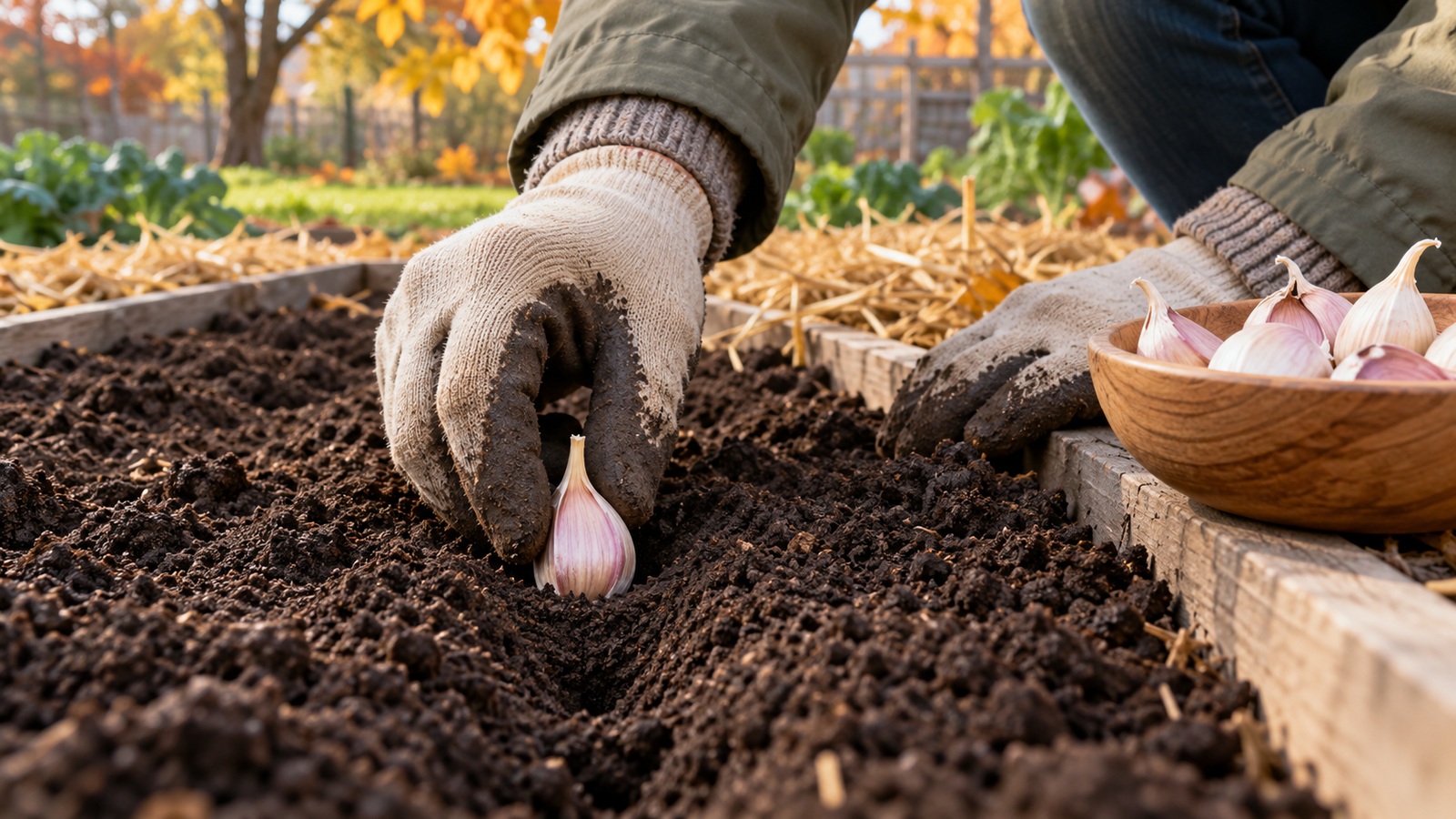
To get the most from sets, plant them in loose, well-drained soil enriched with compost. Space them 4–6 inches apart in rows 12–18 inches apart, planting each set about 1 inch deep. Keep the soil consistently moist, especially during dry spells, and watch for weeds, which compete with onions for nutrients and light. If you notice sets sending up flower stalks, pinch them off to redirect energy into bulb growth.
Best Practices for Growing Onions from Seed
Starting from seed requires patience and precision. Sow seeds in a sterile seed-starting mix, lightly covering them with soil. Keep them at a steady 65–75°F until germination, which can take 7–14 days. Provide 12–16 hours of light daily to prevent spindly growth, and trim seedlings back to about 3 inches to encourage sturdy stems. Harden off seedlings before transplanting them outdoors, spacing them as you would sets. Water regularly and fertilize with a balanced feed every few weeks to support steady growth.
Harvesting and Storing Onions
Regardless of whether you start from sets or seeds, onions are ready to harvest when the tops begin to yellow and fall over. Loosen the soil gently and pull bulbs by hand, laying them out in a warm, dry spot to cure for 2–3 weeks. Properly cured onions store for months in a cool, dark, well-ventilated area. Thin-skinned sweet onions store for less time than thick-skinned storage varieties, so plan to use them first.
Which Is Better for You?
Ultimately, the choice between onion sets and seeds depends on your gardening style, available time, and goals. If you want quick results with minimal fuss, sets are the way to go. If you’re passionate about variety, quality, and maximizing yield, seeds offer unmatched potential. Many experienced gardeners even plant both—using sets for an early harvest and seeds for a longer-season crop. This dual approach provides the best of both worlds: early onions for fresh eating and later ones for storage.
The Joy of Growing Onions
Whichever method you choose, growing onions is a deeply satisfying experience that connects you to a culinary tradition spanning thousands of years. From sowing to harvest, these humble bulbs reward your care with rich flavor and versatility in the kitchen. Whether you prefer the speed of sets or the variety of seeds, onions are a crop worth dedicating space to in every garden. By understanding the strengths and challenges of each method, you can make the choice that delivers the harvest—and the flavor—you’ll love most.
Garden Product Reviews
Step into Mossy Streets’ Garden Product Reviews — your go-to guide for the best tools, gear, gifts, books, and garden gadgets rooted in nature. From blooming backyard beauties to lush indoor jungles, from heirloom seeds to high-tech composters, we dig into top-rated products for green thumbs, beginners, educators, and plant lovers alike. Whether you’re planting, pruning, decorating, or simply enjoying your green space, we’ve unearthed the best so you can grow, bloom, and thrive — all in one vibrant place!