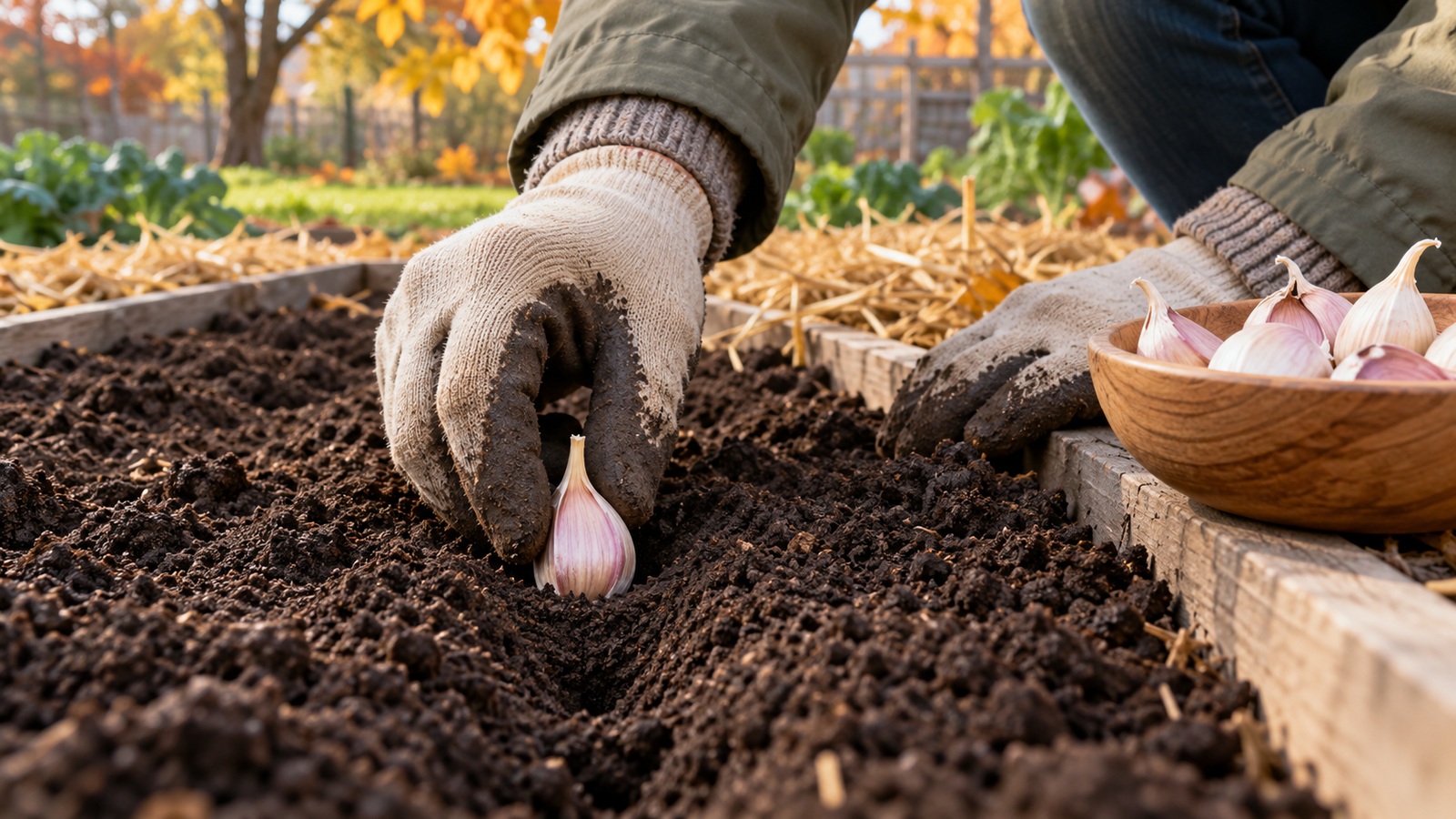
The changing leaves and crisp air of autumn don’t mean gardening season is over—in fact, for bulb lovers, it’s just the beginning. Fall is the perfect time to plant spring-flowering bulbs that will burst into life after winter’s chill, transforming your garden into a colorful paradise. From tulips and daffodils to hyacinths and crocuses, autumn planting sets the stage for an unforgettable display once the weather warms. But timing is everything. Plant too early, and bulbs may sprout prematurely; plant too late, and they won’t have time to develop strong roots before the ground freezes. This guide walks you through the ideal planting windows, techniques, and care tips for getting the very best results from your fall bulb investment.
A: After soil cools below 60°F but before it freezes.
A: Yes—just ensure proper drainage and insulation.
A: Yes, use a phosphorus-rich fertilizer for strong roots.
A: Two to three times the bulb’s height.
A: They may—use wire mesh or repellents.
A: No, frozen ground prevents proper rooting.
A: Yes, to settle soil and encourage root growth.
A: Some are perennial, others are best replanted annually.
A: Yes—layering creates long-lasting displays.
A: Plant early, mid, and late-blooming varieties together.
Why Fall Planting Is Essential for Spring Blooms
Spring-flowering bulbs require a period of cold dormancy—known as vernalization—to trigger their flowering process. By planting them in the fall, you give them months of cool temperatures needed to develop strong root systems before going into winter dormancy. When spring arrives, they’re ready to burst into bloom with minimal effort on your part. Autumn planting also allows you to take advantage of moist soil from seasonal rains, which encourages root development and reduces the need for excessive watering.
Understanding Bulb Hardiness Zones
Before you mark your calendar, it’s important to know your USDA Hardiness Zone. This will determine how early or late in fall you should plant. In colder zones (Zones 3–5), where winter arrives quickly and frost comes early, bulbs should be planted in late September to early October to allow at least 6 weeks of root growth before the ground freezes. In milder climates (Zones 6–7), you can wait until October or even early November. In very warm zones (Zones 8–10), where winters are mild and soil rarely freezes, you may need to pre-chill certain bulbs in the refrigerator for 8–12 weeks before planting to mimic winter conditions.
September: Early Fall Planting
For gardeners in northern climates, September is prime bulb-planting season. Temperatures begin to cool, but the ground is still warm enough to encourage quick root growth. Hardy bulbs like crocuses, grape hyacinths, and daffodils can be planted early without fear of frost damage. If you’re planting large areas, it’s best to prepare the soil ahead of time by loosening it and mixing in compost or well-rotted manure. This ensures that bulbs receive the nutrients they need during the crucial establishment period.
October: Mid-Fall Planting
October is peak bulb-planting season for much of the country. Tulips, alliums, and hyacinths benefit from mid-fall planting because cooler soil temperatures help prevent fungal diseases while still giving the bulbs plenty of time to settle in. It’s also the best time to plant specialty bulbs like fritillarias or early-blooming irises. By this point, you should also be thinking about layering bulbs—a technique known as “lasagna planting,” where you plant different bulb types at varying depths in the same area for waves of color in spring.
November: Late Fall Planting
If you’ve waited until November, you still have time in many areas, especially in Zones 6–8. You’ll need to work quickly, as soil temperatures can drop fast. To plant successfully in late fall, choose early-blooming varieties that require shorter chilling periods, such as snowdrops or early daffodils. You can also plant bulbs in containers and overwinter them in a sheltered, frost-free location, then move them outside in early spring for an instant display.
Planting Depth and Spacing Guidelines
Getting planting depth right is crucial for bulb health and bloom quality. As a general rule, plant bulbs at a depth equal to two to three times their height, measured from the base to the soil surface. Large bulbs like tulips and daffodils typically go 6–8 inches deep, while smaller bulbs like crocuses are planted 3–4 inches deep. Spacing depends on the bulb’s mature size—larger bulbs should be spaced 4–6 inches apart, while smaller ones can be planted 2–3 inches apart. When planting in groups, avoid straight rows and opt for natural clusters to mimic how flowers grow in the wild.
Soil Preparation for Fall Bulbs
Bulbs thrive in well-draining soil rich in organic matter. Heavy clay soils should be amended with compost, coarse sand, or fine gravel to prevent waterlogging, which can lead to bulb rot. Sandy soils benefit from additional organic material to help retain moisture and nutrients. A balanced, slow-release bulb fertilizer can be mixed into the planting area to give bulbs an extra boost. Avoid high-nitrogen fertilizers, as they promote foliage growth at the expense of blooms.
Watering and Mulching After Planting
After planting, water bulbs thoroughly to help settle the soil and initiate root growth. In most climates, natural rainfall will provide enough moisture through fall and winter, but in dry areas, occasional watering may be necessary until the ground freezes. Applying a 2–3 inch layer of mulch over the planting area helps insulate the bulbs, regulate soil temperature, and reduce weed competition. Organic mulches like shredded leaves, straw, or pine needles work particularly well.
Protecting Bulbs from Pests
One of the biggest challenges in fall bulb planting is preventing damage from animals. Squirrels, chipmunks, and voles are notorious for digging up freshly planted bulbs, especially tulips and crocuses. To deter them, you can lay a piece of hardware cloth or chicken wire over the planting area and cover it with soil or mulch. Using bulbs that are less appealing to wildlife—such as daffodils, alliums, and snowdrops—can also reduce losses.
Companion Planting with Fall Bulbs
Fall bulb planting is also the perfect time to think about companion plants. Bulbs can be paired with perennials like hostas, daylilies, and ornamental grasses to provide interest once bulb foliage dies back in summer. Groundcovers like creeping phlox or ajuga help mask fading leaves while adding texture and color to your beds. For a truly spectacular spring display, combine early-, mid-, and late-blooming bulb varieties to create continuous color.
Forcing Bulbs Indoors
If you want an early taste of spring, consider forcing bulbs indoors during winter. Tulips, hyacinths, and daffodils can be planted in pots and chilled in a refrigerator or unheated garage for 12–16 weeks. Once chilled, move them into a bright, warm space, and they’ll bloom in just a few weeks. This technique allows you to enjoy fragrant blooms even when the garden is still covered in snow.
The Role of Chill Hours
Understanding chill hours is key to timing your bulb planting. Most spring-flowering bulbs require between 12 and 16 weeks of soil temperatures below 50°F to initiate flowering. If you live in a mild climate without sufficient natural chilling, you’ll need to simulate this process by refrigerating bulbs before planting. Keep bulbs in a paper bag away from fruits like apples and pears, which emit ethylene gas that can damage them.
Troubleshooting Common Bulb Problems
Occasionally, bulbs fail to bloom or produce weak flowers. This can happen if they were planted too shallow, didn’t receive enough chilling time, or were exposed to poor soil drainage. Pest damage, nutrient deficiencies, and overcrowding can also reduce flowering. The best prevention is to plant healthy, firm bulbs, follow correct planting depth guidelines, and refresh soil with compost each year.
Enjoying the Rewards in Spring
By following a thoughtful fall planting calendar, you’ll set the stage for a spectacular spring garden. The anticipation of seeing those first green shoots push through the soil after a long winter is one of the joys of gardening. With careful planning, you can create layered, color-rich displays that brighten your landscape from the earliest crocuses to the last blooming alliums. The investment you make in autumn will pay off with months of beauty and satisfaction in the seasons to come.
Garden Product Reviews
Step into Mossy Streets’ Garden Product Reviews — your go-to guide for the best tools, gear, gifts, books, and garden gadgets rooted in nature. From blooming backyard beauties to lush indoor jungles, from heirloom seeds to high-tech composters, we dig into top-rated products for green thumbs, beginners, educators, and plant lovers alike. Whether you’re planting, pruning, decorating, or simply enjoying your green space, we’ve unearthed the best so you can grow, bloom, and thrive — all in one vibrant place!