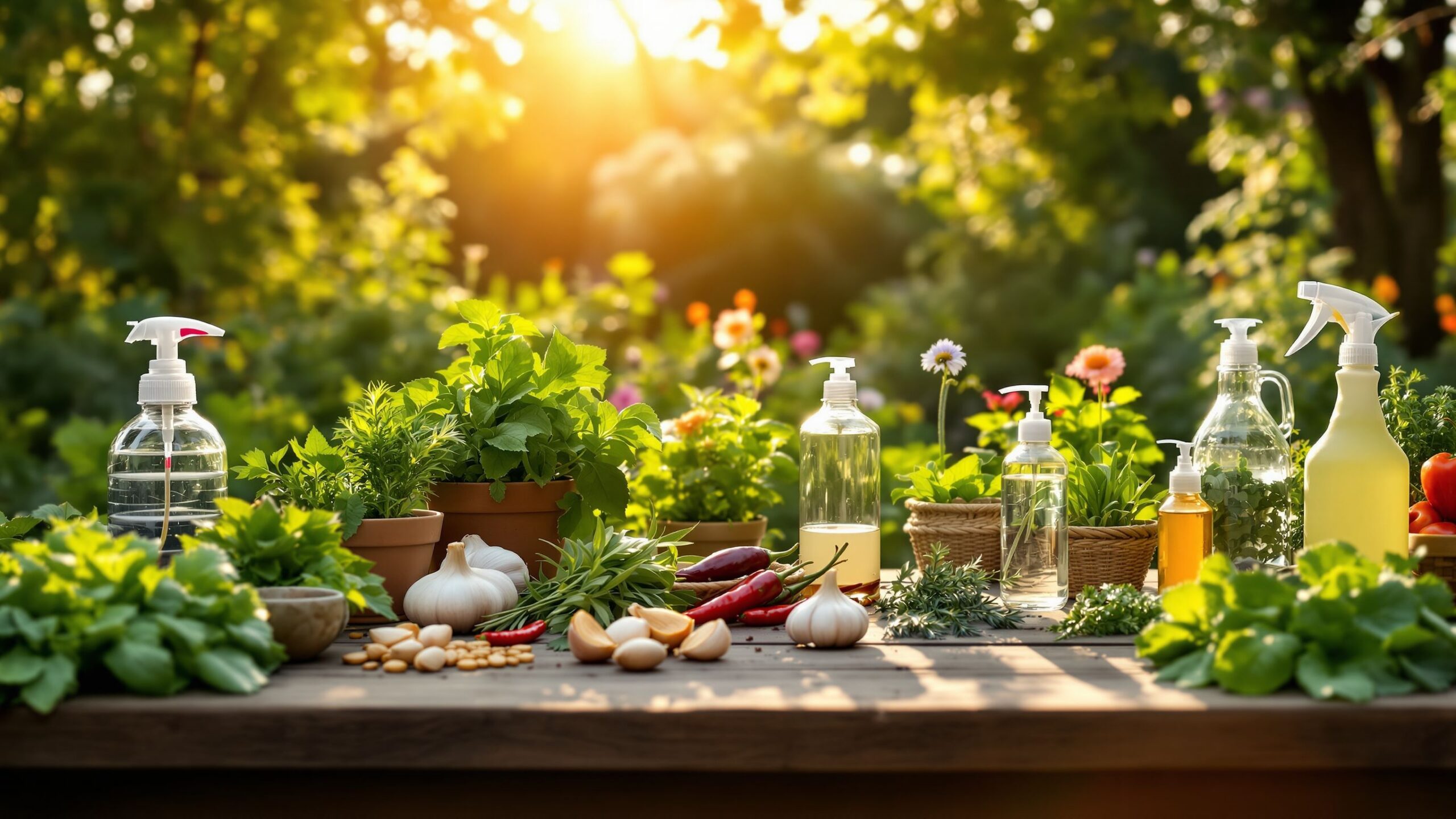
Organic gardening has become one of the fastest-growing movements in modern home gardening because people want healthier food, safer outdoor spaces, and more environmentally friendly ways to care for their plants. Homemade organic pest sprays are a major part of that movement because they provide gardeners with natural alternatives to synthetic chemical pesticides. Instead of relying on harsh commercial formulas filled with unfamiliar ingredients, gardeners can create effective pest-control sprays using simple items like garlic, soap, neem oil, herbs, peppers, and vinegar. These natural solutions can help reduce common garden pests while supporting a healthier ecosystem for pollinators, pets, wildlife, and people.
The appeal of homemade organic sprays goes far beyond cost savings. Many gardeners enjoy having full control over what touches their vegetables, herbs, flowers, and fruit trees. Homemade pest sprays also encourage gardeners to become more observant and connected to their growing spaces. Rather than reacting with aggressive chemicals at the first sign of insects, organic gardening promotes balance, prevention, and long-term plant health. A thriving organic garden is often filled with beneficial insects, rich soil life, healthy airflow, and diverse plant species that naturally work together.
Organic pest control is not about eliminating every insect from the garden. Many insects are beneficial and essential for pollination or natural pest management. The goal is to control harmful infestations while maintaining ecological balance. Homemade sprays work best when combined with healthy gardening practices such as proper watering, crop rotation, companion planting, pruning, mulching, and soil improvement.
Once gardeners understand how different organic ingredients affect pests, homemade sprays become powerful tools that are both practical and rewarding to use. Learning how to mix and apply these recipes correctly can dramatically improve garden health while reducing dependence on commercial pesticides.
A: They can be safe when used correctly, but always test first and avoid over-spraying.
A: Usually every 5 to 7 days until pests improve, and again after rain.
A: Yes, but rinse produce well and avoid spraying right before harvest when possible.
A: A mild soap spray is one of the simplest starter recipes.
A: No, and they should not. The goal is to reduce harmful pests while protecting beneficial insects.
A: It is better not to mix recipes unless you know the ingredients are plant-safe together.
A: The spray may have been too strong, applied in hot sun, or used on a sensitive plant.
A: They can help discourage some pests, especially when used consistently.
A: Some can be stored briefly, but fresh batches are usually more reliable.
A: Check soil, watering, airflow, weeds, nearby infested plants, and repeat treatment as needed.
Why Homemade Organic Pest Sprays Work
Many insects depend heavily on scent, taste, and surface chemistry to locate food sources and establish feeding colonies. Organic pest sprays interfere with those systems in different ways depending on the ingredients used. Some ingredients create strong smells that repel pests, while others physically disrupt insect bodies or interrupt feeding and reproduction cycles.
Soap sprays are among the most effective examples because they damage the protective outer layers of soft-bodied insects such as aphids, mealybugs, and whiteflies. Neem oil interferes with insect hormones and development, making it harder for pests to feed, grow, and reproduce normally. Garlic and pepper sprays irritate insects and discourage them from feeding on treated plants.
Unlike many synthetic pesticides that remain active in the environment for long periods, most homemade organic sprays break down naturally through sunlight, rain, and microbial activity. This reduces long-term environmental buildup and often makes organic methods safer for beneficial insects when used properly. However, gardeners should still apply all sprays carefully because even natural ingredients can stress plants or affect pollinators if overused.
The most successful organic gardens use pest sprays as one piece of a much larger system focused on healthy plants and balanced ecosystems. Strong, healthy plants are naturally more resistant to pests and disease than weak or stressed plants.
Understanding Common Garden Pests
Before making any organic spray, gardeners should identify the specific pest causing damage. Different insects respond differently to treatments, and proper identification prevents wasted time and unnecessary spraying.
Aphids are among the most common garden pests and are often found clustered on new growth or flower buds. These tiny insects suck sap from plants and can spread rapidly if left unchecked. Whiteflies behave similarly and usually gather underneath leaves. Spider mites are extremely small but create fine webbing and speckled leaf damage, especially during hot and dry weather.
Caterpillars and cabbage worms chew visible holes in leaves and can quickly destroy vegetables. Beetles often leave ragged feeding damage, while fungus gnats commonly infest overly moist indoor plant soil. Mealybugs appear as white cottony masses along stems and leaf joints.
Organic sprays are generally most effective when infestations are discovered early. Frequent garden observation allows gardeners to catch problems before they become severe.
Essential Equipment for Homemade Sprays
Creating homemade pest sprays does not require expensive tools, but a few simple supplies make the process easier and more efficient. Spray bottles are ideal for small gardens and indoor plants, while pump sprayers work better for larger vegetable beds or orchards.
Glass jars are useful for soaking herbs, garlic, peppers, or other ingredients during preparation. Fine strainers or cheesecloth help remove solids that could clog spray nozzles. Measuring spoons and cups ensure accurate dilution, which is important for preventing plant damage.
Labels are extremely useful for keeping track of ingredients and preparation dates. Homemade sprays should always be stored safely away from children and pets.
The Classic Soap Spray Recipe
Soap spray is one of the oldest and most reliable organic pest-control methods available to gardeners. It works especially well against aphids, spider mites, whiteflies, and other soft-bodied insects.
To create a basic soap spray, combine one tablespoon of pure liquid castile soap or mild unscented dish soap with one quart of water. Stir gently to avoid excessive foam and pour the mixture into a spray bottle.
Apply the solution directly onto insects, paying close attention to the undersides of leaves where pests often gather. Soap works by damaging insect membranes and removing protective coatings, eventually causing dehydration.
Gardeners should avoid soaps that contain bleach, degreasers, antibacterial agents, or strong synthetic fragrances because these additives may harm plants. Testing the spray on a small section of the plant before widespread application is always recommended.
Soap sprays work best during cooler hours such as early morning or evening because intense sunlight can increase the risk of leaf burn.
Garlic Pest Spray Recipe
Garlic has been used in natural pest control for centuries because its powerful aroma repels many common insects. Garlic spray is especially popular for discouraging aphids, beetles, caterpillars, and leaf-eating pests.
To make garlic spray, blend two entire garlic bulbs with two cups of water until smooth. Let the mixture sit overnight to strengthen the infusion. Strain thoroughly and combine the liquid with one quart of water and a few drops of mild soap.
The resulting spray creates a strong-smelling barrier that many pests avoid. Gardeners frequently use garlic spray around tomatoes, peppers, leafy greens, roses, and herbs.
Because garlic spray gradually loses potency, regular reapplication may be necessary, especially after rainfall.
Hot Pepper Spray Recipe
Hot pepper spray is another popular organic solution because the capsaicin found in peppers irritates many insects and discourages feeding.
Blend several hot peppers with water and allow the mixture to steep overnight. Strain carefully before adding additional water and a few drops of mild soap to help the spray stick to leaves.
Gardeners should wear gloves while preparing and applying pepper sprays because capsaicin can irritate skin and eyes. Spraying during windy conditions should also be avoided.
Pepper spray is commonly used against chewing pests such as caterpillars and beetles, although delicate plants should always be tested first because some species may react to strong concentrations.
Neem Oil Spray Recipe
Neem oil is widely considered one of the most powerful organic pest-control ingredients available. Derived from the neem tree, this natural oil disrupts insect feeding, growth, and reproduction cycles.
To create a neem oil spray, combine one teaspoon of cold-pressed neem oil with one quart of warm water and a small amount of mild soap to help the oil mix evenly.
Neem oil is commonly used against aphids, spider mites, mealybugs, whiteflies, and even some fungal issues. Unlike many contact sprays that only affect insects immediately, neem continues disrupting pest life cycles after application.
Because oil and water naturally separate, gardeners should shake the sprayer frequently during use. Neem sprays are usually safest when applied during evening hours to protect pollinators and reduce the risk of leaf damage.
Tomato Leaf Spray Recipe
Tomato plants naturally contain alkaloids that can help repel certain insect pests. Gardeners sometimes use leftover tomato leaves to create homemade sprays for aphid control.
To prepare tomato leaf spray, chop two cups of tomato leaves and soak them overnight in water. Strain the mixture and dilute with additional water before spraying onto affected plants.
This approach highlights one of the most interesting aspects of organic gardening because even plant trimmings and garden waste can become useful pest-control tools.
Vinegar Spray for Weeds and Ants
Vinegar is often used in natural gardening for weed management and ant control. However, vinegar must be applied carefully because its acidity can damage desirable plants.
A simple vinegar mixture may contain one part white vinegar and three parts water. Some gardeners also add lemon juice for stronger weed suppression around sidewalks, cracks, and pathways.
Because vinegar is non-selective, it should never be sprayed heavily on valuable plants or garden beds.
Essential Oil Pest Sprays
Essential oils have become increasingly popular in organic gardening because many oils contain strong aromatic compounds that insects dislike. Peppermint, rosemary, clove, eucalyptus, lavender, and tea tree oils are commonly used in homemade sprays.
A simple essential oil spray may include ten to fifteen drops of oil mixed with water and a small amount of soap. Peppermint oil is especially popular for discouraging ants and spiders around homes and patios.
Essential oils should always be diluted carefully because concentrated oils can damage sensitive foliage.
Herbal Tea Garden Sprays
Many herbs naturally repel insects and can be turned into gentle homemade sprays. Mint, basil, rosemary, lavender, thyme, and sage are all popular choices.
To create an herbal spray, steep fresh herbs in hot water similar to brewing tea. Allow the liquid to cool completely before straining and spraying onto plants.
Herbal sprays are often milder than stronger garlic or pepper formulas, making them useful for preventative care in flower beds, herb gardens, and ornamental landscapes.
Best Application Practices
Applying homemade sprays correctly is just as important as choosing the right recipe. Most organic sprays should be applied during early morning or evening when temperatures are cooler and sunlight is less intense.
The undersides of leaves should always receive attention because many pests hide and reproduce there. Plants should be lightly coated rather than drenched excessively.
Rain frequently washes away organic sprays, so reapplication is often necessary after storms or heavy watering. Persistent infestations may require several treatments over multiple days.
Consistent observation helps gardeners determine whether a spray is working or if adjustments are needed.
Avoiding Plant Damage
Even natural ingredients can cause stress or leaf burn if used incorrectly. Overly concentrated mixtures are one of the most common causes of plant damage in organic gardening.
Testing every spray on a small portion of the plant before treating the entire garden is highly recommended. Plants already stressed by heat, drought, transplant shock, or disease may react more sensitively to sprays.
Gardeners should also avoid spraying during extreme heat because water droplets and oils can intensify sunlight exposure on leaves.
Encouraging Beneficial Insects
One of the biggest advantages of organic gardening is the ability to support beneficial insects that naturally help control pests. Ladybugs, lacewings, parasitic wasps, hoverflies, and praying mantises all contribute to a healthier garden ecosystem.
Broad-spectrum chemical pesticides often kill beneficial insects alongside harmful pests, disrupting natural balance. Homemade sprays allow gardeners to use more targeted and selective treatments.
Planting flowers such as dill, fennel, yarrow, alyssum, and marigolds can attract predator insects that naturally reduce pest populations.
Organic Pest Control for Indoor Plants
Homemade organic sprays are also highly effective for indoor plant care. Houseplants frequently struggle with fungus gnats, spider mites, scale insects, and mealybugs.
Indoor gardeners often rely on gentle soap sprays and diluted neem oil because these methods avoid strong chemical odors inside the home. Improving airflow, avoiding overwatering, and regularly wiping leaves can also help reduce infestations naturally.
Because indoor plants are often more sensitive, lighter spray concentrations are usually safer.
Storing Homemade Pest Sprays
Fresh homemade sprays generally work best when used soon after preparation. Garlic, herbal, and pepper sprays may lose strength or spoil after several days.
Most homemade mixtures should be stored in cool, dark places and clearly labeled with ingredients and preparation dates. Neem oil concentrate typically lasts longer when stored properly, although diluted neem sprays are best used fresh.
Gardeners should always discard sprays that develop unusual odors, mold, or separation that cannot be remixed properly.
The Growing Future of Organic Gardening
As more people become interested in sustainability, pollinator protection, healthy food production, and environmental responsibility, organic gardening continues to expand around the world. Homemade pest sprays represent an important part of that movement because they empower gardeners to reduce reliance on synthetic chemicals while becoming more connected to natural growing systems.
Organic gardening encourages people to work with nature rather than against it. Instead of seeking complete eradication of every insect, organic gardeners focus on balance, observation, and prevention. Healthy soil, strong plants, biodiversity, and beneficial insects all contribute to natural resilience.
Many traditional homemade pest-control techniques have existed for generations, and modern gardeners are rediscovering their value as interest in sustainable living grows.
Final Thoughts
Learning how to make your own organic pest sprays can completely transform the gardening experience. Homemade recipes using soap, garlic, neem oil, herbs, peppers, and essential oils provide gardeners with affordable and effective alternatives to harsh synthetic pesticides while promoting healthier ecosystems and safer growing environments.
The most successful organic gardeners understand that pest management is about balance rather than total elimination. Careful observation, consistent maintenance, proper plant care, and targeted spray applications all work together to create stronger and more resilient gardens.
Whether protecting vegetables, flowers, herbs, fruit trees, or indoor plants, homemade organic sprays offer a rewarding and environmentally conscious way to manage pests naturally. Over time, many gardeners discover that these simple DIY methods not only improve plant health but also deepen their appreciation for the interconnected systems that make every garden thrive.
Garden Product Reviews
Step into Mossy Streets’ Garden Product Reviews — your go-to guide for the best tools, gear, gifts, books, and garden gadgets rooted in nature. From blooming backyard beauties to lush indoor jungles, from heirloom seeds to high-tech composters, we dig into top-rated products for green thumbs, beginners, educators, and plant lovers alike. Whether you’re planting, pruning, decorating, or simply enjoying your green space, we’ve unearthed the best so you can grow, bloom, and thrive — all in one vibrant place!