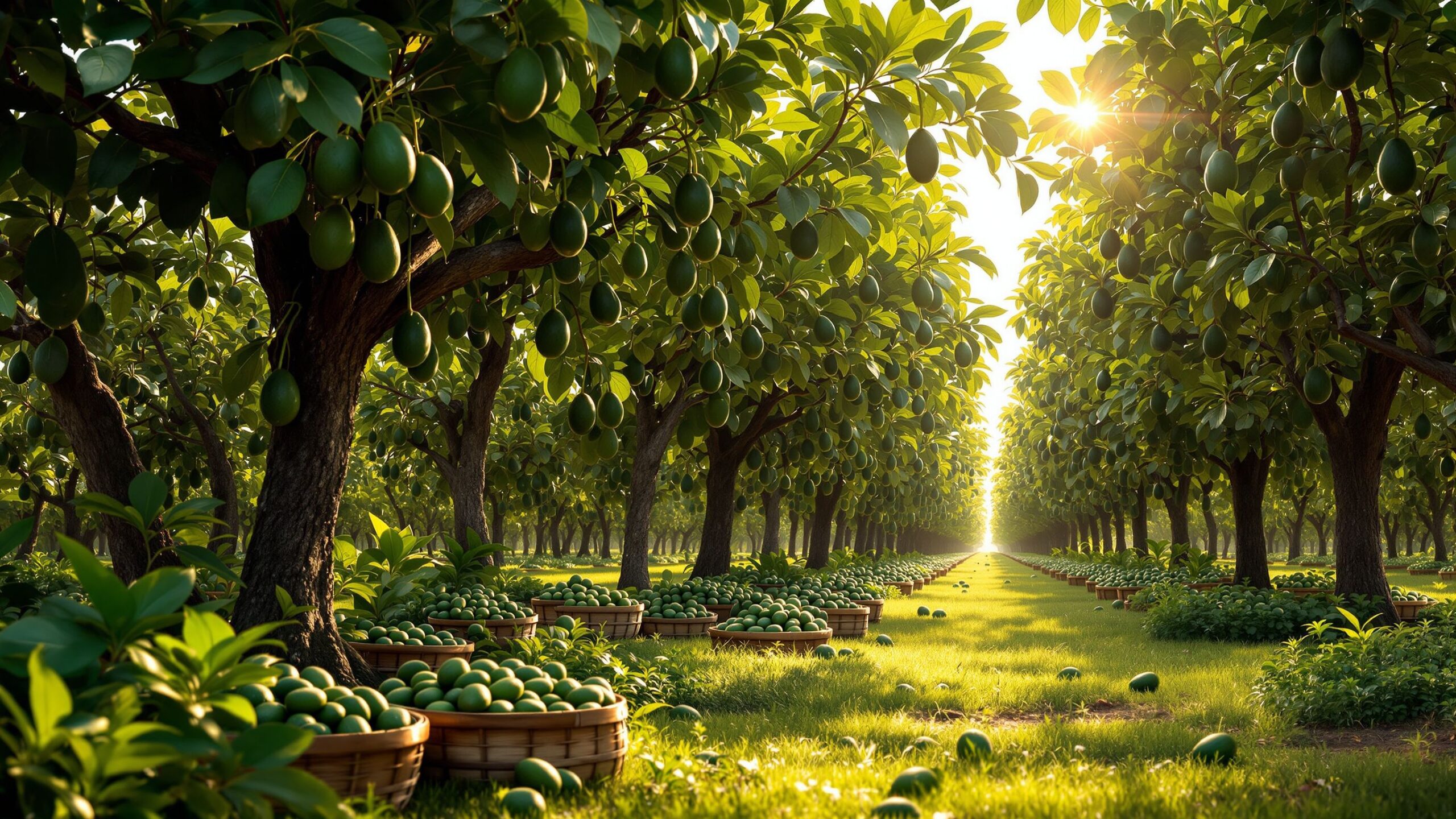
Avocado trees are among the most fascinating and valuable fruit trees grown in the modern world. Famous for their creamy green fruit, glossy evergreen foliage, and tropical appearance, avocado trees have become iconic symbols of healthy living, sustainable agriculture, and warm-climate gardening. Their rich buttery fruit is used in countless recipes across global cuisines, while the trees themselves provide beauty, shade, and long-lasting productivity in orchards and landscapes alike. Over the last several decades, avocados have surged in popularity around the world. From fresh salads and sandwiches to guacamole and smoothies, avocados are now considered one of the most versatile and nutritious fruits available. Beyond their culinary appeal, avocado trees are admired for their elegant structure, dense canopies, and ability to thrive in subtropical and tropical environments. Whether growing on large commercial farms or in backyard gardens, avocado trees continue attracting gardeners, farmers, and food enthusiasts everywhere.
A: Spring is usually the best time to plant avocado trees.
A: Yes, full sun helps encourage healthy growth and fruit production.
A: Yes, dwarf varieties can grow well in large containers.
A: Water deeply but allow the soil to partially dry between waterings.
A: Browning can be caused by salt buildup, underwatering, or root stress.
A: Some varieties fruit alone, but having both Type A and Type B trees can improve production.
A: Most avocado trees are sensitive to freezing temperatures and need protection.
A: Common pests include mites, thrips, scale insects, and borers.
A: Healthy avocado trees can remain productive for many decades.
A: Yes, with proper drainage, warmth, and steady care they can grow very successfully.
The Ancient Origins of Avocado Trees
The history of avocado trees stretches back thousands of years to Central and South America. Historians believe avocados were first cultivated by ancient civilizations in regions that are now part of Mexico, Guatemala, and surrounding areas. Archaeological evidence suggests humans were consuming avocados more than 7,000 years ago.
The Aztecs and Mayans highly valued avocados because of their rich flavor, nutritional benefits, and versatility. The fruit became deeply integrated into agriculture, trade, and cultural traditions throughout Mesoamerica. In fact, the word “avocado” originates from the Nahuatl word ahuacatl, used by the Aztec people.
When Spanish explorers arrived in the Americas, they encountered avocado trees and quickly recognized the fruit’s value. Avocados were eventually introduced into Europe and other parts of the world through expanding trade routes. Over time, growers began cultivating avocados in tropical and subtropical regions across multiple continents.
California later became one of the most influential avocado-growing regions in the world. Commercial avocado farming expanded dramatically during the twentieth century, particularly with the rise of the now-famous Hass avocado variety. Today, avocado trees are cultivated globally and remain among the most economically important tropical fruit trees.
What Makes Avocado Trees Unique
Avocado trees possess several characteristics that make them truly unique among fruit trees. One of the most notable features is their evergreen nature. Unlike deciduous fruit trees that lose leaves during winter, avocado trees maintain dense green foliage year-round, creating lush tropical landscapes.
Their fruit is also highly distinctive. Avocados contain creamy flesh rich in healthy fats, giving them a smooth buttery texture unlike most fruits. Instead of being sweet, avocados offer mild earthy flavors that pair well with savory dishes, making them exceptionally versatile in cooking.
Another fascinating feature of avocado trees is their unusual flowering system. Many avocado varieties display complex pollination behavior involving different flower-opening patterns known as Type A and Type B flowering cycles. This unique system improves cross-pollination and fruit production in orchards.
Avocado trees can also grow impressively large under favorable conditions. Mature trees may reach heights of over forty feet, developing broad canopies that provide shade and ornamental beauty. Their glossy leaves and tropical appearance make them attractive additions to landscapes even beyond their fruit production.
Popular Types of Avocado Trees
There are many avocado varieties grown around the world, each with unique flavor, texture, size, and growing characteristics. Some are cultivated commercially on a massive scale, while others remain popular among specialty growers and home gardeners.
Hass avocados are by far the most famous variety globally. Their dark pebbled skin, creamy texture, and rich nutty flavor have made them the dominant commercial avocado in many countries. Hass avocados also store and transport well, contributing to their widespread popularity.
Fuerte avocados were once among the most important commercial varieties before Hass avocados became dominant. Fuerte avocados have smoother green skin and a slightly lighter flavor with creamy flesh.
Bacon avocados are valued for their cold tolerance and milder flavor. Zutano avocados are another cold-tolerant variety commonly used as pollinators in orchards because of their flowering characteristics.
Reed avocados are large and round with exceptionally creamy flesh, while Pinkerton avocados are known for their elongated shape and smaller seed size. Gwen avocados resemble Hass avocados but remain slightly smaller and more compact.
Different avocado varieties thrive in different climates, making variety selection important for successful cultivation in specific regions.
How Avocado Trees Grow
Avocado trees usually begin as grafted saplings grown in nurseries. Grafting allows growers to combine desirable fruit-producing branches with hardy rootstocks that improve disease resistance, environmental adaptability, and productivity.
Young avocado trees establish relatively slowly during their first years as they develop strong root systems. Once established, however, they can grow rapidly under warm conditions with proper care. Their branches gradually form broad canopies filled with thick evergreen leaves.
Avocado blossoms are small and greenish-yellow, often appearing in large clusters. Pollination is primarily carried out by bees and other insects. Because avocado flowers open in complex male and female phases, orchard managers often plant complementary varieties together to improve pollination success.
After pollination, avocados develop slowly over many months. Depending on the variety and climate, fruit maturation may take six to eighteen months. One unusual aspect of avocados is that they do not ripen fully while attached to the tree. Instead, avocados soften only after being harvested.
This characteristic allows growers greater flexibility during harvest season because mature fruit can remain on the tree for extended periods before picking.
Ideal Growing Conditions for Avocado Trees
Avocado trees thrive best in tropical and subtropical climates with warm temperatures and minimal frost risk. They are especially well suited to regions with mild winters, abundant sunshine, and moderate humidity.
Full sunlight is essential for healthy avocado growth and fruit production. Trees generally require several hours of direct sunlight daily to maintain strong foliage and develop high-quality fruit. Shaded conditions can reduce flowering and productivity.
Well-draining soil is one of the most important requirements for avocado trees. Their roots are highly sensitive to waterlogged conditions, which may quickly lead to root rot and decline. Sandy or loamy soils with excellent drainage often provide ideal growing environments.
Avocado trees benefit from regular watering, especially during establishment and fruit development. However, overwatering remains one of the most common causes of avocado tree problems. Balanced irrigation management is critical for maintaining healthy roots and consistent growth.
Wind protection is also important because strong winds may damage branches, flowers, and fruit. Many orchards use windbreaks to reduce stress and improve tree stability.
Avocado Blossoms and Pollination
Avocado flowering behavior is one of the most fascinating aspects of these trees. Their blossoms operate using a unique timing system that encourages cross-pollination between different varieties.
Avocado flowers open twice during their life cycle. During one opening phase, flowers function as female, while during another phase they function as male. Type A and Type B avocado varieties have opposite timing patterns, increasing the likelihood of pollen transfer between trees.
Bees are the primary pollinators responsible for avocado fruit production. Healthy pollinator populations therefore play crucial roles in orchard productivity and harvest yields.
Although avocado blossoms are relatively small compared to other fruit tree flowers, mature trees may produce enormous numbers of blooms during flowering season. Not all flowers become fruit, however. In fact, only a tiny percentage of blossoms typically develop into mature avocados.
Avocado Harvest Season
Avocado harvest seasons vary depending on climate and variety. Some avocados are harvested during summer, while others mature in autumn, winter, or even spring. In warm regions with multiple varieties planted together, fresh avocados may be available nearly year-round.
Unlike many fruits, avocados are harvested while still firm. Once picked, they gradually soften and ripen over several days at room temperature. This delayed ripening process makes avocados easier to transport and store compared to many delicate fruits.
Growers carefully monitor fruit size, maturity, and oil content before harvesting. Proper timing is important because immature avocados may fail to ripen correctly or develop poor flavor.
Harvesting is usually done by hand using clippers or picking poles to prevent damage to branches and fruit. Large commercial orchards may involve extensive seasonal labor to manage avocado harvests efficiently.
Nutritional Benefits of Avocados
Avocados are widely celebrated for their exceptional nutritional profile. Unlike most fruits, avocados are rich in healthy monounsaturated fats that support heart health and provide satisfying texture and flavor.
They also contain fiber, potassium, vitamin E, vitamin K, folate, and numerous beneficial plant compounds. Their nutrient density has contributed significantly to the rise of avocados as popular health foods worldwide.
The healthy fats in avocados may help improve nutrient absorption from other foods while supporting balanced diets. Because avocados are filling and versatile, they are commonly included in meals focused on nutrition and wellness.
Avocados are also naturally low in sugar compared to many fruits, making them appealing to people seeking balanced energy intake. Their creamy texture allows them to replace less healthy fats in some recipes while adding richness and flavor.
Culinary Uses of Avocados
Few fruits are as versatile in modern cuisine as avocados. Their smooth texture and mild flavor allow them to complement countless dishes from many cultures.
Guacamole remains one of the most iconic avocado-based foods, blending mashed avocados with lime juice, onions, herbs, and spices. Avocados are also widely used in salads, sandwiches, wraps, sushi, tacos, burgers, and grain bowls.
Their creamy consistency makes them excellent ingredients in smoothies and spreads. Some recipes even use avocados in desserts such as chocolate mousse and ice cream because of their rich texture.
Avocado oil has become increasingly popular for cooking due to its mild flavor and high smoke point. The fruit’s flexibility in both savory and creative culinary applications continues driving global demand.
Common Challenges Facing Avocado Trees
Although avocado trees are productive and beautiful, they face several challenges from pests, diseases, and environmental stress. Successful avocado cultivation requires careful monitoring and management.
Root rot caused by Phytophthora fungi is one of the most serious threats to avocado trees. Poor drainage and excessive moisture greatly increase infection risk, making soil management critically important.
Pests such as mites, thrips, scale insects, and borers may also affect tree health and fruit quality. Many growers use integrated pest management strategies that combine biological controls, monitoring, and targeted treatments.
Cold weather presents another major challenge because avocados are sensitive to frost damage. Even brief freezing temperatures may injure leaves, flowers, and branches, particularly in young trees.
Strong winds, drought conditions, and nutrient imbalances can also affect avocado productivity. Ongoing agricultural research continues focusing on improving disease resistance and environmental resilience in avocado orchards.
Avocado Trees in Culture and Modern Popularity
Avocado trees have become cultural icons in recent decades because of the fruit’s extraordinary popularity. Avocados are now strongly associated with healthy eating, fresh cuisine, and modern food trends.
Social media and culinary culture have played major roles in expanding avocado popularity worldwide. Avocado toast, smoothie bowls, and fresh guacamole became especially influential in contemporary dining culture.
In many tropical and subtropical regions, avocado trees also hold practical and symbolic importance as valuable food-producing plants. Their shade, evergreen beauty, and reliable harvests make them prized additions to farms and home gardens.
The avocado industry has grown dramatically over time, with major producing regions now exporting fruit globally to meet rising consumer demand.
Growing Avocado Trees at Home
Many gardeners enjoy growing avocado trees because they provide tropical beauty and potentially delicious harvests. Dwarf and semi-dwarf varieties make avocado growing more practical for smaller spaces and container gardening.
Home growers often begin avocado trees from seeds, although grafted nursery trees typically produce fruit more reliably and much faster. Seed-grown trees may take many years to mature and may not produce fruit identical to the parent avocado.
Avocado trees require sunny locations, well-draining soil, and protection from frost. Container-grown avocados need especially careful watering management because excess moisture may quickly damage roots.
Pruning helps maintain manageable size and encourages healthy canopy development. With patience and proper care, home-grown avocado trees can become rewarding long-term additions to gardens and landscapes.
The Future of Avocado Trees
The future of avocado trees continues evolving through advances in agriculture, sustainability, and consumer demand. Global interest in avocados remains extremely strong, encouraging expansion of orchards and ongoing research into improved growing practices.
Sustainable avocado farming has become increasingly important as growers address concerns related to water use, land management, and environmental impact. Precision irrigation systems and efficient orchard practices are helping reduce waste while maintaining productivity.
Researchers are also developing improved avocado rootstocks and varieties with enhanced disease resistance, climate adaptability, and fruit quality. These innovations will likely play major roles in supporting future avocado production.
Climate change presents both challenges and opportunities for avocado cultivation. Shifting weather patterns, drought conditions, and temperature extremes continue influencing orchard management strategies around the world.
Why Avocado Trees Continue to Thrive in Popularity
Avocado trees continue thriving in popularity because they combine beauty, nutrition, versatility, and tropical elegance in one extraordinary plant. Their evergreen foliage creates lush landscapes, while their fruit supports countless culinary traditions and healthy lifestyles.
Whether growing in large commercial orchards or sunny backyard gardens, avocado trees offer lasting value through both their ornamental appeal and productive harvests. Their creamy fruit has become one of the world’s most sought-after foods, celebrated for flavor and nutrition alike.
The timeless appeal of avocado trees comes from more than their fruit alone. They symbolize abundance, vitality, and connection to nature’s richness. As orchards expand and new generations discover the remarkable versatility of avocados, these iconic trees will continue holding an important place in agriculture, cuisine, and gardens around the world for many years to come.
Garden Product Reviews
Step into Mossy Streets’ Garden Product Reviews — your go-to guide for the best tools, gear, gifts, books, and garden gadgets rooted in nature. From blooming backyard beauties to lush indoor jungles, from heirloom seeds to high-tech composters, we dig into top-rated products for green thumbs, beginners, educators, and plant lovers alike. Whether you’re planting, pruning, decorating, or simply enjoying your green space, we’ve unearthed the best so you can grow, bloom, and thrive — all in one vibrant place!