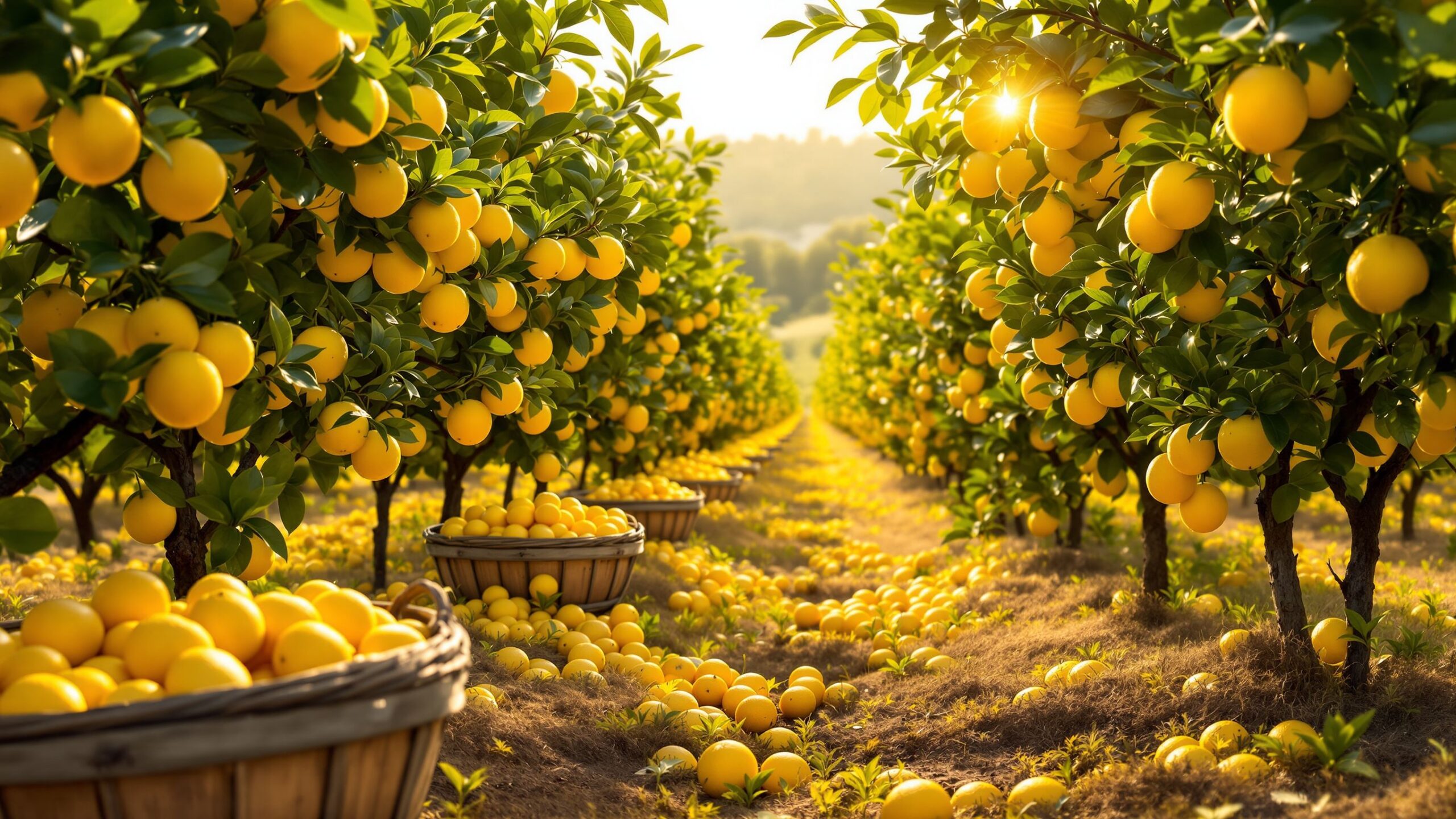
Lemon trees are among the most recognizable and cherished citrus trees in the world. Famous for their bright yellow fruit, refreshing fragrance, and glossy evergreen leaves, lemon trees have become symbols of freshness, warmth, and vibrant Mediterranean landscapes. Their fragrant blossoms and colorful fruit make them highly attractive additions to gardens, orchards, patios, and farms alike. Beyond their beauty, lemon trees are valued for their culinary versatility, nutritional benefits, and ability to thrive in sunny climates. For centuries, lemons have played important roles in cooking, medicine, trade, and culture. Their sharp citrus flavor appears in drinks, desserts, sauces, and countless recipes around the globe. Lemon trees also provide year-round visual appeal because they remain evergreen and often display blossoms and fruit simultaneously. Whether growing in sprawling citrus orchards or decorative containers beside a sunny window, lemon trees continue captivating gardeners, chefs, and fruit lovers everywhere.
A: Spring is usually the best planting season for lemon trees.
A: Yes, lemon trees grow best with plenty of direct sunlight.
A: Yes, dwarf varieties often grow well indoors near bright windows.
A: Water deeply when the top layer of soil begins to dry.
A: Light pruning is usually done after harvest or during active growth periods.
A: Yellow leaves can signal overwatering, poor drainage, or nutrient deficiencies.
A: They prefer warm climates and may need protection from frost.
A: Aphids, scale insects, spider mites, and citrus leaf miners are common issues.
A: Many lemon trees can remain productive for decades.
A: Yes, especially container-grown varieties with proper sunlight and care.
The Ancient Origins of Lemon Trees
The history of lemon trees stretches back thousands of years. Historians believe lemons originated in parts of Asia, particularly regions near northeastern India, northern Myanmar, and China. Early citrus species were gradually cultivated and spread through trade routes into the Middle East and Mediterranean regions.
Arab traders and travelers helped introduce lemons into Persia, North Africa, and southern Europe during the early medieval period. As lemon cultivation expanded, the fruit quickly became prized for its flavor, fragrance, and practical uses. Ancient sailors even carried lemons on long sea voyages because citrus fruits helped prevent scurvy, a disease caused by vitamin C deficiency.
By the Renaissance era, lemon trees had become highly valued in Europe. Wealthy estates often featured decorative citrus gardens filled with lemon and orange trees. Mediterranean climates proved especially suitable for citrus cultivation, allowing Italy, Spain, and other regions to develop thriving lemon industries.
European explorers later brought lemon trees to the Americas, where they adapted well to warm climates in places such as California, Florida, and parts of South America. Today, lemons are grown commercially around the world and remain among the most widely used citrus fruits in global cuisine.
What Makes Lemon Trees Unique
Lemon trees possess several unique qualities that distinguish them from many other fruit trees. One of their most notable characteristics is their evergreen nature. Unlike deciduous fruit trees that lose leaves during winter, lemon trees maintain glossy green foliage year-round, providing constant color and ornamental beauty.
Their blossoms are another defining feature. Lemon flowers are highly fragrant, filling the air with sweet citrus perfume that attracts bees and pollinators. Many lemon trees bloom multiple times throughout the year in warm climates, creating the unusual sight of flowers and ripe fruit appearing on the same branches simultaneously.
The fruit itself is instantly recognizable because of its vibrant yellow skin and sharp acidic flavor. Lemons are valued not only for their juice but also for their zest, essential oils, and aromatic peel. Few fruits are as versatile in cooking and household uses as lemons.
Lemon trees are also adaptable to container gardening. Many dwarf varieties grow successfully in pots and can thrive indoors with adequate sunlight. This flexibility allows people in cooler climates to enjoy growing lemon trees even outside traditional citrus regions.
Popular Types of Lemon Trees
There are several popular varieties of lemon trees grown for commercial production, home gardening, and ornamental purposes. Each variety offers unique characteristics related to flavor, size, productivity, and climate adaptability.
Eureka lemon trees are among the most widely cultivated varieties in the world. They produce classic bright yellow lemons with strong acidity and abundant juice. Eureka trees are highly productive and commonly found in grocery store supply chains.
Lisbon lemon trees closely resemble Eureka lemons but tend to be slightly more cold tolerant and thornier. Their fruit has intense flavor and thick skin, making them popular in commercial orchards.
Meyer lemon trees are especially beloved among home gardeners. Unlike traditional lemons, Meyer lemons are believed to be hybrids between lemons and mandarins. Their fruit is sweeter, less acidic, and slightly orange-tinted when ripe. Meyer lemon trees are also smaller and highly suitable for containers and indoor growing.
Ponderosa lemons are known for producing unusually large fruit with thick rinds. Although less common commercially, these trees attract attention because of their dramatic fruit size and ornamental appeal.
Variegated pink lemon trees are admired for their striking appearance. Their leaves display green-and-cream patterns, while the fruit develops striped skin and pale pink flesh inside.
How Lemon Trees Grow
Lemon trees typically begin as grafted saplings cultivated in nurseries. Grafting allows growers to combine productive fruit-bearing branches with hardy rootstocks that improve disease resistance, growth performance, and adaptability to soil conditions.
Young lemon trees grow steadily when provided with warmth, sunlight, and consistent moisture. Unlike some deciduous fruit trees, citrus trees continue growing actively during warm periods rather than entering deep winter dormancy.
Lemon blossoms usually appear during warm seasons and are pollinated by bees and other insects. In favorable climates, lemon trees may flower multiple times each year, allowing nearly continuous fruit production.
After pollination, small green lemons gradually enlarge and mature over several months. As they ripen, the fruit changes from green to vibrant yellow. Depending on the variety and climate, lemon harvests can occur almost year-round.
Because lemon trees are evergreen and capable of repeated flowering cycles, mature trees often display blossoms, immature fruit, and ripe lemons all at once. This combination adds tremendous ornamental value to gardens and orchards.
Ideal Growing Conditions for Lemon Trees
Lemon trees thrive best in warm climates with mild winters and abundant sunshine. They are particularly well suited to Mediterranean and subtropical environments where temperatures remain relatively stable throughout the year.
Full sunlight is essential for healthy lemon tree growth and fruit production. Trees generally require at least six to eight hours of direct sun daily. Insufficient light can reduce flowering, weaken growth, and limit fruit development.
Well-draining soil is critical because citrus roots are sensitive to waterlogged conditions. Sandy or loamy soils with moderate fertility often provide ideal growing environments. Many growers also improve drainage through raised beds or container planting.
Lemon trees require regular watering, especially during hot weather and fruit development periods. However, overwatering may lead to root diseases and poor growth. Proper irrigation balance is therefore extremely important.
Cold temperatures remain one of the biggest limitations for lemon cultivation. Freezing weather can damage leaves, branches, blossoms, and fruit. Gardeners in cooler regions often protect trees with coverings or move container-grown lemons indoors during winter.
Lemon Blossoms and Pollination
Lemon blossoms are among the most fragrant flowers produced by fruit trees. Their white petals and sweet citrus aroma create a refreshing atmosphere in gardens and orchards during bloom periods.
Pollinators such as bees play important roles in lemon production by transferring pollen between flowers. Healthy pollinator populations therefore contribute to improved fruit yields and tree productivity.
In warm climates, lemon trees may bloom several times throughout the year rather than following a single strict flowering season. This repeated blooming cycle contributes to the tree’s ability to produce fruit continuously under favorable conditions.
The combination of blossoms and ripening lemons on the same tree creates especially beautiful visual displays. Many gardeners value lemon trees not only for their fruit but also for the ornamental appeal created by flowers and colorful citrus hanging against glossy green leaves.
Lemon Harvest Season
Unlike many fruit trees with narrow harvest windows, lemon trees often produce fruit across multiple seasons. In warm climates, mature lemon trees may provide harvests nearly year-round, although peak production usually occurs during cooler months.
As lemons ripen, their skins gradually transition from green to bright yellow. The fruit also becomes juicier and develops its characteristic tart flavor. Growers carefully monitor color, firmness, and size before harvesting.
Lemons are typically harvested by hand to prevent bruising and preserve fruit quality. Commercial orchards may conduct multiple harvest passes because fruit on the same tree often ripens at different times.
Fresh lemons are highly valued because of their versatility and strong flavor. Their refreshing acidity makes them essential ingredients in beverages, desserts, savory dishes, marinades, and sauces worldwide.
Nutritional Benefits of Lemons
Lemons are widely recognized for their impressive nutritional value and health benefits. They are especially rich in vitamin C, an essential nutrient that supports immune function, skin health, and antioxidant protection.
Lemons also contain flavonoids and plant compounds that may help reduce oxidative stress in the body. Their refreshing acidity can enhance hydration when added to water and beverages.
Although lemons are sour when eaten alone, they contribute bright flavor to countless foods without requiring excessive sugar or salt. Lemon juice and zest therefore play major roles in healthy cooking and flavor enhancement.
The fiber found in lemon pulp and peel may also support digestion and overall wellness. Additionally, lemon essential oils extracted from the peel are widely used in cleaning products, fragrances, and aromatherapy because of their fresh scent.
Culinary Uses of Lemons
Few fruits are as versatile in cooking as lemons. Their juice, zest, peel, and oils all contribute valuable flavor and aroma to recipes around the world.
Lemon juice is commonly used in lemonade, cocktails, marinades, salad dressings, seafood dishes, and desserts. Its acidity brightens flavors and balances richness in many recipes. Lemon zest adds concentrated citrus aroma to cakes, cookies, sauces, and baked goods.
Preserved lemons are traditional ingredients in North African and Middle Eastern cuisine, adding deep citrus complexity to savory dishes. Lemon curd, lemon bars, lemon meringue pie, and citrus sorbets remain popular desserts globally.
Beyond cooking, lemons are also widely used in household cleaning because of their natural acidity and fresh scent. Their oils and extracts appear in soaps, perfumes, and cosmetic products as well.
Common Challenges Facing Lemon Trees
Although lemon trees are resilient in warm climates, they face several challenges from pests, diseases, and environmental stress. Successful lemon growing often requires careful maintenance and monitoring.
Citrus greening disease is one of the most serious threats to lemon and citrus production worldwide. This bacterial disease weakens trees and affects fruit quality, creating major challenges for commercial growers.
Pests such as aphids, spider mites, citrus leaf miners, and scale insects may also damage leaves and reduce tree vigor. Many growers rely on integrated pest management strategies that combine monitoring, natural predators, and targeted treatments.
Overwatering, poor drainage, and cold temperatures can create additional problems for lemon trees. Frost damage remains especially dangerous because citrus trees are sensitive to freezing conditions.
Nutrient deficiencies sometimes appear in lemon trees as yellowing leaves or reduced fruit production. Proper fertilization and soil management help maintain healthy growth and productive harvests.
Lemon Trees in Culture and Symbolism
Lemon trees have long symbolized freshness, purity, prosperity, and vitality in many cultures. Their bright fruit and fragrant blossoms create strong associations with warmth, sunshine, and Mediterranean landscapes.
In art and literature, lemons often represent luxury, hospitality, and elegance. Citrus groves became important features of historic estates and palace gardens throughout southern Europe.
Lemons also played important historical roles in trade and medicine. During long sea voyages, citrus fruits became essential for preventing scurvy among sailors, increasing the practical value of lemon cultivation.
Today, lemon imagery remains common in home décor, fashion, culinary branding, and travel advertising because of its cheerful and refreshing appearance.
Growing Lemon Trees at Home
Home gardeners love lemon trees because they combine ornamental beauty with practical fruit production. Dwarf varieties such as Meyer lemons are especially popular for patios, balconies, and indoor growing.
Container-grown lemon trees thrive when provided with bright sunlight, proper drainage, and consistent watering. Many gardeners move potted trees outdoors during warm months and indoors during winter freezes.
Regular pruning helps maintain manageable size and encourages airflow throughout the canopy. Fertilization designed specifically for citrus trees also improves leaf health and fruit production.
Growing lemons at home can be incredibly rewarding because freshly picked citrus offers exceptional flavor and fragrance compared to store-bought fruit. Watching blossoms transform into bright yellow lemons creates a satisfying connection to nature and seasonal growth.
The Future of Lemon Trees
The future of lemon trees continues evolving through agricultural innovation, sustainability efforts, and changing consumer demand. Researchers are developing disease-resistant citrus varieties and improved growing practices to protect orchards from emerging threats.
Sustainable citrus farming increasingly focuses on water conservation, soil health, and pollinator protection. Precision irrigation systems and environmentally friendly pest management strategies are helping growers reduce waste and improve efficiency.
Consumer demand for fresh citrus, natural flavors, and locally grown produce continues supporting lemon cultivation worldwide. Specialty lemon varieties and organic citrus production have also gained popularity in recent years.
Climate change presents ongoing challenges for citrus farming, particularly regarding droughts, extreme temperatures, and disease spread. Adaptive orchard practices and resilient rootstocks will likely become increasingly important for future lemon production.
Why Lemon Trees Continue to Inspire
Lemon trees continue inspiring people because they combine beauty, fragrance, flavor, and practicality in one remarkable plant. Their glossy evergreen leaves, sweet-smelling blossoms, and glowing yellow fruit create year-round visual appeal unlike many other fruit trees.
Whether growing in Mediterranean orchards, tropical gardens, or small indoor containers, lemon trees bring freshness and brightness into people’s lives. Their fruit enhances countless foods and drinks, while their blossoms fill the air with uplifting fragrance.
The timeless appeal of lemon trees comes from their connection to warmth, vitality, and simple natural beauty. They symbolize sunshine, freshness, and abundance across cultures and generations. As gardeners continue planting citrus and chefs continue celebrating bright lemon flavors, lemon trees will remain beloved icons of orchards, kitchens, and sunny landscapes around the world.
Garden Product Reviews
Step into Mossy Streets’ Garden Product Reviews — your go-to guide for the best tools, gear, gifts, books, and garden gadgets rooted in nature. From blooming backyard beauties to lush indoor jungles, from heirloom seeds to high-tech composters, we dig into top-rated products for green thumbs, beginners, educators, and plant lovers alike. Whether you’re planting, pruning, decorating, or simply enjoying your green space, we’ve unearthed the best so you can grow, bloom, and thrive — all in one vibrant place!