Peach trees are among the most admired and rewarding fruit trees grown around the world. Famous for their fragrant blossoms, velvety fruit, and sweet juicy flavor, peach trees bring beauty and abundance to orchards, farms, and home gardens alike. Their vibrant pink spring flowers create stunning landscapes, while their summer harvests deliver one of the most beloved fruits in agriculture. Peach trees combine elegance, productivity, and rich cultural history, making them favorites among gardeners and fruit growers for centuries. From ancient orchards in Asia to modern commercial farms across North America and Europe, peach trees have remained deeply connected to agriculture and tradition. Their fruit appears in pies, jams, desserts, juices, and fresh summer meals enjoyed by millions every year. Beyond their delicious harvests, peach trees also symbolize renewal, prosperity, and the warmth of summer. Whether growing in sprawling orchards or small backyard spaces, peach trees continue to inspire admiration for their beauty and flavor.
A: Early spring or fall is usually the best planting time.
A: Yes, full sun is essential for healthy growth and sweet fruit.
A: Most peach trees are self-pollinating and can produce fruit alone.
A: Water deeply during dry periods, especially for young trees.
A: Late winter or early spring before active growth begins.
A: The tree may need fruit thinning, better watering, or additional nutrients.
A: Dwarf peach varieties can grow well in large containers.
A: Common problems include aphids, borers, mites, and peach twig borers.
A: Peach trees usually have shorter productive lifespans than apples or pears.
A: Yes, especially low-maintenance and disease-resistant varieties.
The Ancient Origins of Peach Trees
Peach trees have a history that stretches back thousands of years. Historians believe peaches originated in ancient China, where they were cultivated long before written records fully documented agriculture. In Chinese culture, peaches became symbols of immortality, vitality, and good fortune. Ancient artwork, poetry, and legends frequently featured peaches because of their beauty and cultural importance.
As trade routes expanded across Asia and the Middle East, peach trees spread into Persia and eventually Europe. In fact, the scientific name for the peach, Prunus persica, reflects the mistaken belief that peaches originally came from Persia. European travelers and traders helped introduce peaches into new climates and farming traditions.
Spanish explorers later carried peach trees into the Americas, where the fruit adapted remarkably well to many regions. Peach orchards soon became common throughout the southern United States and other temperate climates. Over centuries, growers developed countless peach varieties with different flavors, textures, colors, and harvest times.
Today, peach trees are cultivated across the globe and remain among the most commercially important stone fruit trees in agriculture. Their long history continues to influence culinary traditions, orchard culture, and gardening practices worldwide.
What Makes Peach Trees Unique
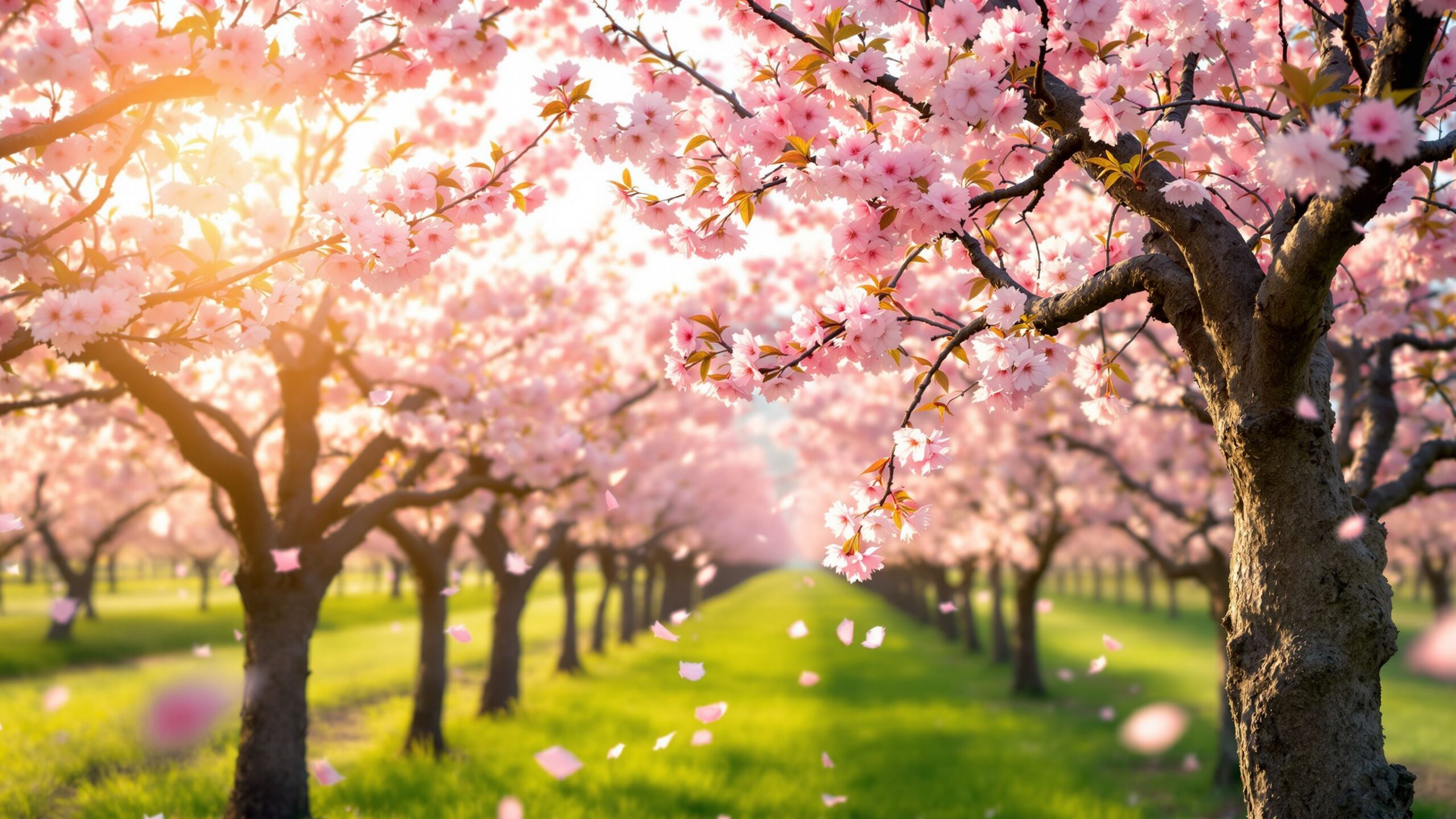
Peach trees stand out because of their incredible seasonal beauty and fast-growing nature. In early spring, before many other trees fully awaken from winter dormancy, peach trees burst into brilliant pink blossoms that transform orchards into colorful landscapes. These blossoms not only attract pollinators but also create some of the most photographed scenes in fruit farming.
Unlike larger fruit trees that may take many years to produce heavily, peach trees often begin bearing fruit relatively quickly when properly cared for. Their rapid growth and productive harvests make them especially rewarding for home gardeners eager to enjoy fresh fruit sooner.
The fruit itself is another defining feature. Peaches are famous for their fuzzy skin, juicy flesh, and sweet aroma. Different varieties may have yellow or white flesh, clingstone or freestone pits, and flavors ranging from intensely sweet to pleasantly tangy. Their soft texture and refreshing flavor have made peaches one of the most cherished fruits of summer.
Peach trees are also known for their manageable size. Many varieties remain compact enough for backyard gardens while still producing generous harvests. This balance between ornamental beauty and practical fruit production makes peach trees highly desirable in residential landscapes.
Popular Types of Peach Trees
Peach trees come in many varieties, each with its own flavor profile, texture, and growing characteristics. Some peaches are best for fresh eating, while others excel in baking, preserving, or canning.
Freestone peaches are among the most popular because the pit separates easily from the flesh. These peaches are convenient for slicing and are commonly used in desserts, fruit salads, and fresh snacks. Elberta peaches are one of the most famous freestone varieties, known for their rich flavor and golden-yellow flesh.
Clingstone peaches differ because the flesh clings tightly to the pit. Although slightly more difficult to prepare, clingstone peaches are often exceptionally juicy and flavorful. Many clingstone varieties are used for canning and commercial processing.
White peaches have gained popularity for their delicate sweetness and low acidity. Their pale flesh and floral flavor create a softer taste experience compared to traditional yellow peaches. Yellow peaches, meanwhile, remain classic favorites because of their bright flavor and balanced sweetness.
Donut peaches, also called Saturn peaches, have a flattened shape and incredibly sweet flavor. Their unusual appearance and smooth texture make them increasingly popular at farmers markets and specialty orchards.
Nectarines are closely related to peaches as well. Although technically a peach variety, nectarines differ because they lack the fuzzy skin associated with traditional peaches.
How Peach Trees Grow
Peach trees usually begin as grafted saplings grown in nurseries. Grafting allows growers to combine desirable fruit-producing branches with strong root systems that improve disease resistance and adaptability. Most commercial peach orchards rely on grafted trees for consistency and productivity.
Young peach trees grow rapidly during their first few years. Growers often prune them carefully to establish strong branch structures capable of supporting future fruit harvests. Open-center pruning systems are especially common because they allow sunlight and airflow to reach the middle of the tree.
In spring, peach blossoms appear before or alongside leaf growth. Pollinators such as bees visit the flowers and transfer pollen, enabling fruit development. Unlike some fruit trees that require cross-pollination, many peach varieties are self-pollinating, making them easier for home gardeners to grow successfully.
After pollination, tiny peaches begin forming and expand rapidly throughout late spring and summer. Growers frequently thin developing fruit to prevent branches from becoming overloaded and to improve fruit size and quality. By mid-to-late summer, peaches ripen into soft, fragrant fruit ready for harvest.
Ideal Growing Conditions for Peach Trees
Peach trees thrive best in temperate climates with warm summers and cool winters. Most varieties require winter chill hours to break dormancy properly and produce healthy blossoms during spring. Regions with long sunny growing seasons are especially favorable for peach production.
Sunlight is one of the most important factors for successful peach cultivation. Peach trees require full sun exposure to produce sweet, flavorful fruit and maintain healthy growth. Insufficient sunlight can reduce fruit quality and increase disease problems.
Well-draining soil is equally important because peach trees dislike overly wet root systems. Sandy or loamy soils with balanced fertility tend to support the healthiest growth. Orchard growers often improve drainage and soil structure before planting peach trees.
Water management is also critical. Young trees need consistent watering during establishment, while mature trees benefit from deep watering during dry periods. However, excessive moisture can increase disease risks and damage root systems.
Peach trees are somewhat sensitive compared to certain other fruit trees, particularly regarding frost and disease pressure. Careful site selection and seasonal maintenance greatly improve their long-term productivity.
Peach Blossoms and Pollination
Few orchard sights are more stunning than peach trees in bloom. During early spring, branches become covered in vibrant pink blossoms that create breathtaking displays across orchards and landscapes. These flowers signal the arrival of warmer weather and the beginning of the growing season.
Pollinators play an important role during bloom season. Bees visit peach blossoms in search of nectar and pollen, helping fertilize flowers and increase fruit production. Healthy pollinator populations therefore remain essential for productive orchards.
Because peach trees bloom relatively early, late frosts can present major challenges. Freezing temperatures during blossom season may damage flowers and reduce harvest yields significantly. Orchard managers often monitor weather conditions carefully during spring to protect developing blossoms whenever possible.
The blossoms themselves are not only functional but also ornamental. Many homeowners plant peach trees partly for their spectacular floral beauty, which rivals some of the most decorative flowering trees in landscaping.
Peach Harvest Season
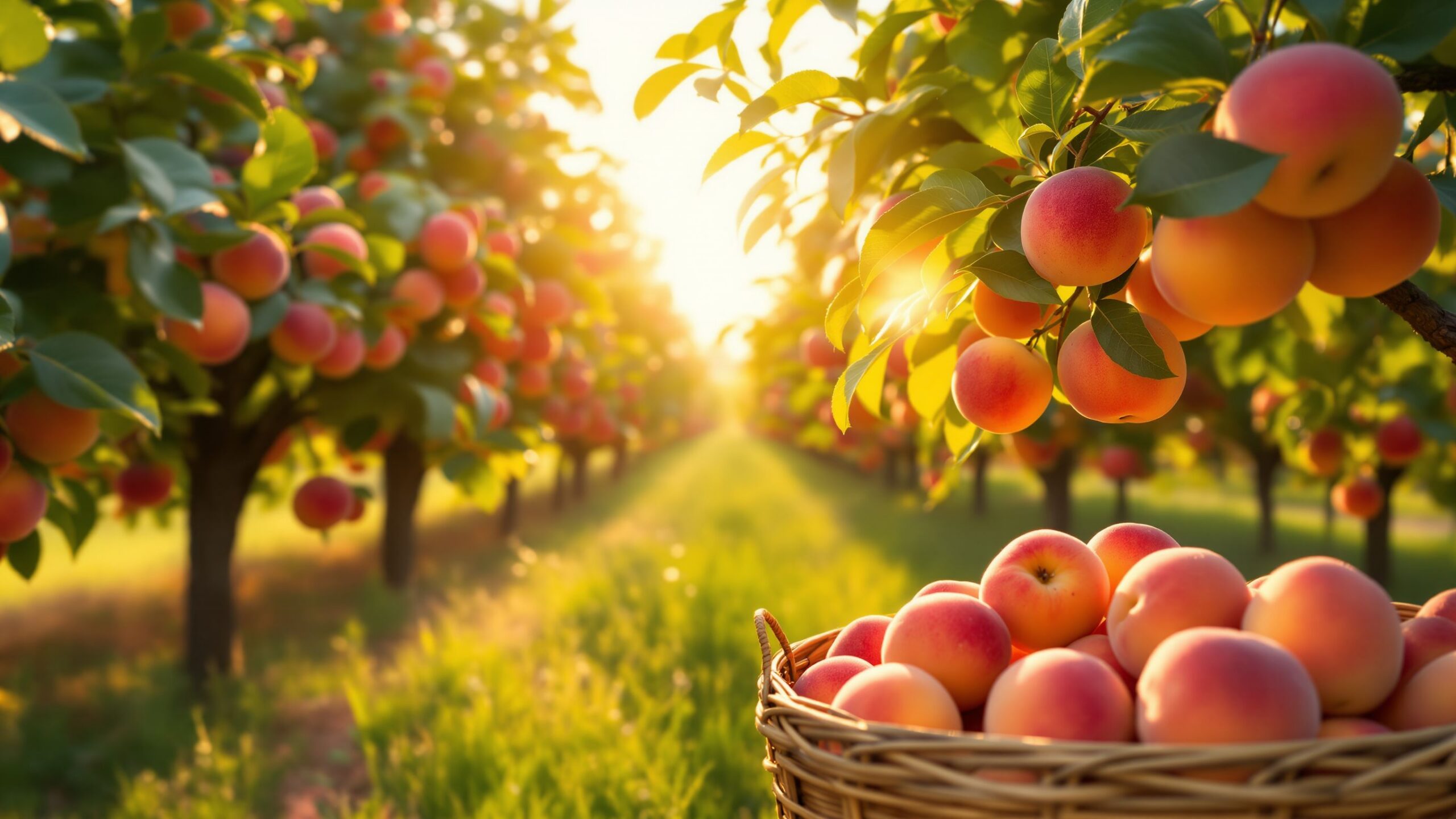
Peach harvest season is one of the highlights of summer agriculture. Depending on the variety and climate, peaches are usually harvested between late spring and early autumn, with peak production occurring during the warmest months of the year.
As peaches ripen, their colors deepen into shades of yellow, orange, red, and pink. The fruit softens gradually while developing its signature sweetness and aroma. Orchard workers often hand-pick peaches carefully because ripe fruit bruises easily.
Fresh peaches are highly prized because of their delicate texture and flavor. Unlike some fruits that store for long periods, peaches are best enjoyed relatively soon after harvest. This freshness contributes to their strong seasonal appeal.
Peach orchards often become popular destinations during harvest season. Families visit farms to pick fresh peaches directly from trees, enjoy local produce, and experience the beauty of summer orchards. These traditions help maintain strong connections between communities and local agriculture.
Nutritional Benefits of Peaches
Peaches are not only delicious but also highly nutritious. They contain vitamins, antioxidants, dietary fiber, and natural compounds that contribute to overall wellness. Their refreshing sweetness and juicy texture make them especially popular during warm weather.
Peaches are excellent sources of vitamin C, which supports immune function and skin health. They also provide vitamin A, potassium, and beneficial antioxidants that help protect cells from oxidative stress. Because peaches contain high water content, they can contribute to hydration as well.
The fiber found in peaches supports healthy digestion and may help maintain balanced blood sugar levels. Their naturally sweet flavor makes them satisfying alternatives to processed desserts and sugary snacks.
Peaches are incredibly versatile in cooking. They can be eaten fresh, grilled, baked into pies and cobblers, blended into smoothies, or preserved as jams and canned fruit. Their balance of sweetness and acidity allows them to complement both sweet and savory dishes.
Common Challenges Facing Peach Trees
Although peach trees are productive and beautiful, they face several challenges from pests, diseases, and environmental conditions. Successful peach growing often requires careful observation and regular maintenance.
Peach leaf curl is one of the most well-known diseases affecting peach trees. This fungal disease causes leaves to curl, thicken, and discolor, potentially weakening the tree over time. Proper treatment and seasonal spraying programs help reduce infections.
Brown rot is another major concern for peach growers. This fungal disease affects blossoms and fruit, causing decay and significant crop losses if unmanaged. Good airflow, sanitation, and pruning practices are important for prevention.
Insects such as peach tree borers, aphids, and scale insects may also damage trees and fruit. Many growers use integrated pest management strategies that combine monitoring, natural predators, and targeted treatments to minimize harm while protecting orchard ecosystems.
Weather conditions can create additional difficulties. Late frosts, droughts, hailstorms, and excessive rainfall all influence peach production and fruit quality. Climate variability has increased the importance of developing resilient growing practices and adaptable peach varieties.
Peach Trees in Culture and Tradition
Peach trees have held symbolic importance across many cultures for centuries. In Chinese traditions, peaches often represent immortality, happiness, and long life. Peach imagery appears frequently in ancient paintings, literature, and celebrations.
In Western cultures, peaches became associated with hospitality, sweetness, and summer abundance. Southern cuisine in the United States especially embraces peaches in pies, cobblers, jams, and refreshing drinks. Georgia even became famously known as the “Peach State” because of its long connection to peach farming.
Peach festivals remain popular in many orchard communities around the world. These celebrations often include fresh produce markets, desserts, live music, and agricultural showcases that honor local farming traditions and seasonal harvests.
The peach tree’s beauty has also inspired artists and photographers for generations. Blossoming orchards and glowing summer fruit continue appearing in paintings, films, advertisements, and travel photography because of their vibrant visual appeal.
Growing Peach Trees at Home
Many home gardeners enjoy growing peach trees because they provide both ornamental beauty and delicious fruit. Dwarf and semi-dwarf peach varieties make it possible to grow peaches even in smaller gardens and suburban landscapes.
Choosing the right variety is essential for successful backyard peach growing. Climate compatibility, chill hour requirements, disease resistance, and harvest timing all influence which peach trees perform best in different regions.
Regular pruning is especially important for peach trees because they produce fruit on one-year-old wood. Annual pruning encourages healthy new growth, improves sunlight penetration, and helps maintain manageable tree size.
Home gardeners also benefit from thinning developing fruit to improve peach size and branch strength. With proper care, backyard peach trees can reward growers with impressive harvests and stunning spring blossoms year after year.
The Future of Peach Trees
The future of peach trees continues evolving through agricultural innovation, sustainability efforts, and changing consumer preferences. Researchers are developing improved peach varieties with better disease resistance, climate adaptability, and enhanced flavor profiles.
Sustainable orchard management practices are becoming increasingly important as growers focus on conserving water, protecting pollinators, and reducing chemical use. Precision agriculture technologies are also helping orchard managers monitor tree health and improve resource efficiency.
Consumers continue showing strong interest in locally grown peaches and heirloom varieties known for exceptional flavor. Farmers markets and specialty orchards have helped preserve unique peach cultivars that may not thrive in large-scale commercial distribution systems.
Climate change presents both challenges and opportunities for peach production. Warmer temperatures, shifting bloom seasons, and unpredictable weather patterns require ongoing adaptation in orchard management and breeding programs.
Why Peach Trees Remain So Beloved
Peach trees remain deeply beloved because they combine beauty, fragrance, flavor, and tradition in one extraordinary plant. Their blossoms announce the arrival of spring with breathtaking color, while their fruit captures the sweetness and warmth of summer.
Whether growing in commercial orchards or small backyard gardens, peach trees create lasting memories through seasonal harvests and shared experiences. Picking ripe peaches directly from a branch remains one of the most satisfying experiences in gardening and farming alike.
The timeless appeal of peach trees comes from more than their fruit alone. They symbolize renewal, abundance, and connection to nature’s rhythms. Their graceful blossoms and sun-ripened harvests continue inspiring growers, artists, families, and food lovers around the world. As generations pass and agricultural practices evolve, peach trees will undoubtedly remain treasured symbols of summer beauty and orchard tradition for many years to come.
Garden Product Reviews
Step into Mossy Streets’ Garden Product Reviews — your go-to guide for the best tools, gear, gifts, books, and garden gadgets rooted in nature. From blooming backyard beauties to lush indoor jungles, from heirloom seeds to high-tech composters, we dig into top-rated products for green thumbs, beginners, educators, and plant lovers alike. Whether you’re planting, pruning, decorating, or simply enjoying your green space, we’ve unearthed the best so you can grow, bloom, and thrive — all in one vibrant place!