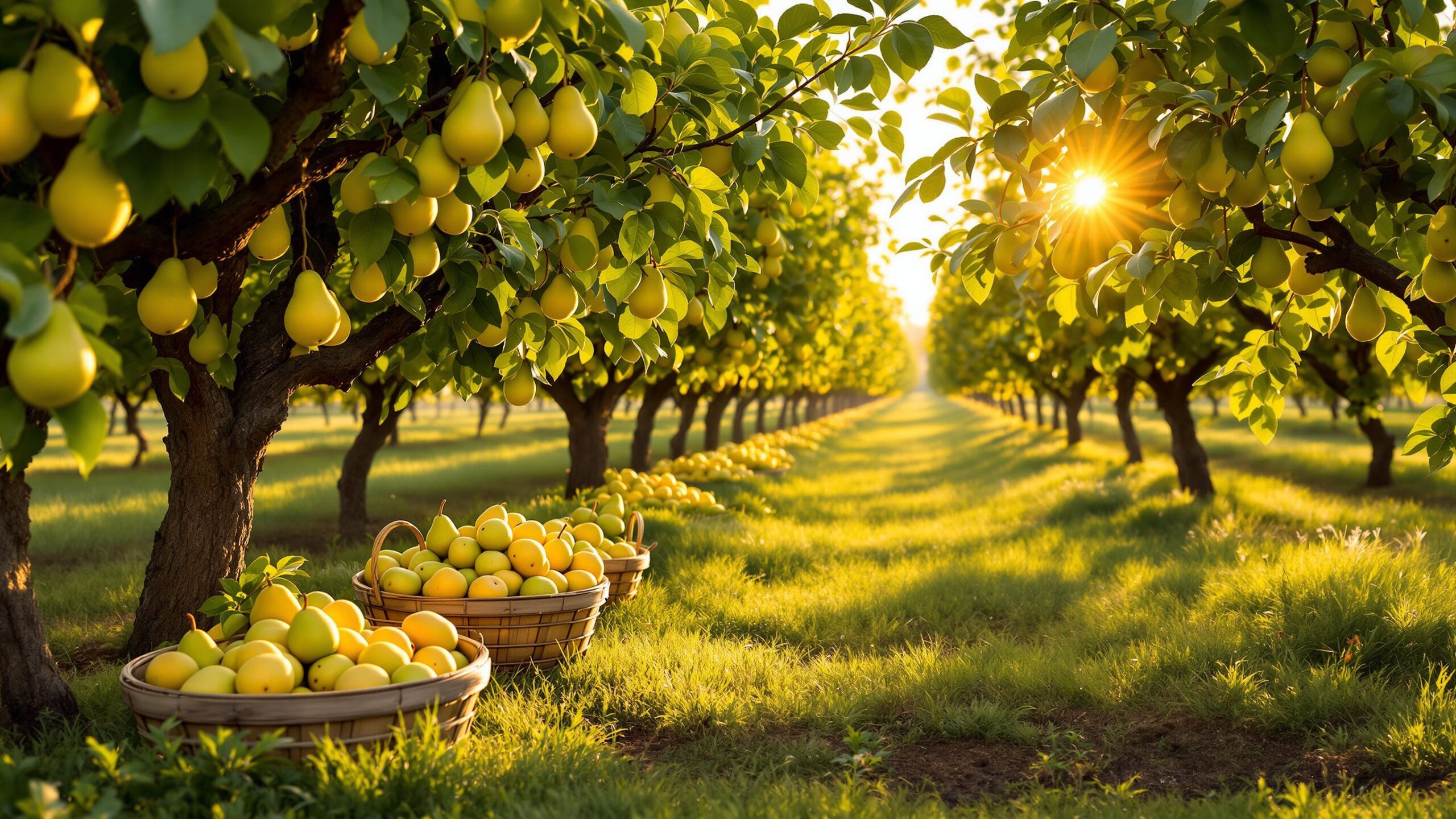
Pear trees are among the most elegant and rewarding fruit trees grown throughout the world. Known for their graceful shape, fragrant blossoms, and sweet juicy fruit, pear trees have earned a special place in orchards, gardens, and culinary traditions for centuries. Their delicate white flowers in spring and abundant fruit harvests in late summer and autumn create a stunning seasonal display that attracts gardeners, farmers, and nature enthusiasts alike. Beyond their beauty, pear trees are valued for their resilience, longevity, and ability to produce flavorful fruit year after year. For generations, pear trees have symbolized prosperity, abundance, and patience. Their fruit has appeared in ancient feasts, traditional desserts, preserves, and beverages across many cultures. Today, pears remain one of the most beloved fruits worldwide because of their refreshing flavor, soft texture, and versatility in the kitchen. Whether growing in massive commercial orchards or quiet backyard landscapes, pear trees continue to inspire admiration for their timeless beauty and practical value.
A: Early spring or fall is usually the best planting time.
A: Yes, full sun helps maximize flowering and fruit production.
A: Many varieties need a second compatible pear tree nearby for pollination.
A: Young trees need consistent watering, especially during dry periods.
A: Late winter or very early spring is usually ideal for pruning.
A: Many pears ripen better after being harvested and stored indoors.
A: Dwarf varieties can grow successfully in large containers.
A: Common issues include aphids, codling moths, mites, and scale insects.
A: Many pear trees can remain productive for several decades.
A: Yes, especially disease-resistant varieties suited to local climates.
The Ancient History of Pear Trees
Pear trees have a remarkably long history that stretches back thousands of years. Historians believe pears originated in regions spanning Europe and Asia, where wild pear species grew naturally in forests and valleys. Ancient civilizations cultivated pears long before modern agriculture existed, making them one of humanity’s oldest domesticated fruit trees.
The ancient Greeks and Romans highly valued pears and documented numerous varieties in their agricultural writings. Roman farmers developed advanced grafting techniques that allowed pear cultivation to spread across Europe. Pears became prized not only for fresh eating but also for drying, preserving, and fermenting into beverages.
As trade routes expanded, pear trees traveled into new regions around the world. European settlers eventually introduced pears to North America, where orchards flourished in suitable climates. Over time, growers selectively bred pears to improve flavor, texture, disease resistance, and storage qualities, resulting in the many varieties enjoyed today.
Pear trees also carried symbolic meaning throughout history. In some cultures, pears represented longevity, wisdom, and good fortune. Their long lifespan and reliable harvests made them symbols of endurance and prosperity for farming communities across generations.
What Makes Pear Trees Special
Pear trees possess a unique elegance that sets them apart from many other fruit trees. Their upright branching structure, glossy green leaves, and soft white blossoms create a refined appearance in both orchards and ornamental landscapes. During bloom season, pear trees become covered in clouds of flowers that attract bees and pollinators while transforming gardens into breathtaking spring displays.
Another remarkable characteristic of pear trees is their longevity. Properly cared-for pear trees can remain productive for decades, with some traditional orchard trees surviving for over a century. Their durable nature and ability to withstand varying weather conditions have made them dependable fruit producers throughout history.
Pears themselves are equally distinctive. Unlike many fruits that ripen completely on the tree, pears are often harvested while still firm and allowed to ripen gradually off the branch. This unique ripening process helps preserve flavor and texture while preventing fruit from becoming overly soft before harvest.
Pear trees also adapt well to different environments. Various species and cultivars can tolerate cooler climates, moderate regions, and even some warmer growing zones. Their versatility has contributed to the global popularity of pear cultivation.
Popular Types of Pear Trees
Pear trees come in many varieties, each offering its own flavor, texture, and appearance. Some pears are crisp and refreshing, while others develop buttery softness as they ripen. Certain varieties are ideal for fresh eating, while others excel in baking, poaching, or preserving.
Bartlett pears are among the most famous and widely recognized varieties. Known for their classic pear shape and juicy sweetness, Bartlett pears change from green to golden yellow as they ripen. Their smooth texture and rich flavor make them favorites for fresh consumption and canning.
Bosc pears stand out because of their elongated necks and russet-brown skin. These pears have firm flesh and a slightly spicy sweetness that holds up exceptionally well during cooking and baking. Anjou pears are another popular variety, available in green and red forms. They remain juicy and mildly sweet while maintaining a smooth texture.
Asian pears differ significantly from traditional European pears. Often round like apples, Asian pears are crisp, refreshing, and extremely juicy. Their crunchy texture and delicate sweetness have made them increasingly popular in many parts of the world.
Comice pears are considered one of the finest dessert pears because of their buttery texture and rich sweetness. These pears are often enjoyed fresh and are commonly included in gourmet fruit assortments during holiday seasons.
How Pear Trees Grow
Pear trees typically begin as grafted saplings grown in nurseries. Like apple trees, most commercial pear trees are propagated through grafting rather than seeds to ensure consistent fruit quality and predictable growth habits. Growers combine desirable fruit-producing branches with hardy rootstocks to create strong and productive trees.
Young pear trees focus first on root development and branch structure. During the early years, pruning helps shape the tree and encourage healthy growth. Proper branch spacing allows sunlight and airflow to reach developing fruit while reducing disease risks.
As pear trees mature, they begin producing blossoms in spring. Pollination is essential during this phase because most pear varieties require cross-pollination from another compatible pear tree nearby. Bees and other pollinators play a crucial role by transferring pollen between flowers.
After successful pollination, small pears begin forming and continue developing throughout the growing season. Depending on the variety and climate, pears are usually harvested from late summer through autumn. Unlike some fruits, pears are often picked before fully ripening to improve storage and flavor development.
Ideal Growing Conditions for Pear Trees
Pear trees thrive best in temperate climates with cold winters and warm summers. Most varieties require winter chill periods to stimulate healthy flowering and fruit production during the following season. Regions with moderate seasonal transitions are often excellent for pear cultivation.
Sunlight is critical for healthy pear tree growth. Trees generally require full sun exposure to produce abundant fruit and maintain strong branch development. Well-draining soil is equally important because pear trees dislike excessively wet root systems that can encourage rot and disease.
Pear trees prefer slightly fertile soil with balanced moisture levels. Young trees need regular watering while establishing roots, though mature pear trees become relatively drought tolerant under favorable conditions. Orchard managers often use mulching techniques to conserve moisture and suppress weeds around tree bases.
Proper pruning remains one of the most important maintenance practices for pear trees. Pruning improves airflow, removes weak branches, and encourages balanced fruit production. Without regular care, pear trees may become overcrowded and less productive over time.
Pear Blossoms and Pollination
One of the most enchanting stages of a pear tree’s life cycle occurs during spring blossom season. Pear trees produce masses of delicate white flowers that create spectacular displays across orchards and landscapes. These blossoms are not only beautiful but also essential for fruit development.
Pollinators such as bees are vital for successful pear production. As insects move between blossoms collecting nectar and pollen, they transfer pollen between flowers and enable fertilization. Many pear orchards rely heavily on honeybees during bloom season to maximize fruit yields.
Pear blossoms often appear before leaves fully develop, giving trees a dramatic and elegant appearance. However, spring weather can strongly influence pollination success. Late frosts may damage flowers and reduce harvests, making bloom season a critical time for growers.
Some ornamental pear trees are cultivated primarily for their blossoms rather than fruit production. These decorative varieties are commonly planted in urban landscapes and residential areas because of their striking spring beauty.
Harvest Season for Pear Trees
Pear harvest season is one of the most rewarding times of the year for orchard owners and gardeners. Depending on the variety and climate, pears typically ripen between late summer and mid-autumn. Orchard rows become filled with hanging fruit in shades of green, yellow, red, and bronze.
Unlike many fruits, pears are usually harvested while still slightly firm. If left to soften completely on the tree, pears may become grainy or overripe. After picking, they continue ripening indoors, gradually developing their ideal texture and sweetness.
Harvest timing is extremely important because pears can change rapidly once ripe. Growers monitor firmness, skin color, and sugar levels carefully to determine the perfect harvest window. Proper handling also helps prevent bruising because ripe pears can become delicate.
Pear picking traditions remain popular in many agricultural regions. Families visit orchards during harvest festivals to gather fresh pears, enjoy baked goods, and celebrate the changing seasons. These orchard experiences continue connecting communities with farming traditions and local agriculture.
Nutritional Benefits of Pears
Pears are highly regarded for their nutritional value and refreshing flavor. They contain dietary fiber, vitamin C, antioxidants, and natural plant compounds that contribute to overall health. Their juicy sweetness also makes them a satisfying alternative to heavily processed snacks.
The fiber content in pears may support digestive health and help maintain balanced blood sugar levels. Pears are particularly known for containing soluble fiber, which contributes to heart health and healthy digestion. Many of the fruit’s nutrients are concentrated in the skin, making whole pears especially beneficial.
Pears are also hydrating because of their high water content. Their gentle flavor and soft texture make them appealing to people of all ages, including children and older adults. Because pears are naturally sweet yet relatively low in calories, they fit easily into balanced diets.
The versatility of pears in cooking further enhances their appeal. They can be eaten fresh, sliced into salads, baked into desserts, poached in syrup, blended into sauces, or paired with cheeses and savory dishes.
Challenges Facing Pear Trees
Despite their resilience, pear trees face several challenges from diseases, pests, and environmental stress. Orchard managers must monitor trees carefully to maintain healthy growth and productive harvests.
Fire blight is one of the most serious diseases affecting pear trees. This bacterial infection causes branches and blossoms to appear scorched and can spread rapidly through orchards if unmanaged. Proper pruning and sanitation practices help reduce infection risks.
Pear psylla insects are another common problem. These tiny pests feed on leaves and stems, potentially weakening trees and reducing fruit quality. Orchard growers often use integrated pest management strategies to balance pest control with environmental sustainability.
Weather conditions can also create difficulties for pear production. Late spring frosts, droughts, excessive rainfall, and heatwaves may all affect flowering, pollination, and fruit development. Climate variability has encouraged researchers to develop hardier pear varieties capable of adapting to changing conditions.
Pear Trees in Culture and Tradition
Pear trees have long appeared in art, literature, and cultural traditions around the world. In many societies, pears symbolize prosperity, wisdom, and longevity. Their graceful appearance and sweet fruit made them popular subjects in paintings, poetry, and decorative arts.
Pears also hold importance in culinary traditions. European cuisines frequently use pears in pastries, tarts, and preserves, while Asian cultures often feature pears in refreshing desserts and herbal remedies. Poached pears, pear cider, and dried pear snacks remain cherished foods in many regions.
Harvest festivals celebrating pears continue in orchard communities across the globe. These gatherings often feature local produce, music, family activities, and traditional recipes passed down through generations. Pear trees therefore serve not only as food sources but also as cultural landmarks connecting people to agriculture and seasonal rhythms.
Growing Pear Trees at Home
Home gardeners increasingly enjoy growing pear trees because of their beauty and relatively manageable care requirements. Modern dwarf and semi-dwarf varieties make it possible to grow pears even in smaller yards and urban gardens.
Choosing the right pear variety depends on climate conditions, available space, and pollination compatibility. Since many pear trees require cross-pollination, gardeners often plant at least two compatible varieties nearby to improve fruit production.
Pear trees benefit from annual pruning, mulching, and regular watering during establishment. Protecting trees from pests and diseases early can greatly improve long-term productivity. With proper care, backyard pear trees can reward gardeners with delicious harvests for many years.
Beyond fruit production, pear trees add ornamental value to landscapes. Their spring blossoms, summer foliage, and autumn fruit create visual interest across multiple seasons, making them attractive additions to gardens and outdoor living spaces.
The Future of Pear Trees
The future of pear trees continues evolving through advances in agriculture, sustainability, and consumer preferences. Researchers are developing improved varieties with better disease resistance, climate adaptability, and flavor characteristics. Sustainable orchard practices are becoming increasingly important as growers focus on reducing environmental impacts while maintaining productive harvests.
Consumers are also showing renewed interest in heirloom pear varieties that offer unique flavors and historical significance. Specialty orchards and local farmers markets have helped preserve these traditional cultivars that might otherwise disappear from commercial agriculture.
Technology is reshaping pear farming through precision irrigation, improved storage systems, and advanced orchard monitoring tools. These innovations help growers conserve resources, reduce waste, and improve fruit quality while adapting to changing environmental conditions.
Why Pear Trees Remain Timeless
Pear trees continue captivating people because they combine beauty, nourishment, and tradition in a single remarkable plant. Their blossoms signal the arrival of spring, while their fruit represents patience, care, and abundance. Generations of growers have relied on pear trees not only for food but also for connection to the land and seasonal cycles.
Whether standing in a centuries-old orchard or growing beside a backyard fence, pear trees possess a quiet elegance that never goes out of style. Their graceful branches, fragrant flowers, and delicious fruit ensure they remain cherished across cultures and generations. As agriculture evolves and gardening traditions continue, pear trees will likely remain enduring symbols of harvest, resilience, and natural beauty for many years to come.
Garden Product Reviews
Step into Mossy Streets’ Garden Product Reviews — your go-to guide for the best tools, gear, gifts, books, and garden gadgets rooted in nature. From blooming backyard beauties to lush indoor jungles, from heirloom seeds to high-tech composters, we dig into top-rated products for green thumbs, beginners, educators, and plant lovers alike. Whether you’re planting, pruning, decorating, or simply enjoying your green space, we’ve unearthed the best so you can grow, bloom, and thrive — all in one vibrant place!