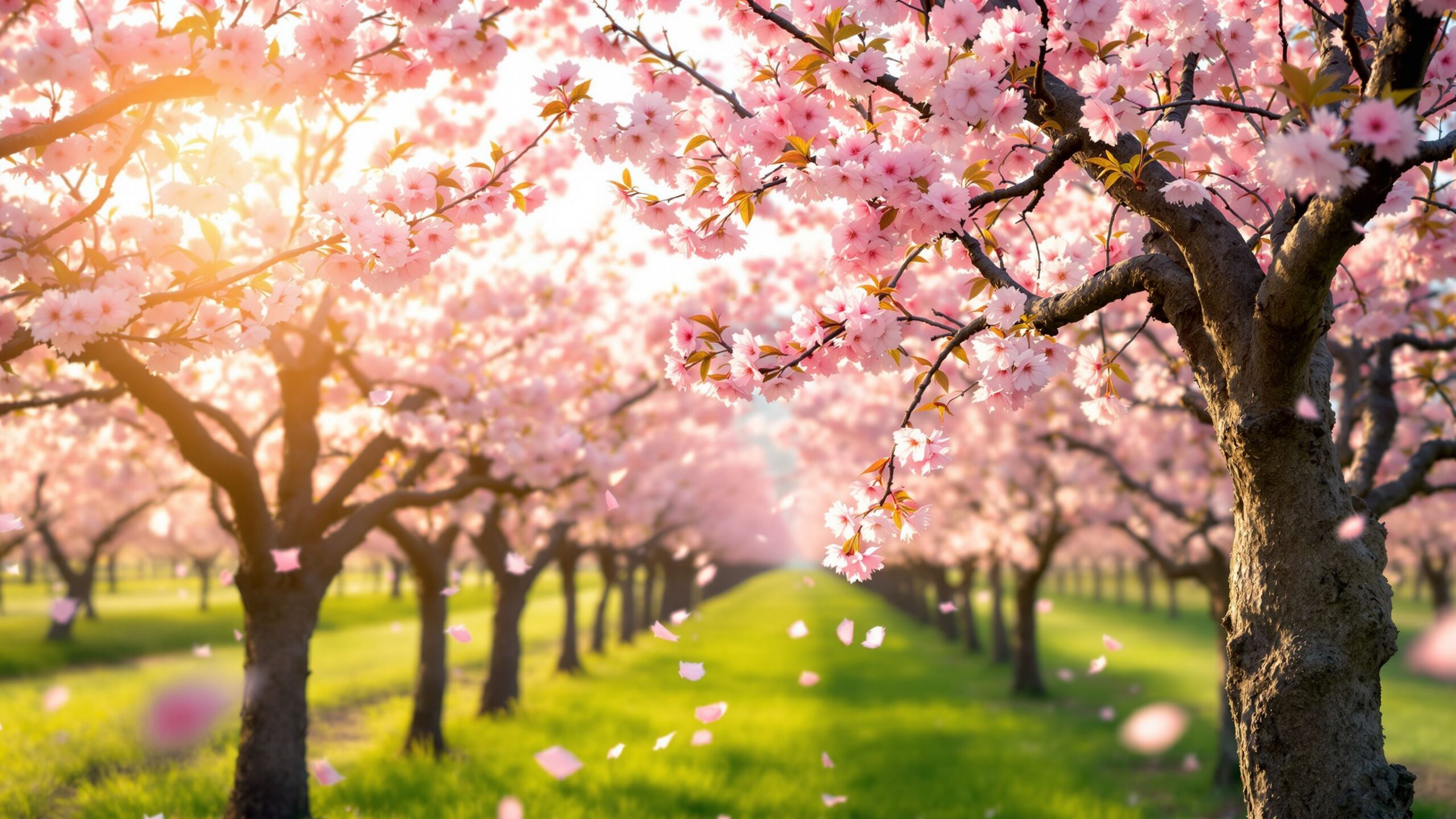
Cherry trees are among the most beautiful and celebrated trees in the world. Known for their spectacular blossoms, delicious fruit, and deep cultural symbolism, cherry trees hold a unique place in nature, agriculture, and art. Every spring, millions of people gather beneath flowering cherry trees to admire the explosion of pink and white blossoms that transform parks, orchards, and landscapes into breathtaking scenes of color. Beyond their ornamental beauty, cherry trees also provide flavorful fruit enjoyed in desserts, beverages, preserves, and countless culinary traditions. From ancient Asia to modern orchards across Europe and North America, cherry trees have inspired admiration for centuries. Their graceful branches, delicate flowers, and seasonal harvests create a powerful connection between people and the changing rhythms of nature. Whether grown for ornamental displays or productive fruit harvests, cherry trees continue to symbolize beauty, renewal, and the fleeting magic of springtime.
A: Early spring or fall is usually the best planting season.
A: Yes, full sun helps maximize flowering and fruit production.
A: Many sweet cherries require pollination partners, while some tart cherries are self-fertile.
A: Young trees need steady watering, especially during dry weather.
A: Late winter or after harvest depending on the variety and climate.
A: Birds are naturally drawn to sweet ripening fruit, so netting is often used for protection.
A: Dwarf varieties can grow successfully in large containers.
A: Aphids, fruit flies, borers, and mites are common concerns.
A: Many cherry trees can live and produce fruit for decades.
A: Yes, especially disease-resistant and self-fertile varieties.
The Ancient History of Cherry Trees
Cherry trees have a long and fascinating history that dates back thousands of years. Historians believe many cherry species originated in regions of Asia and Europe, where wild cherries grew naturally in forests and mountainous landscapes. Ancient civilizations quickly recognized the value of cherry fruit and began cultivating trees for food and ornamental purposes.
In Japan, cherry blossoms became deeply woven into cultural identity and tradition. The flowering cherry tree, known as sakura, has been celebrated for centuries as a symbol of beauty, renewal, and the temporary nature of life. Japanese poetry, paintings, and festivals frequently centered around cherry blossoms, creating traditions that continue today.
The Romans also played an important role in spreading cultivated cherries across Europe. Historical accounts suggest Roman soldiers and traders introduced cherry trees into new territories as agriculture expanded throughout the empire. Over time, selective breeding improved fruit size, sweetness, and growing characteristics.
European settlers eventually carried cherry trees into North America, where orchards flourished in suitable climates. Today, cherry production remains an important agricultural industry in many regions of the world, while ornamental cherry trees continue attracting visitors to parks, gardens, and famous blossom festivals.
What Makes Cherry Trees Unique
Cherry trees stand out because they combine ornamental beauty with productive fruit harvests. Few trees can rival the dramatic visual impact of cherry blossoms during spring bloom season. Entire branches become covered in delicate flowers, often appearing before leaves fully emerge. This creates a cloud-like canopy of pink and white blossoms that lasts only a short time but leaves lasting impressions.
Another unique characteristic of cherry trees is their wide diversity. Some cherry trees are grown almost exclusively for their ornamental blossoms, while others are cultivated for sweet or tart fruit production. This versatility allows cherry trees to thrive in home gardens, public landscapes, and commercial orchards alike.
Cherry trees also symbolize seasonality in a way few other plants do. Their blossoms represent the arrival of spring, while their fruit signals the warmth and abundance of summer. This strong connection to changing seasons has made cherry trees emotionally significant across many cultures.
The fruit itself is highly distinctive as well. Cherries offer rich flavors ranging from intensely sweet to pleasantly tart, making them valuable for fresh eating, baking, preserves, and beverages. Their vibrant red, dark purple, and golden colors add to their visual appeal and culinary popularity.
Popular Types of Cherry Trees
Cherry trees fall into two primary categories: ornamental cherry trees and fruit-producing cherry trees. Each group includes many varieties with unique appearances and characteristics.
Sweet cherry trees produce the cherries commonly eaten fresh. Bing cherries are among the most famous sweet cherry varieties, recognized for their deep red color, juicy flesh, and rich flavor. Rainier cherries are another highly prized variety, featuring yellow skin with red blushes and exceptionally sweet taste.
Tart cherry trees are often used for baking, cooking, and juice production. Montmorency cherries are among the most popular tart cherries because of their bright red color and balanced acidity. These cherries are commonly used in pies, jams, sauces, and dried fruit products.
Ornamental cherry trees are grown primarily for their blossoms rather than fruit. Japanese flowering cherries are among the most admired ornamental trees in the world. Yoshino cherry trees, famous for their pale pink and white blossoms, are especially iconic during spring bloom festivals.
Weeping cherry trees feature graceful drooping branches that create dramatic visual displays in gardens and landscapes. Their elegant form makes them popular focal points in parks and residential properties.
How Cherry Trees Grow
Cherry trees typically begin as grafted saplings cultivated in nurseries. Grafting allows growers to combine desirable fruit-producing or ornamental branches with hardy rootstocks that improve disease resistance and environmental adaptability.
Young cherry trees grow relatively quickly under favorable conditions. During the first few years, growers focus on establishing strong root systems and balanced branch structures. Proper pruning helps shape the tree while encouraging healthy airflow and sunlight penetration.
In spring, cherry trees produce blossoms that attract bees and pollinators. Pollination is critical for fruit-producing varieties because successful fertilization allows cherries to develop. Some cherry varieties require cross-pollination from compatible trees nearby, while others are self-fertile.
After pollination, small cherries begin forming and continue ripening throughout late spring and early summer. Fruit color deepens gradually as sugar levels increase, signaling harvest readiness. Depending on the variety and climate, cherries are often among the earliest orchard fruits harvested during the growing season.
Ideal Growing Conditions for Cherry Trees
Cherry trees thrive best in temperate climates with cold winters and mild to warm summers. Most varieties require winter chill hours to break dormancy properly and produce healthy blossoms during spring.
Full sunlight is essential for healthy cherry tree growth and fruit development. Trees generally need at least six to eight hours of direct sunlight daily to maximize flowering and fruit quality. Insufficient sunlight can reduce harvest yields and increase disease susceptibility.
Well-draining soil is equally important because cherry trees dislike standing water around their roots. Sandy or loamy soils with moderate fertility often provide ideal growing conditions. Proper drainage helps prevent root rot and other moisture-related problems.
Cherry trees also benefit from consistent watering, particularly during establishment and fruit development. However, excessive watering may increase disease risks. Orchard growers carefully balance irrigation to maintain healthy growth while protecting fruit quality.
Pruning remains an important maintenance practice for cherry trees. Proper pruning improves airflow, removes damaged branches, and encourages strong fruit production. It also helps maintain attractive tree structure in ornamental varieties.
Cherry Blossoms and Spring Festivals
Cherry blossoms are among the most celebrated natural events in the world. Every spring, flowering cherry trees create breathtaking displays that attract millions of visitors to parks, gardens, and cultural festivals.
In Japan, the tradition of hanami involves gathering beneath cherry blossoms to appreciate their beauty and celebrate the arrival of spring. Families, friends, and communities picnic under blooming trees while enjoying seasonal food and cultural activities. This tradition dates back centuries and remains one of Japan’s most cherished customs.
Cherry blossom festivals also occur in many countries outside Japan. One of the most famous celebrations takes place in Washington, D.C., where thousands of Japanese cherry trees bloom around the Tidal Basin each spring. These trees were gifted by Japan in the early twentieth century as symbols of friendship and peace.
The fleeting nature of cherry blossoms contributes to their emotional significance. Because blooms often last only a short time before petals fall, cherry blossoms symbolize the temporary beauty of life and the importance of appreciating the present moment.
Cherry Harvest Season
Cherry harvest season is one of the most exciting times in orchard farming. Depending on the variety and region, cherries are typically harvested from late spring through midsummer. Trees become filled with clusters of colorful fruit that stand out beautifully against green foliage.
Sweet cherries are usually harvested by hand because they bruise easily. Orchard workers carefully pick ripe fruit to preserve quality and freshness. Tart cherries may sometimes be harvested using mechanical shakers in larger commercial orchards.
Fresh cherries are highly prized because of their delicate texture and flavor. Their relatively short shelf life increases their seasonal appeal, making summer cherry harvests especially anticipated by consumers.
Cherry orchards often become popular attractions during harvest season. Visitors enjoy picking cherries directly from trees while experiencing the beauty of orchard landscapes. These traditions continue connecting communities with agriculture and local food production.
Nutritional Benefits of Cherries
Cherries are not only flavorful but also highly nutritious. They contain vitamins, antioxidants, fiber, and beneficial plant compounds that support overall health and wellness.
Cherries are particularly rich in antioxidants known as anthocyanins, which contribute to their deep red and purple colors. These compounds may help reduce inflammation and oxidative stress in the body. Tart cherries have gained special attention for their potential role in supporting recovery and sleep quality.
Cherries also provide vitamin C, potassium, and dietary fiber. Their natural sweetness makes them satisfying alternatives to heavily processed snacks and desserts. Because cherries contain high water content, they can contribute to hydration as well.
The versatility of cherries in cooking adds to their popularity. They can be eaten fresh, baked into pies, blended into smoothies, dried for snacks, or preserved as jams and syrups. Cherry flavors pair beautifully with chocolate, almonds, vanilla, and many savory ingredients.
Common Challenges Facing Cherry Trees
Although cherry trees are admired for their beauty and productivity, they face several challenges from pests, diseases, and environmental stress. Successful cherry growing often requires attentive care and orchard management.
Birds are one of the most common challenges because ripe cherries attract many species eager to feed on sweet fruit. Orchard growers frequently use nets and deterrents to protect harvests from heavy losses.
Fungal diseases such as brown rot and leaf spot can damage blossoms, leaves, and fruit if unmanaged. Good airflow, pruning, and sanitation practices help reduce disease pressure in orchards and gardens.
Insects such as aphids, cherry fruit flies, and borers may also affect tree health and fruit quality. Many growers rely on integrated pest management strategies that combine monitoring, biological controls, and targeted treatments.
Weather conditions can create additional risks. Late frosts may damage blossoms and reduce fruit production, while excessive rain during harvest season can cause cherries to split. Climate variability continues encouraging research into more resilient cherry varieties and growing practices.
Cherry Trees in Culture and Art
Cherry trees have inspired artists, poets, photographers, and writers for generations. Their blossoms appear in paintings, literature, films, and music across cultures around the world. The visual beauty of flowering cherry trees makes them enduring symbols of romance, elegance, and renewal.
In Japanese culture, cherry blossoms represent both beauty and impermanence. Their brief blooming period serves as a reminder to appreciate life’s temporary moments and changing seasons. This symbolism has deeply influenced Japanese art, philosophy, and celebrations.
In Western traditions, cherries became associated with summer abundance, desserts, and orchard life. Cherry pies, preserves, and beverages remain beloved staples in many culinary cultures. Cherry-themed festivals continue celebrating local agriculture and community heritage.
The ornamental value of cherry trees has also made them popular in landscape design. Parks, gardens, and city streets lined with flowering cherries become major attractions during bloom season because of their dramatic visual impact.
Growing Cherry Trees at Home
Home gardeners often choose cherry trees because they provide both ornamental beauty and delicious fruit. Dwarf and semi-dwarf varieties make cherry growing possible even in smaller yards and urban gardens.
Selecting the right variety is important because different cherries thrive in different climates and pollination conditions. Sweet cherries may require compatible pollinator trees nearby, while certain tart cherry varieties are self-fertile.
Proper pruning, watering, and pest management help improve long-term productivity and tree health. Protecting ripening fruit from birds also becomes an important task for many home growers.
Beyond fruit harvests, cherry trees add tremendous beauty to residential landscapes. Their spring blossoms, summer foliage, and colorful fruit create visual interest across multiple seasons, making them standout additions to gardens and outdoor spaces.
The Future of Cherry Trees
The future of cherry trees continues evolving through advances in horticulture, sustainability, and agricultural technology. Researchers are developing improved cherry varieties with enhanced disease resistance, climate adaptability, and flavor characteristics.
Sustainable orchard management practices are becoming increasingly important as growers focus on water conservation, pollinator protection, and reduced chemical inputs. Precision agriculture tools also help orchard managers monitor tree health and improve harvest efficiency.
Consumers continue showing strong interest in locally grown cherries and heirloom varieties known for exceptional flavor and quality. Farmers markets and specialty orchards play important roles in preserving cherry diversity and regional traditions.
Climate change presents ongoing challenges for cherry production, particularly regarding bloom timing and frost risks. Breeding programs and adaptive farming strategies remain essential for supporting future cherry cultivation.
Why Cherry Trees Continue to Captivate the World
Cherry trees continue captivating people because they combine breathtaking beauty, seasonal symbolism, and delicious fruit in one extraordinary plant. Their blossoms create unforgettable spring landscapes, while their fruit represents the sweetness and abundance of summer.
Whether standing in historic parks, productive orchards, or quiet backyard gardens, cherry trees inspire appreciation for nature’s fleeting beauty and seasonal rhythms. Their branches filled with blossoms and fruit remind people to celebrate both renewal and harvest.
The timeless appeal of cherry trees extends far beyond agriculture alone. They symbolize joy, impermanence, beauty, and tradition across many cultures and generations. As orchards bloom each spring and cherries ripen beneath warm summer skies, cherry trees will continue holding a cherished place in landscapes, communities, and human imagination for many years to come.
Garden Product Reviews
Step into Mossy Streets’ Garden Product Reviews — your go-to guide for the best tools, gear, gifts, books, and garden gadgets rooted in nature. From blooming backyard beauties to lush indoor jungles, from heirloom seeds to high-tech composters, we dig into top-rated products for green thumbs, beginners, educators, and plant lovers alike. Whether you’re planting, pruning, decorating, or simply enjoying your green space, we’ve unearthed the best so you can grow, bloom, and thrive — all in one vibrant place!