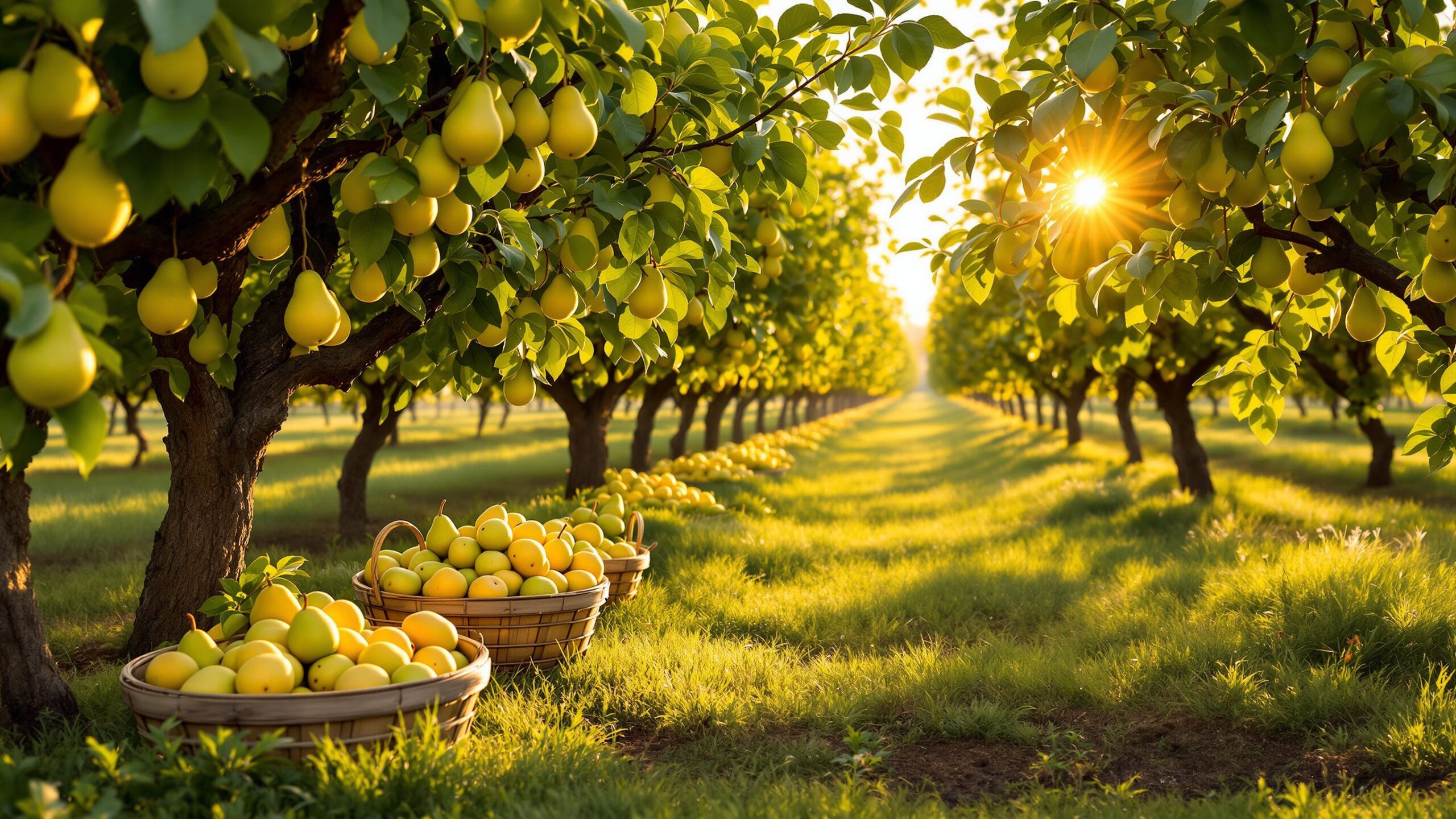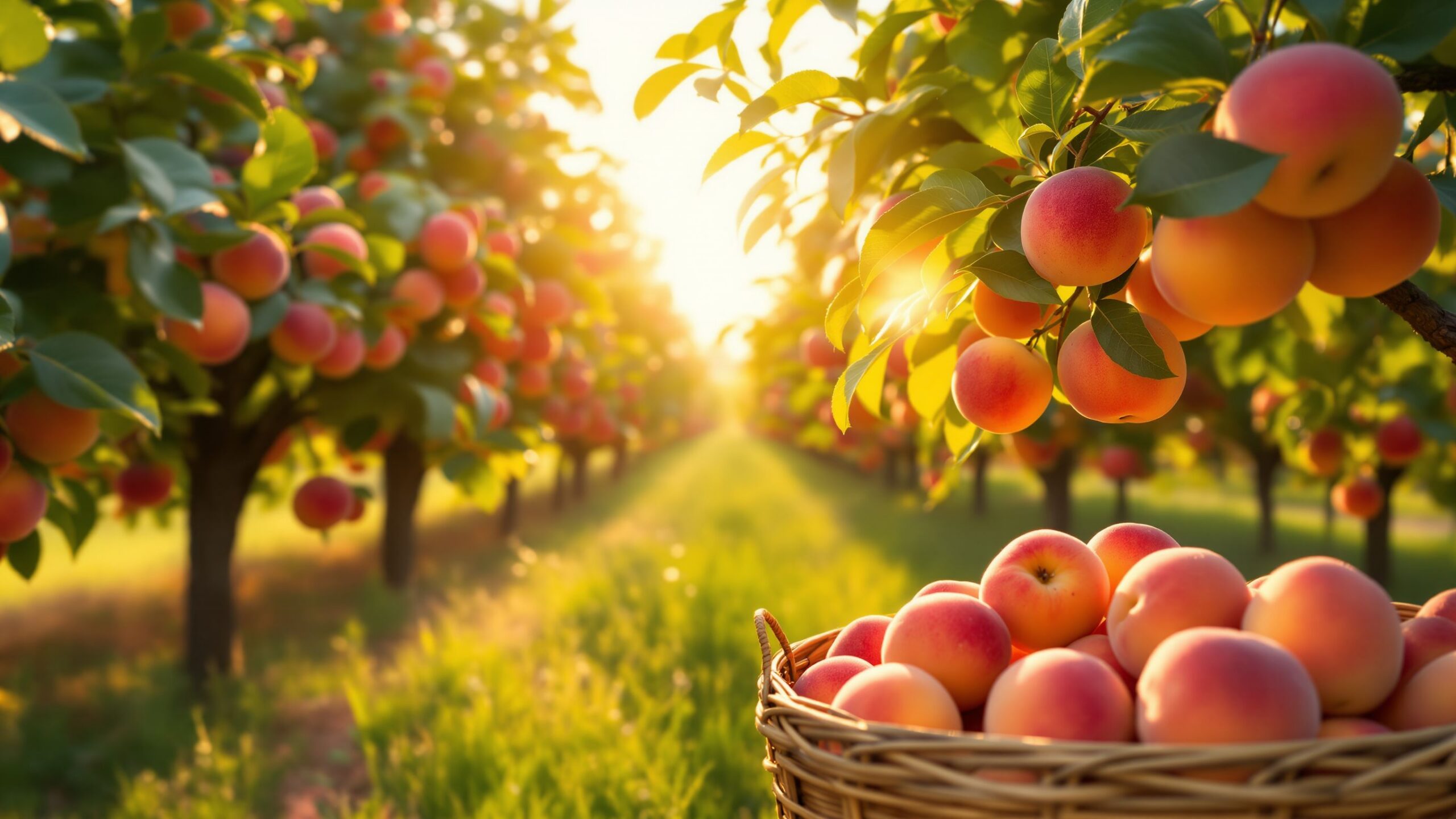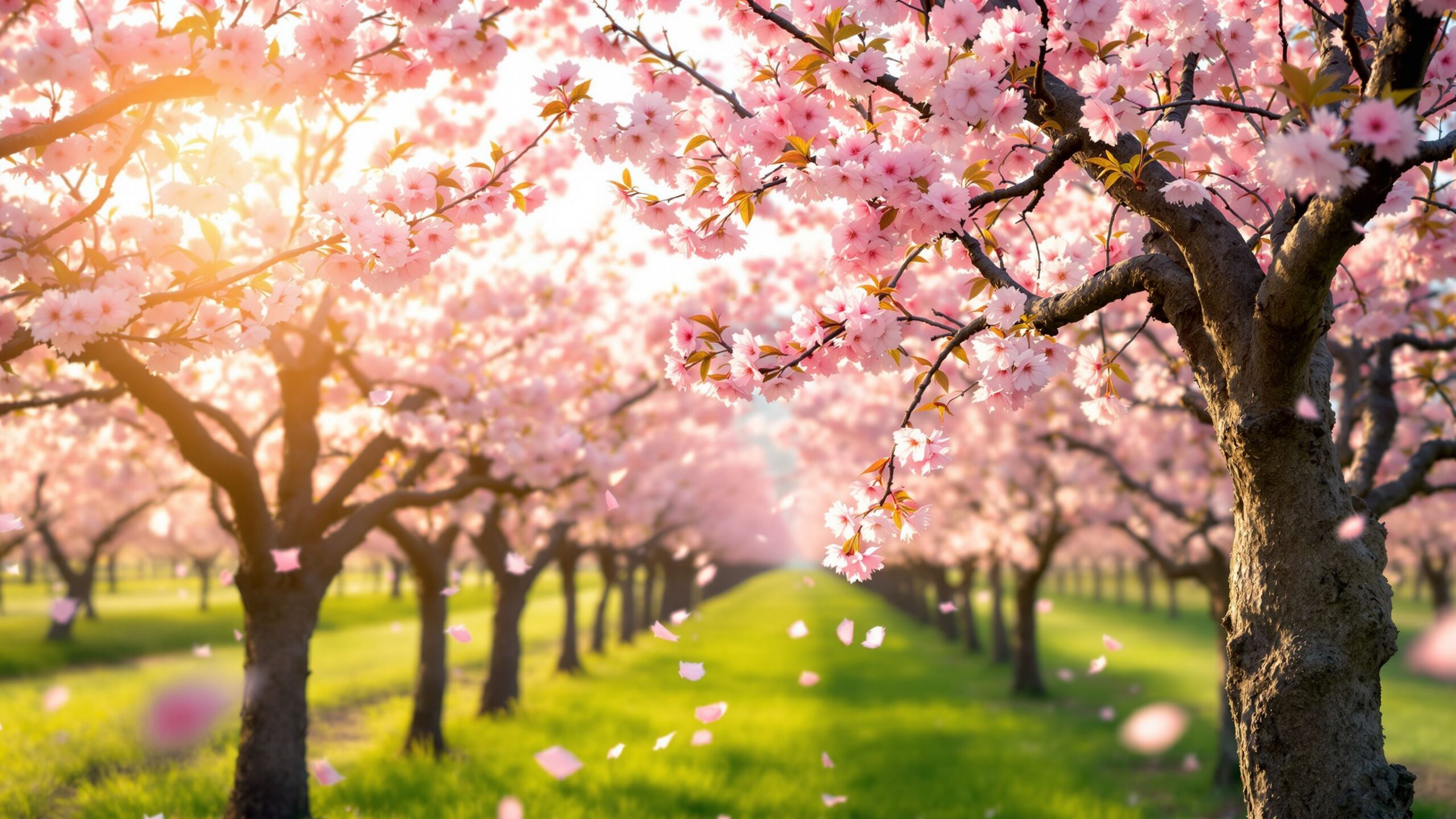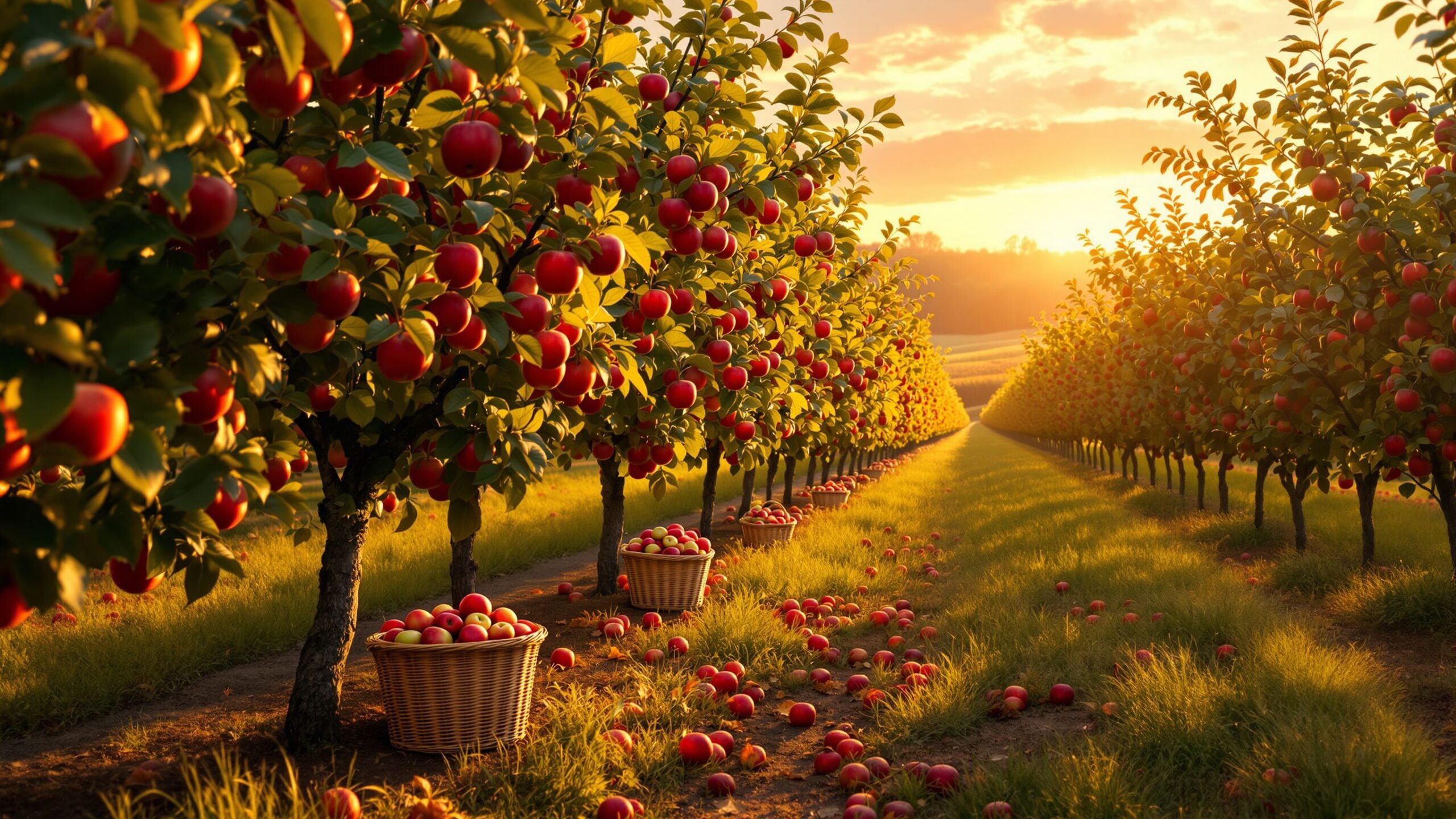
Apple trees are among the most beloved fruit trees in the world, celebrated for their beautiful blossoms, delicious fruit, and deep connection to agriculture, culture, and tradition. From sprawling commercial orchards to small backyard gardens, apple trees have become symbols of abundance, growth, and seasonal change. Their sweet fragrance in spring and colorful harvests in autumn make them one of the most recognizable and rewarding trees people can grow. Beyond their beauty, apple trees also play an important role in ecosystems, food production, and even history. For centuries, people across the globe have cultivated apple trees for food, trade, and enjoyment. Today, apples remain one of the most widely consumed fruits on Earth, appearing in everything from fresh snacks and desserts to juices, sauces, and ciders. The apple tree itself is admired not only for its fruit but also for its graceful structure, seasonal transformation, and resilience. Whether growing in large orchards or in a single backyard corner, apple trees continue to capture the imagination of gardeners, farmers, and nature lovers alike.
A: Plant them in early spring or fall when the weather is mild and roots can establish.
A: Yes, most need at least six hours of direct sun daily for strong fruiting.
A: Many varieties need a compatible pollination partner nearby, though some are partly self-fertile.
A: Dwarf trees may fruit in a few years, while larger trees can take longer.
A: Water deeply and consistently, especially during dry weather and the first few growing seasons.
A: Late winter or very early spring is usually best before new growth begins.
A: The tree may need thinning, better watering, stronger nutrition, or improved sunlight.
A: Dwarf varieties can grow in large containers with good soil, drainage, and steady care.
A: Common issues include aphids, codling moths, apple maggots, mites, and scale insects.
A: Yes, especially disease-resistant varieties matched to your climate and space.
The History of Apple Trees
The story of apple trees stretches back thousands of years. Historians believe the original ancestors of modern apples came from Central Asia, particularly in regions that are now part of Kazakhstan. Wild apple forests still grow there today, offering a glimpse into the ancient origins of one of humanity’s favorite fruits. Traders traveling along the Silk Road carried apple seeds and saplings across continents, allowing apples to spread into Europe, the Middle East, and eventually North America.
Over time, people selectively bred apples to improve flavor, texture, size, and storage ability. Ancient civilizations such as the Romans and Greeks cultivated apples extensively and developed orchards dedicated to fruit production. As European settlers traveled to the Americas, they brought apple seeds and grafted trees with them, helping establish apple farming throughout the United States and Canada.
Apple trees eventually became deeply woven into cultural traditions. Folktales, myths, and legends frequently featured apples as symbols of knowledge, temptation, prosperity, and health. The phrase “an apple a day keeps the doctor away” reflects the fruit’s long-standing association with nutrition and wellness. Today, apple trees remain iconic agricultural plants that connect modern growers with thousands of years of farming history.
What Makes Apple Trees Unique
Apple trees stand out because of their incredible versatility and beauty throughout the seasons. In spring, they burst into clouds of delicate blossoms that range from white to soft pink. These blossoms attract bees and pollinators, filling orchards with buzzing life and sweet floral scents. During summer, the tree develops thick green foliage and slowly growing fruit. By autumn, branches become heavy with apples in shades of red, yellow, and green.
Unlike many fruit-bearing plants, apple trees can thrive in a wide range of climates. Different varieties have adapted to colder northern regions, moderate temperate zones, and even warmer areas with proper care. Their adaptability has helped apples become one of the world’s most successful fruit crops.
Another unique feature of apple trees is the tremendous variety available. There are thousands of apple cultivars grown worldwide, each with its own flavor profile, texture, color, and growing requirements. Some apples are sweet and crisp, while others are tart and ideal for baking. This diversity allows growers and consumers to enjoy apples for countless culinary purposes.
Popular Types of Apple Trees
Apple trees come in many varieties, each offering something special. Some are prized for fresh eating, while others are famous for baking, cider making, or long-term storage. Certain varieties thrive better in specific climates, making regional apple traditions especially important.
One of the most famous apple varieties is the Honeycrisp apple, known for its juicy texture and explosive crunch. Developed in Minnesota, Honeycrisp apples quickly became favorites because of their balance between sweetness and tartness. Gala apples are another popular variety, offering mild sweetness and soft crispness that appeal to a wide audience.
Granny Smith apples are easily recognized by their bright green skin and tart flavor. These apples hold their structure well when cooked, making them excellent for pies and baked dishes. Fuji apples, originally developed in Japan, are famous for their intense sweetness and firm flesh. Red Delicious apples remain iconic because of their deep red appearance, though many modern consumers favor newer varieties for flavor.
Some apple trees are specifically cultivated for cider production. These cider apples often contain unique balances of sugar, acidity, and tannins that create complex flavors during fermentation. Traditional cider orchards continue to thrive in parts of Europe and North America where hard cider culture remains strong.
How Apple Trees Grow
Apple trees begin life as small saplings, but with proper care they can mature into productive trees capable of producing fruit for decades. Most commercial apple trees are grafted rather than grown from seed. Grafting allows growers to combine desirable fruit-producing branches with hardy root systems, ensuring consistency in flavor and growth characteristics.
Young apple trees focus much of their energy on developing strong roots and branches. During the first few years, growers often prune trees carefully to shape them for future fruit production. Proper pruning improves airflow, sunlight exposure, and branch strength.
As apple trees mature, they begin producing blossoms in spring. Pollination is critical during this stage. Bees and other pollinators transfer pollen between flowers, allowing fruit to develop. Many apple varieties require cross-pollination from another compatible apple tree nearby in order to produce fruit successfully.
After pollination, tiny apples begin forming and gradually grow throughout summer. Growers may thin some developing fruit to prevent branches from becoming overloaded. By late summer or autumn, apples reach maturity and are ready for harvest.
Ideal Growing Conditions for Apple Trees
Apple trees thrive best in regions with cool winters and warm summers. Most varieties require a certain number of “chill hours” during winter dormancy to produce healthy blossoms and fruit the following season. Areas with distinct seasonal changes are often ideal for apple cultivation.
Sunlight is one of the most important factors in apple tree growth. Trees generally need full sun exposure for healthy fruit production. Without enough sunlight, apples may remain small, less flavorful, or prone to disease. Well-draining soil is equally important because apple trees dislike waterlogged roots.
Proper spacing between trees helps improve airflow and reduces disease risk. Orchard managers carefully plan layouts to maximize sunlight exposure while allowing enough room for maintenance and harvesting. Regular watering is especially important for young trees, though mature trees can become relatively drought tolerant depending on climate conditions.
Different rootstocks can influence tree size and adaptability. Dwarf apple trees are popular for home gardens because they remain compact and easier to harvest. Standard apple trees grow much larger and may live longer, but they require more space and maintenance.
Apple Blossoms and Pollinators
One of the most magical aspects of apple trees is their blossom season. In spring, orchards transform into seas of white and pink flowers that attract pollinators from all directions. These blossoms are not only beautiful but also essential for fruit production.
Bees play the most important role in apple pollination. Honeybees and native pollinators visit flowers searching for nectar and pollen, transferring pollen between blossoms as they move. Without pollinators, many apple trees would produce little or no fruit.
Some orchard owners maintain beehives specifically to support pollination during bloom season. Healthy pollinator populations are critical for agricultural success, which is why many growers focus on sustainable practices that protect bees and other beneficial insects.
Blossom timing can vary depending on climate and apple variety. Frosts during bloom season can damage flowers and reduce harvest yields, making weather conditions especially important for apple growers.
Harvest Season and Apple Picking
Autumn is the season most closely associated with apple trees. As temperatures cool and leaves begin changing color, apples ripen and become ready for harvest. Orchards fill with activity as growers pick fruit by hand and prepare for distribution.
Apple picking has become a beloved seasonal tradition in many regions. Families visit orchards to gather apples directly from trees while enjoying hayrides, cider donuts, and fall scenery. This connection between agriculture and recreation has helped apple orchards remain popular destinations year after year.
Harvest timing depends on the apple variety. Some apples ripen in late summer, while others are harvested deep into autumn. Growers monitor color, firmness, and sugar levels carefully to determine the ideal picking time.
Freshly harvested apples can often be stored for surprisingly long periods under proper conditions. Modern storage technologies help preserve crispness and flavor, allowing apples to remain available throughout much of the year.
The Nutritional Value of Apples
Apples are widely praised for their nutritional benefits. They contain fiber, vitamin C, antioxidants, and natural plant compounds that support overall health. Because apples are portable and naturally sweet, they have become one of the most popular healthy snacks worldwide.
The fiber found in apples may help support digestion and heart health. Antioxidants in apple skin contribute to reducing oxidative stress in the body. Different apple varieties contain slightly different nutrient profiles, but most offer valuable health benefits as part of a balanced diet.
Apples are also incredibly versatile in the kitchen. They can be eaten fresh, baked into pies, blended into sauces, pressed into cider, or dried for snacks. Their balance of sweetness and acidity allows them to work in both sweet and savory dishes.
Common Challenges Facing Apple Trees
Although apple trees are resilient, they face several challenges from pests, diseases, and environmental conditions. Growers must monitor orchards carefully to maintain healthy trees and productive harvests.
Apple scab is one of the most common fungal diseases affecting apple trees. It causes dark spots on leaves and fruit, reducing quality and yield. Powdery mildew and fire blight are additional diseases that can spread rapidly if unmanaged.
Pests such as codling moths and aphids may also damage apples and foliage. Many growers use integrated pest management strategies that combine monitoring, pruning, natural predators, and careful treatments to minimize harm while protecting the environment.
Climate change presents another growing challenge for apple orchards. Shifting weather patterns, late frosts, droughts, and heatwaves can disrupt bloom cycles and reduce fruit quality. Researchers and growers continue exploring new varieties and farming techniques to adapt to changing conditions.
Apple Trees in Culture and Tradition
Apple trees hold deep symbolic meaning in cultures around the world. In folklore and mythology, apples often represent wisdom, temptation, immortality, or prosperity. Stories featuring apples appear in traditions from Europe, Asia, and the Americas.
Apple harvest festivals remain important celebrations in many communities. These events honor agricultural traditions while bringing people together for food, music, and seasonal activities. Apple cider, caramel apples, pies, and baked goods become especially popular during autumn festivals.
The apple tree has also become a symbol of home gardening and self-sufficiency. Planting an apple tree is often viewed as an investment in the future because trees can continue producing fruit for generations when properly cared for.
Growing Apple Trees at Home
Many homeowners dream of growing their own apple trees. Fortunately, modern dwarf and semi-dwarf varieties make backyard apple growing more accessible than ever. Even relatively small gardens can support productive trees with proper planning.
Choosing the right variety is one of the most important decisions for home growers. Climate compatibility, pollination requirements, disease resistance, and flavor preferences all influence success. Local nurseries often recommend varieties suited to regional conditions.
Regular pruning helps maintain tree shape and improve fruit quality. Mulching around the base conserves moisture and reduces weed competition. Gardeners also benefit from monitoring for pests and diseases early before problems spread.
Growing apple trees can be deeply rewarding because it connects people directly to the rhythms of nature. Watching blossoms appear in spring and harvesting fruit in autumn creates a sense of accomplishment that few garden plants can match.
The Future of Apple Trees
The future of apple trees continues evolving through science, sustainability, and consumer demand. Researchers are developing new apple varieties with improved flavor, disease resistance, and climate adaptability. Sustainable orchard practices are becoming increasingly important as growers seek to protect soil, water, and pollinator health.
Modern consumers also show growing interest in heirloom apple varieties. These older cultivars often offer unique flavors and historical significance that differ from mass-market supermarket apples. Farmers markets and specialty orchards have helped revive appreciation for diverse apple genetics.
Technology is changing apple farming as well. Advanced irrigation systems, precision agriculture tools, and improved storage methods allow growers to manage orchards more efficiently while reducing waste. Despite these innovations, the heart of apple growing remains rooted in seasonal cycles and careful stewardship of the land.
Why Apple Trees Continue to Inspire
Apple trees continue to inspire people because they represent far more than fruit production alone. They symbolize patience, renewal, nourishment, and connection to the natural world. Their blossoms announce the arrival of spring, while their harvests celebrate abundance and preparation for winter.
Whether standing in a massive orchard or growing quietly in a backyard garden, apple trees carry a timeless charm that resonates across generations. Their beauty, versatility, and importance to human history ensure they will remain treasured trees for centuries to come. From ancient Silk Road forests to modern orchards filled with families picking apples on crisp autumn afternoons, the story of apple trees continues to grow alongside humanity itself.
Garden Product Reviews
Step into Mossy Streets’ Garden Product Reviews — your go-to guide for the best tools, gear, gifts, books, and garden gadgets rooted in nature. From blooming backyard beauties to lush indoor jungles, from heirloom seeds to high-tech composters, we dig into top-rated products for green thumbs, beginners, educators, and plant lovers alike. Whether you’re planting, pruning, decorating, or simply enjoying your green space, we’ve unearthed the best so you can grow, bloom, and thrive — all in one vibrant place!