Few herbs announce themselves as quickly as mint. Brush against a leaf, crush it gently between your fingers, or walk through a patch after rain, and the air immediately fills with a cool, unmistakable fragrance. Mint belongs to the genus Mentha in the mint family, Lamiaceae. The genus includes numerous species, hybrids, and cultivated varieties, including peppermint, spearmint, apple mint, chocolate mint, pineapple mint, and many others. Mint has been used in cooking, beverages, gardens, traditional herbal practices, and household preparations for centuries. Its popularity is easy to understand. Mint grows quickly, tolerates a range of conditions, produces generous harvests, and can be used in everything from teas and desserts to sauces, salads, marinades, and refreshing summer drinks. The same vigorous growth that makes mint so productive also creates one of its biggest challenges. Mint spreads aggressively through underground stems called rhizomes and can quickly move beyond the area where it was originally planted. For many gardeners, the secret to successful mint growing is not convincing the plant to grow. It is convincing it to stay where it belongs.
A: Mint generally grows well in full sun to partial shade, with some afternoon shade being helpful in very hot climates.
A: Keep the soil consistently moist but not waterlogged, especially during hot weather and when growing Mint in containers.
A: Containers help prevent its aggressive rhizomes from spreading throughout garden beds.
A: Yes. Mint can grow indoors when given bright light, consistent moisture, and good airflow.
A: Snip healthy stems just above a set of leaves to encourage fresh branching and continued growth.
A: You can, especially if you want to support pollinators, but removing flower buds may extend tender leaf production.
A: In many climates, Mint is perennial and returns from its roots and rhizomes each spring.
A: Yes. Mint is one of the easiest herbs to propagate from healthy stem cuttings.
A: Yellow leaves can result from overwatering, poor drainage, nutrient problems, crowded roots, or natural aging.
A: Yes. It grows quickly, tolerates frequent harvesting, and is easy to propagate, although its spreading habit should be controlled.
What Does Mint Look Like?
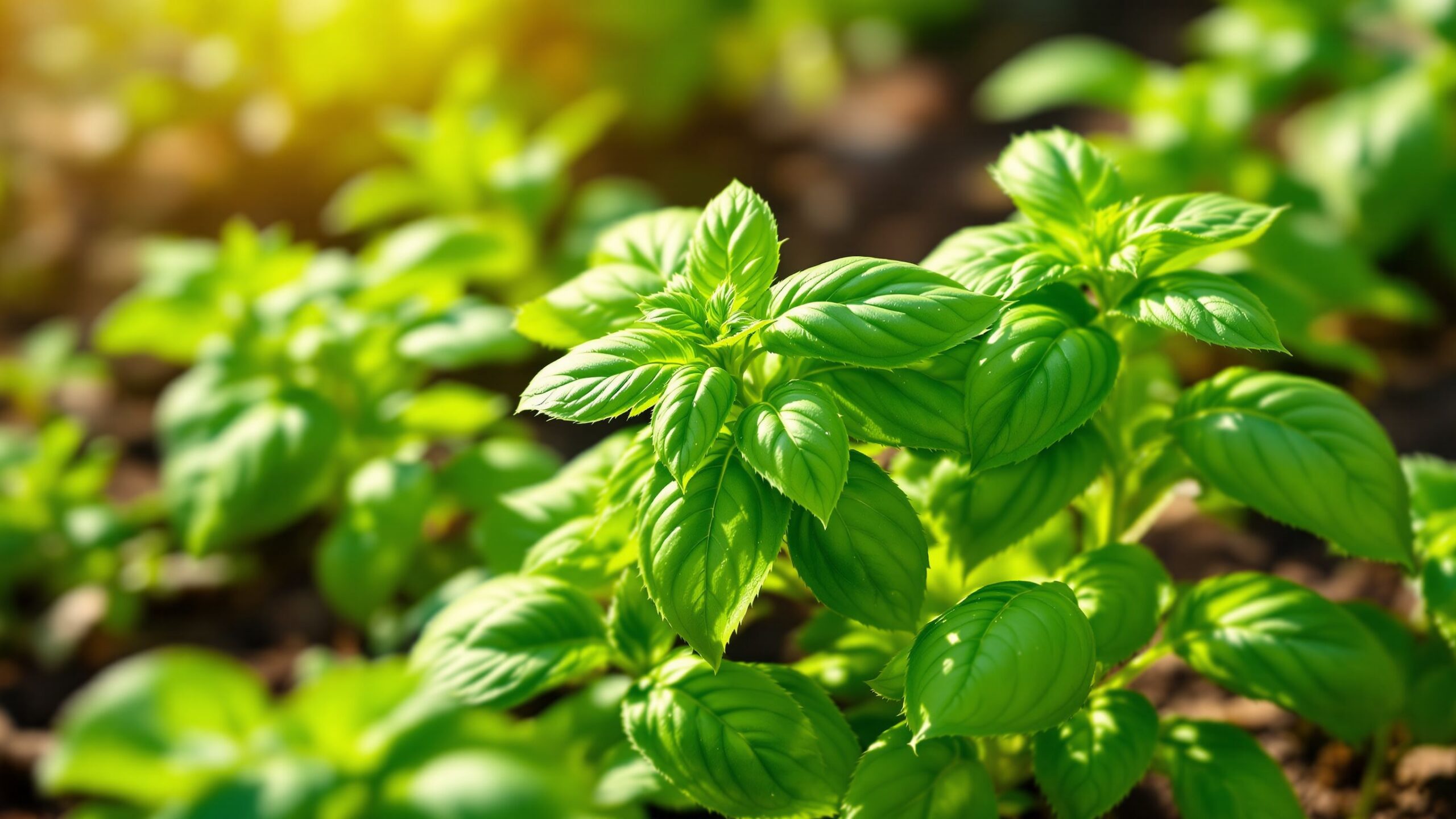
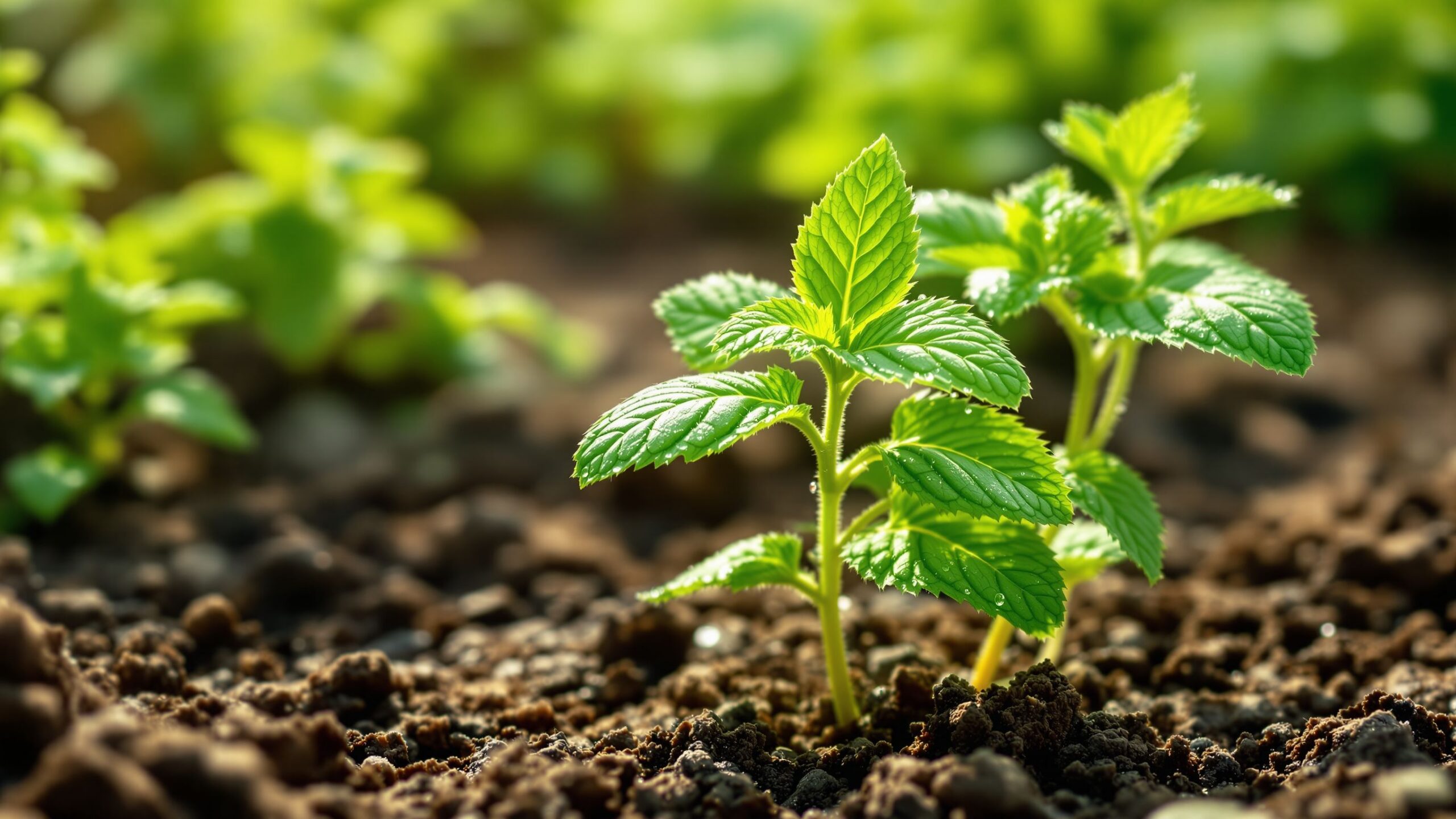
Mint typically produces square stems, opposite leaves, and a strong fragrance when the foliage is crushed.
These features are characteristic of many members of the mint family.
Leaf appearance varies significantly among species and cultivars.
Spearmint usually develops bright to medium green leaves with serrated edges and a somewhat pointed shape.
Peppermint often has darker foliage and may show reddish or purplish coloration on stems.
Apple mint produces softer, rounder leaves that may have a slightly fuzzy texture.
Pineapple mint is especially ornamental because its green leaves are edged with creamy white variegation.
Plants usually grow upright at first, but underground rhizomes steadily produce new shoots around the original plant.
As summer progresses, many mint varieties develop upright spikes or clusters of small white, pink, lavender, or purple flowers.
Where Does Mint Come From?
Mint species occur naturally across parts of Europe, Asia, Africa, Australia, and North America.
Because the genus is widespread and hybridizes readily, mint does not have one simple geographic origin story.
Humans have also cultivated and transported mint for thousands of years.
The ancient Greeks and Romans used mint in food, fragrances, bathing traditions, and household settings.
Mint later became deeply embedded in European, Middle Eastern, North African, Asian, and American culinary traditions.
Today, different mint species are grown across much of the world.
Their long history of cultivation has produced a remarkable collection of flavors and fragrances ranging from classic cool menthol to fruity, citrusy, chocolate-like, and sweet aromas.
Why Mint Smells So Strong
Mint’s aroma comes from volatile compounds stored in specialized structures within the leaves.
Menthol is especially famous because of its strong association with peppermint.
When menthol interacts with temperature-sensitive receptors in the mouth and skin, it produces a cooling sensation even though the actual temperature has not necessarily changed.
Different mint species contain different combinations and concentrations of aromatic compounds.
This is why peppermint smells and tastes noticeably different from spearmint.
Spearmint tends to contain more carvone, producing a sweeter and softer mint flavor.
The aromatic chemistry also explains why simply touching the plant can release such a powerful fragrance.
Breaking tiny structures on the leaf surface releases volatile oils into the air.
Peppermint Versus Spearmint
Peppermint and spearmint are the two mint varieties most people recognize.
Peppermint is generally classified as Mentha × piperita, a hybrid involving water mint and spearmint.
It contains relatively high levels of menthol and has a strong cooling flavor.
Spearmint, Mentha spicata, tastes sweeter and milder because its aroma is dominated more by carvone than menthol.
These differences influence how the herbs are used.
Peppermint is particularly popular in candies, chocolate desserts, teas, and strongly flavored preparations.
Spearmint is commonly used in savory dishes, fresh salads, sauces, Middle Eastern foods, beverages, and classic mint juleps.
Both plants have similar garden needs and equally enthusiastic spreading habits.
The Best Sunlight for Mint
Mint grows well in full sun to partial shade.
In cooler climates, several hours of direct sunlight can support dense, vigorous growth.
In areas with intense summer heat, protection from the strongest afternoon sun may help prevent excessive wilting and leaf scorching.
Mint can tolerate somewhat less sunlight than many Mediterranean herbs such as rosemary or thyme.
This makes it useful in garden locations that receive morning sun followed by afternoon shade.
However, extremely deep shade can cause stretched stems, smaller leaves, and thinner growth.
For the fullest plants, provide enough light to maintain compact foliage while protecting the plant from excessive heat when necessary.
The Best Soil for Mint
Mint prefers fertile, moisture-retentive soil with good drainage.
Unlike drought-loving herbs, mint generally appreciates soil that remains somewhat moist.
It can grow in a wide variety of garden soils as long as roots receive adequate water and oxygen.
Adding compost to poor soil can improve structure and moisture retention.
Container-grown mint performs well in a quality potting mix.
Avoid using dense garden soil inside pots because it can compact and drain poorly.
Mint is forgiving, but it grows especially lush when soil contains adequate organic matter and moisture.
In very dry, sandy conditions, plants may survive but often require significantly more frequent watering.
How Much Water Does Mint Need?
Mint enjoys regular moisture.
Plants growing in hot sun or containers can wilt quickly when soil becomes dry.
Water deeply enough to moisten the root zone rather than repeatedly wetting only the surface.
Container-grown mint may need frequent watering during summer because pots dry much faster than garden beds.
The goal is moist soil rather than permanent saturation.
Roots still need oxygen.
A pot left continuously standing in water can develop root problems despite mint’s preference for moisture.
Checking the soil regularly is more reliable than following a rigid schedule.
If the top layer begins drying, it is usually time to investigate whether watering is needed.
Why Mint Wilts
Mint may wilt dramatically during hot weather.
Its leaves can lose water rapidly, especially when temperatures are high and sunlight is intense.
If the soil is dry, watering usually helps the plant recover quickly.
However, wet soil combined with wilting can indicate root stress.
Poor drainage can damage roots and prevent them from transporting water efficiently.
Recently transplanted mint may also wilt temporarily while its root system adjusts.
A plant that droops in the afternoon but stands upright again by evening may simply be responding to heat.
Persistent wilting should always prompt a closer look at soil moisture, roots, temperature, and overall plant condition.
How to Plant Mint
Mint can be planted from nursery plants, rooted cuttings, divisions, or seed.
For most named varieties, plants or cuttings are preferable because seed-grown offspring may not reproduce the exact characteristics of the parent.
Choose a location with adequate light and reliable access to moisture.
Before planting mint directly into a garden bed, think carefully about containment.
Once established, underground rhizomes can travel outward in several directions.
A small plant can eventually create a large colony.
Many gardeners therefore prefer containers.
Planting mint in a pot provides far more control and can prevent years of unwanted spreading.
Growing Mint in Containers
Containers may be the single best way to grow mint.
A pot provides enough room for vigorous growth while preventing underground rhizomes from spreading across the garden.
Choose a container with drainage holes and enough width for the plant to expand.
Mint can fill pots surprisingly quickly.
Large containers hold moisture more consistently and reduce how often watering is needed.
Place the pot in full sun or partial shade depending on climate.
Harvest regularly to maintain compact growth.
Every year or two, heavily root-bound mint can be divided and repotted.
This rejuvenates the plant and provides additional mint for other containers.
Why Mint Takes Over Gardens
Mint spreads through vigorous underground rhizomes.
These horizontal stems travel through soil and produce new shoots at various points.
Even if the original plant remains relatively small, underground growth may already be expanding several inches or feet beyond it.
This is why mint can suddenly appear in neighboring beds.
Pulling the visible shoots may not remove the entire plant because rhizome fragments remain underground.
Those fragments can produce new growth.
Once mint becomes deeply established among other perennial plants, complete removal can be difficult.
This aggressive growth habit is not a sign of poor gardening.
It is simply how mint survives and expands naturally.
How to Keep Mint From Spreading
Containers provide the most dependable control.
Mint planted in above-ground pots cannot send underground rhizomes throughout a garden bed.
Gardeners sometimes bury pots or barriers in the ground, but containment must be carefully maintained because rhizomes can escape through drainage openings or grow over the top edge.
Regular inspection is essential.
Remove wandering stems before they root.
Flowering plants may also produce seeds, although vegetative spread is usually the bigger issue with established garden mint.
If you want mint near a vegetable garden, keeping it in a large nearby container provides easy access without surrendering the bed to the plant.
Can Mint Be Used as Groundcover?
Mint can form dense groundcover, but this use should be approached carefully.
Its vigorous spreading habit allows it to cover soil quickly.
In a contained area where nothing else needs to grow, that may be useful.
However, mint can easily move beyond its intended boundaries.
Once mixed into lawns, ornamental beds, or neighboring gardens, it may become difficult to control.
For ordinary landscapes, a less aggressive groundcover is often easier to manage.
If mint is used intentionally as a spreading groundcover, choose the location knowing that long-term containment will require ongoing maintenance.
Growing Mint Indoors
Mint can grow indoors when provided with sufficient light.
A bright window that receives several hours of sunlight is ideal.
Supplemental grow lights can improve growth during dark winter months.
Indoor mint benefits from regular pruning.
Without enough light or harvesting, stems may become long and sparse.
Keep soil moderately moist but avoid leaving the pot waterlogged.
Indoor air can become extremely dry during winter, especially around heating systems.
Mint may dry more quickly than expected under these conditions.
Inspect plants periodically for aphids, spider mites, and other pests.
Fresh cuttings can also be started indoors regularly to replace older, tired plants.
How to Grow Mint From Cuttings
Mint is extremely easy to propagate from stem cuttings.
Select a healthy non-flowering stem and cut a section several inches long.
Remove leaves from the lower portion.
Place the stem in water so the bare nodes are submerged while upper leaves remain above the surface.
Roots often develop quickly.
Once a useful root system forms, transfer the cutting into potting soil.
Mint can also be rooted directly in moist growing medium.
Because propagation is so simple, one healthy plant can provide enough cuttings to create many additional plants.
It is also a convenient way to share favorite varieties with other gardeners.
Dividing Mint Plants
Division is another easy propagation method.
An established mint plant usually develops numerous connected shoots and underground rhizomes.
The root mass can be lifted or removed from its container and separated into smaller sections.
Each healthy division should include both roots and shoots.
Replant the sections into fresh containers or appropriate garden locations.
Division is particularly useful when container mint becomes crowded.
An overgrown pot can be transformed into several young, vigorous plants.
Regular division also helps prevent dense root systems from becoming so compact that water struggles to penetrate the growing medium.
Can Mint Be Grown From Seed?
Yes, but seed is not always the best way to reproduce specific mint varieties.
Mint species hybridize easily, and seedlings may vary from their parent plants.
If you want ordinary spearmint or another seed-grown type, starting from seed can be enjoyable.
Sow seed shallowly in a warm, moist growing medium.
Because the seeds are small, avoid burying them deeply.
Keep the surface evenly moist during germination.
For specialty varieties such as chocolate mint, pineapple mint, or a favorite peppermint clone, propagation from cuttings or divisions provides much more reliable results.
Vegetative propagation creates genetic copies of the parent plant.
How to Make Mint Grow Bushier
Regular pruning encourages mint to become dense and leafy.
Pinch or cut stems just above a pair of leaves.
The plant will often produce new branches from the nodes below the cut.
Repeated harvesting creates more growing points and a fuller plant.
Without pruning, mint may produce long upright stems topped by flowers.
Those stems are perfectly natural but may look sparse compared with regularly harvested plants.
If mint becomes tall and untidy, it can usually tolerate a substantial trim.
Healthy roots quickly send out fresh growth during favorable weather.
How to Harvest Mint
Mint can be harvested once plants become established and begin producing multiple stems.
For small harvests, pinch leaves or tender stem tips as needed.
For larger harvests, cut stems just above leaf nodes.
The remaining plant will branch and regrow.
Morning can be an excellent harvesting period after dew has dried but before intense heat.
Leaves are often especially fragrant before flowering.
However, mint remains usable even after blooms appear.
Avoid stripping every leaf from a young plant.
Leaving enough foliage allows continued photosynthesis and faster recovery.
How Often Can Mint Be Harvested?
Healthy mint can be harvested repeatedly throughout the growing season.
Fast-growing plants may recover from trimming within a short period.
Regular harvesting actually helps maintain tender foliage.
Once stems become tall and flowering begins, the leaves may become somewhat tougher or stronger in flavor.
Cutting the plant back can trigger fresh shoots.
In favorable climates, several major harvests may be possible within one season.
Container mint should be monitored closely after heavy pruning because rapid regrowth requires adequate water and nutrients.
Should You Let Mint Flower?
Mint flowers are not necessarily a problem.
Small white, pink, or lavender blooms can attract bees, butterflies, and other pollinators.
Allowing some plants to flower can add ecological and visual interest to an herb garden.
If your priority is maximum leaf production, removing flower spikes may encourage the plant to focus more energy on foliage.
Flowering stems can also become less tender.
Gardeners who want both pollinator value and kitchen harvests can simply allow some stems to bloom while trimming others.
Because mint is naturally vigorous, flowering usually does not mean the plant stops producing leaves entirely.
Mint Flowers and Pollinators
Mint flowers can be surprisingly popular with pollinating insects.
Bees often move rapidly from blossom to blossom along the flower spikes.
Small beneficial insects may also visit.
This makes mint valuable in edible gardens where gardeners want to increase floral diversity.
The flowers are not dramatic individually, but a large patch of blooming mint can create a substantial nectar source.
If containment is already under control, allowing selected plants to flower can be worthwhile.
After blooming, stems can be trimmed back to encourage a flush of fresh foliage.
Peppermint
Peppermint is one of the most famous mints in the world.
Botanically known as Mentha × piperita, it is a hybrid with a strong menthol-rich aroma.
The flavor is intense, cool, and refreshing.
Peppermint is widely used in teas, candy, chocolate desserts, syrups, baked goods, and beverages.
Plants tend to grow vigorously and spread quickly.
Peppermint often performs especially well in moist soil and moderate sunlight.
Because cultivated peppermint is a hybrid, propagation is commonly done through cuttings or division rather than relying on seed.
Spearmint
Spearmint, Mentha spicata, has a sweeter and softer flavor than peppermint.
It lacks the same intense menthol sensation, making it extremely versatile in cooking.
Spearmint appears in sauces, salads, drinks, lamb dishes, vegetable recipes, Middle Eastern foods, and desserts.
It is also the mint traditionally associated with many classic mint julep recipes.
The plant grows vigorously and can quickly fill a container.
Leaves are typically pointed with serrated edges.
For gardeners who want one all-purpose culinary mint, spearmint is often an excellent choice.
Chocolate Mint
Chocolate mint is a cultivated mint with a fragrance that many people describe as a combination of mint and chocolate-like sweetness.
The plant is often considered a form or cultivar of peppermint.
Its aroma makes it especially popular in desserts, drinks, teas, and fruit dishes.
Chocolate mint grows much like other vigorous mints.
It appreciates moisture, good light, and regular trimming.
The flavor name can create unrealistic expectations.
Leaves do not taste exactly like a chocolate bar.
Instead, their fragrance contains subtle sweet notes that complement peppermint characteristics.
Apple Mint
Apple mint, often associated with Mentha suaveolens, produces rounded, softly textured leaves and a mild fruity fragrance.
It can grow larger and more upright than some other common mints.
The soft foliage gives the plant a distinctive appearance.
Apple mint works well in beverages, fruit dishes, salads, jellies, and teas.
Its mild flavor can be useful when peppermint seems too strong.
The species still spreads vigorously, so containers remain an excellent choice.
Pineapple Mint
Pineapple mint is one of the most ornamental mint cultivars.
Its leaves have creamy white margins surrounding green centers.
The variegation can make the plant attractive enough for decorative containers and edible landscapes.
Pineapple mint has a mild fruity aroma and can be used in drinks, salads, fruit preparations, and desserts.
Variegated foliage may be more susceptible to scorching under extremely intense sun.
Bright light with some protection during the hottest part of the day can help maintain attractive leaves in hot climates.
Occasional all-green shoots may appear and can be removed if preserving variegation is important.
Moroccan Mint
Moroccan mint is commonly associated with forms of spearmint and is famous for its use in North African mint tea.
The leaves provide a refreshing sweet mint flavor that pairs beautifully with green tea and sugar.
Plants grow vigorously and appreciate regular water.
Growing Moroccan mint in containers near outdoor seating areas can make harvesting convenient.
Its cultural importance demonstrates how a simple herb can become deeply connected to hospitality, tradition, and daily life.
Water Mint
Water mint, Mentha aquatica, naturally grows in moist habitats such as stream edges, wetlands, and damp soils.
It is one of the parent species involved in peppermint’s ancestry.
Unlike herbs that struggle with consistent moisture, water mint can tolerate extremely damp conditions.
This makes it useful around pond margins in appropriate settings.
However, its vigorous spreading habit means it should still be managed carefully.
Before planting near natural waterways, gardeners should consider whether the species is appropriate for the region and whether it could spread beyond cultivation.
Mint in the Vegetable Garden
Mint can be a useful neighbor to a vegetable garden if it is contained.
Its aromatic foliage adds diversity and provides easy access for harvesting.
Flowers can attract pollinators and other insects.
The problem comes when mint is planted directly among permanent vegetables or perennial herbs.
Underground rhizomes may quickly weave through root systems and become extremely difficult to remove.
A large container placed beside the garden provides most of the benefits without the invasion risk.
The pot can even be moved seasonally to different locations.
Mint and Companion Planting
Mint is often promoted as a companion plant that supposedly repels a long list of insects.
Some aromatic compounds may influence insect behavior, but companion-planting claims are often exaggerated.
Simply planting mint beside another crop does not create an invisible barrier against pests.
Mint can still contribute positively to a diverse garden.
Its flowers support pollinators, and aromatic foliage adds habitat complexity.
The best reason to plant mint near vegetables is usually because the gardener enjoys the herb and can keep it contained.
Integrated pest management remains more reliable than expecting one strongly scented plant to eliminate problems.
Common Mint Pests
Mint is vigorous but not pest-proof.
Aphids can cluster around tender growing tips.
Spider mites may become a problem in hot, dry indoor environments.
Flea beetles can create numerous tiny holes in leaves.
Caterpillars and other chewing insects may also feed on the foliage.
Because mint is usually grown for eating, pest management should begin with careful inspection and simple cultural measures.
Strong plants can tolerate some leaf damage.
If treatments are required, only products specifically labeled for edible herbs should be used according to instructions.
Why Does My Mint Have Holes in the Leaves?
Holes usually indicate feeding insects or slugs.
Flea beetles often create numerous small round holes.
Caterpillars may remove larger irregular sections.
Slugs and snails may feed at night and leave ragged damage.
Inspect the plant after dark if daytime searches reveal nothing.
Look underneath leaves and around the base of the container.
Minor feeding often looks worse than it actually is.
A fast-growing mint plant can usually replace damaged leaves quickly.
If heavily affected, trimming damaged stems may stimulate healthier fresh growth once the pest problem is addressed.
Common Mint Diseases
Mint may experience fungal diseases, particularly when plants are crowded and leaves stay wet for long periods.
Mint rust is one of the better-known problems.
Powdery mildew may also develop under certain conditions.
Root diseases can occur in poorly drained soil.
Good airflow reduces many problems.
Thin extremely dense plants and avoid placing containers so close together that air cannot circulate.
Watering around the soil surface instead of frequently wetting foliage can help reduce prolonged leaf moisture.
Diseased leaves should not be ignored when symptoms continue spreading.
Mint Rust
Mint rust is caused by fungal pathogens that can produce distinctive orange, yellow, or brown pustules on foliage and stems.
Affected leaves may eventually yellow and drop.
Severe infections can weaken plants and reduce the quality of edible foliage.
Removing heavily affected material and improving airflow can help.
Because mint grows so vigorously, severely infected container plants are sometimes easier to replace with clean cuttings or divisions from disease-free stock.
Avoid propagating visibly diseased plants.
If rust appears repeatedly outdoors, rotation and sanitation may help reduce recurrence.
Why Are Mint Leaves Turning Yellow?
Yellow leaves may result from several causes.
Excessive watering and poor drainage can reduce root health.
Nutrient shortages may produce pale growth.
Extremely crowded containers can become depleted of both soil nutrients and root space.
Older leaves may naturally yellow and die as fresh growth develops.
Disease should also be considered if yellowing appears with spots or unusual structures.
Check soil moisture first.
A mint plant sitting in saturated soil should not automatically receive additional water because its leaves look pale.
Why Are Mint Leaves Turning Brown?
Brown edges can develop when mint becomes too dry.
Hot wind and intense sunlight can accelerate moisture loss.
Container plants are particularly vulnerable because their roots cannot move beyond the pot to find water.
Leaf scorching can also occur under extreme heat.
On the opposite end of the spectrum, root problems caused by waterlogging can eventually produce brown foliage.
Examine the whole plant and growing conditions.
If only old lower leaves are affected while the growing tips remain healthy, the issue may simply be natural aging.
How to Rejuvenate an Overgrown Mint Plant
Mint responds exceptionally well to pruning.
If a plant becomes tall, woody, flowering, or unattractive, cut it back substantially while leaving healthy growth near the base.
Water appropriately and provide adequate light.
Fresh shoots often emerge quickly.
Container plants that are severely root-bound can be removed from the pot and divided.
Discard old woody portions and replant vigorous younger sections into fresh growing mix.
Within a relatively short period, the container can look completely renewed.
This ability to regenerate is one of mint’s greatest strengths.
Fertilizing Mint
Mint is not usually a demanding feeder when grown in fertile garden soil.
Compost can often provide enough nutrition for steady growth.
Container-grown plants eventually use up nutrients available in potting mix and may benefit from occasional balanced feeding.
Avoid excessive nitrogen.
Although high nitrogen can produce enormous leaves and rapid growth, overly soft plants may become more susceptible to pests or disease.
Heavy fertilization is rarely necessary for home herb production.
Healthy mint usually responds more strongly to proper moisture, light, pruning, and root space than to constant feeding.
Mint in Hanging Baskets
Mint can be attractive in hanging containers.
Stems may spill over the edges while new upright shoots grow from the center.
Variegated types such as pineapple mint can be especially decorative.
Hanging baskets dry more rapidly than large ground-level pots, so watering requires close attention.
Strong wind can also increase moisture loss.
Regular trimming keeps stems compact and prevents the basket from becoming uneven.
A hanging container provides another excellent way to enjoy mint without allowing it to spread through garden soil.
Can Mint Grow in Water?
Mint cuttings root readily in water and can survive for extended periods with their roots submerged.
This makes mint popular for simple windowsill propagation.
However, long-term healthy growth usually requires access to appropriate nutrients.
A cutting sitting indefinitely in plain water may eventually become weak.
Hydroponic systems can grow mint successfully because nutrients are supplied directly through the water.
For ordinary home propagation, water rooting is best viewed as a convenient step before moving the plant into soil.
How to Store Fresh Mint
Fresh mint can be stored for a limited period after harvest.
Stems may be placed in a glass with a small amount of water, similar to cut flowers.
Depending on conditions, loosely covering the leaves may help retain moisture.
Refrigeration methods can also work, although excessive moisture trapped around the foliage may encourage deterioration.
Handle leaves gently.
Bruised mint loses quality quickly.
For the best flavor, harvest only what you expect to use when possible.
Growing mint in a nearby container makes fresh harvesting easy.
Can Mint Be Frozen?
Mint can be frozen for longer storage.
Leaves may be frozen whole, chopped, or placed into ice-cube trays with water.
Mint-filled ice cubes can be convenient for beverages.
Freezing changes the texture of the leaves, so thawed mint will not have the same crispness as fresh foliage.
However, the flavor can remain useful for teas, sauces, drinks, and cooked dishes.
Freezing is particularly helpful at the end of the growing season when a large quantity of mint may otherwise go unused.
Can Mint Be Dried?
Mint dries well.
Harvest healthy stems before the leaves become damaged or overly mature.
The foliage can be air-dried in small bundles under appropriate dry conditions or dried using other safe herb-drying methods.
Once thoroughly dry, strip leaves from stems and store them in an airtight container away from heat and direct sunlight.
Dried mint works particularly well in teas, seasoning blends, sauces, and certain traditional dishes.
Although its flavor differs from fresh mint, drying provides an easy way to preserve a large harvest for winter.
Culinary Uses for Mint
Mint appears in cuisines throughout the world.
Fresh spearmint is common in salads, yogurt sauces, grain dishes, lamb recipes, vegetable preparations, and Middle Eastern foods.
Peppermint is widely used in chocolate desserts, sweets, and tea.
Mint can brighten fruit salads and summer beverages.
It pairs with watermelon, cucumber, lemon, lime, berries, peas, potatoes, and numerous other foods.
Fresh mint is essential to drinks such as mojitos and mint juleps.
The herb’s refreshing quality can balance rich, spicy, sweet, or acidic foods.
Different varieties can create dramatically different flavors, so experimentation is part of the fun.
Is Mint Safe to Eat?
Common culinary mint varieties such as spearmint and peppermint are widely consumed.
Leaves and tender stems can be eaten fresh or cooked.
Flowers are also edible.
Identification still matters.
Do not consume an unknown plant simply because it resembles mint or smells aromatic.
Plants treated with pesticides not labeled for edible crops should not be eaten.
Gardeners with pets should also remember that human culinary use does not automatically mean large amounts of every mint preparation are appropriate for every animal.
For everyday cooking, correctly identified culinary mint is one of the most familiar edible herbs.
Mint in Traditional Herbal History
Mint has been valued in traditional practices for centuries.
Historical uses have included teas, aromatic preparations, culinary remedies, fragrances, bathing, and household applications.
Peppermint in particular became strongly associated with digestive and cooling preparations.
Traditional history can be fascinating, but it should not be confused with proof that mint can treat or cure medical conditions.
Modern herbal products can also be much more concentrated than the leaves used in ordinary cooking.
The safest way to appreciate mint at home is as a culinary and aromatic herb unless specific health use has been discussed with an appropriate professional.
Is Mint Safe for Pets?
Fresh mint plants should be placed thoughtfully around pets.
Some common culinary mints may cause gastrointestinal upset if animals eat large quantities.
Essential oils are much more concentrated and should never be treated as equivalent to ordinary fresh leaves.
Pet owners should consult a veterinarian or animal poison-control resource if significant ingestion occurs or if a pet develops symptoms.
Growing mint in elevated or controlled containers can reduce unwanted chewing while still keeping the herb convenient for household use.
Can Mint Survive Winter?
Many mint species are hardy perennials.
In cold climates, the visible stems and leaves may die back after freezing weather, while underground rhizomes remain alive.
New shoots emerge when soil warms in spring.
A pot offers less insulation than garden soil, so container mint may experience more severe root temperatures during winter.
Moving containers to a sheltered location can provide additional protection.
In milder climates, mint may remain partly green throughout much of winter.
The plant’s ability to disappear and return strongly the following year can surprise gardeners who assume frost killed it completely.
Mint in Spring
Spring is when established mint often returns with remarkable energy.
New shoots emerge from underground rhizomes and quickly fill available space.
This is an excellent time to divide crowded plants.
Remove weak or dead material and give fresh growth room to develop.
Container mint can be repotted into fresh growing mix if roots have completely filled the pot.
Because the plant expands quickly, early spring is also a good time to inspect garden beds for shoots that escaped their intended boundaries.
Removing them while young is far easier than dealing with a large colony later.
Mint in Summer
Summer is peak mint season in many climates.
Warm temperatures and long days produce rapid leafy growth as long as adequate moisture remains available.
Harvest frequently.
Water containers carefully during hot spells.
If plants begin flowering heavily and become tall or coarse, cutting them back can stimulate a fresh flush of tender leaves.
In very hot climates, some afternoon shade may keep foliage looking better.
Blooming stems can be left temporarily for pollinators before pruning.
Mint in Fall
As temperatures cool, mint growth begins slowing.
Fall is an excellent time for a final large harvest before severe frost.
Leaves can be dried or frozen for winter use.
Avoid heavy fertilizer late in the season in cold climates.
The plant naturally begins shifting energy below ground.
After frost damages the stems, dead growth can be trimmed.
Gardeners who want fresh winter mint can root young cuttings indoors before outdoor plants become dormant.
Fascinating Mint Facts
Mint belongs to a botanical family famous for aromatic plants.
Its stems are often square rather than round.
Different mint species hybridize readily, which is why identifying wild or garden mint can sometimes become complicated.
Peppermint itself is a hybrid.
Menthol activates cold-sensitive receptors, creating a cooling sensation without actually making your mouth colder.
Mint spreads primarily through underground rhizomes, allowing a single plant to become an entire patch.
Flowers can attract large numbers of pollinators.
Many named mint varieties do not come reliably true from seed, making cuttings and division particularly useful.
Perhaps the most memorable mint fact is also the most practical: once planted in open soil, it may remain in that garden much longer than expected.
How Long Does Mint Live?
Mint is generally perennial.
A healthy plant can return for many years.
Individual stems are temporary and may die back each winter, but underground rhizomes keep the colony alive.
Because mint continually produces new shoots, an established patch can persist almost indefinitely when conditions remain favorable.
Container plants may eventually become overcrowded and decline.
Dividing them every few years rejuvenates the planting.
This means a single mint purchase can potentially provide generations of new plants through cuttings and divisions.
Creating the Perfect Mint Care Routine
Successful mint care begins with containment.
Unless you intentionally want it spreading through a large area, grow mint in a container.
Give the plant full sun to partial shade and fertile, moisture-retentive soil with adequate drainage.
Water regularly, especially during hot weather.
Harvest stems frequently to encourage branching.
Trim flower spikes when maximum leaf production is desired, or allow selected flowers to remain for pollinators.
Watch for rust, aphids, flea beetles, spider mites, and other occasional problems.
Divide crowded containers when growth becomes weak or roots fill the available space.
Protect pots from severe winter cold when necessary.
Most importantly, use it.
Frequent harvesting keeps mint healthy while providing a constant supply of fragrant leaves.
Why Mint Deserves a Place in Every Herb Garden
Mint is one of those rare herbs that rewards beginners almost immediately.
It grows quickly, smells incredible, produces generous harvests, tolerates frequent pruning, and can return year after year.
A single pot can supply fresh leaves for teas, salads, sauces, desserts, vegetables, fruit dishes, and summer drinks.
A collection can offer entirely different experiences.
Peppermint brings intense coolness. Spearmint delivers softer sweetness. Chocolate mint adds a playful dessert-like aroma. Apple mint offers gentle fruity notes, while pineapple mint provides both flavor and striking variegated foliage.
Mint also teaches one of gardening’s most valuable lessons: vigorous plants still require thoughtful management.
Planted carelessly in open soil, mint can become an unwanted garden resident that refuses to leave. Grown in a spacious container, the same aggressive growth becomes an advantage, constantly replacing the stems harvested for the kitchen.
Give mint moisture, adequate sunlight, regular trimming, and enough root space, and it will do what it does best: grow.
For gardeners who want maximum fragrance and flavor with relatively little effort, the Mentha genus remains one of the most rewarding groups of herbs to cultivate.
Garden Product Reviews
Step into Mossy Streets’ Garden Product Reviews — your go-to guide for the best tools, gear, gifts, books, and garden gadgets rooted in nature. From blooming backyard beauties to lush indoor jungles, from heirloom seeds to high-tech composters, we dig into top-rated products for green thumbs, beginners, educators, and plant lovers alike. Whether you’re planting, pruning, decorating, or simply enjoying your green space, we’ve unearthed the best so you can grow, bloom, and thrive — all in one vibrant place!