Few herbs are as instantly recognizable as basil. Brush your fingers across the leaves and the plant releases an unmistakable fragrance that can be sweet, peppery, spicy, citrusy, clove-like, or even slightly anise-scented depending on the variety. That powerful aroma is one of the reasons basil has become a cornerstone of kitchens and gardens around the world. Botanically, the culinary basil most people know is Ocimum basilicum, a member of the mint family, Lamiaceae. This family includes many familiar aromatic plants such as mint, rosemary, sage, oregano, thyme, and lavender. Basil is usually grown as a warm-season annual in temperate climates. It loves heat, sunlight, and regular harvesting, and it can grow surprisingly quickly once summer conditions arrive. Although many people think of basil primarily as an ingredient, it is also a beautiful garden plant. Its glossy leaves, compact or upright growth, delicate flowers, and wide range of colors make it useful in herb beds, vegetable gardens, patio containers, kitchen gardens, and ornamental landscapes. Some varieties stay small and tidy, while others become large, bushy plants capable of producing armfuls of fragrant leaves.
A: Most basil grows best with at least six hours of direct sunlight each day.
A: Water when the upper layer of soil begins to dry, keeping the soil evenly moist without leaving it soggy.
A: Pinching the growing tips encourages branching, which creates a fuller plant with more leaves to harvest.
A: If your main goal is leaf production, removing flower buds can help delay seed production and extend harvesting.
A: Yes. Basil can grow indoors with strong light, warmth, good drainage, and regular watering.
A: Yellowing can result from overwatering, poor drainage, nutrient issues, low light, or natural aging.
A: Yes. Healthy stem cuttings often root readily in water or moist potting mix.
A: Begin harvesting once plants have several sets of healthy leaves and continue regularly throughout the season.
A: Sweet Basil is usually grown as an annual because frost kills it, although some related basil species can behave differently in warm climates.
A: Yes. Basil grows quickly, responds well to regular harvesting, and performs well in both gardens and containers.
What Does Basil Look Like?
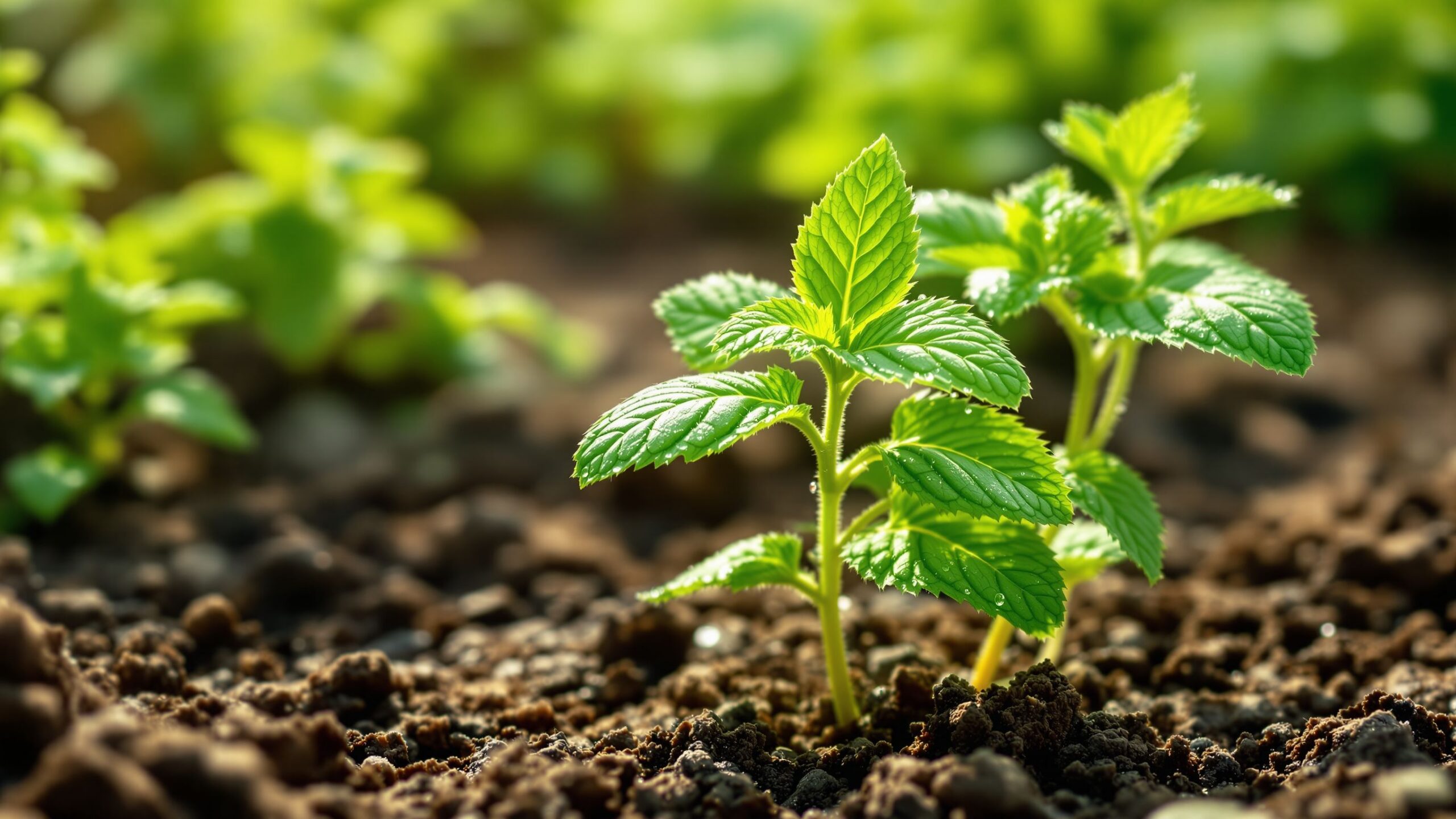
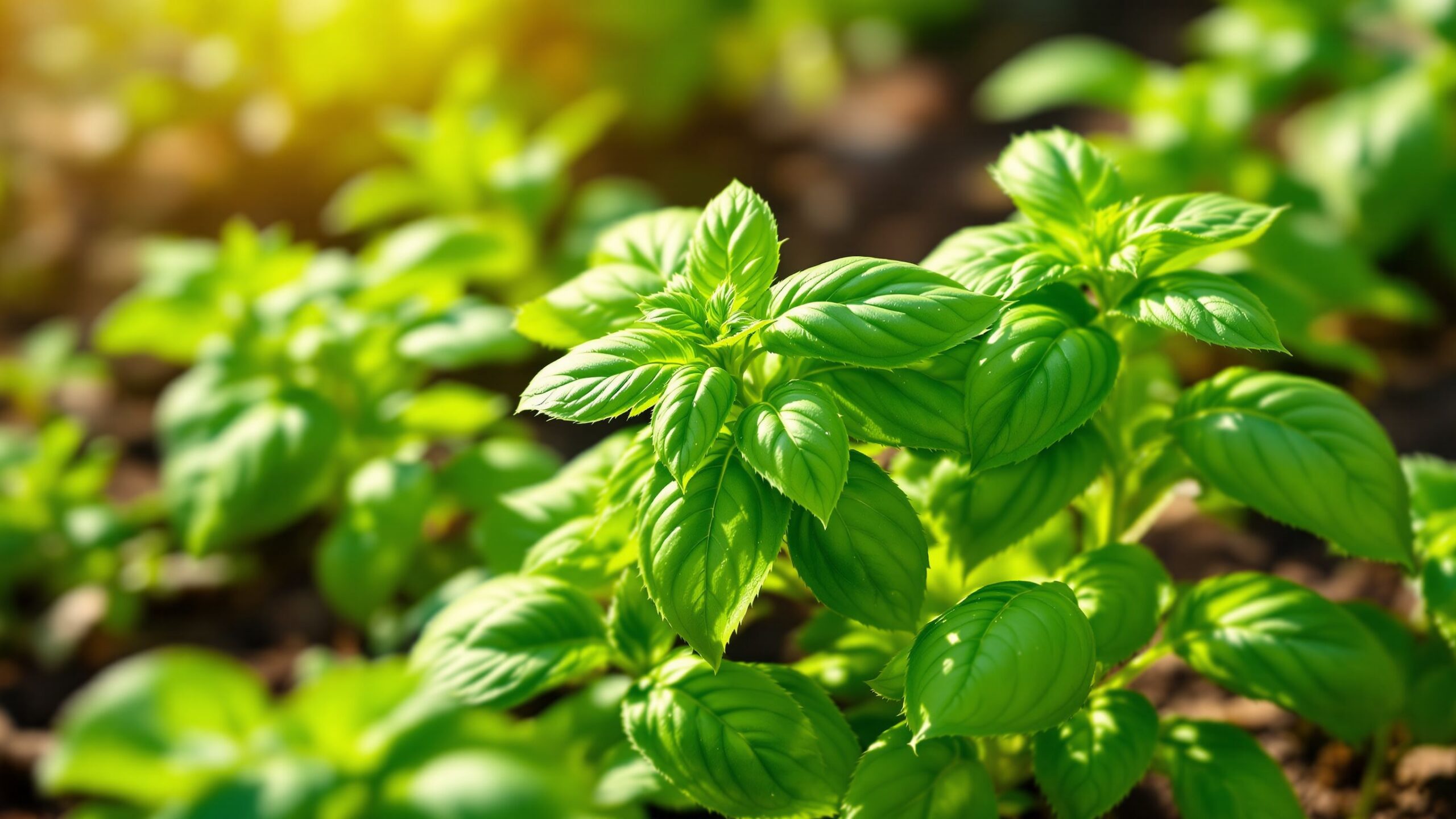
Basil usually develops soft, smooth leaves arranged opposite one another along square stems, a classic characteristic of the mint family.
Leaf shape varies significantly among cultivars.
Sweet basil often has broad, oval, bright green leaves. Genovese basil tends to produce large, slightly cupped leaves with a strong traditional basil fragrance.
Thai basil develops narrower leaves and may have striking purple stems and flower spikes.
Purple basil varieties can produce foliage ranging from burgundy to nearly black-purple.
Lemon and lime basils often have somewhat smaller leaves combined with pronounced citrus aromas.
When the plant begins flowering, upright spikes develop at the tips of stems. Small white, pink, or purple flowers appear along these spikes and can attract bees and other pollinators.
Where Does Basil Come From?
Basil has a long and complicated history of cultivation.
Different basil species and forms originated across tropical and subtropical regions of Africa and Asia, and the plant has been cultivated for centuries in many cultures.
Its exact story is difficult to reduce to a single geographic point because related Ocimum species have long histories across several regions.
Basil became deeply associated with Mediterranean cuisine after spreading through trade and cultivation.
Today, Italian cooking is almost impossible to imagine without basil, especially in dishes such as pesto, tomato salads, pasta sauces, pizza, and fresh vegetable preparations.
Basil is also central to many Southeast Asian cuisines, where different cultivars provide flavors that can be dramatically different from traditional Italian sweet basil.
Its global history explains why “basil” can describe plants with surprisingly different aromas, colors, and culinary uses.
Why Basil Smells So Strong
Basil’s fragrance comes from volatile aromatic compounds stored in specialized structures within the leaves.
Different varieties contain these compounds in different proportions, producing distinct scents.
Some basils smell strongly of cloves.
Others have notes of lemon, cinnamon, licorice, mint, or pepper.
These aromatic oils are released when leaves are touched, crushed, cut, or warmed.
This is why freshly harvested basil often smells dramatically stronger than leaves that have been stored for long periods.
The fragrance serves purposes beyond human enjoyment.
Aromatic compounds can help the plant interact with insects and defend itself against certain pests and herbivores.
For gardeners, fragrance becomes one of the easiest and most enjoyable ways to distinguish basil varieties.
The Best Sunlight for Basil
Basil grows best with abundant sunlight.
In many climates, six to eight hours of direct sun per day supports strong, compact growth and good leaf production.
Morning sun is especially valuable.
In extremely hot regions, some afternoon protection can prevent plants from becoming severely stressed during the hottest part of the day.
Basil grown in insufficient light often becomes tall, weak, and stretched.
The spaces between leaves become longer as the plant reaches toward available light.
Indoor basil can be especially challenging because a bright-looking windowsill may still provide much less light than an outdoor garden.
A very sunny window or supplemental grow light can dramatically improve indoor growth.
The Best Soil for Basil
Basil thrives in fertile, well-drained soil that retains enough moisture to support rapid growth.
The plant does not appreciate standing water around its roots, but it also dislikes being allowed to dry severely over and over.
A loose soil enriched with organic matter can provide an excellent balance.
Garden beds benefit from compost or other appropriate organic amendments when soil quality is poor.
Container basil should be grown in a quality potting mix rather than dense garden soil.
Drainage holes are essential.
Because basil produces leaves rapidly, it benefits from access to nutrients, but excessively rich conditions can create soft, overly lush growth.
Balanced fertility produces healthier plants than constant heavy feeding.
How to Plant Basil From Seed
Basil is relatively easy to grow from seed.
Seeds can be started indoors several weeks before warm outdoor weather arrives or sown directly outside once frost danger has passed and soil temperatures have warmed.
Basil is a heat-loving plant.
Cold soil slows germination and can weaken seedlings.
Seeds should be planted shallowly because they do not need to be buried deeply.
Keep the growing medium evenly moist during germination.
Under favorable warm conditions, seedlings can emerge within approximately one to two weeks.
Once several true leaves develop, young plants can be thinned or transplanted.
Adequate spacing improves airflow and gives each plant room to branch.
When to Plant Basil Outdoors
Basil should not be rushed outdoors in spring.
Even if daytime temperatures feel comfortable, cold nights can severely stress young plants.
Wait until frost danger has passed and nighttime temperatures are consistently mild.
Basil grows best when temperatures are comfortably warm.
Cold weather can cause blackened leaves, stalled growth, and permanent damage.
Gardeners eager for an early start can grow basil indoors and transplant it after conditions improve.
Hardening off is important.
Plants raised indoors should be gradually exposed to outdoor sunlight, wind, and temperature changes rather than being moved directly from a protected windowsill into full sun.
How Much Water Does Basil Need?
Basil prefers consistent moisture.
Because it grows rapidly and produces tender leaves, it can wilt quickly when soil becomes excessively dry.
Container plants may need frequent watering during hot summer weather.
Garden-grown basil can develop a larger root system and may tolerate longer intervals between watering.
Check the soil rather than following a rigid schedule.
If the upper portion begins drying while deeper soil remains slightly moist, it may be time to water.
When watering, soak the root zone thoroughly.
Avoid keeping the soil permanently saturated.
Repeated cycles of severe drought followed by flooding can stress the plant and reduce leaf quality.
Why Basil Wilts So Quickly
Basil leaves are soft and relatively thin, which makes them excellent for cooking but also means they lose water quickly.
On hot afternoons, even a healthy plant may temporarily droop.
If the soil is still moist and the plant recovers as temperatures cool, the wilt may simply be a response to heat.
Persistent wilting requires investigation.
Dry soil is an obvious cause, but waterlogged roots can also cause wilt because damaged roots cannot transport water properly.
Root disease, stem injury, extreme heat, and transplant shock may produce similar symptoms.
Never assume every wilted basil plant needs more water without first checking the soil.
Growing Basil in Containers
Basil is exceptionally well suited to containers.
A single pot can provide enough leaves for regular kitchen use, and several varieties can create an attractive edible patio display.
Choose a container with adequate drainage.
Larger pots hold moisture more consistently than tiny containers and give roots more room to grow.
Basil in containers generally needs more frequent watering than basil growing in the ground.
Position the pot where it receives abundant sunlight.
Regular harvesting keeps the plant compact and productive.
A container also makes it easier to move basil temporarily if severe weather, strong winds, or an unexpected cold night threatens.
Growing Basil Indoors
Basil can grow indoors, but light is usually the biggest challenge.
Place plants in the brightest available window, ideally one receiving several hours of direct sunlight.
If natural light is inadequate, a grow light can help maintain compact growth.
Indoor basil should also have good airflow.
Crowded plants growing in warm, humid conditions may become more vulnerable to disease.
Rotate containers periodically so growth remains balanced.
Avoid placing plants directly against cold winter glass or beside heating vents.
Indoor basil may not grow as explosively as outdoor summer plants, but with sufficient light and warmth, it can provide fresh leaves for months.
How to Make Basil Grow Bushier
One of the most important basil-growing techniques is regular pinching.
When a young basil plant develops several sets of leaves, the growing tip can be pinched or cut just above a leaf pair.
This removes the dominant growing point.
In response, buds near the leaf nodes begin developing into side branches.
Instead of producing one tall stem, the plant becomes wider and bushier.
Each new branch can later be pinched again, multiplying the number of growing tips.
A basil plant harvested regularly often becomes much fuller than one left untouched.
Waiting too long to begin pruning can result in a tall, narrow plant with fewer productive branches.
How to Harvest Basil Correctly
Harvesting basil is essentially a form of pruning.
Rather than removing random individual leaves from the bottom of the plant, cut stems just above a healthy pair of leaves.
The plant responds by producing new branches from that point.
Regular harvesting encourages continuous fresh growth.
Morning is often an excellent time to harvest after dew has dried but before intense midday heat.
Use clean scissors or pinch tender stems carefully.
Do not remove nearly the entire plant at once unless the growing season is ending.
Frequent moderate harvests keep basil productive and attractive for much longer.
How Often Can Basil Be Harvested?
Fast-growing basil can be harvested frequently during warm weather.
Once established, plants may produce enough new growth for harvesting every week or two depending on size, temperature, sunlight, fertility, and water.
The more carefully the plant is pinched, the more branching points it develops.
This can dramatically increase total leaf production.
Regular harvesting also delays flowering.
If basil is ignored for weeks, it may devote increasing energy to producing flowers and seeds rather than tender foliage.
For gardeners growing basil primarily for cooking, harvesting is one of the most important maintenance tasks.
Why Does Basil Flower?
Flowering is a natural part of basil’s reproductive cycle.
As the plant matures, flower buds develop at the ends of stems.
High temperatures, long days, plant maturity, and stress can all influence flowering.
Once flowers appear, the plant begins directing energy toward reproduction and seed production.
Leaves may become smaller or develop a stronger, sometimes more bitter flavor.
Flowering does not make basil suddenly unusable.
However, gardeners wanting maximum tender leaf production usually pinch off developing flower spikes.
Regular pruning can delay flowering substantially.
Eventually, most annual basil plants will continue trying to bloom as the season progresses.
Should You Let Basil Flower?
Whether basil should flower depends on your goal.
For maximum culinary leaf production, remove flower buds before they fully develop.
This encourages the plant to continue producing foliage and branches.
If you want to support pollinators, allowing some stems to bloom can be worthwhile.
Basil flowers attract bees and other beneficial insects.
Flowering is also necessary if you want to collect seeds.
A gardener can easily compromise by keeping most of the plant pruned for leaves while allowing a few selected branches to mature and flower.
This provides fresh basil while still supporting pollinators and seed saving.
How to Save Basil Seeds
To save basil seed, allow selected flower spikes to remain on the plant until they mature and begin drying.
Tiny seeds develop within the spent flower structures.
Once the stalks are dry, they can be cut and collected carefully.
Crush or rub the dried flower material gently to release the small dark seeds.
Separate as much debris as practical.
Store completely dry seeds in a cool, dry, dark location.
Seeds collected from open-pollinated varieties are more likely to produce plants similar to the parent.
Hybrid varieties may produce offspring with different characteristics.
Different basil varieties growing and flowering near each other can also cross-pollinate.
Propagating Basil From Cuttings
Basil can be propagated easily from stem cuttings.
Cut a healthy non-flowering stem just below a node.
Remove leaves from the lower portion.
The cutting can be placed in water where roots often begin developing within a relatively short period.
Once a useful root system forms, the cutting can be transferred into potting soil.
Cuttings may also be rooted directly in moist growing medium.
Propagation is an easy way to create multiple plants from a favorite basil.
It is also useful late in the season when gardeners want to bring a new young plant indoors rather than moving a large mature outdoor specimen.
Sweet Basil
Sweet basil is one of the most familiar culinary types.
It produces fragrant green leaves with the classic aroma associated with Mediterranean cooking.
Plants usually grow upright and bushy when regularly pinched.
Sweet basil can be used fresh in pasta, salads, sauces, sandwiches, soups, vegetables, and numerous other dishes.
There are many cultivars within the broad sweet basil category.
Some are selected for compact growth, disease resistance, leaf size, flavor, or delayed flowering.
This means two plants both labeled “sweet basil” may perform somewhat differently in the garden.
Genovese Basil
Genovese basil is especially famous for pesto.
Its large green leaves have an intense sweet-spicy fragrance and tender texture.
The variety is strongly associated with the cuisine of Genoa and the Ligurian region of Italy.
For gardeners who want basil primarily for pesto, Genovese types are often an excellent choice.
Regular pinching keeps the plant productive.
Because large-leaved basil can lose moisture quickly, consistent watering becomes important during hot weather.
Harvest before flowers fully develop when the goal is the most tender, aromatic foliage.
Thai Basil
Thai basil brings an entirely different personality to the herb garden.
Its narrower green leaves are often paired with purple stems and purple flower spikes.
The aroma has noticeable licorice or anise-like qualities.
Thai basil is widely used in Southeast Asian cuisines, particularly Thai and Vietnamese dishes.
Its flavor can hold up relatively well during cooking compared with some delicate sweet basil varieties.
The plant is also highly ornamental.
Purple stems and flowers make Thai basil attractive enough to grow among traditional flowering plants.
Allowing some flower spikes to develop can create a beautiful display that attracts pollinators.
Purple Basil
Purple basil varieties offer dramatic foliage.
Leaves range from reddish-purple to deep burgundy.
Some plants remain almost entirely purple, while others contain mixtures of green and dark coloration.
Flavor varies among cultivars but often retains the spicy, clove-like qualities associated with basil.
Purple basil can add striking contrast to salads, herb gardens, containers, and edible landscapes.
The foliage is especially attractive beside bright green herbs.
Adequate sunlight usually helps maintain stronger color.
Plants grown in weak light may appear less richly pigmented.
Lemon Basil
Lemon basil combines familiar basil characteristics with a noticeable citrus fragrance.
Its leaves release a bright lemon-like scent when rubbed.
This makes it useful in fish dishes, poultry, salads, teas, sauces, desserts, and Southeast Asian cooking.
The plant is generally grown using the same basic principles as other warm-season basils.
Provide abundant sunlight, warm temperatures, regular watering, and frequent harvesting.
The citrus aroma can make lemon basil a particularly enjoyable plant to grow where people can brush against the foliage.
Cinnamon Basil
Cinnamon basil develops a warm spicy fragrance that can remind people of cinnamon or cloves.
The plant often produces attractive purple stems and flowers, making it useful both as a culinary herb and ornamental.
Its distinctive flavor can be used in teas, fruit dishes, baked goods, beverages, and creative savory recipes.
Like other basil types, frequent pinching encourages a bushier plant.
Cinnamon basil demonstrates how diverse the Ocimum genus can be.
A collection of several varieties can feel almost like an entire herb garden despite every plant being called basil.
Greek Basil
Greek basil is typically compact with very small leaves.
It naturally forms a dense, rounded shape and can look almost like a miniature shrub.
Because of its tidy habit, Greek basil works especially well in containers, edging, and small-space gardens.
The tiny leaves still provide a strong basil fragrance.
Unlike large Genovese types that may need constant pruning to remain compact, Greek basil naturally develops a more controlled form.
It can be an excellent option for gardeners who want both edible leaves and an ornamental appearance.
Basil in Companion Planting
Basil is frequently planted near vegetables, especially tomatoes.
The classic combination is popular partly because both plants enjoy warm weather and appear together in countless culinary dishes.
Claims that basil dramatically improves the flavor of neighboring tomatoes are difficult to prove and should not be treated as a guaranteed gardening effect.
However, planting herbs among vegetables can increase garden diversity and provide flowers for pollinators when some basil is allowed to bloom.
Basil’s strong aroma may also influence interactions with certain insects, although it should not be considered a complete pest-control system.
Companion planting works best as part of a diverse garden rather than as a substitute for good plant care.
Basil and Tomatoes
Tomatoes and basil are one of the most famous garden pairings.
Both appreciate abundant sun, warm temperatures, fertile soil, and regular water.
Basil can grow around tomato beds as long as neither plant is crowded excessively.
The combination is especially practical because gardeners frequently harvest the two ingredients together.
Fresh tomato, basil, and mozzarella dishes are a classic summer favorite.
Tomatoes eventually become much larger than basil, however, so spacing matters.
A basil plant completely shaded by enormous tomato foliage may become weak.
Position herbs where they still receive useful sunlight.
Basil Flowers and Pollinators
Allowing basil to flower can transform an ordinary herb into a pollinator magnet.
Bees frequently visit the small blossoms, moving from flower to flower along the spikes.
Butterflies and other insects may visit as well.
This can make mature basil valuable in vegetable and pollinator gardens.
If you are growing several plants, consider allowing one or two to flower while continuing to prune the rest for kitchen use.
The flowering plants become attractive garden features while the harvested plants remain leafy.
By late summer, basil can become one of the busiest herbs in the garden when its flowers are covered with visiting insects.
Common Basil Pests
Basil can experience several pest problems.
Aphids may gather on tender new growth and flower stems.
Japanese beetles can chew leaves in regions where they are present.
Slugs and snails may damage young plants near soil level.
Caterpillars and other leaf-feeding insects can also create holes.
Indoor basil may occasionally develop pests such as aphids or spider mites.
Regular inspection makes problems much easier to manage.
Look at leaf undersides as well as upper surfaces.
Minor cosmetic damage rarely justifies extreme intervention.
The goal should be protecting the plant while maintaining a healthy garden ecosystem.
Common Basil Diseases
Basil can suffer from several diseases, with downy mildew and Fusarium wilt among the better-known problems.
Downy mildew can cause yellowing leaves and dark or grayish growth on leaf undersides.
Warm, humid conditions can encourage disease development.
Fusarium wilt can cause yellowing, wilting, and stem discoloration in susceptible plants.
Air circulation is important.
Avoid crowding plants so tightly that foliage remains damp for long periods.
Watering near the soil rather than constantly wetting the leaves can also reduce some disease pressure.
Disease-resistant basil cultivars have become increasingly valuable where problems occur regularly.
Basil Downy Mildew
Basil downy mildew has become a major concern for basil growers in many regions.
Early symptoms may resemble nutrient deficiency because leaves develop pale or yellow areas.
Closer inspection of leaf undersides may reveal dark gray or purple-brown spores.
The disease can spread rapidly under favorable conditions.
Good airflow and avoiding prolonged leaf wetness can help reduce risk, although they cannot guarantee prevention.
Several modern basil cultivars have been bred for improved resistance.
Gardeners who repeatedly experience downy mildew may benefit from selecting resistant varieties rather than planting the same susceptible cultivar every year.
Why Are Basil Leaves Turning Yellow?
Yellow leaves can have many causes.
Overwatering is common, particularly in containers with poor drainage.
Roots sitting in saturated soil may become damaged and unable to function normally.
Nutrient deficiency can also create pale foliage.
Older lower leaves naturally yellow occasionally as the plant redirects resources toward new growth.
Disease, cold temperatures, root crowding, and insufficient sunlight can produce similar symptoms.
Check the entire plant before making corrections.
A yellow leaf does not automatically mean basil needs fertilizer.
Sometimes the plant simply needs better drainage, more light, or warmer weather.
Why Are Basil Leaves Turning Black?
Blackened basil leaves are frequently associated with cold damage.
Basil is extremely sensitive to low temperatures.
Even conditions well above freezing can stress tender leaves, while frost can destroy the plant rapidly.
Physical bruising can also cause dark areas.
Leaves crushed during harvesting or storage may turn black.
Certain diseases can produce dark lesions as well.
If an outdoor basil plant suddenly develops black foliage after a cold night, temperature injury is a likely explanation.
Protect plants when unexpectedly cold weather is forecast.
Why Does Basil Have Holes in the Leaves?
Holes usually indicate something has been feeding on the foliage.
Slugs and snails often create irregular holes and may feed primarily at night.
Caterpillars and beetles can also chew basil.
Look around the plant carefully rather than treating immediately.
Check leaf undersides, stems, nearby soil, and the garden after dark.
Small amounts of feeding are often cosmetic and do not seriously harm a vigorous basil plant.
Because basil leaves are eaten by people, any pest-control product used on the plant must be specifically labeled and appropriate for edible herbs.
Basil and Cold Weather
Basil loves heat and strongly dislikes cold.
Temperatures that barely affect cool-season vegetables can cause basil to slow dramatically.
Frost usually kills the plant.
This is why basil is planted after tomatoes and peppers are safe from cold in many regions.
As autumn approaches, gardeners can harvest large amounts of foliage before the first frost.
Small cuttings can also be rooted indoors to extend the season.
Trying to protect a huge outdoor basil plant all winter is usually less practical than starting a younger plant inside.
Can Basil Survive Winter?
In tropical and subtropical climates, some basil types can live longer than a single season if temperatures remain warm.
In temperate regions, common sweet basil is generally treated as an annual because cold weather kills it.
Indoor growing can extend the harvest.
A sunny window or grow-light setup allows gardeners to maintain basil beyond the outdoor growing season.
However, indoor winter conditions can reduce vigor because of lower light levels.
Starting fresh plants from cuttings or seed often produces better results than attempting to preserve an old woody plant indefinitely.
How to Store Fresh Basil
Fresh basil is surprisingly sensitive to cold storage.
Leaves can darken when exposed to temperatures that are too cold.
Short-term storage methods vary depending on how quickly the basil will be used.
Fresh stems can sometimes be kept like cut flowers in a small container of water at room temperature.
Leaves should be handled gently because bruising accelerates discoloration.
For longer preservation, freezing basil can retain much of its flavor.
Leaves may be incorporated into pesto or chopped with oil before freezing.
The texture changes after freezing, so preserved basil is usually better for cooked dishes than fresh salads.
Can Basil Be Dried?
Basil can be dried, although the flavor changes substantially.
Fresh basil has bright, volatile aromas that diminish during drying.
Dried basil develops a different, more concentrated herbal character that works well in sauces, soups, stews, and seasoning blends.
Leaves should be harvested when healthy and dried thoroughly before storage.
Moisture trapped in stored herbs can encourage mold.
Keep dried basil in an airtight container away from heat and direct sunlight.
Although dried basil is convenient, it does not completely replicate the flavor of freshly harvested leaves.
Many gardeners preserve some by drying and some by freezing.
Culinary Uses for Basil
Basil is one of the world’s most versatile culinary herbs.
Genovese basil is essential to traditional pesto, where fresh leaves are combined with ingredients such as olive oil, cheese, garlic, and nuts.
Fresh leaves complement tomatoes beautifully.
Basil can flavor pasta, pizza, soups, sandwiches, roasted vegetables, salads, sauces, seafood, chicken, and countless other dishes.
Thai basil is used extensively in curries, noodle dishes, stir-fries, and soups.
Lemon basil pairs beautifully with seafood and citrus-based preparations.
Purple basil can add dramatic color to salads and garnishes.
Because delicate basil aroma can diminish during long cooking, sweet basil is often added near the end of preparation.
Is Basil Safe to Eat?
Culinary basil varieties are widely eaten as herbs.
The leaves and tender stems are commonly used fresh or cooked.
Flowers are also edible and can provide a milder basil flavor.
However, identification matters.
Not every ornamental plant casually called “basil” should automatically be consumed without knowing exactly what it is.
Gardeners should also avoid eating foliage treated with pesticides or chemicals not labeled for edible crops.
Wash harvested herbs appropriately before use.
People with specific dietary or medical concerns should follow professional advice rather than treating basil as a medical treatment.
Basil in Traditional Uses
Basil has a long history in traditional foodways, cultural practices, and herbal traditions around the world.
Different cultures have valued different Ocimum species for centuries.
The plant has appeared in religious traditions, folk practices, perfumes, foods, and traditional preparations.
Modern gardeners should distinguish between cultural history and proven medical treatment.
Basil is an excellent culinary herb, but historical use does not automatically prove that a plant can diagnose, prevent, or cure disease.
Its rich cultural history remains fascinating without needing exaggerated health claims.
Fascinating Basil Facts
Basil belongs to the mint family even though its flavor is very different from peppermint or spearmint.
Its square stems are a useful clue to that botanical relationship.
Regular pruning can transform one narrow stem into a large branching plant.
Different cultivars can smell like lemon, cinnamon, cloves, licorice, or traditional sweet basil.
Flowers attract numerous pollinators.
Leaves can be green, purple, red-toned, smooth, ruffled, tiny, or enormous.
Basil grows so rapidly under warm conditions that a small spring seedling can become a substantial plant by midsummer.
Perhaps most impressively, a single genus has become essential to cuisines separated by thousands of miles.
How Long Does Basil Live?
Common sweet basil is usually grown as an annual.
A plant may germinate in spring, grow rapidly through summer, flower, produce seed, and die when cold weather arrives.
In frost-free environments, some plants may survive longer.
Even under ideal conditions, however, older basil often becomes woody and less productive.
Regular propagation allows gardeners to maintain a continuous supply of younger plants.
Rather than thinking of basil as one permanent specimen, it can be helpful to view it as an herb that is constantly renewed through seed and cuttings.
Creating the Perfect Basil Care Routine
Successful basil begins with warmth.
Wait until cold weather has passed before planting outdoors.
Give the plant abundant sunlight and fertile, well-drained soil.
Water consistently without keeping roots permanently wet.
Begin pinching young plants early so they develop multiple branches.
Harvest frequently by cutting just above leaf nodes.
Remove flower buds when maximum leaf production is the goal.
Allow selected plants to flower if you want to support pollinators or save seeds.
Watch for aphids, slugs, downy mildew, yellow leaves, and signs of excessive moisture.
Container plants may need especially frequent watering during summer.
As autumn approaches, harvest heavily before frost and consider rooting cuttings for indoor growing.
Why Basil Deserves a Place in Every Herb Garden
Basil represents almost everything people love about growing herbs.
It is fast.
It is fragrant.
It is beautiful.
It is incredibly useful in the kitchen.
And perhaps best of all, harvesting it actually encourages the plant to become fuller and more productive.
A handful of tiny seeds planted in warm spring soil can become a dense summer patch filled with fragrant leaves. A single nursery plant can branch into a large bush after repeated pinching. A few stem cuttings can become an entirely new collection of plants.
Different varieties make basil even more exciting.
Grow Genovese basil for pesto, Thai basil for spicy Southeast Asian dishes, lemon basil for bright citrus flavor, purple basil for dramatic color, and Greek basil for compact container growth.
Let a few plants flower and the herb garden suddenly becomes alive with bees.
Keep others trimmed and the kitchen stays supplied with fresh leaves throughout summer.
Basil does not require complicated equipment or years of patience. It simply asks for warmth, light, moisture, good soil, and regular harvesting.
In return, Ocimum basilicum offers one of the most satisfying experiences in edible gardening: the ability to step outside, pinch a fragrant handful of fresh leaves, and bring the flavor of the garden directly into the kitchen.
Garden Product Reviews
Step into Mossy Streets’ Garden Product Reviews — your go-to guide for the best tools, gear, gifts, books, and garden gadgets rooted in nature. From blooming backyard beauties to lush indoor jungles, from heirloom seeds to high-tech composters, we dig into top-rated products for green thumbs, beginners, educators, and plant lovers alike. Whether you’re planting, pruning, decorating, or simply enjoying your green space, we’ve unearthed the best so you can grow, bloom, and thrive — all in one vibrant place!