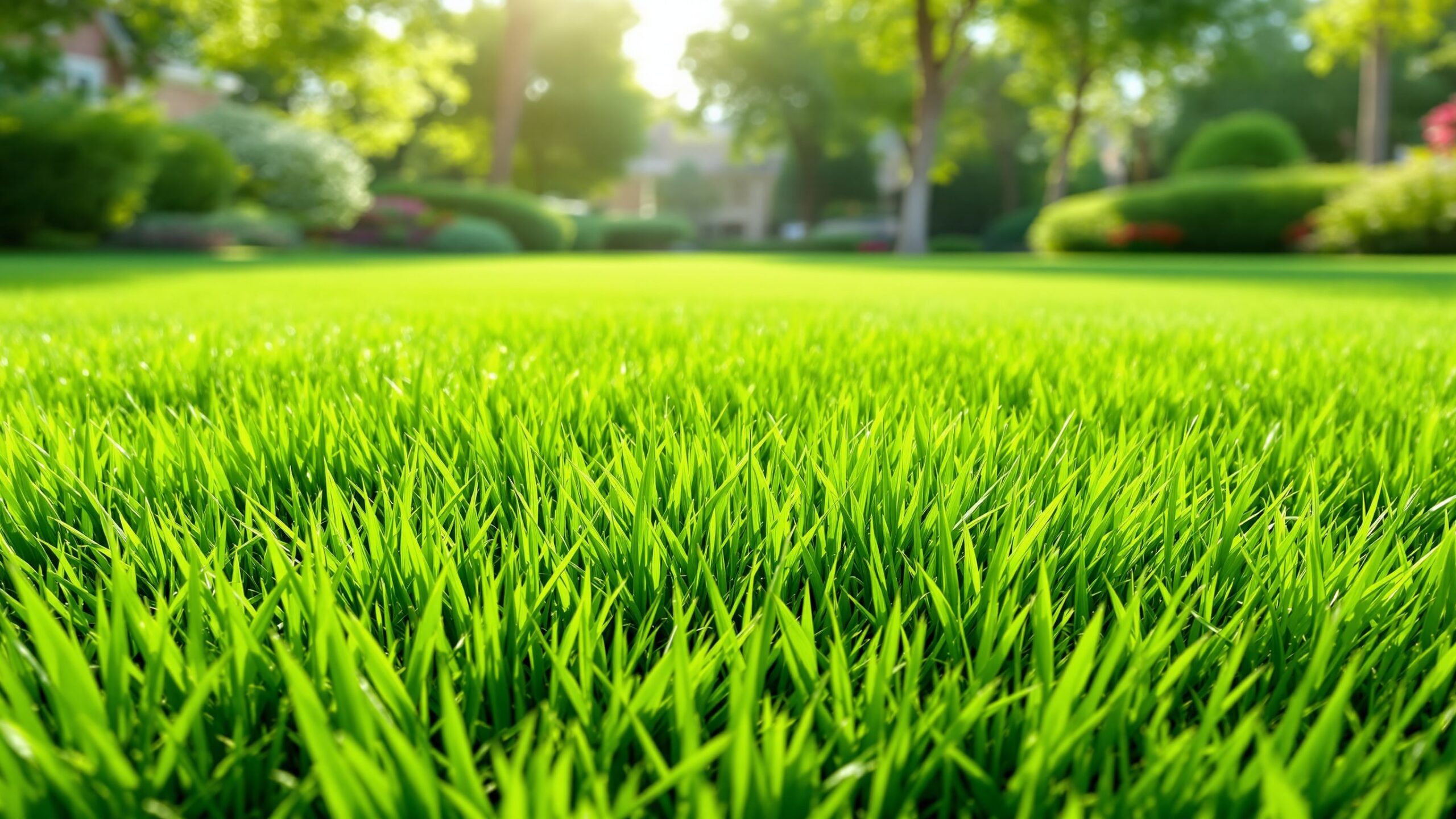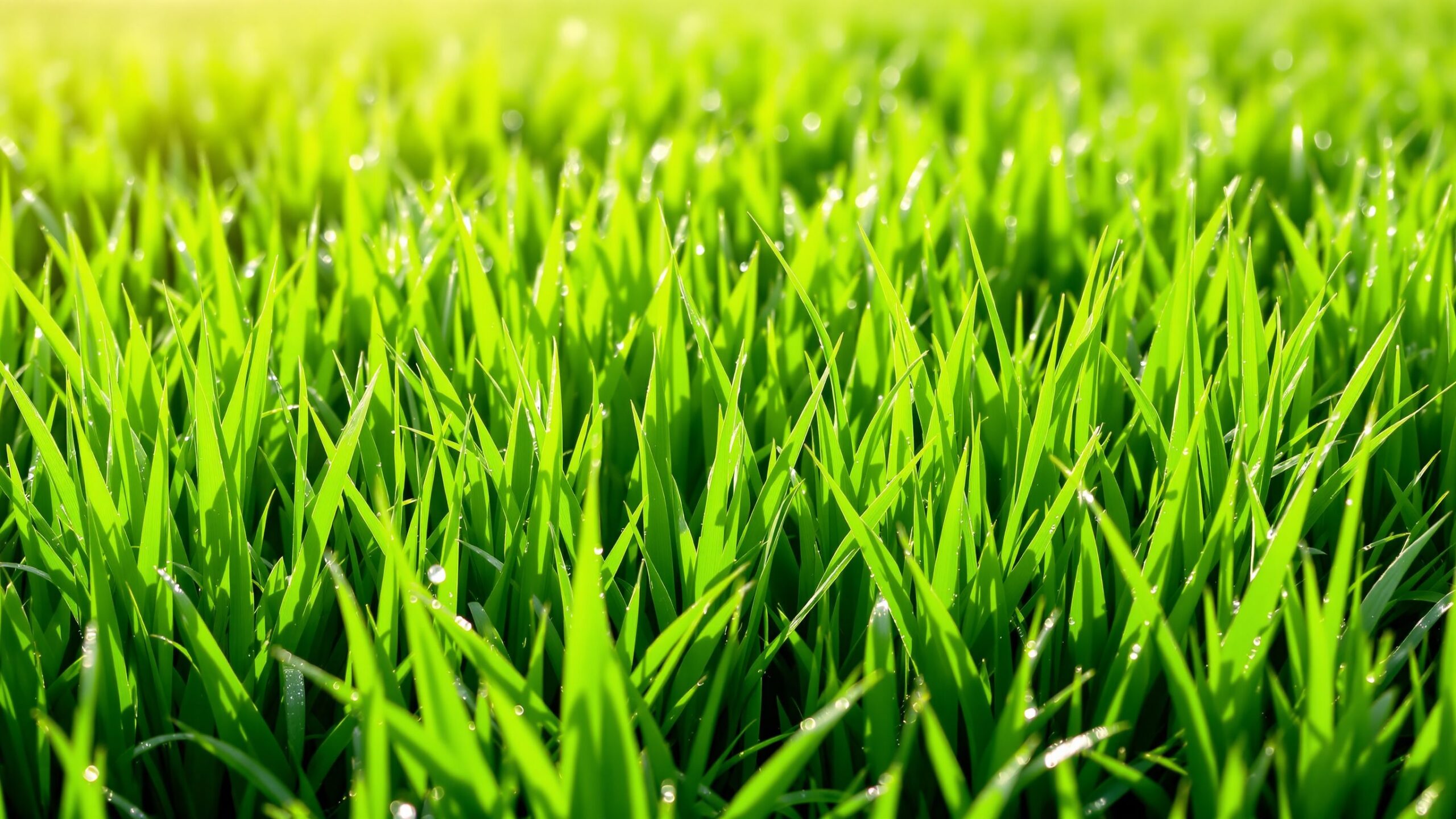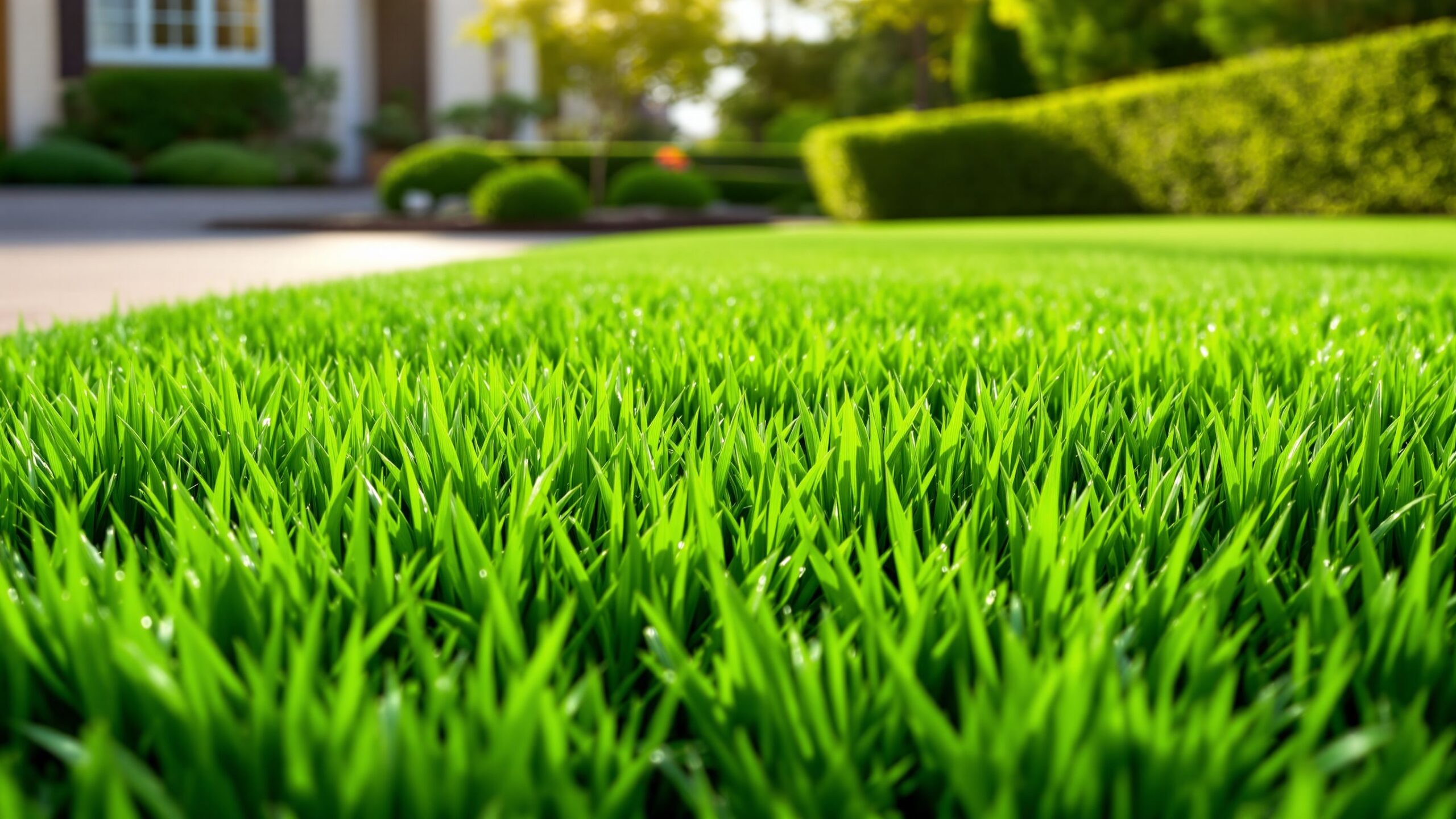
Perennial ryegrass is one of the most useful cool-season grasses in lawns, athletic fields, parks, and overseeding programs. Known for germinating quickly and producing an attractive, rich green turf, it is often the grass gardeners turn to when they want visible results faster than slower-establishing species can provide. Botanically known as Lolium perenne, perennial ryegrass belongs to the grass family, Poaceae. It originated in Europe, parts of Asia, and North Africa but is now widely cultivated in temperate regions around the world. Its reputation is built largely on speed. Under favorable conditions, perennial ryegrass can begin germinating in less than a week, making it dramatically faster to establish than Kentucky bluegrass. This rapid emergence helps stabilize soil, fill bare areas, and create green coverage while slower grasses are still developing. Perennial ryegrass is also valued for its relatively fine texture, dark green appearance, and tolerance of moderate foot traffic. Unlike Kentucky bluegrass, however, traditional perennial ryegrass does not spread extensively through underground rhizomes. It grows primarily in bunches, which means damaged areas do not naturally repair themselves as aggressively. That difference is central to understanding how perennial ryegrass behaves in a lawn.
A: Under favorable moisture and temperature conditions, germination can begin in approximately five to ten days.
A: Late summer through early fall is often the best planting period in cool-season regions, with spring being another option.
A: Full sun generally produces the strongest turf, although some cultivars tolerate light or partial shade.
A: Many home lawns perform well at approximately 2.5 to 3.5 inches, depending on season and local growing conditions.
A: Traditional Perennial Ryegrass is primarily bunch-forming and does not spread through extensive rhizomes like Kentucky Bluegrass.
A: Yes. Its wear tolerance and rapid establishment make it a popular choice for active lawns and recreational turf.
A: Heat stress, drought, disease, watering problems, nutrient deficiencies, or mowing stress can all contribute to browning.
A: Yes. In climates where it is well adapted, Perennial Ryegrass is a perennial and can return for multiple growing seasons.
A: Yes. The two are commonly combined because Ryegrass germinates rapidly while Kentucky Bluegrass adds rhizomatous spreading and repair ability.
A: Yes. Its fast germination, attractive color, and relatively quick establishment make it an approachable cool-season grass for many homeowners.
What Does Perennial Ryegrass Look Like?
Perennial ryegrass produces narrow to medium-fine blades that can create a dense, attractive turf when planted closely.
The leaves typically have a glossy appearance, particularly on the underside, which can give a mowed lawn a distinctive sheen when sunlight reflects across it.
Color ranges from medium to dark green depending on cultivar, fertility, climate, and overall plant health.
One useful identification feature is the leaf tip. Unlike Kentucky bluegrass, which often has a boat-shaped tip, perennial ryegrass tends to have a more pointed leaf blade.
The grass develops tillers from the base, allowing individual plants to become wider and denser.
Because most traditional perennial ryegrass lacks aggressive rhizomes, the lawn is made up primarily of closely spaced bunches rather than an underground network of spreading stems.
Modern turf-type cultivars have been bred to create much finer and denser lawns than older pasture-type ryegrasses.
Why Is It Called Perennial Ryegrass?
The name “perennial ryegrass” distinguishes this species from annual ryegrass and other related grasses.
“Perennial” means the plant can survive for multiple years when growing conditions are favorable.
This is different from annual ryegrass, which is generally used as a temporary cool-season grass and often completes its life cycle more quickly.
The word “ryegrass” can create confusion because perennial ryegrass is not the same plant as cereal rye, the grain crop used for flour, livestock feed, cover crops, and other agricultural purposes.
Perennial ryegrass belongs to the genus Lolium, while cereal rye belongs to the genus Secale.
Although both are grasses, their uses and growth habits are quite different.
Where Does Perennial Ryegrass Grow Best?
Perennial ryegrass performs best in cool, temperate climates.
It thrives in regions with mild summers, cool springs and falls, and winters that are not excessively harsh.
In the United States, it is commonly used throughout northern lawn regions and especially in areas with relatively moderate coastal or transitional climates.
It can also be included in seed mixtures throughout the cool-season zone.
Perennial ryegrass grows most actively during spring and fall when temperatures are moderate.
Extreme summer heat can create serious stress, particularly in regions where nighttime temperatures remain high.
Very cold winters may also damage certain cultivars.
This means perennial ryegrass often performs best in areas where temperature extremes are limited.
Perennial Ryegrass as a Cool-Season Grass
Perennial ryegrass is classified as a cool-season turfgrass.
Its strongest growth occurs when air and soil temperatures are moderate rather than extremely hot.
Spring brings a burst of green growth as temperatures rise.
Autumn is another major growing period, making late summer and early fall particularly useful for seeding and renovation.
During hot summer weather, growth may slow and the plant may require increased irrigation to remain green.
In areas with intense heat and drought, perennial ryegrass may thin severely or fail to survive long term.
Understanding its seasonal rhythm helps homeowners schedule mowing, fertilizing, aeration, and overseeding more effectively.
The Best Sunlight for Perennial Ryegrass
Perennial ryegrass performs best in full sun but can tolerate some partial shade.
It generally needs several hours of useful sunlight each day to maintain dense, vigorous growth.
Under heavy shade, turf tends to thin.
Tree roots can compound the problem by competing with the grass for moisture and nutrients.
Some modern cultivars offer improved shade tolerance, but no perennial ryegrass will perform optimally in extremely dark conditions.
If the same shady location repeatedly develops bare turf despite reseeding, the environment may simply be unsuitable for grass.
In those situations, shade-tolerant fescues, groundcovers, mulch, or garden beds may provide a better long-term solution.
The Best Soil for Perennial Ryegrass
Perennial ryegrass prefers fertile, well-drained soil.
It can adapt to various soil types, but compacted, waterlogged, or extremely nutrient-poor soils may limit performance.
A soil test is one of the most useful tools for determining whether pH or nutrient levels need adjustment.
Rather than guessing and adding fertilizer automatically, a soil test reveals what the lawn actually needs.
Soil structure matters just as much as fertility.
Roots require oxygen, moisture, and enough open pore space to penetrate the ground.
Core aeration can help improve compacted lawns, particularly in high-traffic areas.
Healthy soil creates the foundation for healthy perennial ryegrass.
How Fast Does Perennial Ryegrass Germinate?
Rapid germination is one of perennial ryegrass’s greatest advantages.
Under favorable temperatures and consistent moisture, seed may begin germinating in approximately five to ten days.
This is considerably faster than Kentucky bluegrass, which may require two or three weeks or longer.
The speed provides several benefits.
New lawns appear green sooner. Bare spots fill quickly. Seeded slopes gain faster soil coverage. Overseeded lawns begin changing appearance before slower species have emerged.
However, fast germination does not mean the turf is immediately mature.
Young seedlings still need time to develop deep roots, multiple tillers, and enough strength to tolerate mowing and traffic.
Early growth should be protected from unnecessary stress.
When Is the Best Time to Seed Perennial Ryegrass?
Late summer through early fall is generally one of the best times to establish perennial ryegrass in cool-season climates.
Soil remains warm enough for rapid germination while air temperatures begin becoming more comfortable for young grass.
Cooler weather also reduces moisture loss and heat stress.
Spring seeding is possible, but young plants may face summer heat before developing strong root systems.
Weed competition can also be more intense during spring.
Because perennial ryegrass germinates quickly, it can be useful for lawn repairs later in the season than slower cool-season grasses, although sufficient establishment time is still necessary before severe weather arrives.
Local climate should always guide exact timing.
How to Plant Perennial Ryegrass Seed
Successful establishment begins with seed-to-soil contact.
For a new lawn, the soil should be prepared so the surface is relatively smooth, loose, and free from excessive debris.
Seed should be distributed evenly.
After spreading, it can be lightly incorporated or pressed into the soil without being buried too deeply.
Moisture becomes critical during germination.
The upper layer of soil should remain consistently damp until seedlings emerge.
This may require light watering more than once per day under warm or windy conditions.
Once seedlings become established, irrigation should gradually shift toward deeper and less frequent watering.
This transition encourages deeper root development.
Why Perennial Ryegrass Is Used in Seed Mixtures
Perennial ryegrass is frequently combined with other cool-season grasses.
Its rapid germination makes it a particularly valuable companion to slower-growing Kentucky bluegrass.
While ryegrass quickly establishes visible turf, bluegrass gradually develops underground rhizomes and improved self-repair ability.
Fine fescues may also be included to improve shade tolerance or lower-input performance.
The result is a lawn composed of grasses with complementary strengths.
A quality seed mixture is often more resilient than a lawn planted entirely with one cultivar.
Different grasses may respond differently to disease, drought, shade, cold, or wear.
Genetic and species diversity can therefore improve overall lawn stability.
Perennial Ryegrass Versus Kentucky Bluegrass
Perennial ryegrass and Kentucky bluegrass are two of the most widely used cool-season lawn grasses, but they behave differently.
Perennial ryegrass germinates much faster.
Kentucky bluegrass establishes more slowly but spreads aggressively through underground rhizomes.
This gives bluegrass superior natural repair ability.
Perennial ryegrass typically produces a beautiful dark green lawn with good wear tolerance, but damaged areas may require overseeding because the grass does not spread as strongly.
Kentucky bluegrass generally handles very cold northern winters better, while perennial ryegrass can perform especially well in milder cool-season climates.
Rather than choosing one exclusively, many lawn seed mixes combine both species.
The fast establishment of ryegrass and the spreading ability of bluegrass can complement each other exceptionally well.
Perennial Ryegrass Versus Tall Fescue
Tall fescue is another major cool-season turfgrass.
Compared with perennial ryegrass, tall fescue generally develops a deeper root system and has stronger heat and drought tolerance.
Perennial ryegrass usually germinates faster and often produces a finer-textured appearance.
Modern turf-type tall fescues have become much finer than older varieties, however, narrowing the visual difference.
Both are bunch-forming grasses, although some newer tall fescue cultivars have modest spreading characteristics.
In climates with hot summers, tall fescue may provide better long-term survival.
In milder climates or where rapid establishment and fine texture are priorities, perennial ryegrass can be an excellent choice.
Local climate should have more influence on grass selection than appearance alone.
How Much Water Does Perennial Ryegrass Need?
Perennial ryegrass prefers consistent access to moisture and generally has limited drought tolerance compared with some deeper-rooted grasses.
New seedlings require especially careful watering.
During germination, the upper soil surface should remain moist because tiny roots cannot yet reach deeper water reserves.
As the turf matures, watering should become deeper and less frequent.
The goal is to encourage roots to explore a larger soil volume.
Established lawns commonly perform best when irrigation replaces moisture lost through weather and plant use rather than following an arbitrary daily schedule.
Soil type matters greatly.
Sandy soil drains quickly and may need more frequent irrigation, while heavier soil retains water longer.
Early morning is generally the best irrigation period because evaporation is lower and foliage can dry afterward.
Can Perennial Ryegrass Survive Drought?
Perennial ryegrass is not considered highly drought tolerant.
During extended heat and dry conditions, it may lose color, thin, or enter stress more quickly than deeper-rooted turf species.
Severe drought can kill plants.
Maintaining a slightly taller mowing height during summer can help shade the soil and preserve moisture.
Deep irrigation also encourages stronger roots.
However, gardeners in regions with chronic water shortages may want to consider grasses with lower water requirements.
Choosing a species naturally adapted to local rainfall and temperature patterns can reduce long-term irrigation demand.
Perennial ryegrass is at its best where cool conditions and reliable moisture are available.
How to Mow Perennial Ryegrass
Regular mowing helps perennial ryegrass maintain a dense appearance.
For many home lawns, a mowing height in the range of approximately 2 to 3 inches works well, although height can vary according to cultivar, season, and intended use.
During hot weather, mowing somewhat higher can reduce stress.
Avoid removing more than approximately one-third of the leaf blade at a single mowing.
This rule protects the plant’s photosynthetic capacity and reduces shock.
Sharp mower blades are especially important with perennial ryegrass because its fibrous leaves can shred when cut with dull blades.
A dull mower may leave the lawn looking gray or brown because torn leaf tips dry out.
Clean cutting produces a healthier and more attractive surface.
Why Perennial Ryegrass Handles Traffic Well
Perennial ryegrass is valued for its wear tolerance.
Dense tillering and strong leaf tissue allow established turf to withstand moderate foot traffic better than many delicate grasses.
This is one reason perennial ryegrass appears in athletic fields, parks, school grounds, golf courses, and recreational areas.
However, wear tolerance should not be confused with recovery ability.
The grass can tolerate traffic, but once individual plants are severely damaged or killed, traditional perennial ryegrass cannot spread rapidly through rhizomes to replace them.
High-use areas therefore often require regular overseeding.
Professional athletic turf managers may reseed ryegrass frequently to maintain density.
Perennial Ryegrass for Athletic Fields
Athletic turf is one of perennial ryegrass’s strongest applications.
Its rapid germination allows damaged playing surfaces to be repaired quickly.
The dark green color also creates an attractive appearance for stadiums and sports fields.
Because seed emerges rapidly, turf managers can overseed worn areas during the season and see new growth relatively quickly.
Perennial ryegrass also tolerates close mowing better than many general-purpose lawn grasses when appropriate cultivars and professional management are used.
However, sports fields receive intensive care.
Irrigation, fertilization, aeration, mowing, disease management, and repeated overseeding may all be necessary.
The same grass can grow in a backyard, but the flawless appearance of professional sports turf reflects far more maintenance than the average residential lawn receives.
Perennial Ryegrass on Golf Courses
Perennial ryegrass can also appear on golf courses.
It may be used in fairways, roughs, tees, and overseeding programs depending on regional climate.
Its fine texture and strong color create an attractive playing surface.
Rapid establishment is particularly valuable where damaged turf must recover quickly.
Golf course managers select specialized cultivars based on mowing tolerance, disease resistance, color, density, and local weather.
Management practices may differ dramatically from those used on residential lawns.
Although homeowners can appreciate the same fundamental qualities, attempting to maintain a backyard like a golf course usually requires substantially more water, fertilizer, mowing, and technical management than most landscapes need.
Overseeding With Perennial Ryegrass
Perennial ryegrass is one of the most popular grasses for overseeding.
Its fast germination makes it ideal for restoring thin cool-season lawns.
It is also used in warmer regions to create temporary winter color over dormant warm-season grasses such as bermudagrass.
When used in a permanent cool-season lawn, overseeding is often most successful in late summer or early fall.
The existing turf may be mowed somewhat shorter, excess debris removed, and compacted soil aerated.
Seed must reach the soil surface to germinate successfully.
Throwing seed onto a thick layer of dead material without soil contact often produces disappointing results.
Consistent moisture after seeding is critical.
Winter Overseeding in Warm Climates
Perennial ryegrass has a unique role in parts of the southern United States.
Warm-season grasses such as bermudagrass naturally become dormant and brown when temperatures cool.
Golf courses, sports facilities, and some homeowners overseed these dormant lawns with perennial ryegrass to create green winter turf.
The ryegrass grows during the cool months while the warm-season grass rests underneath.
When temperatures rise in spring, the warm-season grass begins growing again and the ryegrass gradually declines.
This system creates year-round green color but requires careful timing and additional maintenance.
It can also create competition during spring transition if the ryegrass remains vigorous for too long.
Fertilizing Perennial Ryegrass
Perennial ryegrass responds strongly to nitrogen fertilizer.
Appropriate feeding can deepen color, increase density, and support recovery.
However, excessive nitrogen can produce overly lush growth that requires frequent mowing and may increase susceptibility to certain diseases.
Cool-season fertilization programs often place significant emphasis on fall.
The grass is actively growing during cooler weather and can use nutrients efficiently.
Spring feeding may also be appropriate, although heavy applications immediately before summer heat can create problems.
A soil test provides the best starting point for phosphorus, potassium, pH, and other nutrient decisions.
Fertilizer should support a healthy lawn, not substitute for good soil, proper watering, or adequate sunlight.
Does Perennial Ryegrass Spread?
Traditional perennial ryegrass is primarily a bunch-forming grass.
It expands through tillering, meaning new shoots develop from the base of existing plants.
It does not normally produce the extensive underground rhizome network associated with Kentucky bluegrass.
This means bare areas do not fill naturally as quickly.
If a section of ryegrass dies completely, overseeding may be necessary.
Plant breeders have developed newer cultivars marketed as spreading or regenerating perennial ryegrass, sometimes called RPR types, which can have short stolon-like growth characteristics.
Even so, perennial ryegrass should generally not be expected to repair major bare areas as aggressively as Kentucky bluegrass.
Aerating Perennial Ryegrass Lawns
Core aeration can improve perennial ryegrass lawns growing in compacted soil.
The process removes small plugs of soil, creating openings that improve movement of air, water, and nutrients.
Roots can expand more effectively when compaction is reduced.
High-traffic lawns often benefit the most.
Late summer or early fall is a particularly useful time to aerate cool-season lawns because the grass can recover during favorable growing temperatures.
Aeration also creates an excellent opportunity for overseeding.
Seed that falls into exposed soil around aeration holes has a much greater chance of successful establishment than seed resting on dense surface debris.
Thatch in Perennial Ryegrass
Perennial ryegrass generally produces less excessive thatch than aggressively spreading grasses such as Kentucky bluegrass.
Because it grows primarily through tillering rather than large quantities of rhizomes, organic buildup can be somewhat less severe.
However, thatch can still develop.
Excessive fertilization, poor soil biological activity, heavy irrigation, and accumulated plant material may contribute.
A moderate amount of organic material near the soil surface is not automatically harmful.
Problems occur when the layer becomes thick enough to interfere with water movement and rooting.
Core aeration and proper cultural practices can help keep thatch under control.
Common Perennial Ryegrass Diseases
Perennial ryegrass can be vulnerable to several turf diseases.
Gray leaf spot is one of the more serious concerns, particularly during warm, humid weather.
Brown patch, dollar spot, rust, red thread, and other fungal diseases may also appear depending on climate and management.
Symptoms can include spots on individual leaves, circular patches, thinning turf, reddish structures, or general discoloration.
Accurate diagnosis matters because drought stress, insects, fertilizer injury, and disease can sometimes produce similar-looking symptoms.
Balanced fertilization, good airflow, proper irrigation timing, appropriate mowing, and resistant cultivars can reduce disease pressure.
Gray Leaf Spot in Perennial Ryegrass
Gray leaf spot can become particularly destructive in perennial ryegrass.
The disease is favored by warm, humid conditions and can progress rapidly under severe pressure.
Individual leaves may develop lesions before entire areas of turf begin thinning or collapsing.
Young, rapidly growing ryegrass can be particularly susceptible.
Excessive nitrogen combined with favorable disease weather may increase problems.
Avoid prolonged leaf wetness when possible and maintain balanced lawn care.
Because severe outbreaks can resemble other turf problems, professional identification may be useful before applying disease-control products.
Cultivar resistance is also an important component of long-term management.
Rust on Perennial Ryegrass
Rust is another common disease that can affect perennial ryegrass.
Affected blades develop orange, yellow, or reddish powdery spores.
Homeowners sometimes first notice the problem when orange dust collects on shoes or mower equipment after crossing the lawn.
Rust often becomes more noticeable when grass is growing slowly because of low fertility, shade, drought, or other stress.
Improving overall plant health can sometimes reduce symptoms.
Regular mowing removes infected tissue, while balanced fertilization can encourage healthy new growth when nutrient deficiency is contributing to the problem.
Severe or recurring cases may require additional management.
Common Pests
Perennial ryegrass can be damaged by several insects.
White grubs feed on roots below the soil surface.
Sod webworms and cutworms feed on foliage.
Billbugs may damage stems and crowns.
The specific pests present depend heavily on geographic region.
Birds, skunks, or other animals digging through turf can sometimes indicate an underground insect population, although animal activity alone does not prove a damaging infestation.
Before using insecticides, confirm that pests are actually present in harmful numbers.
Many lawns contain insects without suffering meaningful damage.
Unnecessary treatments can disrupt beneficial organisms and add cost without solving the real problem.
Why Is My Perennial Ryegrass Turning Yellow?
Yellowing can result from many causes.
Nitrogen deficiency is one possibility, particularly when the lawn becomes uniformly pale and growth slows.
Waterlogged soil can also create yellow turf by reducing oxygen available to roots.
Drought, heat, disease, insects, compaction, pet urine, and mowing stress can produce discoloration as well.
Iron deficiency can sometimes create pale growth under certain soil conditions.
Because the symptoms overlap, diagnosis should begin with the basics.
Check soil moisture, drainage, mowing practices, recent fertilizer applications, weather, and pest activity.
A soil test may also reveal nutrient or pH problems.
Treating the correct cause is far more effective than automatically adding fertilizer.
Why Is My Perennial Ryegrass Turning Brown?
Brown turf may indicate drought, extreme heat, disease, insects, fertilizer burn, mowing injury, or actual plant death.
During summer, perennial ryegrass can struggle badly where temperatures remain high for extended periods.
Shallow-rooted lawns suffer faster because they have limited access to deeper soil moisture.
Brown leaf tips immediately after mowing may point toward dull blades rather than a major disease.
Irregular brown areas can also result from uneven irrigation.
Observing the pattern is useful.
A perfectly straight brown strip suggests a different cause from expanding circular patches or uniformly dry turf.
Good diagnosis begins by looking at how, where, and when symptoms appear.
Mowing Stripes in Perennial Ryegrass
Perennial ryegrass is famous for producing beautiful lawn stripes.
The effect is not created by different grass colors.
Instead, mower rollers bend blades in opposite directions. Light reflects differently from blades leaning toward or away from the viewer, producing alternating light and dark bands.
Because perennial ryegrass has glossy blades, the striping effect can be particularly dramatic.
This is one reason the grass is popular on professional sports fields.
Homeowners can create similar patterns using a mower equipped with a roller or striping attachment.
Changing mowing direction regularly also helps prevent the turf from becoming permanently leaned in one direction.
Perennial Ryegrass and Pets
Perennial ryegrass can handle moderate pet activity when the lawn is healthy and established.
Its wear tolerance helps it withstand running and playing.
However, repeated traffic along the same route can compact soil and eventually thin the turf.
Dog urine may also produce burned patches due to concentrated salts and nitrogen.
Because perennial ryegrass does not aggressively spread through rhizomes, severely damaged pet areas may need to be reseeded.
Keeping soil aerated, maintaining an appropriate mowing height, and directing heavy pet activity away from the same small areas can help preserve turf quality.
Fall Care for Perennial Ryegrass
Fall is arguably the most important season for perennial ryegrass maintenance.
Cooler temperatures stimulate active root and shoot growth.
Late summer and early fall are ideal for seeding, overseeding, aeration, and many renovation projects.
Fertilizer can support recovery and help the grass store energy before winter when applied appropriately.
Bare spots repaired during fall have more time to establish before the stress of the following summer.
Leaves should also be removed regularly from the lawn.
A thick layer of fallen leaves can block sunlight and trap moisture, weakening the grass underneath.
Good fall care prepares perennial ryegrass for strong spring growth.
Winter Care for Perennial Ryegrass
Perennial ryegrass remains green longer than many grasses in mild climates.
In colder regions, growth slows considerably or stops during winter.
Extreme cold can injure certain cultivars, particularly when snow cover is absent and temperatures fluctuate dramatically.
Avoid excessive traffic on frozen turf.
Frozen blades and crowns are more vulnerable to physical damage.
Deicing salt can also damage grass growing near roads, sidewalks, and driveways.
In spring, surviving plants resume active growth as soil temperatures rise.
Winter injury may require reseeding where severe cold has killed patches.
Spring Care for Perennial Ryegrass
Spring brings vigorous growth.
Begin mowing once the grass is actively growing, using sharp blades and an appropriate cutting height.
Inspect the lawn for winter damage and thin areas.
Light spring fertilization may be helpful depending on soil fertility, but avoid pushing excessive top growth immediately before summer.
Weeds can become active during this period as well.
Dense healthy turf is one of the strongest defenses against weed establishment.
Spring irrigation should respond to actual rainfall rather than automatically following a summer watering schedule.
Cooler temperatures and seasonal precipitation may keep soil moist for longer periods.
Summer Care for Perennial Ryegrass
Summer can be the most difficult season for perennial ryegrass.
Heat increases water demand while the grass’s preferred cool-season growth slows.
Raise the mowing height somewhat during stressful conditions and avoid cutting away excessive leaf tissue.
Water deeply when needed and pay attention to signs of drought.
Avoid heavy nitrogen fertilization during periods of extreme heat unless specifically recommended for your lawn program.
Disease pressure can also increase when hot temperatures combine with high humidity.
A lawn that entered summer with strong roots is much more likely to tolerate these challenges.
Good fall and spring management therefore directly influences summer survival.
Annual Ryegrass Versus Perennial Ryegrass
Annual ryegrass and perennial ryegrass are related but have different uses.
Perennial ryegrass is intended to persist for multiple years under suitable conditions and is bred extensively for turf quality.
Annual ryegrass is generally faster-growing and coarser and is often used for temporary cover, erosion control, agricultural applications, and short-term overseeding.
Annual ryegrass does not usually provide the same long-term residential lawn quality as modern turf-type perennial ryegrass.
Seed labels should be read carefully.
A bargain grass mixture containing large amounts of annual ryegrass may establish quickly but may not create the permanent lawn a homeowner expects.
Fascinating Perennial Ryegrass Facts
Perennial ryegrass is one of the fastest-germinating major cool-season lawn grasses.
Its glossy leaf surface contributes to the dramatic striping visible on many sports fields.
Unlike Kentucky bluegrass, it generally grows in bunches rather than spreading through extensive underground rhizomes.
The species is used not only for lawns but also for pastures, athletic fields, golf courses, erosion control, and winter overseeding.
Plant breeders have developed numerous turf-type cultivars selected for finer leaves, darker color, improved disease resistance, and better density.
Its ability to establish quickly makes it valuable far beyond ordinary residential landscaping.
A handful of seed can begin changing the appearance of bare ground in less than two weeks under favorable conditions.
How Long Does Perennial Ryegrass Live?
As its name suggests, perennial ryegrass can persist for multiple years.
Longevity depends heavily on climate.
In regions with mild summers and suitable winters, an established stand can remain productive for many years with proper maintenance.
In climates with severe summer heat, harsh winters, or repeated drought, plants may decline more rapidly.
Individual plants also experience natural aging and stress.
Overseeding helps maintain density by introducing young plants into thinning turf.
A perennial ryegrass lawn should therefore be viewed as a living population that changes over time rather than a permanent collection of the exact same individual plants.
Creating the Perfect Perennial Ryegrass Lawn Routine
A successful perennial ryegrass lawn begins with the right climate and good soil preparation.
Provide as much useful sunlight as possible and ensure the soil drains well.
Seed during favorable cool-season weather, preferably late summer or early fall in many regions.
Maintain consistent moisture during germination, then transition toward deeper irrigation as roots establish.
Mow regularly with sharp blades at an appropriate height.
Avoid cutting away more than roughly one-third of the leaf blade at once.
Feed according to actual lawn needs and soil-test recommendations rather than applying excessive nitrogen.
Aerate compacted areas and overseed thin turf when necessary.
Watch for gray leaf spot, rust, insects, drought stress, and other problems.
Most importantly, recognize the limits of the grass.
Perennial ryegrass loves cool weather and can struggle when summers become excessively hot.
Why Perennial Ryegrass Remains One of the Most Useful Lawn Grasses
Perennial ryegrass may not have the aggressive spreading ability of Kentucky bluegrass or the deep drought tolerance of tall fescue, but it possesses a combination of qualities that few turfgrasses can match.
It germinates quickly.
It develops an attractive fine-textured lawn.
It handles traffic well.
It produces a rich green color.
It creates spectacular mowing stripes.
It can repair thin lawns through overseeding in a remarkably short amount of time.
Those characteristics make it valuable for everything from suburban yards to professional stadiums.
Its greatest strength may simply be reliability during establishment. Gardeners who have waited impatiently for grass seed to emerge can appreciate the satisfaction of seeing tiny perennial ryegrass seedlings appear within days under favorable conditions.
The species also works exceptionally well as part of a larger turf strategy. Mixed with Kentucky bluegrass, it contributes speed and wear tolerance while bluegrass provides spreading ability. Used for winter overseeding, it can bring green color to dormant warm-season landscapes. On sports fields, it provides rapid recovery through frequent reseeding.
Like every grass, perennial ryegrass has limitations. It needs adequate moisture, dislikes extreme heat, and cannot naturally repair large bare areas as efficiently as rhizomatous grasses.
But where climate and maintenance are appropriate, Lolium perenne remains one of the most practical and attractive cool-season grasses available.
Give it healthy soil, cool growing weather, adequate sunlight, sensible watering, sharp mower blades, and regular seasonal care, and perennial ryegrass can create a dense, vibrant lawn that looks established remarkably quickly and continues performing for years.
Garden Product Reviews
Step into Mossy Streets’ Garden Product Reviews — your go-to guide for the best tools, gear, gifts, books, and garden gadgets rooted in nature. From blooming backyard beauties to lush indoor jungles, from heirloom seeds to high-tech composters, we dig into top-rated products for green thumbs, beginners, educators, and plant lovers alike. Whether you’re planting, pruning, decorating, or simply enjoying your green space, we’ve unearthed the best so you can grow, bloom, and thrive — all in one vibrant place!