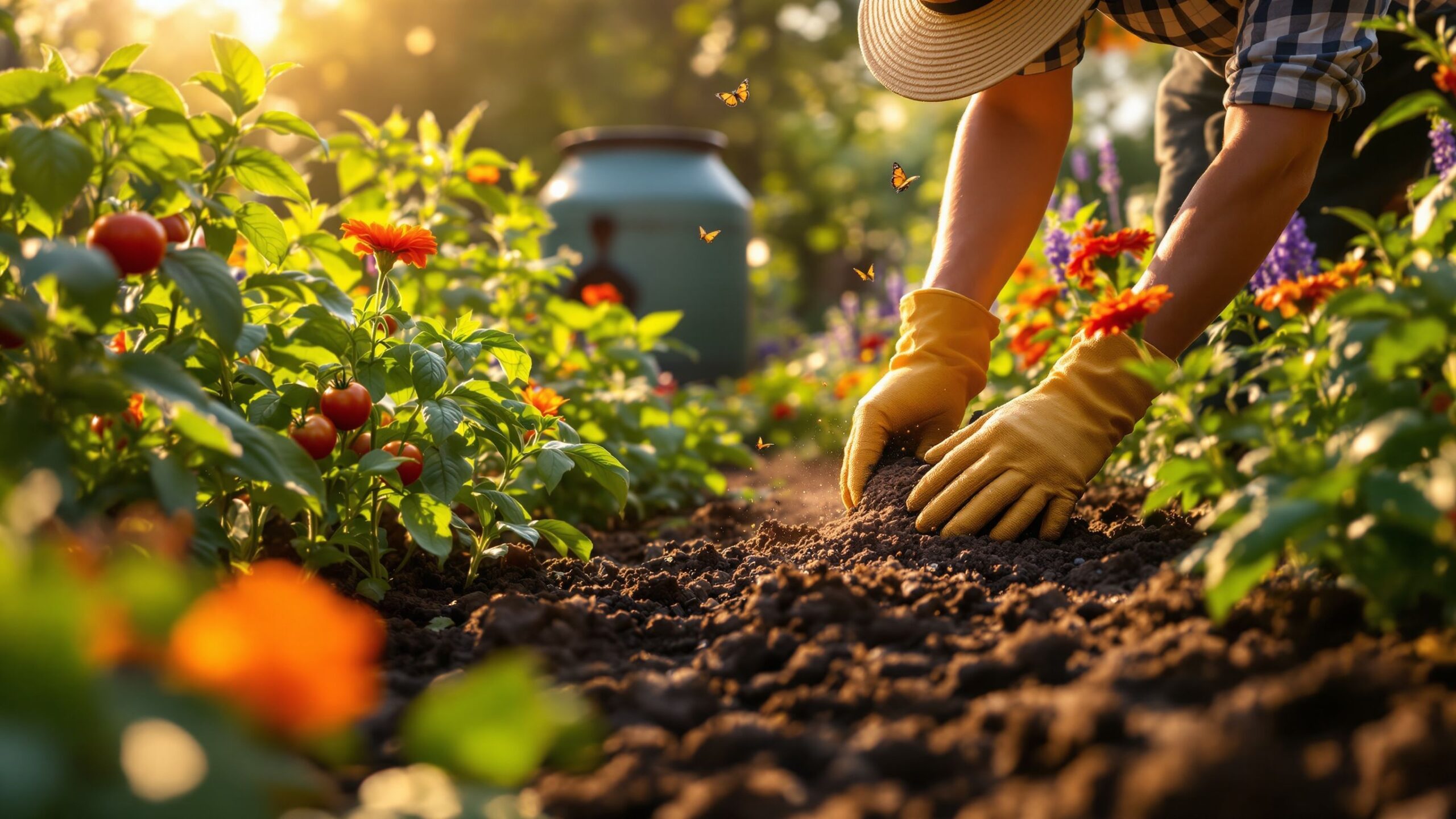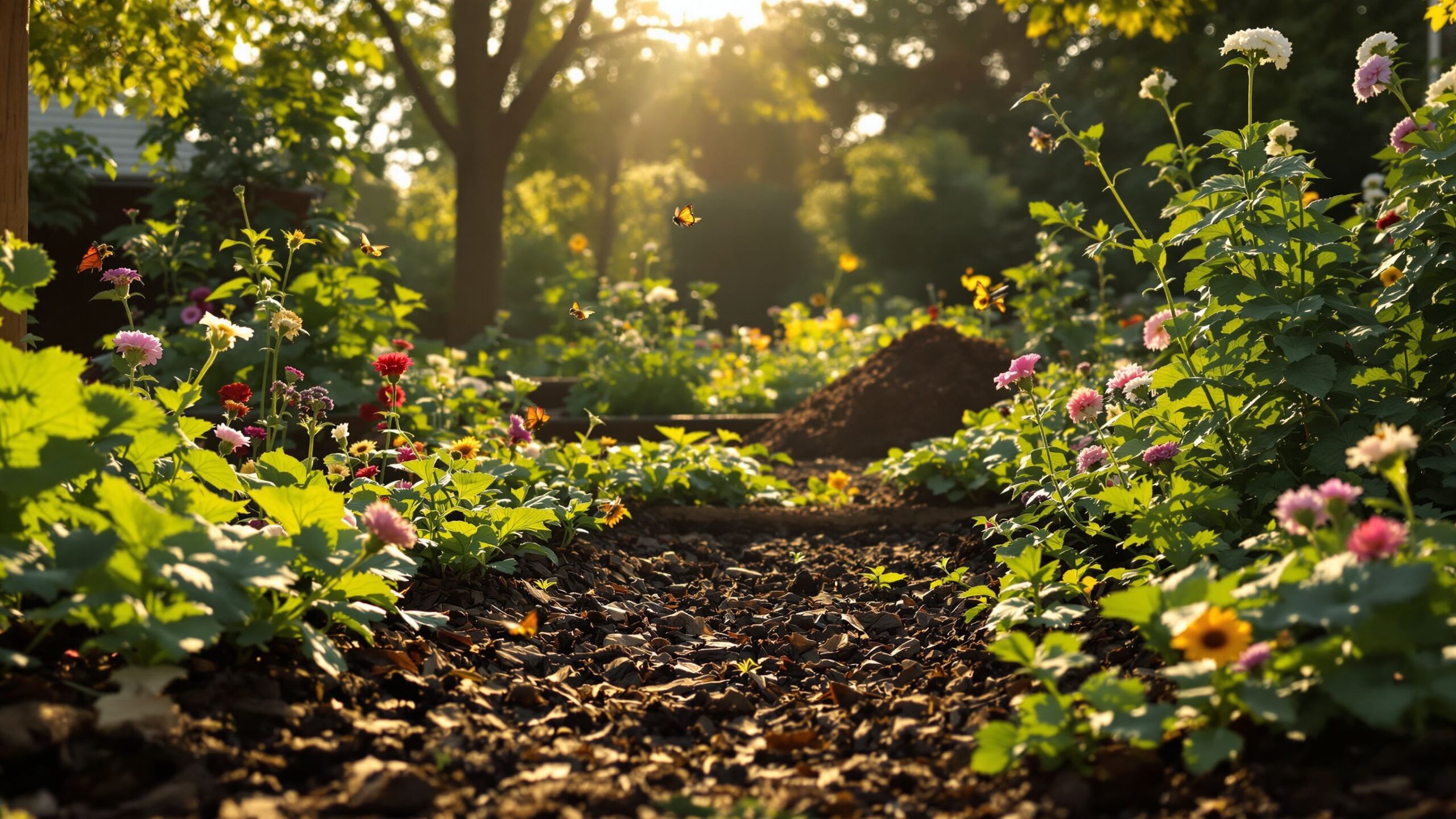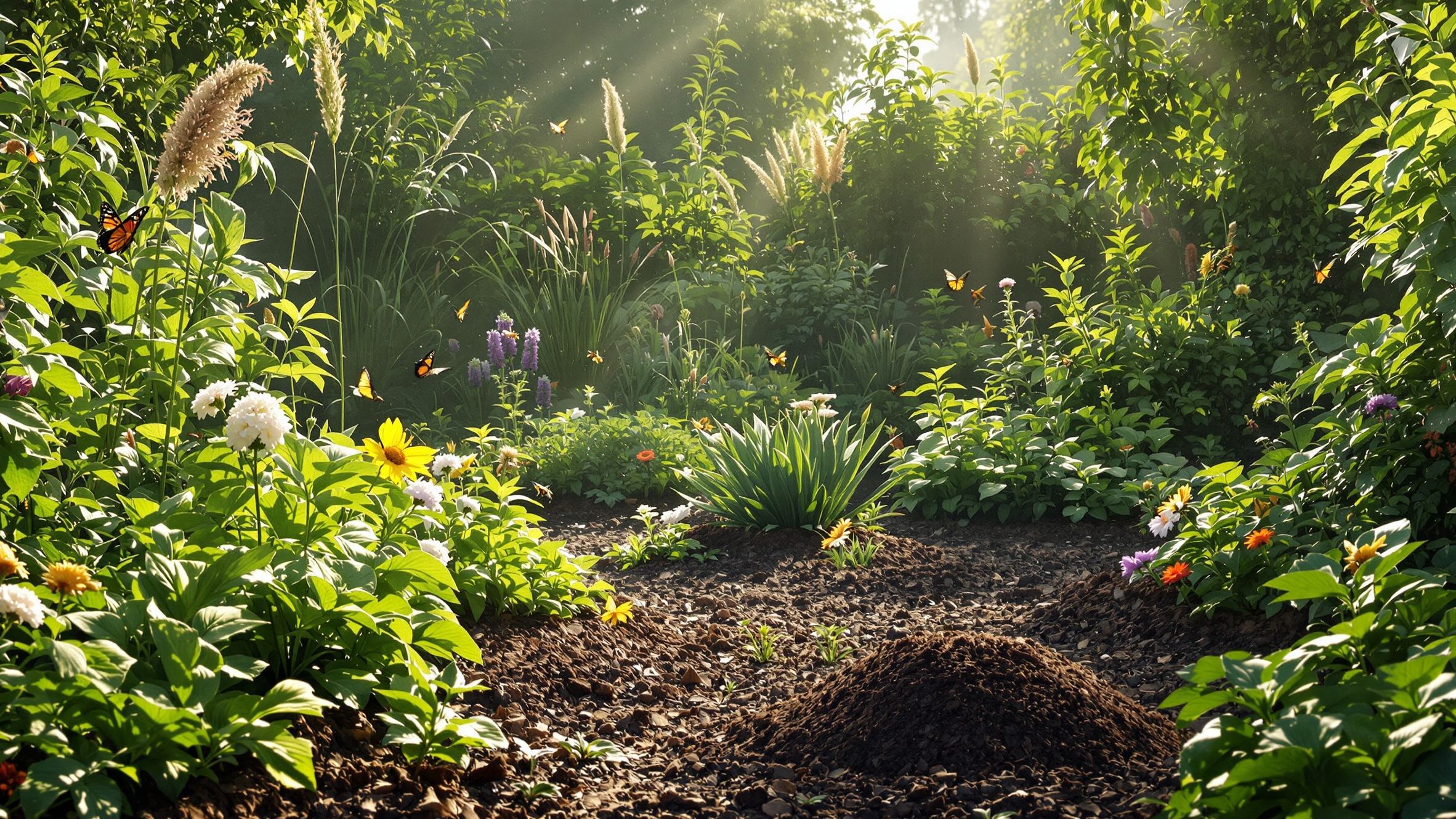
Regenerative gardening may sound complex, but at its heart, it is a simple and powerful way of working with nature instead of against it. It focuses on restoring and improving the health of your garden over time rather than just maintaining it. Instead of treating soil as something to control, regenerative gardening sees it as a living system that needs care, balance, and nourishment. When you understand the basic principles, it becomes clear that this approach is not only effective but also incredibly rewarding. The goal of regenerative gardening is to create a self-sustaining ecosystem. This means your garden becomes stronger, healthier, and more productive with each passing season. Rather than relying on synthetic fertilizers or constant intervention, regenerative practices allow natural processes to take the lead. The result is a thriving garden that supports plant life, wildlife, and the environment all at once.
A: It means gardening in a way that restores soil, supports life, and improves the ecosystem over time.
A: They overlap, but regenerative gardening focuses even more on rebuilding soil and ecological health.
A: Not always, but reducing soil disturbance is usually one of the main goals.
A: Mulch protects the soil, holds moisture, reduces weeds, and feeds soil life as it breaks down.
A: It means growing a variety of plants and supporting different forms of life in the space.
A: Yes, raised beds can absolutely follow regenerative principles.
A: They are very helpful because they protect, feed, and improve the soil between main plantings.
A: Begin with compost, mulch, less digging, and more plant diversity.
A: It can, because stronger ecosystems often support more natural pest control.
A: Some changes happen quickly, but the biggest improvements often build over several seasons.
Soil Is Alive and Must Be Protected
The most important idea in regenerative gardening is that soil is alive. Beneath the surface exists a complex network of microorganisms, fungi, insects, and organic matter all working together. These living components break down nutrients, support plant roots, and help retain water. Healthy soil is the foundation of everything in your garden, and protecting it is the first step toward regeneration.
When soil is disturbed too often, especially through heavy tilling, it can lose its structure and the life within it. Regenerative gardening avoids unnecessary disturbance and instead focuses on keeping the soil intact. Covering the soil with mulch or plants protects it from erosion, harsh sunlight, and drying out. Over time, this allows the soil to rebuild its natural structure and become richer and more fertile.
Feed the Soil, Not Just the Plants
A simple way to understand regenerative gardening is to focus on feeding the soil rather than just the plants. Instead of adding synthetic fertilizers directly to plants, regenerative gardeners add organic matter to the soil. Compost, leaves, and natural debris break down slowly, releasing nutrients that plants can absorb when they need them.
This approach creates a more balanced and sustainable system. Plants grow stronger because they receive nutrients naturally, and the soil continues to improve over time. Feeding the soil also supports the microorganisms that play a crucial role in plant health. When these organisms thrive, they help plants resist disease and grow more efficiently.
Keep the Soil Covered at All Times
Bare soil is vulnerable. It can lose moisture quickly, become compacted, and be damaged by wind and rain. One of the simplest regenerative principles is to always keep the soil covered. This can be done with mulch, compost, or living plants that act as ground cover.
Covering the soil helps regulate temperature, retain moisture, and prevent erosion. It also provides a steady source of organic matter as materials break down. Over time, this creates a rich, protective layer that supports soil life and improves overall garden health.
Minimize Disturbance and Let Nature Work
In nature, soil is rarely disturbed, and regenerative gardening follows the same idea. Instead of digging and turning the soil frequently, this approach encourages minimal disturbance. By leaving the soil structure intact, you allow microorganisms and fungi to continue their work without interruption.
This principle may feel counterintuitive at first, especially if you are used to traditional gardening methods. However, over time, you will notice that your soil becomes easier to work with and more productive. Letting nature take the lead reduces the need for constant maintenance and creates a more stable system.
Increase Diversity for a Stronger Garden
Diversity is a powerful tool in regenerative gardening. A garden with many different types of plants is more resilient and better able to handle challenges like pests, diseases, and changing weather conditions. Each plant plays a role, contributing to the overall balance of the ecosystem.
Mixing flowers, vegetables, herbs, and perennials creates a dynamic environment where beneficial insects and pollinators can thrive. Different plants also support the soil in unique ways, improving its structure and nutrient content. The more diverse your garden, the more self-sustaining it becomes.
Work with Natural Systems Instead of Fighting Them
Regenerative gardening is about observing and understanding nature rather than trying to control it. Instead of forcing your garden to behave a certain way, you learn to work with its natural patterns. This includes paying attention to sunlight, water flow, and seasonal changes.
For example, planting crops that are well-suited to your climate reduces the need for extra care. Using natural shade and windbreaks helps protect plants without artificial solutions. By working with nature, you create a garden that is more efficient and easier to maintain.
Use Water Wisely and Build Resilience
Water is essential for any garden, but regenerative gardening focuses on using it efficiently. Healthy soil rich in organic matter holds water better, reducing the need for frequent watering. Mulch also helps retain moisture and keeps the soil cool.
Collecting rainwater and designing your garden to capture natural rainfall are simple ways to improve water use. Over time, these practices make your garden more resilient to dry conditions. A regenerative garden is designed to adapt and thrive, even when resources are limited.
Encourage Beneficial Life in Your Garden
A regenerative garden is full of life, and every organism has a role to play. Pollinators help plants reproduce, while beneficial insects keep pests under control. Birds, frogs, and other wildlife contribute to maintaining balance within the ecosystem.
Creating a welcoming environment for these creatures is essential. Planting a variety of flowers, providing water sources, and avoiding chemical pesticides all help support biodiversity. When your garden is filled with life, it becomes more self-regulating and less dependent on human intervention.
Close the Loop by Recycling Organic Matter
One of the most important principles of regenerative gardening is closing the loop. This means recycling organic materials back into the garden instead of throwing them away. Composting kitchen scraps, leaves, and plant waste turns them into valuable nutrients for your soil.
This cycle of growth and renewal reduces waste and strengthens your garden’s ecosystem. Over time, your garden becomes more self-sufficient, relying less on external inputs and more on its own natural processes. Closing the loop is what makes regenerative gardening truly sustainable.
Think Long-Term and Be Patient
Regenerative gardening is not about quick results. It is a long-term approach that focuses on building a healthy and resilient system over time. The changes you make today may take months or even years to fully develop, but the results are worth the wait.
As your soil improves and biodiversity increases, your garden will become more productive and easier to manage. Patience is key, as regeneration is a gradual process. Each season builds on the last, creating a garden that continues to grow stronger and more vibrant.
Why Regenerative Gardening Matters
Understanding regenerative gardening principles in simple terms reveals just how impactful they can be. This approach not only improves your garden but also contributes to a healthier environment. By building soil, supporting biodiversity, and reducing waste, you are helping to restore natural systems.
On a personal level, regenerative gardening creates a deeper connection to nature. It encourages you to slow down, observe, and appreciate the cycles of life happening all around you. The garden becomes more than just a space to grow plants—it becomes a place of renewal, learning, and transformation.
By applying these simple principles, anyone can start a regenerative garden and experience the benefits for themselves. It is not about perfection but about progress, and every step you take brings you closer to a thriving, sustainable ecosystem.
Garden Product Reviews
Step into Mossy Streets’ Garden Product Reviews — your go-to guide for the best tools, gear, gifts, books, and garden gadgets rooted in nature. From blooming backyard beauties to lush indoor jungles, from heirloom seeds to high-tech composters, we dig into top-rated products for green thumbs, beginners, educators, and plant lovers alike. Whether you’re planting, pruning, decorating, or simply enjoying your green space, we’ve unearthed the best so you can grow, bloom, and thrive — all in one vibrant place!