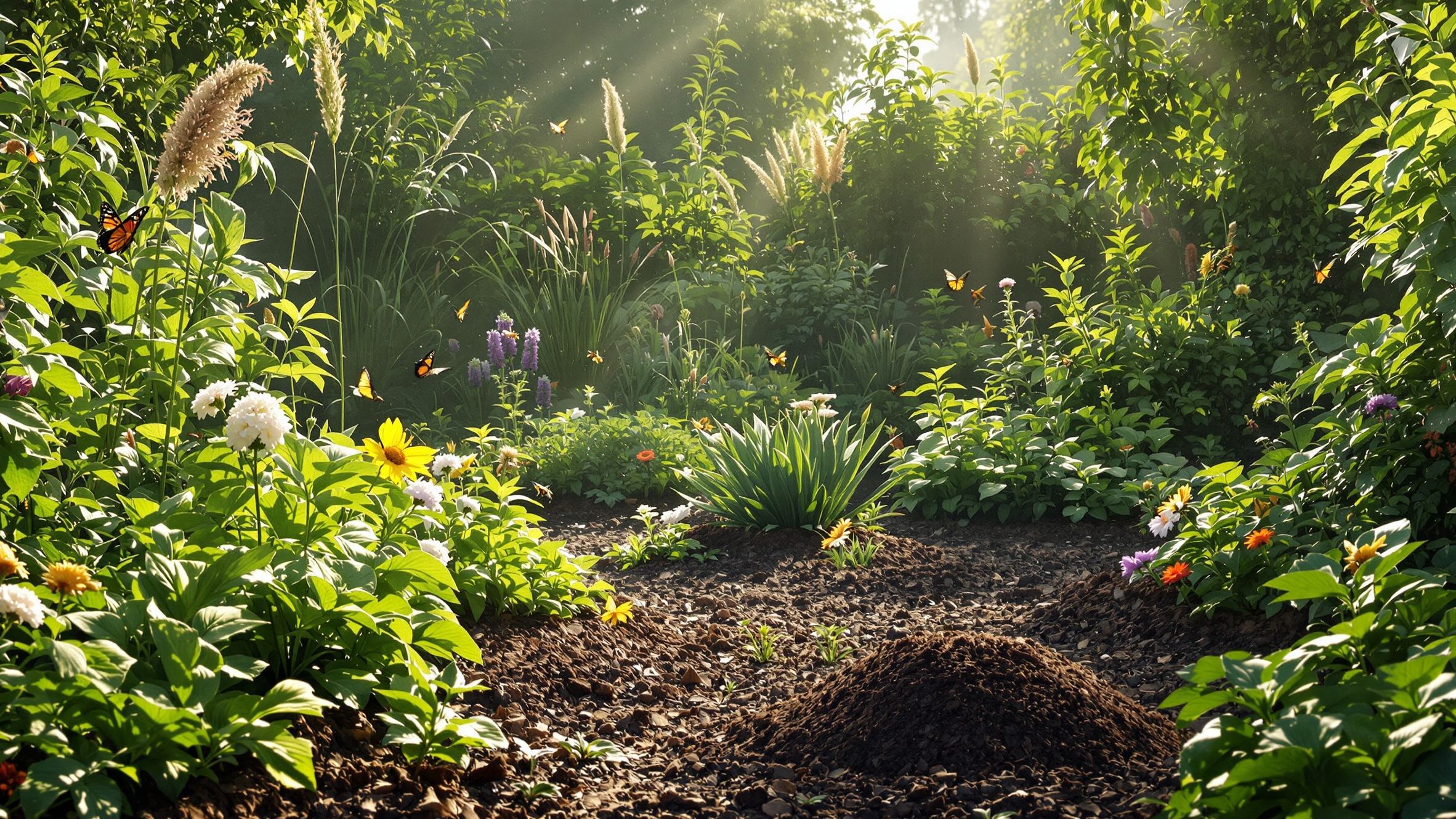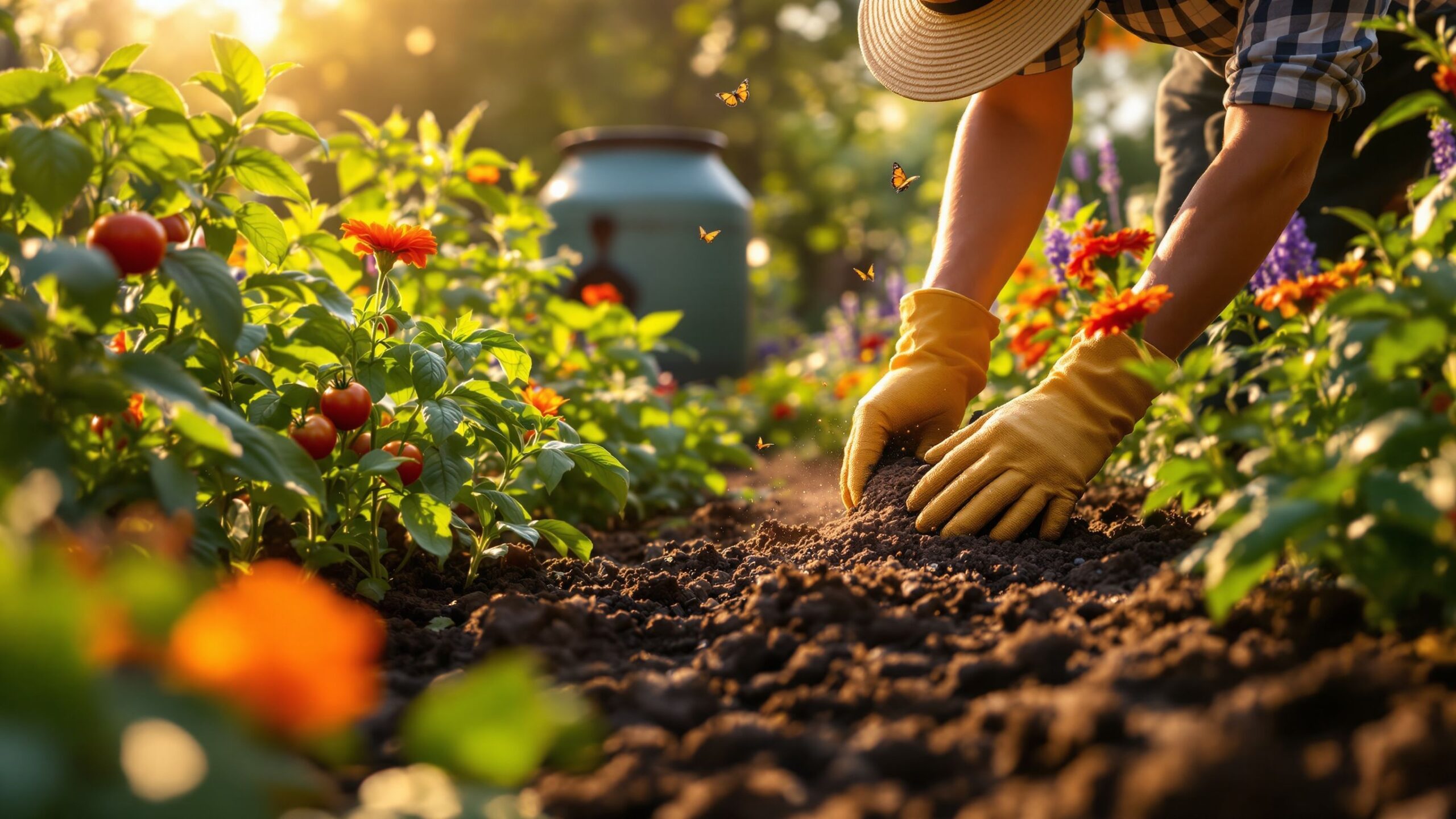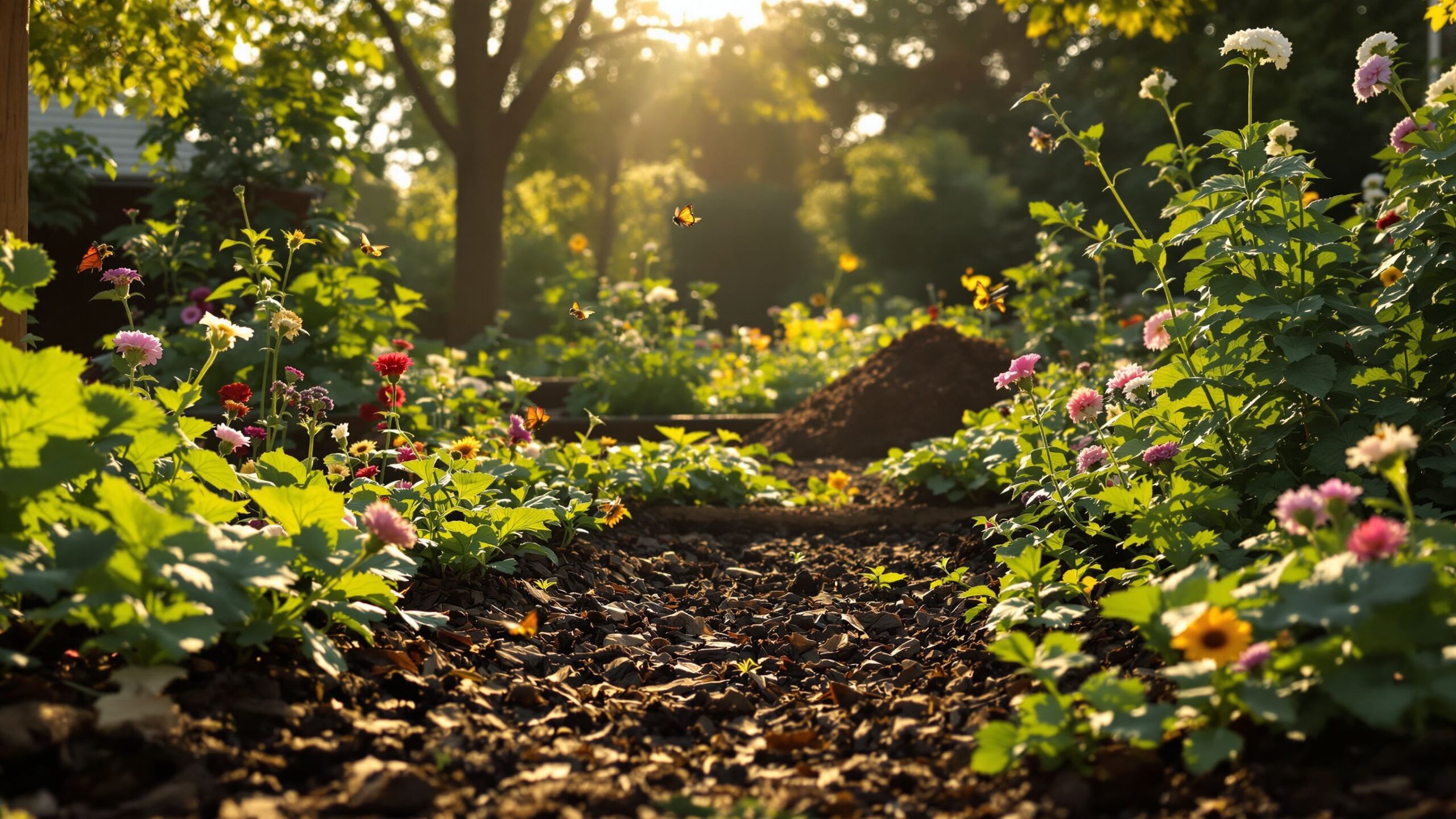
Regenerative gardening is more than a method—it is a mindset that transforms how we grow food and interact with the natural world. Instead of simply maintaining a garden, regenerative practices focus on restoring and improving the ecosystem over time. The goal is to create a self-sustaining environment where soil becomes richer, biodiversity increases, and every season builds upon the last. When done right, a regenerative garden doesn’t just produce food; it becomes a living, breathing system that thrives with minimal intervention and maximum harmony. Unlike conventional gardening, which often relies on synthetic fertilizers and frequent disturbance, regenerative gardening works with nature instead of against it. It mimics natural ecosystems, allowing plants, soil organisms, and wildlife to support one another. This approach not only produces healthier crops but also contributes to a healthier planet. Whether you are starting with a small backyard or a larger space, building a regenerative garden at home is both achievable and deeply rewarding.
A: It’s a garden designed to restore soil, support biodiversity, and work with nature instead of against it.
A: No, regenerative methods can work in raised beds, containers, or small backyard plots.
A: Usually less tilling is better, since it helps preserve soil life and structure.
A: Start with compost, mulch, and careful observation of your site’s natural conditions.
A: Yes, they often support pollinators and wildlife while thriving with fewer inputs.
A: Feed it with compost, keep it covered, and avoid leaving it bare or heavily disturbed.
A: Yes, biodiversity and healthier soil can create a more balanced garden ecosystem.
A: Straw, leaves, wood chips, and untreated grass clippings are all common options.
A: Not usually—many gardeners rely on compost, cover crops, and organic matter instead.
A: Some benefits show up quickly, but the biggest improvements usually build over multiple seasons.
Understanding the Core Principles of Regeneration
To successfully start a regenerative garden, it is essential to understand the principles that guide it. At the center of everything is soil health. Soil is not just a growing medium; it is a complex ecosystem filled with microorganisms, fungi, and organic matter that all play a role in supporting plant life. When soil is healthy, plants become more resilient, productive, and nutrient-dense.
Another key principle is minimizing disturbance. Practices like excessive tilling can damage soil structure and disrupt the delicate balance of life beneath the surface. Regenerative gardening avoids this by using no-dig or low-disturbance techniques that preserve soil integrity. Keeping soil covered is equally important, as bare soil is vulnerable to erosion, temperature extremes, and moisture loss. Mulch and living plants act as protective layers that maintain stability and feed the soil over time.
Diversity is also a cornerstone of regeneration. A garden filled with a wide variety of plants is more resilient to pests, diseases, and environmental stress. By encouraging biodiversity, you create a balanced ecosystem where each element contributes to the overall health of the garden. These principles work together to create a system that becomes stronger and more productive with each passing season.
Observing and Understanding Your Garden Space
Before planting anything, take the time to observe your environment carefully. Regenerative gardening begins with understanding the natural patterns of your space. Notice how sunlight moves throughout the day, which areas receive full sun, and which remain shaded. Pay attention to how water flows during rain and where it tends to collect or drain quickly.
Wind patterns, soil texture, and existing vegetation also provide valuable clues about how your garden functions. Instead of trying to force your space into a specific design, work with what is already there. If an area holds moisture, consider planting species that thrive in wetter conditions. If another section is dry and exposed, choose plants that can tolerate those conditions or introduce shading and mulch to improve it.
By aligning your garden with the natural characteristics of your environment, you reduce the need for constant intervention. This approach not only saves time and resources but also creates a more resilient and harmonious system.
Building Living Soil from the Ground Up
Healthy soil is the foundation of any regenerative garden, and building it should be your first priority. The key to improving soil is adding organic matter. Compost is one of the most effective ways to do this, as it introduces beneficial microbes and nutrients that support plant growth. Applying compost to your garden beds enriches the soil and improves its ability to retain water and nutrients.
Mulching is another essential practice that protects and nourishes the soil. Organic materials such as straw, wood chips, or shredded leaves create a protective layer that reduces evaporation, suppresses weeds, and gradually breaks down into valuable nutrients. This continuous cycle of decomposition feeds the soil and strengthens its structure over time.
Avoiding tilling is crucial in maintaining soil health. While it may seem like a quick way to prepare planting areas, tilling disrupts the natural ecosystem within the soil. Instead, use no-dig methods that allow microorganisms and fungi to thrive undisturbed. Over time, this approach leads to richer, more fertile soil that supports strong and healthy plants.
Designing a Diverse and Thriving Garden
A regenerative garden is designed as an interconnected system rather than a collection of individual plants. Diversity is the key to creating resilience and balance. By planting a variety of species together, you encourage beneficial interactions that improve overall productivity and health.
Companion planting is one way to achieve this balance. Certain plants support each other by repelling pests, attracting pollinators, or enhancing soil fertility. Mixing crops instead of planting them in large monocultures reduces vulnerability to disease and creates a more dynamic environment.
Incorporating perennials alongside annual crops adds stability to your garden. Perennials return year after year, providing consistent habitat for beneficial organisms and contributing to long-term soil health. Their deep root systems help improve soil structure and access nutrients that may be out of reach for shallow-rooted plants.
Layering your garden vertically also maximizes space and mimics natural ecosystems. Taller plants can provide shade for smaller ones, while ground covers protect the soil. This layered approach creates a more efficient and productive system that uses resources effectively.
Managing Water Naturally and Efficiently
Water management plays a crucial role in regenerative gardening. Instead of relying on frequent irrigation, focus on creating conditions that allow your soil to retain moisture naturally. Healthy soil rich in organic matter acts like a sponge, holding water and releasing it gradually to plants.
Mulch helps conserve water by reducing evaporation and keeping the soil cool. Collecting rainwater is another sustainable practice that supports your garden while reducing dependence on external sources. Even simple systems can make a significant difference in maintaining consistent moisture levels.
Designing your garden to follow natural water flow is also important. Shaping the land to capture and distribute water evenly helps prevent runoff and ensures that plants receive the hydration they need. By working with natural water cycles, you create a system that remains productive even during dry periods.
Encouraging Biodiversity and Natural Balance
A regenerative garden thrives on biodiversity. The more life your garden supports, the more balanced and self-sustaining it becomes. Pollinators such as bees and butterflies are essential for plant reproduction, so creating an environment that attracts them is crucial. Planting a variety of flowers that bloom at different times ensures a steady food source throughout the growing season.
Beneficial insects play a vital role in controlling pests naturally. Instead of relying on chemical solutions, encourage these helpful creatures by providing habitat and avoiding harmful pesticides. Birds, frogs, and other wildlife also contribute to maintaining balance within your garden.
Even the smallest organisms, like bacteria and fungi, are essential to the health of your soil. These microorganisms break down organic matter and make nutrients available to plants. By fostering biodiversity at every level, you create a resilient ecosystem that supports itself.
Growing Food with Regenerative Practices
Growing your own food is one of the most rewarding aspects of regenerative gardening. Crops grown in healthy soil are often more flavorful and nutrient-rich, providing both physical and emotional nourishment. Start by selecting plants that are well-suited to your climate and conditions, ensuring a higher chance of success.
Interplanting different crops can improve productivity and create natural synergies within your garden. Combining plants with different growth habits and nutrient needs allows them to support each other while making efficient use of space. Rotating crops each season helps maintain soil fertility and reduces the risk of disease.
Harvesting should be done thoughtfully, leaving enough plant material to continue supporting the soil ecosystem. In a regenerative garden, nothing is wasted. Plant residues can be composted or used as mulch, returning valuable nutrients to the soil and completing the natural cycle.
Composting and Creating a Closed-Loop System
Composting is a fundamental part of regenerative gardening because it transforms waste into a valuable resource. By recycling organic materials such as kitchen scraps and yard waste, you create nutrient-rich compost that feeds your soil. This process reduces waste while enhancing the health of your garden.
A closed-loop system is one where everything is reused and nothing is discarded. In a regenerative garden, plant materials are returned to the soil, creating a continuous cycle of growth and renewal. This approach minimizes the need for external inputs and strengthens the overall ecosystem.
Over time, composting becomes second nature, and your garden begins to sustain itself more effectively. This cycle of regeneration is what sets regenerative gardening apart from traditional methods.
Adapting and Evolving with Your Garden
A regenerative garden is constantly evolving. Each season brings new challenges and opportunities, and learning to adapt is essential. Pay attention to how your plants respond to changes in weather, soil conditions, and care practices. These observations provide valuable insights that help you refine your approach.
Mistakes are part of the process and should be viewed as opportunities for growth. As you gain experience, you will develop a deeper understanding of your garden’s unique needs. Over time, your efforts will result in a system that becomes more resilient and requires less maintenance.
Patience is key in regenerative gardening. The improvements you make today will continue to benefit your garden for years to come. With each passing season, your soil becomes richer, your plants stronger, and your ecosystem more balanced.
The Lasting Impact of a Regenerative Garden
Starting a regenerative garden at home has far-reaching benefits. By improving soil health, you contribute to carbon sequestration and help combat climate change. By supporting biodiversity, you create habitats for countless species and promote ecological balance.
On a personal level, regenerative gardening fosters a deeper connection to nature. It encourages mindfulness, creativity, and a sense of purpose. The food you grow becomes a reflection of a system that values sustainability and renewal.
A regenerative garden is more than just a place to grow plants—it is a living system that supports life in all its forms. By embracing this approach, you become part of a larger movement toward a healthier and more sustainable future.
Garden Product Reviews
Step into Mossy Streets’ Garden Product Reviews — your go-to guide for the best tools, gear, gifts, books, and garden gadgets rooted in nature. From blooming backyard beauties to lush indoor jungles, from heirloom seeds to high-tech composters, we dig into top-rated products for green thumbs, beginners, educators, and plant lovers alike. Whether you’re planting, pruning, decorating, or simply enjoying your green space, we’ve unearthed the best so you can grow, bloom, and thrive — all in one vibrant place!