Slice open an heirloom tomato and you may discover something completely different from the perfectly round, bright-red tomatoes lining supermarket shelves. The fruit might be deep purple, golden yellow, emerald green, striped orange, nearly black, or a mixture of several colors. Its shoulders may be deeply ribbed, its shape wonderfully uneven, and its thin skin barely capable of containing the juicy flesh inside. Then comes the flavor: sweet, tangy, rich, smoky, fruity, intensely tomato-like, or sometimes completely unexpected. Heirloom tomatoes have become treasured by home gardeners, chefs, farmers’ market shoppers, seed savers, and food enthusiasts, but their appeal reaches far beyond unusual appearances and memorable flavors. Every heirloom tomato represents part of a much larger agricultural story. Some varieties were preserved by farming families for generations. Others traveled across continents with immigrants who carried cherished seeds to new homes. Certain tomatoes became regional favorites, while others nearly disappeared before dedicated gardeners rescued them. The fascinating history of heirloom tomatoes is ultimately a history of people, migration, agriculture, flavor, genetics, and the simple human desire to save something wonderful for the next generation.
A: The term generally describes an older, open-pollinated variety with a history of being preserved through seed saving, although there is no single official definition.
A: There is no universal rule, but 50 years is sometimes used as a general guideline for heirloom status.
A: Yes. Properly saved seeds from open-pollinated heirloom tomatoes can reproduce the variety, provided unwanted cross-pollination is controlled.
A: Not automatically. Heirloom describes the variety, while organic describes how a crop is grown and produced.
A: Many were preserved for qualities such as flavor, color, size, or local adaptation rather than the uniform appearance required for commercial shipping.
A: Taste is subjective, but exceptional flavor is one of the primary reasons many gardeners seek out and preserve heirloom varieties.
A: Some can be more susceptible to cracking or certain diseases, while others perform extremely well when matched to suitable local conditions.
A: Commercial varieties are often selected for qualities such as consistent size, firmness, shelf life, productivity, and ability to withstand transportation.
A: Consider your climate, growing-season length, available space, disease pressures, desired fruit size, and preferred flavor.
A: Growing and saving them helps protect genetic diversity, historic varieties, distinctive flavors, cultural stories, and generations of gardening heritage.
Where Did Tomatoes Originally Come From?
Long before tomatoes became associated with Italian pasta sauces, American gardens, or Mediterranean cuisine, their wild ancestors grew in western South America. The evolutionary history of tomatoes is connected to areas including present-day Peru, Ecuador, and neighboring regions, where wild tomato relatives still demonstrate remarkable genetic diversity. However, the exact story of tomato domestication is complex. Early peoples gradually selected and cultivated plants with increasingly desirable characteristics, while forms of domesticated tomatoes eventually became established farther north in Mesoamerica. By the time Europeans arrived in the Americas, tomatoes were already being cultivated and eaten. The fruits encountered during this period looked different from many modern tomatoes, and centuries of continued selection would eventually produce the astonishing diversity gardeners recognize today.
Tomatoes in the Ancient Americas
Indigenous peoples played the foundational role in transforming wild tomato relatives into cultivated food plants. This process did not happen during a single generation. Agricultural domestication develops through repeated selection. Gardeners and farmers save seeds from plants displaying useful qualities, such as larger fruit, appealing flavor, productive growth, attractive color, or reliable performance. Over generations, those decisions gradually change cultivated plants. The tomato’s early history therefore began long before written European records of the crop. By preserving and selecting seeds, Indigenous agricultural communities established the genetic foundation upon which later tomato varieties were developed. Every modern tomato, whether an heirloom or contemporary hybrid, ultimately owes its existence to this ancient agricultural knowledge.
How Tomatoes Reached Europe
Spanish exploration and colonization of the Americas brought tomatoes to Europe during the 16th century as part of the enormous movement of plants, animals, foods, diseases, and cultures known as the Columbian Exchange. Tomatoes joined crops such as potatoes, peppers, corn, and cacao in transforming food systems far beyond their original geographic ranges. Yet Europeans did not immediately embrace tomatoes as an everyday food. The plant belonged to the nightshade family, which also contains several poisonous species, contributing to suspicion in some places. Tomatoes were initially grown partly as botanical curiosities and ornamental plants. Gradually, however, culinary use expanded, particularly in parts of southern Europe where the climate supported their cultivation.
How Italy Fell in Love With the Tomato
Today, imagining Italian cuisine without tomatoes seems almost impossible. Pizza, pasta sauces, bruschetta, soups, and countless regional dishes have made tomatoes an international symbol of Italian cooking. Yet tomatoes arrived in Italy only after European contact with the Americas. Early European descriptions included yellow-fruited forms, and tomatoes gradually became incorporated into southern Italian food traditions. Their rise was not instantaneous. It took generations for the fruit to become deeply integrated into regional agriculture and cooking. Eventually, farmers selected varieties suited to particular climates and culinary purposes. Tomatoes intended for sauces could be selected for dense flesh, while fresh-eating tomatoes might be prized for sweetness or texture. This regional selection contributed to the diversity that later became associated with traditional and heirloom tomatoes.
Why Europeans Once Feared Tomatoes
Stories about Europeans believing tomatoes were poisonous are often simplified, but genuine suspicion surrounded the plant in some communities. Tomatoes belong to the Solanaceae family, which includes deadly nightshade, and the leaves and stems of tomato plants contain compounds that should not be eaten in significant quantities. Wealthy Europeans also sometimes ate from pewter tableware containing lead. Acidic foods could contribute to lead leaching from certain vessels, potentially causing illness that might then be blamed on the food rather than the plate. Regardless of the exact combination of factors in different places, tomatoes did not immediately enjoy universal acceptance. Their eventual transformation from suspicious ornamental curiosity to one of the world’s most important foods makes their history even more remarkable.
Tomatoes Return Across the Atlantic
Although tomatoes originated in the Americas, varieties developed and selected in Europe eventually traveled back across the Atlantic with settlers and immigrants. By the 18th and 19th centuries, tomatoes were becoming increasingly established in North American gardens and agriculture. Farmers, gardeners, seed companies, and plant breeders began selecting tomatoes for regional climates and particular uses. Families saved seeds from plants that performed especially well, creating locally adapted strains. As people migrated across the continent, they frequently carried seeds with them. Tomatoes therefore traveled not only through commercial seed catalogs but also in envelopes, jars, pockets, luggage, and family possessions.
The 1800s and the Explosion of Tomato Diversity
The 19th century became an important period for the development and distribution of tomato varieties in the United States. Commercial seed companies expanded, agricultural experimentation increased, and gardeners gained access to growing numbers of named varieties. Plant breeders selected tomatoes for size, color, productivity, flavor, and other characteristics. At the same time, countless unnamed family varieties continued growing in private gardens. This combination of professional breeding and household seed saving contributed to extraordinary diversity. Tomatoes appeared in shades of red, pink, yellow, orange, and other colors, while fruit shapes ranged from tiny cherry types to enormous ribbed beefsteaks. Some varieties became commercially famous, while others remained closely tied to specific families or communities.
The Rise of Commercial Seed Catalogs
Seed catalogs transformed gardening by allowing people to purchase named varieties from companies rather than relying exclusively on locally saved or exchanged seed. During the 19th and early 20th centuries, colorful descriptions of vegetables and flowers encouraged gardeners to experiment with new varieties. Tomato breeders and seed companies introduced selections promising improved size, productivity, appearance, and reliability. Some varieties from this era eventually became heirlooms themselves because gardeners continued growing them long after their commercial introduction. This highlights an important point about heirloom tomatoes: not every heirloom began as a mysterious family seed. Some were once commercially marketed varieties that survived because generations of gardeners decided they were worth preserving.
What Makes a Tomato an Heirloom?
There is no single universal authority that determines whether a tomato qualifies as an heirloom. Generally, heirloom tomatoes are older, open-pollinated varieties with a meaningful history of cultivation and preservation. Some gardeners use an age of approximately 50 years as a guideline, while others emphasize varieties introduced before modern F1 hybrids became widespread during the 20th century. Most importantly, heirloom tomatoes can generally reproduce true to type from properly saved seed. If cross-pollination is prevented and seeds are collected carefully, the next generation should strongly resemble the parent variety. This allows a particular tomato to continue across decades and generations rather than disappearing when a commercial seed supply changes.
Family Heirloom Tomatoes
Some of the most captivating heirloom tomato stories involve varieties maintained privately by families. A gardener might save seeds from the best tomato every summer and eventually pass those seeds to children or grandchildren. Over decades, the tomato becomes connected to family meals, gardens, homes, and memories. Family heirlooms sometimes carry the surname of the person who preserved them or the community where they were grown. Others acquire informal names describing their appearance or origin. These tomatoes demonstrate why the word “heirloom” is so appropriate. The inheritance is not a necklace or piece of furniture. It is living genetic material that must continually be planted, harvested, saved, and replanted to survive.
Immigrant Heirloom Tomatoes and Seeds That Crossed Oceans
Immigration played an enormous role in the story of heirloom vegetables in North America. People arriving from Europe and other parts of the world often brought seeds associated with familiar foods and agricultural traditions. A handful of seeds could preserve a taste of home in an unfamiliar country. Families continued growing these varieties because they were connected to recipes, memories, and cultural identity. Over generations, some immigrant tomatoes became established regional heirlooms. Their stories illustrate how seeds can function almost like cultural time capsules. A tomato growing in an American backyard may carry genetic and culinary connections to a village thousands of miles away.
Famous Heirloom Tomato Varieties and Their Stories
Several heirloom tomatoes have become legends among gardeners. Brandywine is one of the most famous names, known for large pink fruits and rich flavor. Cherokee Purple is celebrated for its dusky purple-brown coloring, substantial fruit, and distinctive taste, although some of the popular stories surrounding individual heirlooms can be difficult to verify completely. Mortgage Lifter became famous not only for its large fruits but also for the memorable story associated with breeder M.C. “Radiator Charlie” Byles, who developed and sold tomato plants during the 20th century. Green Zebra is frequently grouped with heirlooms because of its appearance and popularity among heirloom enthusiasts, although it is actually a comparatively modern open-pollinated variety developed by tomato breeder Tom Wagner. These examples demonstrate why tomato history can be both fascinating and complicated. A memorable story does not always fit neatly into a simple definition of “heirloom.”
Brandywine and the Heirloom Tomato Renaissance
Brandywine has become almost synonymous with heirloom tomatoes. Its large, pinkish fruits, potato-leaf foliage, and celebrated flavor helped make it a favorite among gardeners searching for alternatives to standardized commercial tomatoes. The history associated with Brandywine is complicated by multiple strains and similar names, but its influence on modern heirloom enthusiasm is undeniable. As gardeners rediscovered older varieties during the late 20th century, Brandywine frequently appeared in seed catalogs, garden articles, farmers’ markets, and taste comparisons. It represented exactly what many people wanted from heirlooms: unusual appearance, exceptional flavor, and a sense of history.
The Story Behind Cherokee Purple
Cherokee Purple is another heirloom that helped introduce countless gardeners to tomatoes beyond traditional bright red varieties. Its fruits develop a distinctive dusky rose, purple, and brownish coloration, often with green shoulders. The variety became widely known after seeds were shared with tomato enthusiast Craig LeHoullier in the early 1990s. The person who sent the seeds reported a family story connecting the tomato to the Cherokee people. While historical provenance surrounding heirloom varieties should be handled carefully when documentation is limited, Cherokee Purple became an enormously influential variety within the modern heirloom movement. Its unusual appearance and complex flavor demonstrated that a ripe tomato did not need to be perfectly round or bright red to be extraordinary.
Mortgage Lifter and the Power of a Great Tomato Story
Few heirloom tomato names are as memorable as Mortgage Lifter. The variety is associated with M.C. Byles of West Virginia, better known as Radiator Charlie, who developed large tomatoes by crossing and selecting varieties. According to the famous story, Byles sold plants for about a dollar each and earned enough money over several years to help pay off his mortgage. Whether gardeners first encounter Mortgage Lifter because of its enormous fruits or its irresistible name, the variety demonstrates how storytelling helps preserve plants. People remember a tomato with a history. That memory encourages them to plant it, share it, and keep its story alive.
Why Heirloom Tomatoes Come in So Many Colors
Modern shoppers often associate tomatoes with bright red fruit, but tomato genetics can produce a remarkable spectrum of colors. Heirloom varieties may appear pink, yellow, orange, green, purple, brown, mahogany, striped, or nearly black. These colors result from differences in pigments, skin characteristics, and underlying flesh. Some green-when-ripe varieties remain predominantly green even when ready to eat, requiring gardeners to judge ripeness by softness and subtle color changes. Dark tomatoes can develop extraordinary combinations of green shoulders and reddish-purple flesh. Bicolored varieties may reveal streaks of yellow, red, and orange when sliced. This diversity makes heirloom tomatoes visually spectacular and provides a reminder of how much agricultural variation exists beyond supermarket standards.
Why Heirloom Tomatoes Have Such Strange Shapes
Heirloom tomatoes frequently look imperfect by modern retail standards. They can be deeply ribbed, flattened, lumpy, cracked, heart-shaped, pear-shaped, tiny, or enormous. Yet these irregularities are part of their appeal. Modern commercial produce often needs to survive mechanical handling, packing, transportation, storage, and supermarket display. Uniform shapes simplify these systems. Historically, gardeners growing tomatoes for their own kitchens had very different priorities. Flavor, productivity, adaptation, and usefulness could matter more than whether every tomato looked identical. As a result, many old varieties preserved shapes that modern shoppers might consider unusual but earlier gardeners considered perfectly normal.
Heirloom Tomatoes vs. Modern Hybrid Tomatoes
Heirloom and hybrid tomatoes each have advantages. Modern F1 hybrids can be bred for disease resistance, productivity, uniformity, compact growth, crack resistance, or other useful characteristics. These qualities can make hybrids excellent choices for gardeners facing particular challenges. Heirloom tomatoes, however, are especially valued for their diversity, seed-saving potential, distinctive flavors, and historical significance. Seeds collected from a properly isolated open-pollinated heirloom generally produce plants similar to the parent. Seeds from an F1 hybrid do not reliably reproduce the same combination of characteristics. Growing heirlooms therefore allows gardeners to participate directly in preserving a variety over time.
Why Commercial Agriculture Changed the Tomato
As agriculture became increasingly industrialized during the 20th century, tomato breeding priorities changed. Large-scale growers needed varieties capable of producing predictable harvests and surviving transportation over significant distances. Uniform size, firmness, shelf life, disease resistance, and concentrated ripening became economically valuable characteristics. Flavor remained important, but it was only one factor among many. Older varieties that bruised easily, ripened unevenly, produced inconsistent shapes, or performed poorly during transportation became less practical for commercial systems. Many disappeared from mainstream markets even though home gardeners continued valuing them. This separation between commercial requirements and backyard priorities helped create the modern distinction between standardized grocery-store tomatoes and the astonishing diversity found in heirloom gardens.
The Seed-Saving Movement That Helped Rescue Old Tomatoes
By the late 20th century, growing numbers of gardeners became concerned about the disappearance of traditional crop varieties. Seed-saving networks and preservation organizations began collecting, documenting, growing, and exchanging older open-pollinated seeds. Home gardeners played a critical role because many rare varieties survived only in private hands. Seed exchanges allowed varieties once limited to a single family or region to reach gardeners across the country. The modern heirloom tomato renaissance grew from this preservation movement. Suddenly, tomatoes that had nearly disappeared could appear in specialty catalogs, farmers’ markets, community gardens, and restaurant kitchens.
Why Chefs Fell in Love With Heirloom Tomatoes
Heirloom tomatoes eventually moved beyond backyard gardens and into restaurants, farmers’ markets, specialty grocery stores, and food photography. Chefs appreciated their extraordinary range of colors, textures, shapes, and flavors. A plate containing red, purple, green, yellow, and striped tomatoes could become visually spectacular with very little preparation. Because many heirlooms are delicate and do not tolerate long-distance transportation particularly well, locally grown tomatoes also fit naturally into the farm-to-table movement. Their imperfections became part of their luxury appeal. A deeply ribbed purple tomato that might once have been rejected by standardized retail systems could suddenly command attention precisely because it looked different.
Are Heirloom Tomatoes Really More Flavorful?
Many gardeners insist heirloom tomatoes taste dramatically better than conventional supermarket tomatoes, but the answer is more nuanced than simply declaring every heirloom superior. Flavor varies enormously between varieties and depends on genetics, weather, soil, irrigation, ripeness, and growing conditions. Some modern hybrids have excellent flavor, while not every heirloom will appeal to every person. However, heirlooms include varieties historically selected and preserved partly because people enjoyed eating them. Homegrown tomatoes can also be harvested at peak ripeness rather than selected for transportation durability. The combination of distinctive genetics and vine-ripened freshness explains why tasting heirloom tomatoes directly from the garden can be such a memorable experience.
How Gardeners Save Heirloom Tomato Seeds
Tomatoes are among the more approachable crops for beginning seed savers because many varieties primarily self-pollinate. Gardeners select healthy, representative fruits from strong plants and collect the seeds once the tomatoes are fully mature. Tomato seeds are surrounded by a gelatinous coating, so traditional seed-saving techniques often involve a short fermentation process that helps separate the seeds from surrounding material. Afterward, the seeds are thoroughly rinsed, dried, labeled, and stored under appropriate conditions. Gardeners maintaining a particular variety should also consider the possibility of accidental cross-pollination. Careful labeling is essential, particularly when growing many similar tomatoes. A mysterious jar marked simply “red tomato” can quickly erase the history a gardener was trying to preserve.
Growing Heirloom Tomatoes at Home
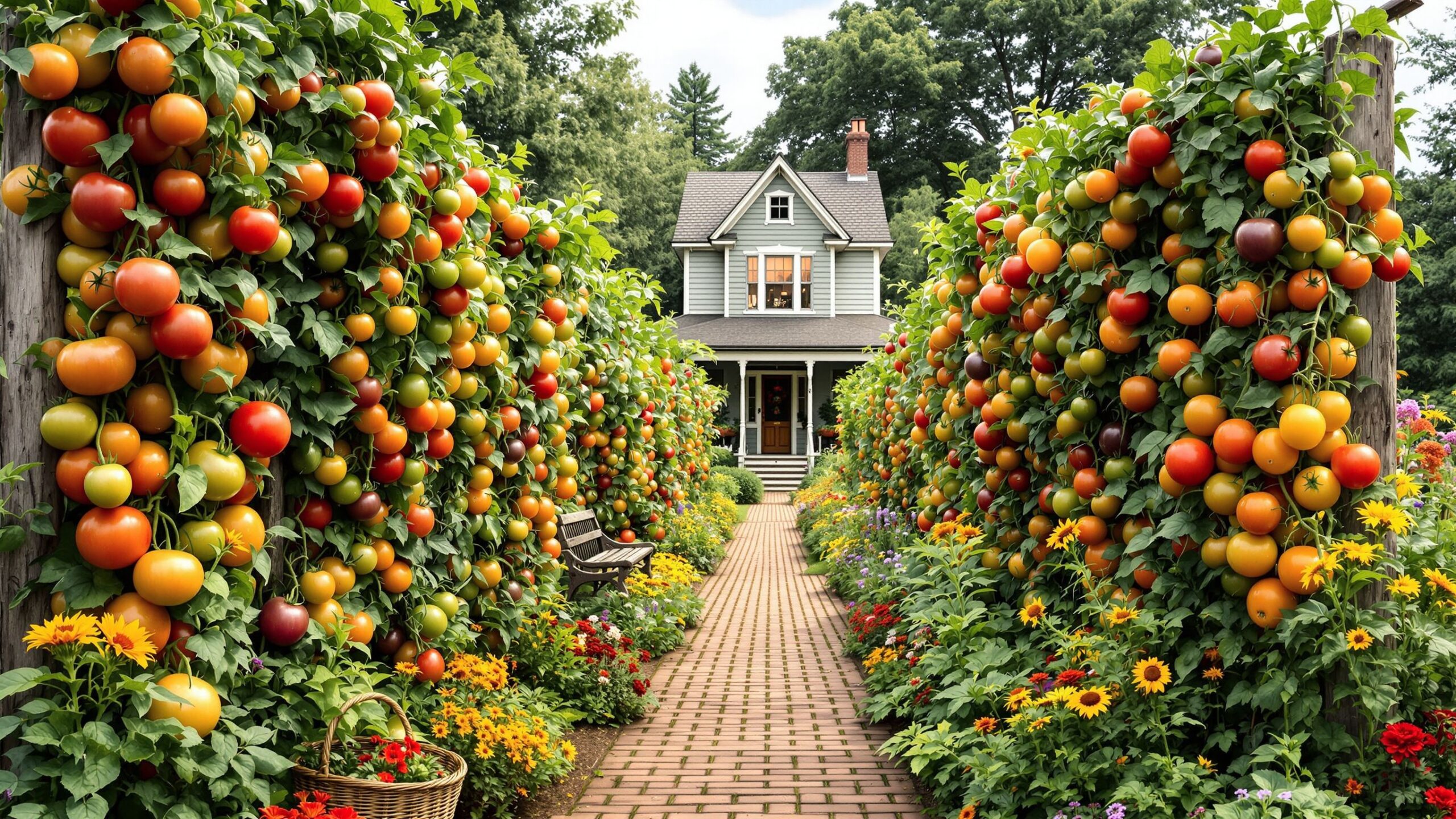
Growing heirloom tomatoes can turn an ordinary vegetable garden into an exploration of agricultural history. Begin by choosing varieties suited to your climate and growing season. Some enormous beefsteak heirlooms require long, warm seasons, while smaller or earlier varieties may perform better where summers are short. Tomatoes generally need abundant sunlight, fertile well-drained soil, consistent moisture, and adequate support. Many heirlooms are indeterminate, meaning their vines continue growing and producing throughout the season rather than reaching a compact predetermined size. Strong cages, stakes, or trellises may therefore be necessary. Rather than planting only one variety, consider growing several different colors and types. Comparing them side by side is one of the most enjoyable ways to discover how dramatically tomatoes can differ.
Creating an Heirloom Tomato Garden
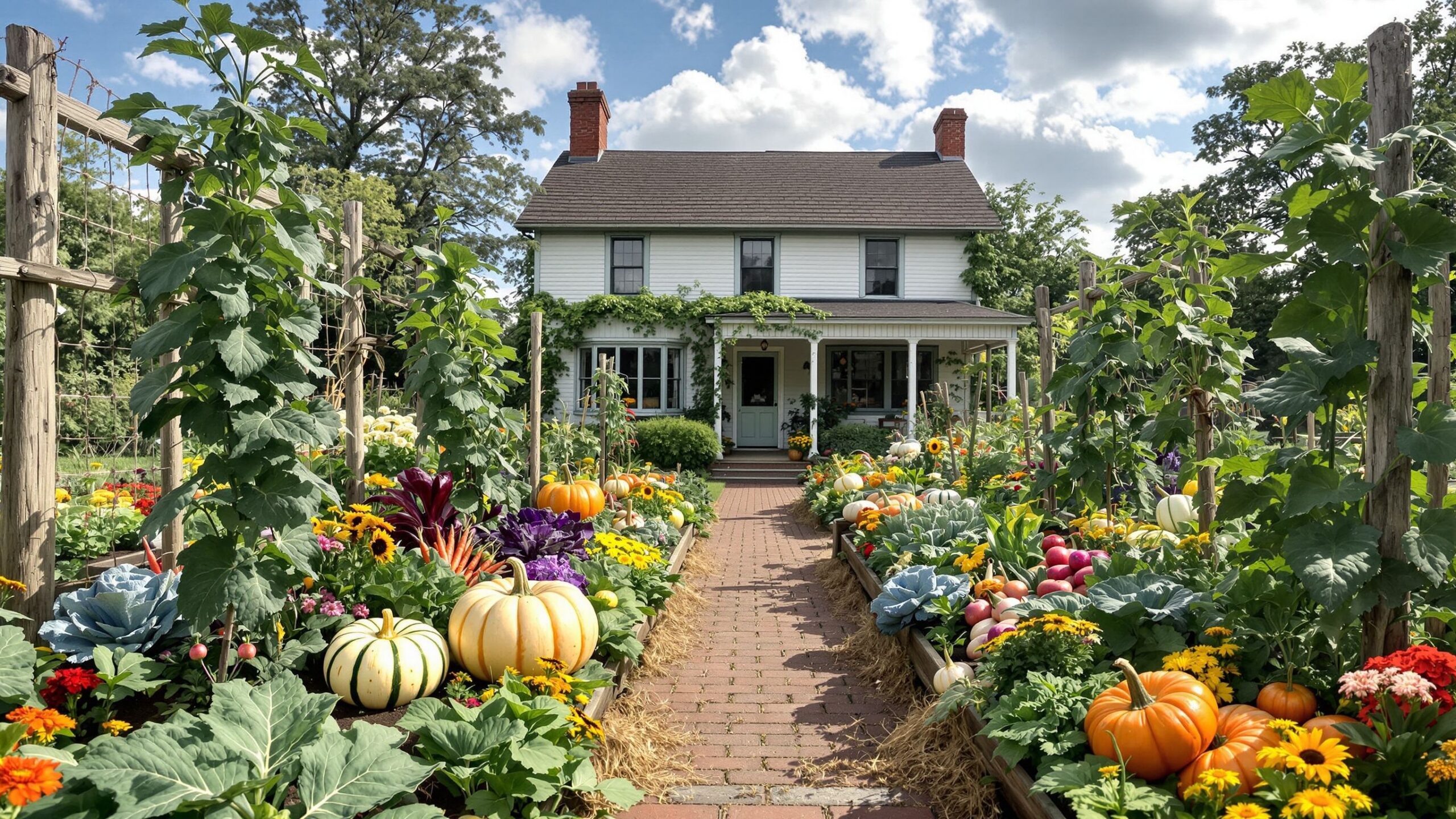
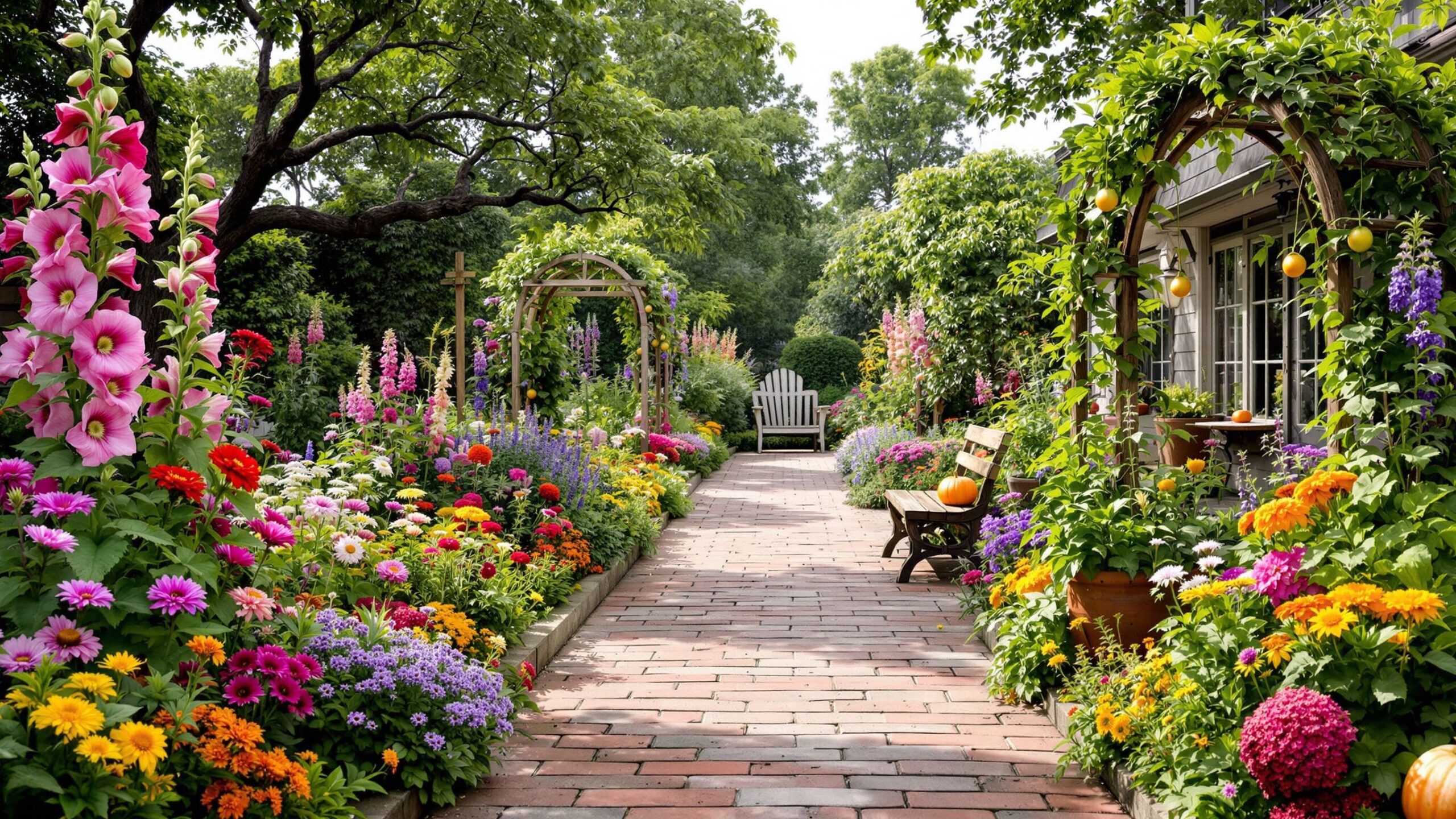
An heirloom tomato garden can be both productive and visually beautiful. Instead of hiding vegetables in a distant corner of the yard, incorporate tomatoes into an attractive kitchen garden with herbs, flowers, pathways, and traditional garden structures. Use sturdy wooden stakes, rustic trellises, or attractive metal supports to control sprawling vines. Plant basil, parsley, marigolds, nasturtiums, or other compatible garden plants nearby to add color and texture. Gravel, brick, or natural stone pathways make harvesting easier while giving the garden established character. An heirloom tomato garden should feel abundant. By late summer, vines can become enormous, fruits appear in surprising colors, and baskets begin filling with tomatoes that look nothing like standardized supermarket produce.
Heirloom Tomatoes as Living History
Perhaps the most remarkable thing about heirloom tomatoes is that their history cannot survive through photographs and written records alone. These varieties must continue growing. A seed can remain dormant for years under appropriate conditions, but eventually it needs soil, sunlight, water, and a gardener willing to care for it. Every season becomes another chapter in the variety’s history. A tomato preserved by a family for 80 years can continue for another century if future gardeners keep saving its seeds. If nobody does, that living genetic line can disappear. This makes heirloom gardening a surprisingly active form of historical preservation.
Why the History of Heirloom Tomatoes Still Matters
The fascinating history of heirloom tomatoes reminds us that agriculture is not simply a story of technological progress. It is also a story of choices. For thousands of years, people have decided which seeds to save, which flavors they love, which plants survive difficult conditions, and which varieties deserve another growing season. Modern agriculture has provided remarkable productivity and valuable disease-resistant crops, but preserving older varieties ensures that the enormous diversity created by previous generations is not unnecessarily lost. Heirloom tomatoes give gardeners access to flavors, colors, shapes, genetics, and stories that might otherwise disappear.
Keeping the Heirloom Tomato Story Alive
The next time you slice into a deeply ribbed pink tomato, a smoky purple variety, a golden beefsteak, or a green tomato that is perfectly ripe, remember that its unusual appearance represents generations of human decisions. Someone saved those seeds. Someone planted them again. Someone believed the variety was worth keeping when countless others disappeared. That simple cycle transformed ordinary garden plants into living heirlooms. Today, anyone with a sunny garden bed, raised planter, or sufficiently large container can participate in the same tradition. Plant an old variety, learn its history, taste the difference, save its seeds, and share them with someone else. Heirloom tomatoes have traveled across continents and centuries to reach today’s gardens. Their future now depends on gardeners continuing one of agriculture’s oldest traditions: saving something extraordinary and passing it on.
Garden Product Reviews
Step into Mossy Streets’ Garden Product Reviews — your go-to guide for the best tools, gear, gifts, books, and garden gadgets rooted in nature. From blooming backyard beauties to lush indoor jungles, from heirloom seeds to high-tech composters, we dig into top-rated products for green thumbs, beginners, educators, and plant lovers alike. Whether you’re planting, pruning, decorating, or simply enjoying your green space, we’ve unearthed the best so you can grow, bloom, and thrive — all in one vibrant place!