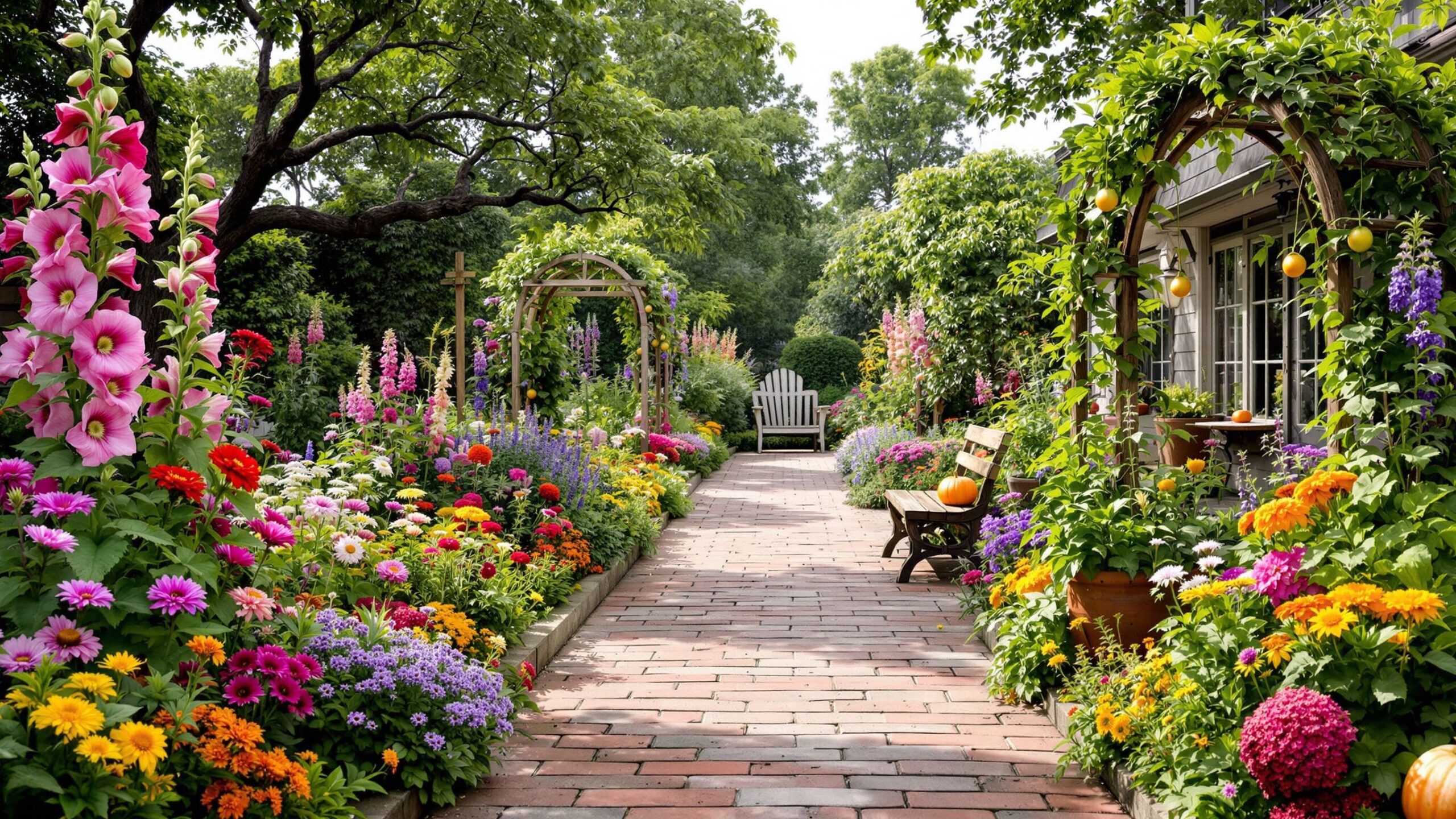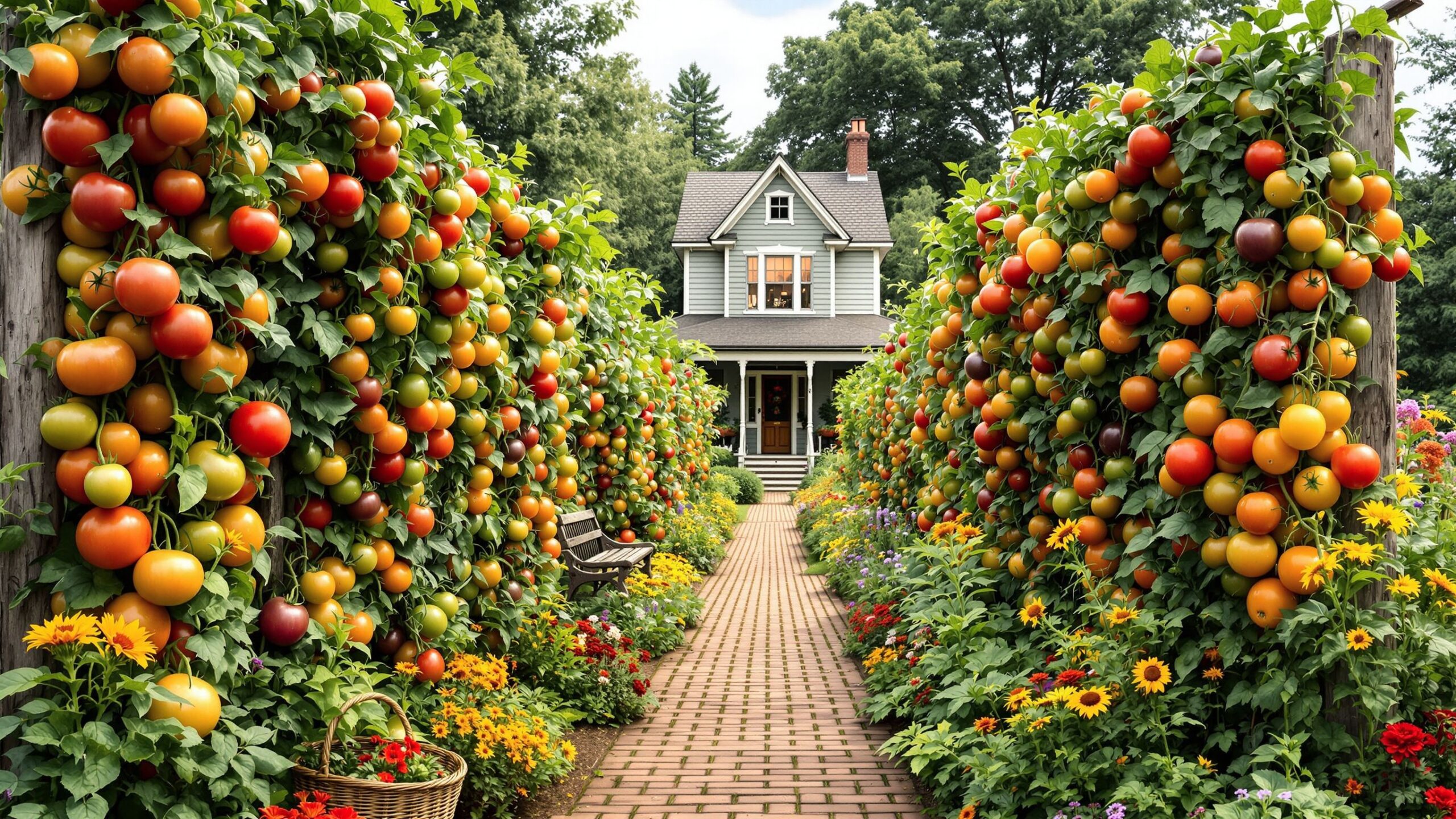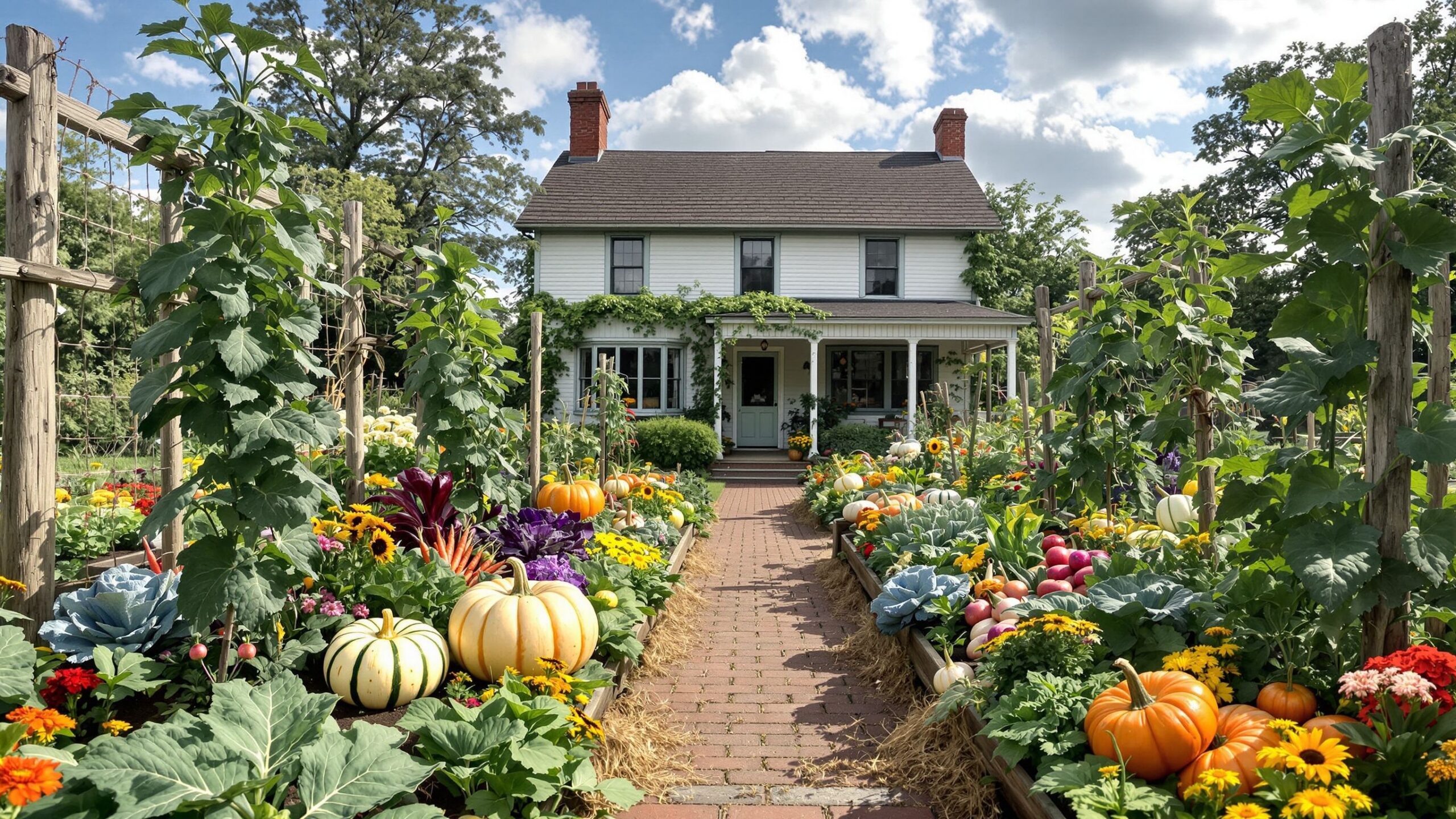
Some vegetables have been cultivated for so long that planting them can feel like opening a door into another century. Long before refrigerated trucks, modern supermarkets, commercial seed corporations, and industrial agriculture, gardeners and farmers saved seeds from the vegetables that performed best in their local conditions. Those seeds were planted again the following year, shared with neighbors, carried across borders, packed into trunks during migration, and handed down through families. Many varieties disappeared along the way, but others survived. Today, gardeners can still grow vegetables with histories stretching back generations and, in some cases, centuries. These heirloom vegetables offer more than novelty. They preserve unusual flavors, colors, shapes, regional traditions, genetic diversity, and stories that might otherwise have vanished. From ancient beans and historic cabbages to old-fashioned carrots, squash, tomatoes, and onions, some of the world’s most fascinating vegetables are still available to ordinary home gardeners. Growing them is one of the simplest ways to turn a backyard garden into a living connection with agricultural history.
A: There is no single confirmed oldest named heirloom variety. Many crops are thousands of years old, while individual named varieties usually have more recent documented histories.
A: Some named varieties have histories stretching back well over a century, while others are newer but still qualify as heirlooms under common definitions.
A: Yes. Specialty seed companies, seed libraries, preservation organizations, and seed exchanges offer many old varieties.
A: Usually yes, because most heirloom vegetables are open-pollinated, although proper isolation may be needed to keep a variety genetically consistent.
A: Not necessarily. Some are extremely reliable, especially when grown in climates similar to those where they were originally selected.
A: They can. Many heirlooms survived specifically because gardeners valued their flavor, texture, cooking qualities, or distinctive appearance.
A: No. Heirloom refers to the variety, while organic refers to the methods used to grow it.
A: Changing agriculture, commercial standardization, shifting consumer preferences, and the loss of local seed-saving traditions all contributed.
A: Beans, lettuce, peas, and many tomatoes are approachable choices, but the best option depends on your climate and growing season.
A: They offer distinctive flavors, unusual appearances, genetic diversity, fascinating stories, and a direct connection to the gardeners who preserved them before you.
What Makes a Vegetable an Heirloom?
The term heirloom vegetable generally refers to an older cultivated variety that has been preserved through repeated seed saving and passed from one generation of growers to another. There is no single universal age that officially determines heirloom status. Some gardeners use 50 years as a guideline, while others reserve the term for varieties developed before modern commercial hybrids became widespread in the 20th century. Most vegetable heirlooms are also open-pollinated, meaning that when they are grown with proper isolation from compatible varieties, their seeds can usually be saved and planted again while maintaining the essential characteristics of the parent variety. This allows gardeners to continue growing the same vegetable year after year. Age matters, but continuity matters just as much. An heirloom is not simply an old plant. It is a plant people decided was worth keeping alive.
Why Some Old Vegetables Survived
Historic vegetable varieties survived for different reasons. Some had exceptional flavor. Others tolerated harsh climates, short growing seasons, drought, heat, poor soil, or regional diseases. Certain varieties stored well through winter, while others were ideal for canning, pickling, drying, baking, or feeding livestock. Many survived because they were closely tied to traditional dishes and family recipes. A bean used in a beloved soup or a squash needed for a regional dish had a reason to remain in cultivation. The vegetables that survived were often the ones that continued to be useful, memorable, or culturally important long after newer varieties became available.
Ancient Beans and the Long History of Seed Saving
Beans are among the most fascinating heirloom crops because dried bean seeds preserve both food and future plants. Indigenous peoples throughout the Americas cultivated beans for thousands of years, developing an enormous diversity of colors, patterns, sizes, and growth habits. Many traditional bean varieties remain available today through seed-saving organizations and regional growers. Beans are especially well suited to preservation because gardeners can allow pods to mature and dry on the plant before collecting the seeds. Some old varieties display extraordinary markings, including speckles, stripes, mottled patterns, and contrasting colors. Others became associated with specific communities and regional cuisines. Growing historic beans today offers gardeners a direct connection to agricultural traditions that existed centuries before modern seed catalogs.
Scarlet Runner Beans and Centuries of Cultivation
Scarlet runner beans have a long history of cultivation and are valued for both their edible beans and spectacular flowers. Native to parts of Central America and Mexico, the plant eventually became popular in European gardens as both a food crop and ornamental vine. Its brilliant red flowers attract pollinators, while vigorous vines can climb impressive heights on trellises or fences. The beans can be eaten young in their pods or allowed to mature and dry for later use. Older strains and regional selections continue to circulate among gardeners, making scarlet runners a wonderful example of a crop that bridges ornamental gardening and food production. Their longevity in cultivation also demonstrates how plants survive when they serve more than one purpose.
Historic Peas and the Early Kitchen Garden
Peas have been cultivated for thousands of years and were important food crops long before the modern vegetable garden existed. Dry peas were especially valuable because they could be stored for long periods and provided dependable food during colder months. Over time, gardeners also selected peas for tender green seeds and edible pods. Historic varieties eventually became fixtures in cottage gardens, monastery gardens, estates, and kitchen gardens throughout Europe and beyond. Today, gardeners can still find old-fashioned pea varieties with distinctive growth habits, sweetness, and color. Some produce tall vines requiring strong support, while others remain relatively compact. Growing historic peas in spring can recreate one of the classic experiences of traditional vegetable gardening.
The Remarkable History of Cabbage
Cabbage belongs to one of the most extraordinary groups of cultivated vegetables in agricultural history. Through centuries of selection, humans transformed wild Brassica plants into cabbage, kale, broccoli, cauliflower, Brussels sprouts, kohlrabi, and other familiar crops. Historic cabbage varieties were often selected for cold tolerance, dense heads, storage ability, or suitability for fermentation. Before refrigeration, a cabbage that could survive cool weather or remain usable in storage had tremendous value. Sauerkraut and other fermented preparations further extended the harvest. Old cabbage varieties can still be grown today, allowing gardeners to experience crops that once played essential roles in winter food security.
Brunswick Cabbage and Old-Fashioned Storage Crops
Brunswick cabbage is one of the better-known historic cabbage types associated with traditional European and American gardens. Large, dense heads made storage cabbages useful when fresh vegetables became scarce in winter. These plants were not developed for convenience in modern supermarkets. They were part of household food systems in which gardens had to produce vegetables capable of feeding families for months. Growing a traditional storage cabbage today can provide a fascinating reminder of how different gardening priorities once were. Rather than focusing only on quick harvests and compact plants, earlier gardeners often selected crops based on how well they could survive an entire season of use.
Kale Before It Became Trendy
Kale may feel like a modern health-food phenomenon, but its agricultural history stretches back centuries. Leafy Brassica crops were cultivated long before tightly headed cabbages became common. Historic kale varieties developed in different climates and regions, often becoming prized for cold tolerance and their ability to remain productive into cooler weather. Some old varieties develop deeply curled leaves, while others have long, narrow, or blue-green foliage. Their durability made them valuable in climates where other vegetables struggled late in the season. Growing heirloom kale today connects a contemporary garden trend with an agricultural tradition far older than smoothie shops and salad bars.
The Ancient Story of Carrots
Carrots have a surprisingly colorful history. Early cultivated carrots were not necessarily the bright orange vegetables familiar today. Purple, yellow, white, and reddish carrots were grown in parts of Central and Southwest Asia, and different forms gradually spread across Europe and other regions. Orange carrots became especially prominent later through continued selection. Modern gardeners can now rediscover colors that reflect this older diversity by growing heirloom and historically inspired varieties. Purple carrots with orange centers, pale yellow roots, and dark red selections can make a harvest look dramatically different from supermarket carrots. Their appearance reminds us that the standardized orange carrot represents only one chapter in a much larger agricultural story.
Parisian Carrots and Historic Garden Design
Round and short-rooted carrots developed for shallow or difficult soils offer another glimpse into the practical intelligence behind old vegetable breeding. Parisian-type carrots produce small, nearly spherical roots and have long been associated with European market gardening. Their compact shape can work particularly well in containers and shallow beds, making them surprisingly useful for modern gardeners. What appears today as a novelty was once a practical adaptation to specific growing conditions. This is one of the recurring lessons of heirloom gardening: unusual shapes often exist because someone, somewhere, had a very good reason for selecting them.
Beets With Deep Agricultural Roots
Beets have been cultivated in various forms for centuries, with both leaves and roots serving as food. Historic varieties range from deep crimson to golden yellow and striped interiors. One of the most famous is Chioggia beet, known for its striking concentric rings of pink and white when sliced. Associated with the Italian town of Chioggia, this variety illustrates how vegetables can become closely connected to specific places. Its unusual interior pattern makes it popular with modern gardeners, but its history stretches well beyond contemporary culinary trends. Old beet varieties can provide both beauty and flavor while preserving regional agricultural traditions.
The Story of Chioggia Beets
Chioggia beets are sometimes called candy stripe beets because their sliced roots reveal alternating rings of color. Their appearance can seem almost too decorative to be old, yet this variety has a long history in Italy. The roots are generally milder in flavor than some dark red beets, and the greens can also be eaten. Their continued popularity demonstrates how distinctive appearance can contribute to preservation. Gardeners remember vegetables that surprise them, and memorable crops are more likely to be planted again. A single sliced Chioggia beet can instantly show why heirloom vegetable diversity is worth protecting.
Ancient Cucumbers and Early Cultivation
Cucumbers have been cultivated for thousands of years and are believed to have originated in South Asia. They spread through trade and migration into other parts of Asia, Europe, Africa, and eventually the Americas. Historic cucumber varieties were selected for different uses, including fresh eating and pickling. Some produce small fruits ideal for preservation, while others develop longer or unusually colored cucumbers. Seed saving allowed regional types to survive long before global seed distribution existed. Today, gardeners can grow old-fashioned cucumbers that reflect centuries of culinary adaptation.
Historic Pickling Cucumbers
Pickling was once an essential preservation method, and cucumber varieties selected for this purpose became important kitchen garden crops. Smaller fruits with crisp texture and productive vines were particularly useful. Families needed vegetables that could be harvested repeatedly and preserved for months beyond the growing season. Historic pickling varieties therefore represent a direct connection between gardening and household survival. Growing them today can add another layer of meaning to home canning and fermentation because the gardener is participating in a tradition practiced by generations before refrigeration.
Radishes and the Fastest Heirloom Harvests
Radishes are among the easiest heirloom vegetables for beginners because many varieties mature quickly. Historic radishes can be round, elongated, red, white, purple, pink, black, or multicolored. Some varieties were selected for spring harvests, while larger winter radishes were valued for storage. The French Breakfast radish became particularly recognizable for its elongated red roots tipped with white. Other old varieties, including black winter radishes, offer a much stronger flavor and entirely different appearance. Because radishes grow quickly, gardeners can experience historic seed varieties without waiting an entire season for results.
Black Radishes and Traditional Winter Food
Black radishes look almost unlike the small red radishes many modern gardeners know. Their rough, dark exterior hides pale flesh with a strong, spicy flavor. Winter radishes were particularly valuable because they could become much larger and store longer than delicate spring types. Their continued availability provides a glimpse into an era when storage qualities mattered as much as appearance. For gardeners interested in historically practical vegetables, black radishes are an excellent reminder that old kitchen gardens were designed to feed households through changing seasons.
Historic Lettuce Varieties
Lettuce has been cultivated for thousands of years, and centuries of selection created an astonishing range of leaf shapes, colors, textures, and head types. Older lettuce varieties can feature red-speckled leaves, buttery heads, deeply curled edges, or loose green foliage. Many were developed for particular seasons or local climates. Some perform best in cool spring conditions, while others tolerate heat better than expected. Growing several heirloom lettuces together creates a visually beautiful edible bed and demonstrates just how much diversity exists within a crop that supermarkets often reduce to only a handful of familiar types.
Tennis Ball Lettuce and Early American Gardens
Tennis Ball lettuce is an old variety associated with early American gardens and produces small, compact heads with tender leaves. Its modest size is quite different from many oversized modern lettuce heads, but that characteristic can make it useful for small gardens and individual servings. Historic references to old lettuce varieties reveal how seed selection responded to household needs. Gardeners were not always looking for the largest possible crop. Tenderness, flavor, reliable production, and suitability for the kitchen could be equally important.
The Long History of Onions
Onions are among humanity’s oldest cultivated food plants, with a history stretching thousands of years. Their ability to provide strong flavor and, in many cases, store for extended periods made them invaluable in ancient and historic food systems. Over time, regional varieties developed in response to climate, day length, storage needs, and culinary traditions. Heirloom onions can differ dramatically in size, sweetness, shape, skin color, and keeping quality. Some are best eaten fresh, while others were selected specifically for winter storage. Growing old onion varieties gives gardeners a chance to experience one of the foundational crops of human agriculture.
Historic Leeks and European Kitchen Gardens
Leeks also have an ancient culinary history and became especially important in European food traditions. Their ability to tolerate cool weather made them valuable late-season crops. Older leek varieties were often selected for long white stems, cold tolerance, and dependable harvests. They became staples in soups, stews, and other dishes that relied on vegetables capable of surviving into autumn and winter. In a modern heirloom garden, leeks provide vertical structure while connecting today’s kitchen to centuries of European garden history.
The Extraordinary Diversity of Squash
Squash represents one of the great agricultural achievements of Indigenous peoples of the Americas. Different squash species were domesticated over thousands of years, producing an astonishing range of shapes, colors, sizes, textures, and storage qualities. Pumpkins, summer squash, winter squash, gourds, and countless regional varieties emerged through careful selection. Some heirloom squash can be stored for months after harvest, making them essential winter foods. Others are valued for exceptional flavor, unusual appearance, or cultural significance. Growing old squash varieties today offers one of the clearest examples of how deeply modern gardening depends on ancient plant breeding.
Cushaw Squash and Traditional Southern Gardens
Cushaw-type squash have long histories in the Americas and became particularly associated with traditional Southern cooking in the United States. Their distinctive curved necks and striped or pale skins make them immediately recognizable. Cushaws are often valued for cooking, baking, preserves, and their ability to perform in hot conditions. Their survival reflects both Indigenous agricultural history and later regional food traditions. When gardeners continue growing crops like cushaw squash, they help preserve not only the seed but also the recipes and cultural knowledge associated with it.
Historic Pumpkins Worth Growing
Many old pumpkin varieties look dramatically different from the smooth orange pumpkins associated with modern autumn decorations. Historic pumpkins can be flattened, deeply ribbed, warty, pale tan, blue-gray, dark green, or almost red. Some were selected primarily for eating rather than decoration. Their dense flesh could be roasted, baked, made into pies, or stored for winter. Varieties such as those associated with traditional French and American cultivation demonstrate how broad pumpkin diversity once was. Growing unusual heirloom pumpkins can transform an autumn garden while preserving crops developed for practical culinary use.
Corn and the Agricultural Genius of Indigenous Peoples
Corn, or maize, is one of the most significant crops in human history and was domesticated by Indigenous peoples in what is now Mexico thousands of years ago. Over generations, growers developed an extraordinary diversity of corn adapted to different climates, elevations, growing seasons, and culinary purposes. Flint corn, flour corn, dent corn, popcorn, and sweet corn represent only broad categories within an immense genetic landscape. Traditional corn varieties can display kernels in red, blue, purple, white, yellow, black, and multicolored patterns. Many culturally significant varieties are still maintained by Indigenous communities today. Gardeners interested in heirloom corn should approach these seeds with respect for their cultural origins and recognize that some varieties remain deeply connected to living communities rather than simply existing as decorative garden curiosities.
Old Sweet Corn Varieties
Sweet corn developed from genetic changes that caused kernels to retain more sugar before maturity. Historic sweet corn varieties often have a shorter window of peak sweetness than modern hybrids bred for extended sugar retention, which means they are best eaten soon after harvest. For gardeners willing to move directly from stalk to kitchen, that can become part of the experience. Old-fashioned sweet corn offers an opportunity to taste a crop closer to what previous generations knew before modern breeding dramatically changed shelf life and sweetness.
Historic Tomatoes Before the Modern Supermarket
Tomatoes are among the most famous heirloom vegetables because hundreds of old varieties remain available. During the 19th and early 20th centuries, farmers, seed companies, and families developed or maintained tomatoes in extraordinary colors and shapes. Pink beefsteaks, purple tomatoes, golden varieties, green-when-ripe fruits, and heavily ribbed types all survived because gardeners kept saving their seeds. Some became famous nationally, while others remained regional or family heirlooms. The modern heirloom tomato movement demonstrates how easily diversity can disappear from mainstream markets while continuing quietly in home gardens.
Old Pepper Varieties With Deep Roots
Peppers originated in the Americas and have been cultivated for thousands of years. Following European contact, they spread around the world and became central to cuisines in Europe, Africa, and Asia. Traditional pepper varieties range from sweet and mild to extraordinarily hot. Different shapes developed for drying, roasting, stuffing, pickling, and fresh eating. Heirloom peppers can therefore reveal both ancient American agricultural history and centuries of global culinary adaptation. Growing several old varieties side by side can produce one of the most colorful and flavorful sections of a vegetable garden.
Eggplants With Centuries of History
Eggplants have a long history of cultivation in Asia and eventually became important in Middle Eastern, Mediterranean, European, and other cuisines. Modern supermarkets often carry only large purple eggplants, but historic varieties reveal much greater diversity. Eggplants can be white, green, lavender, striped, round, elongated, or small and egg-shaped. In fact, pale egg-shaped varieties help explain the English name “eggplant.” Heirloom selections allow gardeners to explore forms that reflect centuries of regional cultivation and culinary preference.
The Surprising History of Okra
Okra has deep historical roots and became especially important in African, Middle Eastern, South Asian, Caribbean, and Southern American food traditions. Its precise domestication history is complex, but the crop’s movement through trade and forced migration contributed to its widespread cultural importance. Historic okra varieties can differ in pod color, plant height, tenderness, and productivity. Some produce green pods, while others develop dramatic red or burgundy coloring. Growing heirloom okra can connect gardeners with an important crop whose history intersects with agriculture, cuisine, migration, and cultural survival.
Why Old Vegetables Sometimes Look Strange
Many heirloom vegetables look dramatically different from modern produce because uniform appearance was not always the most important breeding goal. A farmer growing vegetables for a local community did not need every carrot to be identical or every tomato to fit neatly into standardized packaging. Flavor, storage, reliability, climate adaptation, and usefulness often mattered more. As modern commercial agriculture developed, varieties that shipped well and produced uniform harvests gained advantages. Older vegetables that cracked, bruised easily, ripened unpredictably, or looked unusual could disappear from large markets even if they tasted excellent. Heirloom gardens preserve some of that lost visual diversity.
Are the Oldest Heirloom Vegetables Better Than Modern Varieties?
Old does not automatically mean better. Modern breeding has produced vegetables with valuable disease resistance, improved productivity, compact growth, uniform harvests, and other characteristics that can make gardening easier. Some heirlooms perform wonderfully in specific regions but struggle elsewhere. The value of old varieties lies in their diversity, history, flavor, cultural importance, and seed-saving potential rather than automatic superiority. Many gardeners grow both heirlooms and modern varieties. This allows them to enjoy the strengths of contemporary breeding while helping preserve older crops.
How to Find Authentic Heirloom Vegetable Seeds
Gardeners interested in historic vegetables should research seed sources carefully. Reputable seed companies, preservation organizations, local seed libraries, historical gardens, and community seed exchanges can provide access to older varieties. Look for detailed variety names and histories rather than relying only on marketing phrases such as “old-fashioned” or “heritage.” If preserving a specific variety matters to you, confirm that the seed is open-pollinated and learn whether the crop requires isolation to prevent crossing. Local gardeners may also know regional heirlooms that never became nationally famous but are especially adapted to nearby growing conditions.
How to Save Seeds From Historic Vegetables
Seed saving allows gardeners to move from simply growing heirlooms to actively preserving them. Different vegetables require different techniques. Beans and peas are relatively straightforward because their mature dry seeds can often be collected directly from pods. Tomatoes require seed preparation and drying. Lettuce produces seed after flowering, while biennial crops such as carrots and beets generally require two growing seasons to complete their seed cycle. Squash and corn can cross readily with compatible varieties, requiring greater attention to isolation. Accurate labeling is essential. Record the variety name, harvest year, source, and any known historical information. A seed’s story is much easier to lose than the seed itself.
Creating a Living History Vegetable Garden
One of the most exciting ways to grow old vegetables is to design an entire living history garden. Rather than planting random varieties, choose crops from a particular period, region, or family tradition. You might create a 19th-century American kitchen garden, a traditional European cottage vegetable garden, an Indigenous-inspired crop garden developed with appropriate cultural understanding, or a collection of vegetables associated with immigrant communities in your region. Use natural materials such as wood, brick, stone, and simple trellises to reinforce the historical atmosphere. Include herbs and flowers alongside vegetables, since older gardens often combined useful and ornamental plants rather than separating them completely.
Why These Vegetables Still Matter Today
The oldest heirloom vegetables we can still grow are more than curiosities from the past. They are reservoirs of genetic diversity and cultural knowledge. A variety preserved for generations may contain traits valuable for future plant breeding, climate adaptation, disease resistance, or regional agriculture. It may also preserve a flavor, recipe, or gardening tradition that would otherwise disappear. Seed banks play an important role in conservation, but gardeners contribute something equally valuable by keeping crops in active cultivation. A vegetable remains part of living culture when people continue planting it, cooking it, sharing it, and passing its seeds forward.
Plant the Past and Carry It Into the Future
Every packet of heirloom vegetable seed contains a remarkable contradiction. The seeds come from the past, but their survival depends entirely on the future. The oldest varieties still available today endured because generation after generation chose to plant them again. Some survived wars, migration, economic change, industrial agriculture, shifting food trends, and the disappearance of countless neighboring varieties. Their continued existence is not accidental. It is the result of human attention. By planting an old bean, cabbage, carrot, squash, tomato, beet, pepper, or lettuce variety, today’s gardeners become part of that same chain. The harvest provides food for one season, but the saved seed can carry the story much farther. That may be the most fascinating thing about heirloom vegetables: history is not simply something you read about. Sometimes, you can plant it.
Garden Product Reviews
Step into Mossy Streets’ Garden Product Reviews — your go-to guide for the best tools, gear, gifts, books, and garden gadgets rooted in nature. From blooming backyard beauties to lush indoor jungles, from heirloom seeds to high-tech composters, we dig into top-rated products for green thumbs, beginners, educators, and plant lovers alike. Whether you’re planting, pruning, decorating, or simply enjoying your green space, we’ve unearthed the best so you can grow, bloom, and thrive — all in one vibrant place!