Some plants are grown because they produce enormous harvests. Others are selected for unusual colors, disease resistance, or their ability to survive difficult climates. Heirloom plants, however, offer something additional: a connection to the past. An heirloom tomato ripening in a backyard garden may descend from seeds carefully saved by generations of gardeners. A fragrant rose beside an old farmhouse may belong to a variety cultivated long before modern garden centers existed. Beans, squash, peppers, flowers, herbs, fruit trees, and countless other plants can carry stories stretching across families, communities, regions, and cultures. This history is one reason heirloom plants have experienced renewed interest among gardeners searching for unusual varieties, memorable flavors, greater seed independence, and meaningful connections to gardening traditions. Yet the word “heirloom” can also be confusing. How old does a plant need to be? Are heirloom plants always open-pollinated? Can hybrids become heirlooms? Understanding what makes a plant an heirloom reveals a fascinating world where gardening, genetics, culture, food, and history grow together.
A: There is no universal definition, but the term generally refers to an older, open-pollinated variety with a history of being preserved and passed down over generations.
A: Definitions vary. Fifty years is sometimes used as a guideline, while other definitions connect heirlooms to particular historical periods.
A: No. Heirloom describes a plant variety, while organic refers to particular growing and production practices.
A: Heirloom varieties are generally open-pollinated, allowing gardeners to save seeds that can reproduce the variety when unwanted cross-pollination is prevented.
A: Heirlooms are established open-pollinated varieties, while hybrids are intentionally produced by crossing selected parent lines to combine particular traits.
A: Yes. Seed saving is one of the major attractions of growing heirlooms, although some species must be isolated to prevent cross-pollination.
A: Taste is subjective, but many heirlooms have been preserved specifically because generations of gardeners valued their flavor.
A: Not necessarily. Difficulty varies by variety, climate, pests, diseases, and growing conditions.
A: Seed companies, seed exchanges, preservation organizations, local seed libraries, and fellow gardeners are common sources.
A: They can preserve genetic diversity, distinctive flavors and appearances, regional adaptations, cultural traditions, and stories that might otherwise disappear.
What Is an Heirloom Plant?
An heirloom plant is generally an older cultivated variety that has been preserved and passed down through generations. Unlike many modern commercial varieties created specifically for large-scale agriculture or standardized retail markets, heirlooms often survived because individual gardeners, farming families, communities, seed savers, or cultural groups continued growing and saving them. There is no single universally accepted age requirement that officially transforms a plant into an heirloom. Some gardeners use dates such as 50 years old as a general guideline, while others reserve the term for varieties developed before the widespread introduction of modern commercial hybrids during the 20th century. What matters most is usually a combination of age, history, genetic continuity, and the tradition of preserving the variety through repeated cultivation. In other words, heirloom status is not simply about being old. It is about having a history that has been intentionally kept alive.
Why Are They Called Heirloom Plants?
The word “heirloom” traditionally describes something valuable passed from one generation to another, such as jewelry, furniture, photographs, or family possessions. When applied to plants, the meaning is remarkably similar. Seeds can become biological heirlooms. A gardener saves seeds from a particularly beloved tomato and plants them the following spring. Seeds from that generation are saved again. Children, grandchildren, neighbors, or friends continue the tradition until the plant becomes connected to a family’s history or an entire community. Unlike a piece of antique furniture, however, a plant heirloom must continually be grown and reproduced to survive. Seeds stored indefinitely eventually lose viability. The living inheritance depends on gardeners continuing the cycle of planting, harvesting, saving, sharing, and planting again.
How Old Does a Plant Have to Be to Be Considered an Heirloom?
There is no official international rule determining exactly how old an heirloom plant must be. This lack of a universal definition explains why gardeners sometimes disagree about whether certain varieties qualify. One commonly used guideline considers varieties at least 50 years old to be heirlooms. Another approach identifies varieties introduced before approximately the middle of the 20th century, when commercial F1 hybrids became increasingly widespread. Some seed historians focus less on a specific date and more on whether a variety has been maintained across generations and possesses a documented history. A plant introduced decades ago but forgotten immediately would not necessarily carry the same cultural significance as one continuously cultivated by generations of gardeners. Age matters, but the story of preservation is equally important.
Heirloom Plants and Open-Pollinated Varieties
Most traditional heirloom vegetables are open-pollinated varieties. Open pollination means the plants reproduce through natural processes such as wind, insects, birds, or self-pollination rather than through controlled crosses intentionally performed to create specific hybrid offspring. When an open-pollinated variety is grown with appropriate isolation from compatible varieties, seeds collected from healthy plants generally produce offspring resembling the parent variety. This consistency makes seed saving possible. Gardeners can select seeds from plants with desirable qualities year after year, maintaining the variety while allowing subtle adaptation to local growing conditions. This ability to reproduce reliably from saved seed is one of the most valuable characteristics associated with heirloom gardening.
Heirloom Plants vs. Hybrid Plants
Heirlooms and hybrids are sometimes presented as opposites, but the distinction deserves a more thoughtful explanation. Modern F1 hybrids are created by intentionally crossing selected parent lines to produce offspring with particular characteristics. Plant breeders may seek improved disease resistance, uniform ripening, increased productivity, compact growth, transportation durability, or other useful traits. Hybrid plants can be excellent garden performers, and being a hybrid does not mean a plant is genetically modified. The major difference for seed savers is that seeds collected from F1 hybrids generally do not reproduce the original hybrid consistently. Their offspring may display a wide variety of characteristics inherited from earlier parent lines. Established open-pollinated heirlooms, by contrast, can usually be maintained through careful seed saving. Gardeners therefore value heirlooms not because modern hybrids are inherently bad, but because heirlooms preserve stable varieties that can remain in gardeners’ hands for generations.
Are Heirloom Plants Genetically Modified?
Heirloom plants are not genetically engineered simply because they have unusual colors, shapes, or characteristics. Many of the extraordinary appearances found among heirloom vegetables developed through natural genetic variation followed by generations of human selection. Gardeners noticed plants with qualities they valued and saved seeds from them. Over time, repeated selection helped preserve those characteristics. Purple tomatoes, striped beans, unusually shaped squash, multicolored corn, and dramatic flowers can therefore exist without modern genetic engineering. Traditional plant breeding has been occurring for thousands of years, long before scientists understood DNA. Human beings have continuously influenced cultivated plants simply by deciding which individuals should produce the next generation.
Family Heirlooms: Seeds With Personal Stories
Some of the most fascinating heirloom plants are family heirlooms. These varieties may never have been major commercial crops. Instead, they survived because families repeatedly saved and shared their seeds. A tomato might be remembered as the variety someone’s grandmother grew every summer. Beans may have traveled with a family when they migrated to another state or country. A flower might have been planted beside generations of family homes. These personal histories transform ordinary seeds into cultural artifacts. Unfortunately, many family heirlooms disappear when younger generations stop gardening or when nobody remembers to preserve the seeds. Seed-saving organizations and passionate gardeners increasingly work to document these stories before they disappear.
Heirloom Plants and Cultural Heritage
Heirloom plants can also preserve the agricultural knowledge and food traditions of entire communities. Indigenous peoples, immigrant communities, regional farmers, and culturally connected gardening traditions have maintained countless plant varieties over generations. Seeds may travel alongside people as they migrate, carrying familiar flavors and agricultural traditions into new environments. A vegetable used in a traditional dish can become deeply connected to identity and family memory. Preserving culturally significant seeds therefore involves more than maintaining genetic diversity. It can also help preserve recipes, farming knowledge, celebrations, language, and community history. Understanding the people behind a plant is often as important as understanding the plant itself.
Why Heirloom Tomatoes Became So Famous
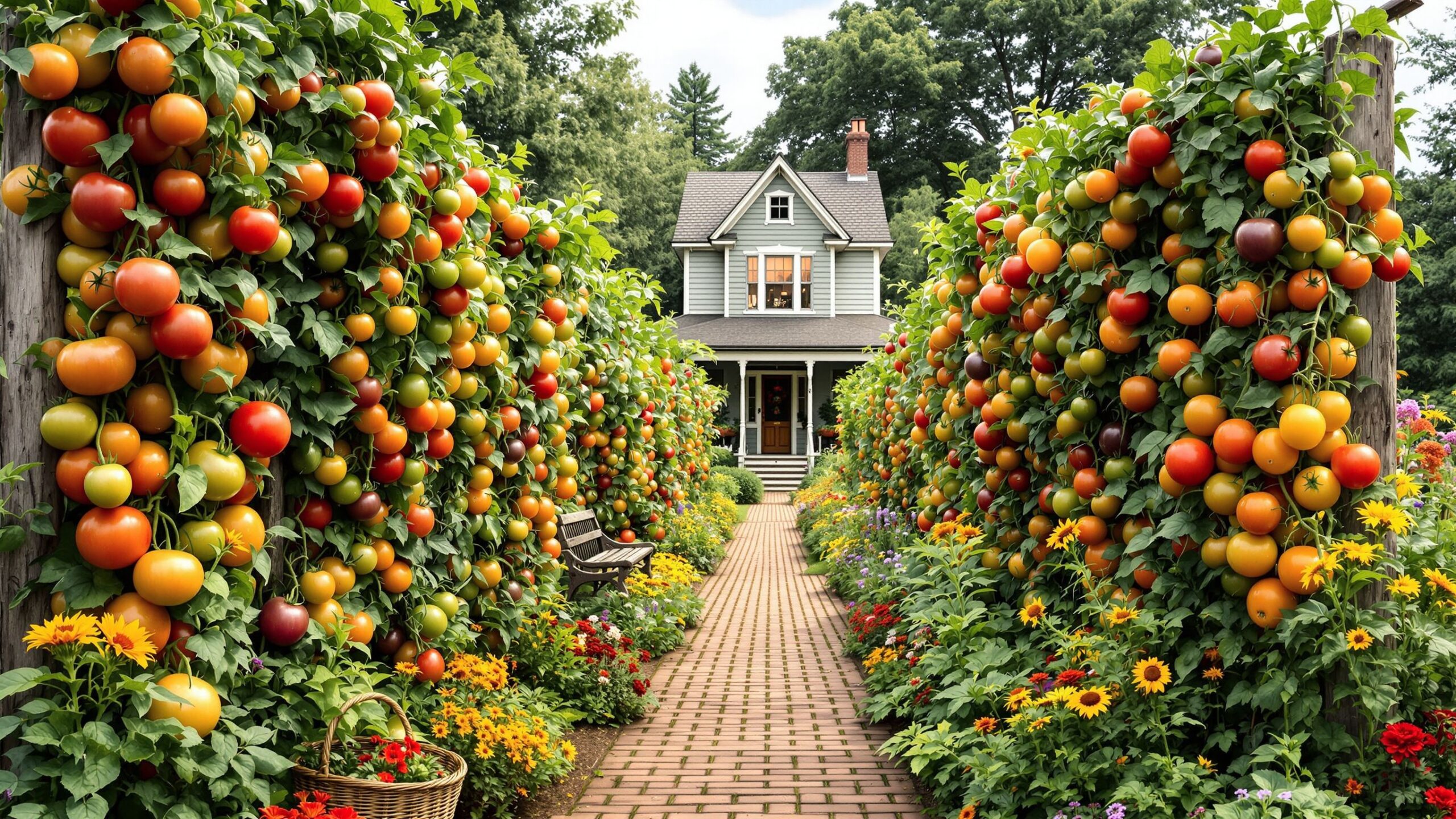
For many gardeners, heirloom tomatoes are the gateway into heirloom gardening. Their popularity comes partly from their extraordinary diversity. Heirloom tomatoes can be red, orange, yellow, green, purple, nearly black, striped, or multicolored. Some are tiny, while others produce enormous fruits. Their shapes can range from nearly perfect spheres to heavily ribbed and wonderfully irregular forms. Flavor is another major attraction. Because many older tomato varieties were selected for home gardens and local markets rather than long-distance transportation, qualities such as taste could remain extremely important. Modern commercial tomatoes may need to withstand harvesting, packing, shipping, storage, and supermarket display, whereas a backyard tomato can be selected primarily for the pleasure of eating it minutes after harvest.
Heirloom Vegetables Beyond Tomatoes
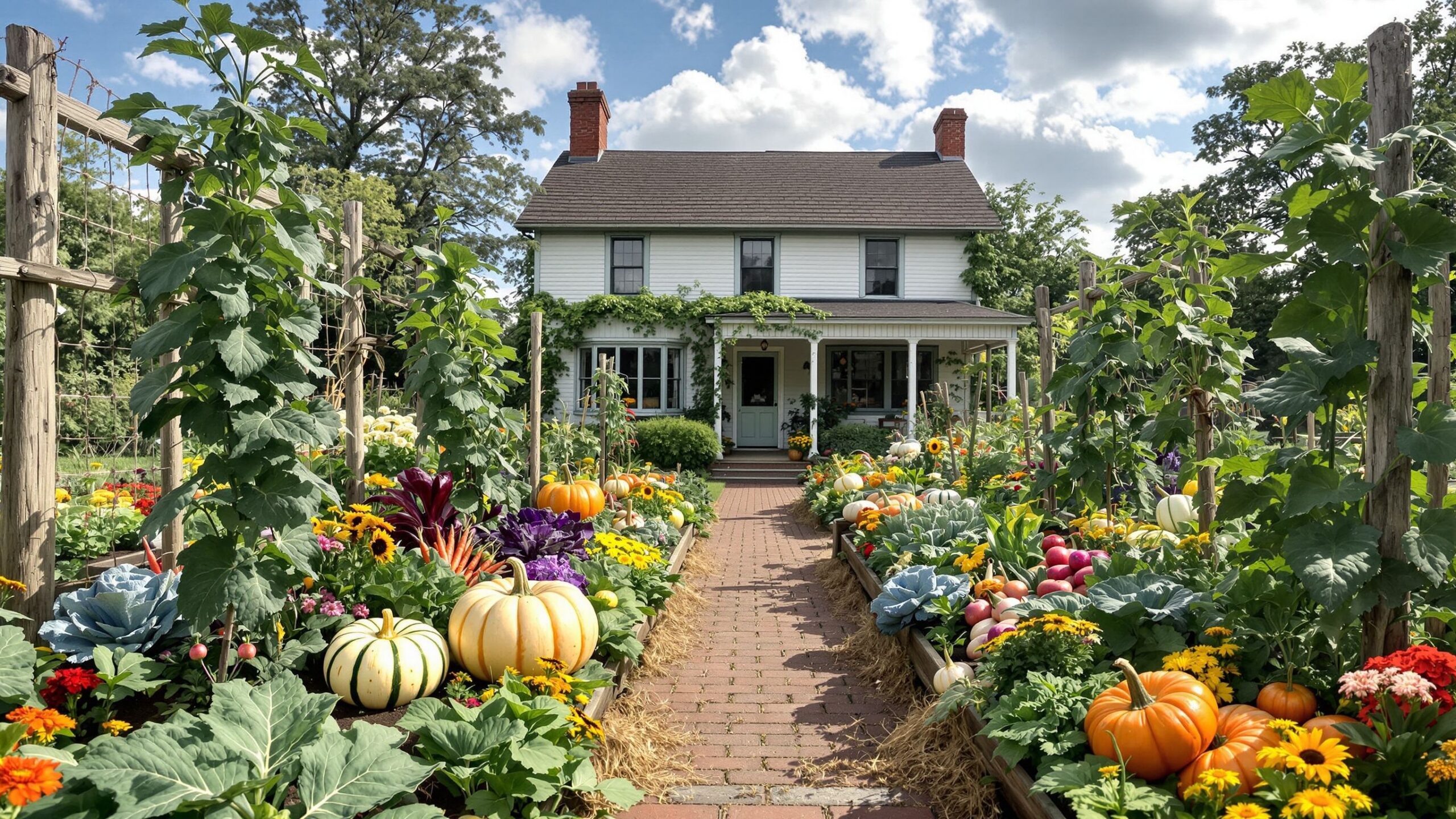
Tomatoes receive enormous attention, but the world of heirloom vegetables extends much further. Gardeners can discover historic beans, peas, carrots, cucumbers, lettuce, peppers, melons, squash, pumpkins, beets, radishes, cabbage, onions, and many other crops. Some varieties have distinctive colors or shapes rarely encountered in supermarkets. Others possess flavors associated with regional dishes or traditional cooking. Heirloom beans are particularly fascinating because dried seeds themselves can display beautiful patterns, spots, stripes, and colors. Historic squash and pumpkins can produce unusual textures and shapes, while old pepper varieties range from sweet and mild to intensely hot. Growing several heirloom crops can make a vegetable garden feel like an edible museum where every harvest tells part of a larger agricultural story.
Heirloom Flowers and the Forgotten Garden
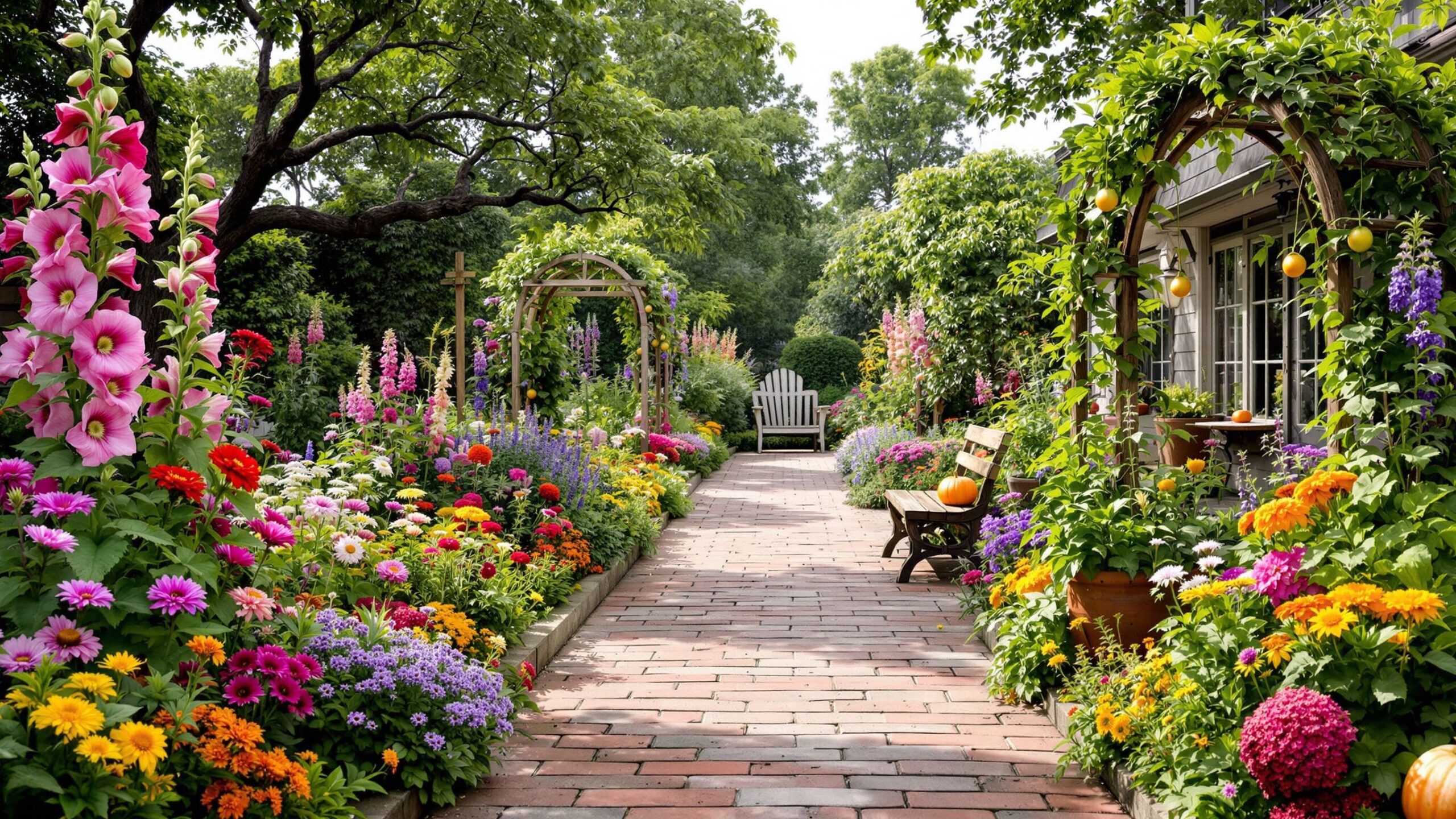
Heirloom gardening is not limited to food. Historic flowers offer another extraordinary connection to gardens of the past. Hollyhocks, sweet peas, foxgloves, peonies, irises, dahlias, cosmos, poppies, morning glories, zinnias, and many other flowers have varieties with long cultivation histories. Some old-fashioned flowers possess strong fragrances that may be less common in varieties bred primarily for other characteristics. Others have unusual colors, looser forms, or growth habits that create a romantic cottage-garden appearance. Growing heirloom flowers can help homeowners recreate the atmosphere of Victorian gardens, cottage landscapes, historic farmsteads, and traditional family gardens. They can also support seed-saving traditions by keeping older ornamental varieties in active cultivation.
Are Antique and Heirloom Roses the Same Thing?
Roses introduce additional terminology because gardeners frequently encounter phrases such as old garden roses, antique roses, heritage roses, and heirloom roses. These terms can overlap, but they are not always used identically. In general conversation, heirloom or antique roses usually refer to older varieties with significant historical cultivation. Some historic roses have been grown for centuries and are treasured for fragrance, flower form, growth habit, or cultural importance. Unlike many modern roses bred for repeated flowering and other contemporary garden traits, older roses may bloom differently or possess growth characteristics reflecting earlier breeding priorities. For gardeners interested in historic landscapes, these roses can become living links to the gardening traditions of previous centuries.
Why Heirloom Plants Can Look So Different
Walk through a garden filled with heirloom varieties and one thing quickly becomes apparent: uniformity is not always the goal. Fruits may be oddly shaped, flowers can display subtle variations, and vegetables might ripen at slightly different times. Modern commercial agriculture frequently rewards consistency because uniform produce is easier to harvest, package, transport, and sell. Home gardeners operate under different priorities. An unusually shaped tomato does not need to fit perfectly into a shipping container. A bean does not need to resemble every other bean on a supermarket shelf. This freedom helped preserve an astonishing diversity of colors, flavors, shapes, textures, and growth habits among heirloom plants.
Do Heirloom Plants Taste Better?
Claims that heirloom vegetables always taste better should be treated carefully because flavor is subjective and depends on the specific variety, growing conditions, ripeness, soil, weather, and harvesting methods. However, many heirloom varieties became famous specifically because gardeners valued their flavor. Homegrown produce also has the enormous advantage of being harvested when fully ripe. A tomato allowed to mature on the vine and eaten shortly after picking can offer a very different experience from one selected partly for transportation and shelf life. The best approach is experimentation. Grow several heirloom and modern varieties side by side and decide which flavors you prefer. Gardening allows individuals to choose based on taste rather than supermarket requirements.
Genetic Diversity and Why Old Varieties Matter
One of the most important reasons to preserve heirloom plants is agricultural diversity. When gardeners and farmers maintain many different varieties, they preserve a broader collection of genetic traits. Some plants may tolerate particular climates, soils, pests, diseases, or environmental conditions better than others. Not every historic variety will be useful for future breeding, but losing varieties permanently eliminates possibilities that cannot easily be recovered. Agricultural history contains countless examples of once-common crops becoming rare as commercial agriculture concentrates on fewer varieties. Seed banks, preservation organizations, farmers, and home gardeners all contribute in different ways to maintaining plant diversity.
What Does It Mean When a Variety Goes Extinct?
Plant extinction in agriculture can happen quietly. A family stops growing a bean that has been passed down for generations. A regional melon disappears when farmers switch to commercially popular varieties. An old flower vanishes because seed companies discontinue it and nobody saves seeds privately. Once the final viable seeds are gone, that cultivated variety may be impossible to recover. This is one reason heirloom seed preservation is so important. Every time gardeners successfully grow, save, and share a rare open-pollinated variety, they increase the chances that it will remain available for another generation.
How Heirloom Seeds Are Preserved
Preserving heirloom seeds requires more than placing a packet in a drawer indefinitely. Seeds remain living biological material, and their viability gradually decreases over time. Proper storage can extend their lifespan, but varieties eventually need to be grown again so fresh seed can be collected. Seed banks use controlled storage conditions to preserve genetic material for longer periods, while gardeners and seed-saving organizations maintain varieties through active cultivation. Different crops require different seed-saving techniques. Some plants self-pollinate readily, while others can cross with compatible varieties growing nearby. Gardeners who want to maintain a variety accurately must understand its pollination habits and use appropriate isolation or controlled pollination methods when necessary.
How to Start Growing Heirloom Plants at Home
Beginning an heirloom garden does not require replacing every plant you already grow. Start with a few varieties connected to foods, colors, flowers, or stories that interest you. Tomatoes are an easy starting point because so many heirloom varieties are available, but beans, lettuce, peas, peppers, squash, herbs, and flowers can be equally rewarding. Research each plant’s climate requirements and growing season before selecting seeds. An heirloom variety that performed beautifully for generations in one region may struggle somewhere with dramatically different weather. Whenever possible, explore varieties with histories connected to climates similar to your own. Local seed libraries, gardening groups, historical organizations, and reputable seed companies can be excellent places to discover varieties with regional significance.
How to Choose Heirloom Seeds
When purchasing heirloom seeds, look beyond the word “heirloom” printed on the package. Read the variety name and learn about its history. Reputable seed sellers often provide information about where a variety originated, approximately when it appeared, and what makes it distinctive. Check whether the seed is open-pollinated if you plan to save seeds for future seasons. Consider practical qualities as well, including days to maturity, plant size, climate preferences, disease susceptibility, and growing requirements. The most historically fascinating tomato in the world will not provide much enjoyment if your growing season ends weeks before its fruit can ripen. Choosing varieties suited to your garden creates a better chance of continuing their story successfully.
Saving Seeds for the Next Generation
Saving seeds is where heirloom gardening becomes especially meaningful. Instead of purchasing every plant anew each year, gardeners can participate directly in the preservation cycle. Seed-saving methods depend on the crop. Beans and peas are relatively approachable because seeds can mature and dry naturally on the plant. Tomatoes require extracting and properly preparing seeds before storage. Squash, cucumbers, corn, and other crops can cross-pollinate, making isolation more important when maintaining a specific variety. Always collect seeds from healthy, representative plants and label them carefully with the variety name and harvest year. Gardeners interested in preserving family history can also record who originally grew the variety, where it came from, how it was used, and any stories associated with it.
Creating an Heirloom Garden With Historical Character
An heirloom garden can become more than a collection of old plant varieties. Its overall design can celebrate gardening traditions of the past. Create informal beds filled with heirloom vegetables, herbs, and flowers rather than separating ornamental and edible plants completely. Allow climbing beans or sweet peas to grow on wooden trellises. Edge pathways with herbs and flowers. Incorporate weathered terracotta pots, natural stone, wooden garden structures, and simple benches. A mixture of vegetables, flowers, fruit, and herbs can create the atmosphere of a garden that has evolved gradually over generations. The objective is not to manufacture age artificially but to create a landscape where useful plants and beautiful plants grow together naturally.
Common Myths About Heirloom Plants
Heirloom plants sometimes attract exaggerated claims. They are not automatically organic, because “heirloom” describes the variety rather than the method used to grow it. They are not necessarily more nutritious than every modern variety, nor are they automatically easier to grow. Some heirlooms possess excellent disease resistance, while others may be vulnerable to problems modern breeders have worked to address. Likewise, heirlooms are not inherently superior to hybrids. Both have valuable roles in gardening and agriculture. The strongest reason to grow heirlooms is not because everything old is automatically better. It is because these plants preserve diversity, flavor, history, cultural knowledge, and gardening traditions that might otherwise disappear.
The Future of Heirloom Gardening
Ironically, the future of heirloom plants depends on people continuing to grow the past. Interest in home gardening, seed saving, local food, biodiversity, and cultural heritage has introduced new generations to varieties that might otherwise have disappeared. Online gardening communities also make it possible for gardeners to exchange knowledge and locate rare seeds more easily than previous generations could. Yet preservation still depends on active participation. Seeds stored in collections are important, but plants truly remain part of living culture when they continue growing in gardens, appearing in kitchens, producing flowers, and being shared between people. Every gardener who chooses an old variety becomes part of its continuing history.
Why Heirloom Plants Are More Than Just Old Seeds
What makes a plant an heirloom cannot be explained by age alone. Heirloom plants represent continuity. They connect modern gardeners with generations of people who planted, selected, harvested, cooked, admired, saved, and shared the same varieties. Some carry famous names and documented histories, while others survive because one family quietly refused to let them disappear. Together, they preserve an extraordinary record of human relationships with plants. Growing an heirloom tomato, bean, rose, flower, or fruit tree is therefore different from simply owning an antique. The history is alive. It grows, changes with the seasons, produces another generation, and depends on someone caring enough to continue the story. In a world where garden trends constantly change and commercial varieties come and go, heirloom plants remind us that one of the most meaningful things a gardener can grow is a connection between the past and the future.
Garden Product Reviews
Step into Mossy Streets’ Garden Product Reviews — your go-to guide for the best tools, gear, gifts, books, and garden gadgets rooted in nature. From blooming backyard beauties to lush indoor jungles, from heirloom seeds to high-tech composters, we dig into top-rated products for green thumbs, beginners, educators, and plant lovers alike. Whether you’re planting, pruning, decorating, or simply enjoying your green space, we’ve unearthed the best so you can grow, bloom, and thrive — all in one vibrant place!