There’s something magical about flowering bulbs. From the very first peek of green shoots pushing through winter’s chill to the vibrant bursts of color that brighten gardens in every season, bulbs offer an almost effortless way to keep your garden blooming all year long. For beginners, the idea of planning a garden that produces continuous color can feel intimidating, but flowering bulbs are nature’s gift to gardeners of every skill level. They’re reliable, surprisingly easy to grow, and endlessly versatile. Whether you have a sprawling backyard, a sunny balcony, or just a few containers on a patio, bulbs can turn your space into a living masterpiece. This ultimate guide will take you through everything you need to know about growing flowering bulbs year-round, from choosing the right varieties and planting them in the right season, to ensuring they thrive for years to come.
A: In fall, before the ground freezes.
A: Most prefer full sun to partial shade.
A: Hardy bulbs can stay; tender bulbs need lifting in winter.
A: After planting, water well; then only as needed until growth starts.
A: Well-draining soil enriched with compost.
A: Yes—forcing bulbs indoors is popular for winter blooms.
A: Typically 2–3 times their height.
A: Many varieties naturalize and spread over time.
A: Yes—just ensure good drainage.
A: Absolutely—easy to plant and rewarding to grow.
Understanding the Magic of Bulbs
Before diving into planting schedules and care routines, it’s important to understand what makes bulbs unique. A bulb is not just a seed—it’s a self-contained energy package that stores everything a plant needs to grow and bloom. Tucked inside are the roots, stems, and leaves in miniature, along with nutrient reserves that fuel its initial growth. This means bulbs don’t need constant tending like some other plants; they’re built to burst into life almost independently. Bulbs are generally categorized into four main groups: true bulbs (like tulips and daffodils), corms (such as gladiolus), rhizomes (including irises), and tubers (like dahlias and begonias). While each type has its own quirks, all share the same benefit of being pre-programmed by nature to flower with minimal fuss.
Planning for Year-Round Blooms
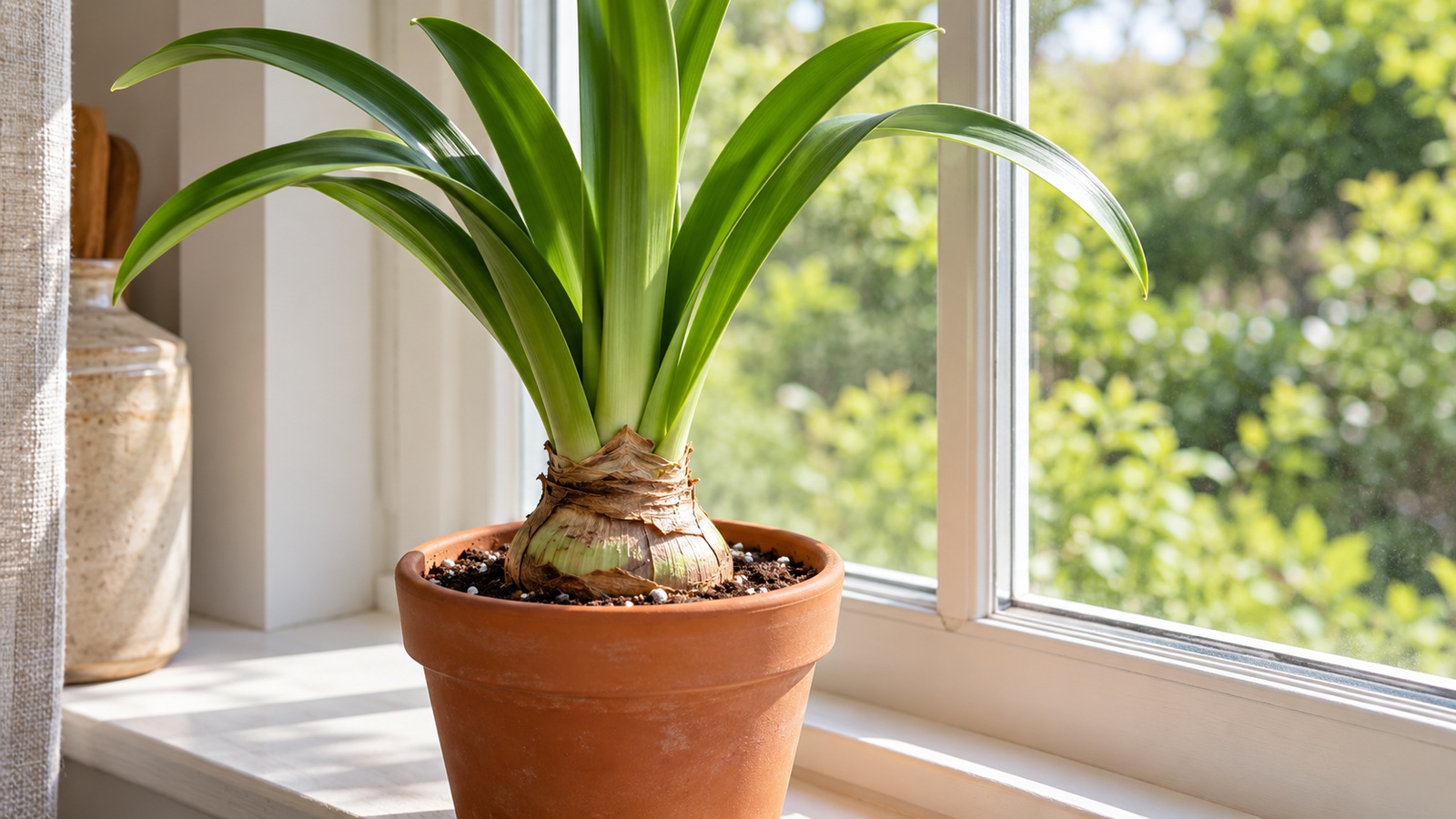
The secret to enjoying flowering bulbs year-round lies in strategic planting. Bulbs bloom in different seasons depending on their species, which means you can create a rotating display of color if you plan carefully. Spring bulbs, such as tulips, daffodils, and hyacinths, need to be planted in the fall so they can experience a period of winter chill before emerging in early spring. Summer bloomers, including lilies, gladiolus, and alliums, are typically planted in spring once the risk of frost has passed. For late summer into fall, dahlias, autumn crocuses, and colchicums take the stage. Even in the coldest months, certain bulbs—like amaryllis and paperwhites—can be forced indoors to provide bursts of color when the outdoor garden is dormant. By overlapping planting and bloom times, you can create a seamless display of flowers throughout all four seasons.
Choosing the Right Bulbs for Your Climate
One of the most important steps in growing flowering bulbs is selecting varieties suited to your climate. While some bulbs, like tulips, thrive in cooler regions, others, such as calla lilies, prefer warmer zones. The USDA Hardiness Zone Map is a helpful tool for determining which bulbs will flourish in your area. In colder climates, spring-flowering bulbs that require a chilling period do especially well, while in warmer regions, tropical bulbs like canna lilies and caladiums are ideal. If you live in an area with extreme temperatures, you can still enjoy bulbs year-round by using containers that can be moved indoors or by chilling bulbs artificially in your refrigerator before planting. Matching your bulb choices to your local conditions will help ensure healthy growth and vibrant blooms.
The Art of Planting Bulbs
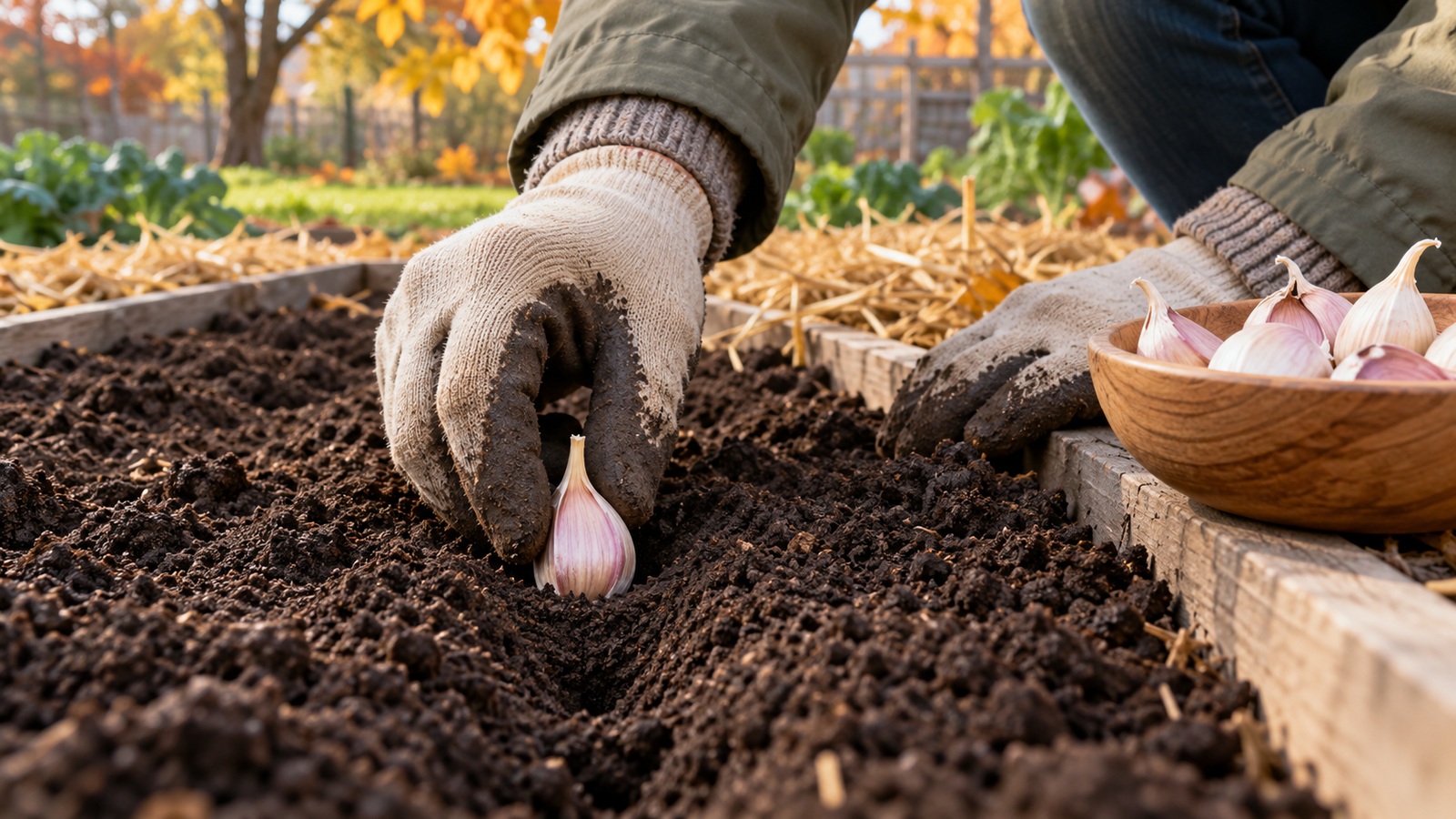
Planting bulbs is part science, part art. The most common rule of thumb is to plant bulbs two to three times as deep as their height. For example, if a bulb is two inches tall, it should be planted four to six inches deep. Planting too shallowly can leave bulbs vulnerable to weather fluctuations, while planting too deeply may hinder their emergence. Always plant with the pointed end facing upward and the flat side (where roots emerge) facing down. For group plantings, cluster bulbs in odd-numbered groupings for a more natural look. In containers, pack bulbs closer together than in garden beds for a lush, overflowing display. Adding a layer of mulch after planting will help retain moisture and regulate soil temperature, giving bulbs the best possible start.
Soil Preparation for Long-Lasting Blooms
Healthy bulbs begin with healthy soil. Most flowering bulbs prefer well-drained soil rich in organic matter. Heavy clay soils can cause bulbs to rot, while sandy soils may drain too quickly, leaving them without enough moisture. A simple soil amendment of compost or well-rotted manure will boost fertility and improve drainage. Before planting, loosen the soil to a depth of about 12 inches to give roots room to grow. Adding a balanced, slow-release bulb fertilizer at planting time will provide essential nutrients for root development and future blooms. For gardeners planting in containers, use a high-quality potting mix rather than garden soil, as it will provide better drainage and aeration.
Watering and Feeding Your Bulbs
While bulbs are relatively low-maintenance, consistent watering is crucial during their active growth period. Newly planted bulbs need regular moisture until they are established, but overwatering can lead to rot. As a general rule, water deeply once a week during dry periods, allowing the soil to dry slightly between waterings. Feeding bulbs at the right time also encourages strong growth and abundant blooms. For spring-flowering bulbs, apply a bulb-specific fertilizer when shoots first appear and again after flowering to replenish nutrients for the following year. Summer and fall bulbs should be fed at planting time and periodically during the growing season to support continuous blooming.
Caring for Bulbs After Bloom
One of the biggest mistakes beginners make is cutting back foliage too soon after flowering. While the blooms may be gone, the leaves are still working hard to photosynthesize and store energy for the next year’s flowers. Allow foliage to yellow and wither naturally before removing it. For bulbs grown in containers, this post-bloom care is even more important, as they rely entirely on stored nutrients. Once the foliage has died back, you can either leave hardy bulbs in the ground to naturalize or dig them up for storage in a cool, dry place until the next planting season. Tender bulbs that can’t survive frost should be lifted, cleaned, and stored indoors over winter.
Forcing Bulbs for Indoor Blooms
One of the most delightful aspects of bulb gardening is the ability to enjoy blooms indoors during the winter months. Forcing bulbs involves simulating the seasonal conditions they need to flower. This usually means giving spring bulbs like tulips, hyacinths, and crocuses a chilling period in a refrigerator before planting them in pots. After chilling, move them to a bright, warm spot, and they’ll bloom weeks or months ahead of their normal schedule. Amaryllis and paperwhites don’t require chilling and can be planted indoors at any time for a dramatic burst of color. Forcing bulbs is an especially rewarding project for beginners, as it brings a touch of spring to even the coldest winter days.
Protecting Bulbs from Pests and Diseases
While bulbs are generally resilient, they are not immune to pests and diseases. Common challenges include squirrels and voles digging up bulbs, fungal diseases like botrytis, and bulb rot from poor drainage. To deter digging animals, you can cover newly planted areas with chicken wire or plant bulbs beneath a layer of sharp gravel. Choosing disease-resistant varieties and avoiding overcrowding will also reduce the risk of problems. Inspect bulbs before planting to ensure they are firm and free from mold or soft spots. Healthy bulbs, planted in the right conditions, will resist most pests and diseases naturally.
Creating Stunning Displays with Bulbs
Beyond the practicalities of planting and care, growing bulbs offers limitless opportunities for creativity. You can design entire garden beds around color themes, mix early- and late-blooming varieties for extended displays, or layer bulbs in containers for a “lasagna” effect where different flowers emerge in succession. Bulbs also pair beautifully with perennials, annuals, and ornamental grasses, adding texture and variety to your garden. For the most dramatic impact, plant bulbs in drifts or clusters rather than in straight lines. This approach mimics nature’s randomness and creates a more organic, visually appealing display.
Extending the Bloom Season with Succession Planting
Succession planting is the practice of staggering planting times or using multiple varieties with different bloom periods to ensure continuous color. With bulbs, this could mean planting early, mid-season, and late-blooming tulips together, or following up spring daffodils with summer gladiolus and fall colchicums. This strategy not only keeps your garden vibrant longer but also maximizes the use of your planting space. By understanding the natural rhythms of different bulb species, you can choreograph a floral display that never misses a beat.
The Joy of Collecting and Experimenting
Once you’ve mastered the basics of growing bulbs, you may find yourself becoming a collector. There are thousands of bulb varieties available, from classic favorites to rare and unusual specimens. Experimenting with new colors, shapes, and bloom times keeps gardening exciting and ensures that your displays are always fresh and unique. Don’t be afraid to try bulbs you’ve never heard of before—some of the most stunning garden surprises come from stepping outside the familiar.
Growing Flowering Bulbs Year-Round: A Rewarding Journey
Gardening with bulbs is a journey that blends patience, anticipation, and pure joy. From the quiet act of planting in autumn to the thrill of seeing the first green shoots in spring, every stage offers its own reward. By learning the rhythms of the seasons, understanding the needs of different bulb types, and planning strategically, even a beginner can create a garden that blooms in every month of the year. Flowering bulbs are nature’s way of proving that great beauty can come from small beginnings, and once you experience their magic, they’re sure to become an essential part of your gardening life.
Garden Product Reviews
Step into Mossy Streets’ Garden Product Reviews — your go-to guide for the best tools, gear, gifts, books, and garden gadgets rooted in nature. From blooming backyard beauties to lush indoor jungles, from heirloom seeds to high-tech composters, we dig into top-rated products for green thumbs, beginners, educators, and plant lovers alike. Whether you’re planting, pruning, decorating, or simply enjoying your green space, we’ve unearthed the best so you can grow, bloom, and thrive — all in one vibrant place!