Few flowers have the power to stop you in your tracks like tulips in full bloom. Their rich colors, elegant shapes, and sheer variety make them a beloved choice for gardeners worldwide. From classic reds and yellows to exotic fringed and parrot varieties, tulips can transform a garden from ordinary to breathtaking with little more than thoughtful planning and a bit of care. The secret to a jaw-dropping tulip display begins months before the first bloom appears—in the crisp days of autumn, when the bulbs are quietly planted beneath the soil. In this ultimate guide, we’ll walk you through everything you need to know about planting tulip bulbs for a spring display so dazzling, it becomes the highlight of your gardening year.
A: In fall, 6–8 weeks before the ground freezes.
A: About 6–8 inches deep.
A: Some do, but many are replanted annually for best blooms.
A: Use mesh bulb cages or plant with daffodils.
A: Yes, but protect them from deep freezes.
A: Yes, use a bulb-specific fertilizer.
A: Bulbs may freeze or get eaten by pests.
A: Absolutely—pair with hyacinths or muscari for layered color.
A: Typically 1–2 weeks per variety.
A: No, they need well-draining soil to avoid rot.
Understanding Tulips: A Flower of Elegance and History
Tulips are far more than just a springtime staple; they’re a flower steeped in history, culture, and artistry. Originating in Central Asia and cultivated in the Ottoman Empire, tulips made their way to Europe in the 16th century, where they sparked an obsession so intense it led to “Tulip Mania” in the Netherlands. Today, there are over 3,000 registered tulip varieties, grouped into different categories based on bloom time, flower shape, and height. This diversity allows gardeners to mix and match varieties for an ever-changing tapestry of color throughout the spring season. Whether you love the simple charm of single early tulips or the bold drama of double late blooms, there’s a tulip to suit every taste and garden style.
Choosing the Perfect Tulip Bulbs for Your Display
The journey to a spectacular tulip display begins with selecting high-quality bulbs. Look for bulbs that are firm, plump, and free from mold or soft spots. Bigger bulbs typically produce stronger stems and larger flowers, so don’t be tempted by bargain-bin prices if it means sacrificing quality. Consider planting a mix of early, mid-season, and late-blooming varieties to extend the tulip season by several weeks. For bold, cohesive displays, stick to a single color or two complementary shades. For a more naturalized, meadow-like effect, choose a blend of colors and shapes that will bloom in waves, creating layers of beauty throughout spring.
Timing Your Planting for Maximum Impact
Timing is everything when it comes to tulip planting. Tulip bulbs need a prolonged period of cold temperatures to stimulate flowering, which is why they’re planted in the fall—before the ground freezes, but after the heat of summer has passed. In most regions, this means planting tulips in late September through November. The goal is to give bulbs enough time to establish roots before winter sets in, without encouraging premature sprouting. In warmer climates where winter chill is minimal, tulip bulbs can be pre-chilled in the refrigerator for 10 to 12 weeks before planting to mimic natural winter conditions.
Preparing the Soil for Healthy Tulip Growth
Tulips thrive in well-drained soil rich in organic matter. Heavy clay soil can lead to bulb rot, while overly sandy soil may drain too quickly, depriving bulbs of the moisture they need. To create the perfect growing environment, start by loosening the soil to a depth of 12 to 15 inches and removing rocks or debris. Mix in compost or well-rotted manure to improve fertility and structure. Tulips prefer a slightly acidic to neutral pH, ideally between 6.0 and 7.0. If drainage is a concern, consider planting tulips in raised beds or amending the soil with coarse sand or grit to prevent waterlogging.
The Art of Planting Tulip Bulbs
Planting tulips correctly is the key to a show-stopping display. A common rule of thumb is to plant bulbs at a depth of two to three times their height. For most tulip bulbs, this means digging holes six to eight inches deep. Place each bulb with the pointed end facing upward and the root base downward. Space bulbs about four to six inches apart to allow room for growth while still creating a lush, full look when they bloom. For a dramatic impact, plant tulips in clusters or drifts rather than in straight lines, which can appear overly formal. In containers, bulbs can be packed more closely together to create dense, eye-catching arrangements.
Layering for Continuous Blooms
For gardeners seeking an extra wow factor, the “lasagna” planting method offers a clever way to extend tulip displays. This involves layering different types of bulbs in the same planting area, with the largest and latest-blooming bulbs at the bottom, and smaller, earlier bloomers closer to the surface. For example, you might plant late-season Darwin hybrid tulips beneath mid-season Triumph tulips, topped with early-blooming crocuses or grape hyacinths. As each layer finishes blooming, the next emerges, ensuring your garden remains vibrant for weeks on end.
Watering and Feeding for Strong Blooms
Tulip bulbs need consistent moisture after planting to establish strong roots, but they should never sit in soggy soil. Water deeply after planting, then monitor rainfall throughout fall. During dry spells, water every week or two until the ground freezes. In spring, resume watering once shoots appear, especially if rainfall is scarce. For best results, feed tulips with a balanced, slow-release bulb fertilizer at planting time, then again when foliage emerges in spring. Avoid high-nitrogen fertilizers, which can encourage leafy growth at the expense of flowers.
Protecting Tulips from Pests and Harsh Weather
Tulips are irresistible to many garden pests, particularly squirrels, voles, and deer. To protect your investment, consider covering newly planted beds with chicken wire or mesh until the ground freezes. Mixing tulips with bulbs that pests tend to avoid—such as daffodils or alliums—can also deter hungry visitors. In areas with unpredictable spring weather, sudden frosts can damage delicate blooms. Keeping frost blankets or cloches on hand allows you to shield plants during cold snaps and preserve your display.
Caring for Tulips After Bloom
Once tulips have finished flowering, resist the urge to cut back their foliage immediately. The leaves continue to photosynthesize, storing energy in the bulbs for next year’s growth. Allow the foliage to yellow and die back naturally before removing it. Deadheading spent flowers promptly can prevent the plant from diverting energy into seed production, ensuring stronger bulbs for the following season. In regions where tulips don’t perennialize well, treat them as annuals and replant fresh bulbs each fall for the most vibrant displays.
Using Tulips in Garden Design
Tulips offer endless design possibilities, whether planted en masse for a dramatic sweep of color or combined with perennials, annuals, and ornamental grasses for layered interest. Early tulips pair beautifully with pansies and violas, while mid- and late-season varieties look stunning alongside forget-me-nots, wallflowers, and spring-flowering shrubs. For containers, mix tulips with trailing plants like ivy or sweet alyssum to soften edges and add texture. In formal gardens, symmetrical tulip beds create striking focal points, while in cottage gardens, scattered drifts lend a more relaxed, natural charm.
Forcing Tulips Indoors for Winter Beauty
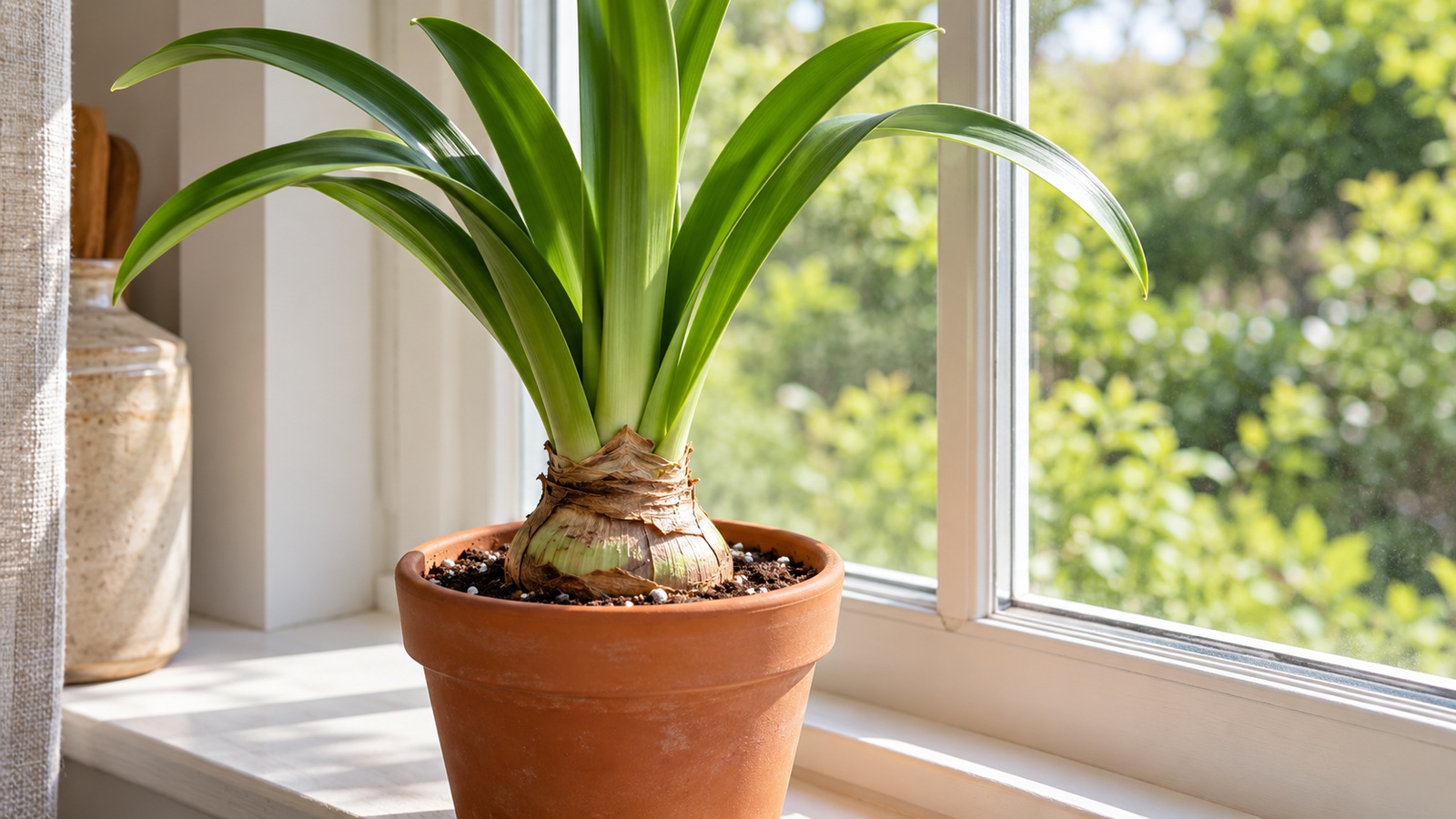
One of the joys of tulip gardening is that you don’t have to wait until spring to enjoy their beauty. Forcing tulips indoors allows you to enjoy fresh blooms in the heart of winter. By chilling bulbs in the refrigerator for 12 to 14 weeks, then planting them in pots and placing them in a sunny window, you can bring a burst of spring to your home long before your outdoor garden awakens. This is a wonderful way to brighten cold, gray months and enjoy the satisfaction of your own flowers during winter.
Troubleshooting Common Tulip Problems
Even with the best care, tulips can sometimes fail to thrive. Common issues include stunted growth from poor soil drainage, fungal diseases such as botrytis, and bulbs that produce leaves but no flowers. Many of these problems can be avoided with proper site selection, healthy bulbs, and good planting practices. If your tulips consistently underperform, consider rotating planting locations each year to prevent disease buildup and experimenting with different varieties better suited to your climate.
The Joy of a Show-Stopping Spring Display
Planting tulip bulbs is more than just a gardening task—it’s an act of anticipation. Each bulb holds the promise of beauty, color, and renewal. As the first blooms unfurl in spring, they reward your patience with a dazzling spectacle that lifts spirits and turns heads. Whether you fill your garden with bold single colors, intricate multi-colored patterns, or a tapestry of mixed varieties, tulips have the power to transform any outdoor space into a masterpiece. By choosing quality bulbs, planting them at the right time and depth, and giving them the care they need, you’ll be rewarded with a tulip display so breathtaking, it becomes the highlight of your gardening year.
Garden Product Reviews
Step into Mossy Streets’ Garden Product Reviews — your go-to guide for the best tools, gear, gifts, books, and garden gadgets rooted in nature. From blooming backyard beauties to lush indoor jungles, from heirloom seeds to high-tech composters, we dig into top-rated products for green thumbs, beginners, educators, and plant lovers alike. Whether you’re planting, pruning, decorating, or simply enjoying your green space, we’ve unearthed the best so you can grow, bloom, and thrive — all in one vibrant place!