
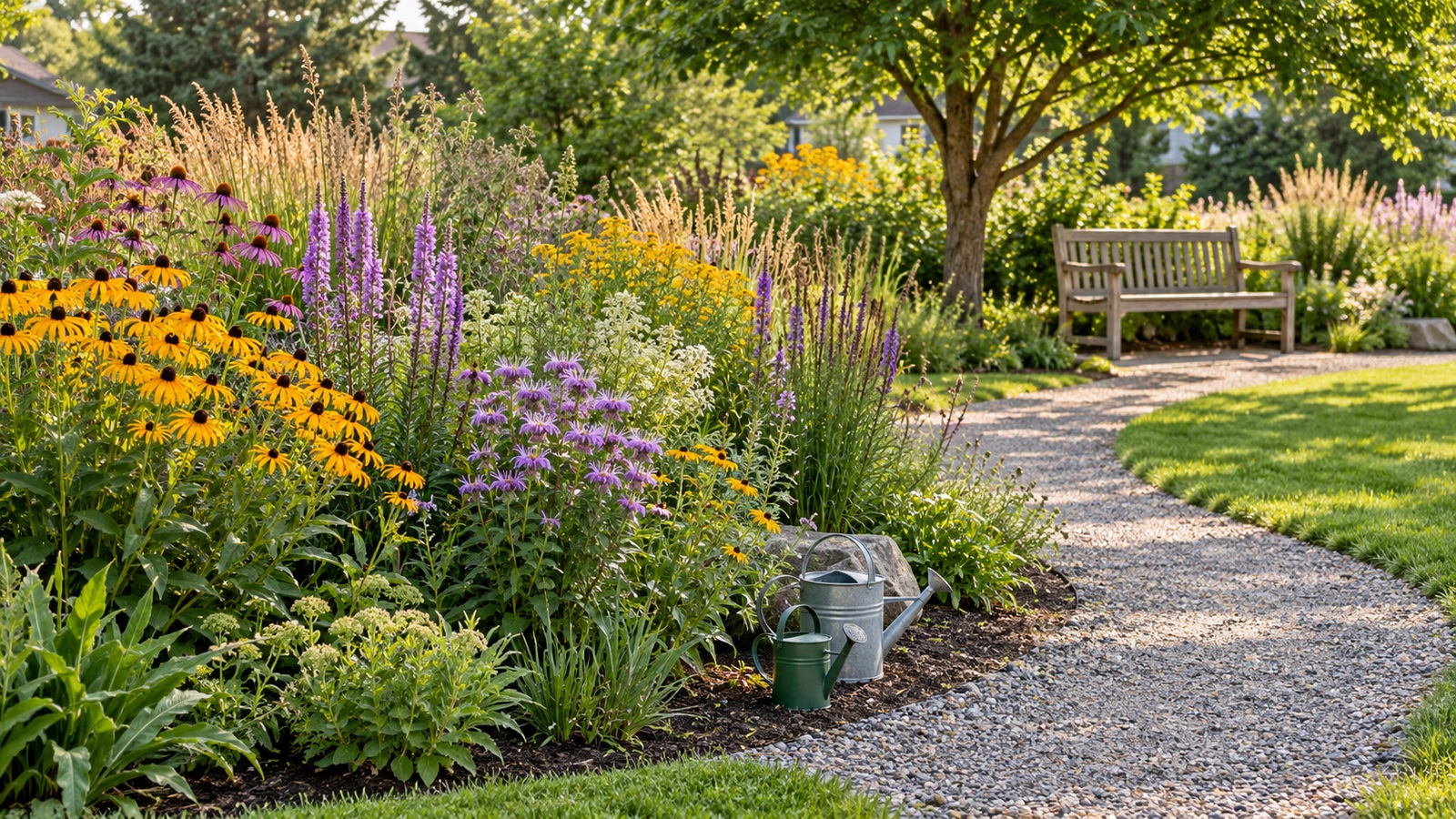
Build a Shared Garden Around a Shared Commitment
A community wildflower garden begins with people deciding what they can care for together. The flowers may become the most visible part, but permission, practical access, a suitable site, and a lasting maintenance arrangement determine whether the project survives beyond its first planting day. Start with a clear purpose: a neighborhood learning space, a native-pollinator bed, a welcoming public corner, or another goal the group can explain and support. Then match the scale to the available time, budget, and site conditions. A modest well-maintained planting can build confidence and invite participation more effectively than a large meadow installed without a care plan. Choose regionally appropriate plants and make the developing garden understandable to both volunteers and everyday users of the space. The strongest beginning combines enthusiasm with a few clear responsibilities, so the project becomes a shared place that continues to grow rather than a one-time event followed by confusion about who is supposed to look after it.
A: Agree on the project's aim, authorized location, manageable initial size, and the people responsible for care beyond planting day.
A: No, obtain appropriate authorization from the responsible landowner or site organization before altering an apparently unused public planting area.
A: Individual species may be nonnative, unsuitable, or aggressive, undermining the agreed garden aim despite an attractive packet photograph.
A: Not reliably; existing vegetation usually needs appropriate preparation before the selected wildflowers can establish under their required growing conditions.
A: Plugs offer clearer starting identities and deliberate placement where the community budget supports those benefits for the proposed bed.
A: Maintain clear edges and accessible routes, adding a brief explanation that helps visitors recognize the young bed's establishment stage.
A: Assign the next watering, inspection, and maintenance responsibilities so the planting event leads directly into an organized care routine.
A: No, use guidance matched to species, planting type, local conditions, and establishment stage rather than one universal mowing calendar.
A: Maintain shared records, defined responsibilities, and a coordinator succession arrangement so continuing care survives changes in volunteer involvement.
A: Expand when the existing area is healthy and the group has practical capacity to support the additional continuing maintenance.
Agree on the Purpose Before Choosing the Flowers
Bring the interested group together around a specific aim and an achievable initial area. A habitat project may prioritize locally native species and seasonal resources, while a demonstration bed might emphasize learning and identification. A public gathering space also needs comfortable routes and an appearance that fits its everyday use. Write a short description of what success will look like after the first season and after several years. This helps distinguish essential decisions from attractive additions that the group cannot yet maintain.
Discuss how the garden will serve people who are not active volunteers. Nearby residents, site users, and maintenance staff may have practical concerns about access, visibility, plant height, or the appearance of dormant stems. Listen early rather than assuming flowers will resolve every disagreement. A clear purpose makes it easier to explain why the area will look different through the seasons. It also helps the group decide whether a planted border, a small demonstration area, or a larger meadow is the right form for the site.
Secure Site Permission and Clarify Responsibilities
Identify the landowner or responsible site organization and obtain appropriate permission before altering the ground. Clarify the area included, the intended use, and who can authorize later changes. Check applicable local requirements through the relevant authority rather than relying on a general online summary. These may concern vegetation height, visibility near roads, utilities, accessibility, or other site-specific matters. Do not purchase a large quantity of plants before knowing that the proposed project can occupy and maintain the space.
Document practical responsibilities in a form the group and site manager can use. Establish who coordinates volunteers, handles purchases, arranges water, and communicates with maintenance workers. Agree on how the garden will be managed if the initial organizer becomes unavailable. Shared enthusiasm can fade when every task depends on one person. A small team with clear roles gives the project continuity and makes it easier for new participants to join without guessing what authority or support they have.
Check existing infrastructure and constraints before digging. Locate utilities through the appropriate local process, assess access for deliveries and tools, and identify any restrictions on soil disturbance or water use. For sites with an uncertain history, seek suitable advice about soil testing and use rather than assuming all urban ground is ready for planting. The relevant checks depend on the actual site. Completing them early protects the project from avoidable redesign and gives volunteers a clear working area on planting day.
Assess Light, Soil, and Water Across the Proposed Area
Observe sunlight through the day and consider how neighboring trees or buildings change exposure seasonally. Check drainage, soil condition, slope, and existing vegetation before selecting species. A wet low point and a dry elevated edge may need different plants even within a small site. Identify a practical source of establishment water and how it will reach the bed. Regionally native plants still require a suitable growing environment and often need care while young. Site assessment lets the planting plan respond to real conditions instead of a generic wildflower image.
Start at a Scale the Volunteers Can Maintain
Estimate the work required for preparation, planting, watering, early weeding, and later seasonal management. Compare that work with the number of dependable volunteers and the time they can actually contribute. A compact first phase can serve as a pilot, revealing how the site behaves before the group expands. Leave room for growth in the overall plan without installing every area at once. The project becomes more credible when the first bed remains healthy and visibly cared for.
Build a budget that includes more than plants and seed. Depending on the site, preparation, water access, tools, edging, accessible routes, and replacement material may all matter. Use realistic local costs and keep an allowance for unexpected needs. Donations can help, but an unsuitable donated plant should not dictate the habitat plan. Decide who approves spending and how records will be kept. Clear financial organization reduces misunderstanding and makes it easier to explain what further support would achieve.
Choose a simple layout with reachable planting areas and clear boundaries. A maintained edge can signal intention while the young wildflowers are still sparse. Keep paths and sightlines suitable for everyday users, and follow appropriate accessibility guidance for shared public spaces. Consider how a person will water, weed, or inspect the center without trampling plants. Practical design can be modest and attractive. It should support the group through routine work as well as create a pleasant photograph on launch day.
Select Regional Plants and Inspect Seed Mixes Carefully
Use local extension, native-plant organizations, or other reliable regional resources to identify suitable species. Plan a flowering sequence and include growth forms that fit the intended bed or meadow. Check mature height, spread, moisture needs, and behavior alongside neighboring plants. Native status is geographical, and a species native elsewhere may not meet the project's local goal. Keep a record of botanical names so the group can identify seedlings and make accurate replacements later.
Read every species in a commercial wildflower mix instead of buying by the picture on the packet. Some mixes contain nonnative annuals, aggressive plants, or species unsuited to the site's conditions. A colorful first-year display may not develop into the intended long-term community habitat. Ask about seed identity, provenance where relevant, and supplier guidance for establishment. A carefully chosen regional mix or deliberate selection of individual species can be more useful than a broad product whose components remain unknown.
Choose Seed, Plugs, or a Combination for a Reason
Seed can cover a larger area economically, but successful establishment depends on preparation, timing, species requirements, and continuing management. Plugs or small plants offer clearer initial placement and can help volunteers recognize the intended species, though they cost more per area and still need establishment care. A combination may suit a demonstration garden with visible planted groups and a seeded section. Choose according to the site's needs and the group's capabilities rather than assuming one method is always easier. Seek local guidance for the actual plant selection and planting season.
Prepare Thoroughly and Make Planting Day Easy to Follow
Address competing vegetation before sowing or planting using a method appropriate to the site, permissions, and project goals. Simply scattering seeds over established grass rarely produces the deliberate native planting imagined by a packet photograph. Preparation may take longer than the public planting event, so explain that phase in the timeline. Avoid unnecessary soil disturbance and follow reliable advice for the chosen method. The goal is a suitable establishment surface, not a rushed transformation carried out because volunteers have arrived with seed.
Arrange materials and instructions before the group gathers. Mark paths and planting groups, organize plants by identity, and provide a clear demonstration of the planting method. Designate someone to answer practical uncertainties and make decisions during the session. Tools and water should be available in the right places rather than shared through a confusing queue. Invite participation at different levels, including tasks that do not require heavy physical work. A well-organized day helps newcomers contribute successfully and protects the planting from accidental mistakes.
Record what was installed and where, including substitutions made during the event. Photographs and a simple planting map can help later volunteers distinguish intended plants from weeds. Keep labels or supplier details securely with the project records even if the bed uses only a few public signs. Make sure the site is left accessible and tidy enough for ordinary use. Before everyone leaves, confirm who will perform the next watering and inspection tasks. The garden's first maintenance appointment should be as concrete as its planting date.
Plan the First-Year Care Before the Celebration Ends
Early watering and weed management often determine whether the young planting becomes established. Set responsibilities that reflect actual soil moisture, weather, and species needs rather than a schedule detached from conditions. Teach volunteers to recognize the planted seedlings and common local weeds before they remove growth. Inspect from clear working routes to avoid trampling the bed. A native garden may become less demanding once mature, but low-maintenance should never be interpreted as no attention during establishment.
Agree on seasonal management with knowledgeable local guidance. Some meadow plantings need timed cutting during establishment or later care, while smaller beds may be managed differently. Do not apply one mowing routine to every wildflower project. Consider flowering, seed development, wildlife activity, and the site's public use when planning work. Communicate the agreed routine to whoever maintains adjacent lawn or landscape areas. A clear maintenance boundary helps prevent the entire project being cut down by someone trying to tidy the property.
Make Participation and Long-Term Learning Part of the Garden
Offer simple ways for people to stay involved after planting: seasonal observations, small care sessions, plant identification, or photographs from consistent viewpoints. Share accurate information about what is growing and why the garden changes through the year. A concise sign or project page can explain deliberate dormant stems or a developing first-year bed. Avoid promising immediate dense flowers or a fixed number of pollinator species. The educational value includes understanding establishment and seasonal change, not only celebrating the brightest moment.
Review the project with both volunteers and the site manager after the first season. Compare survival, flowering, workload, access, and community response with the original aims. Identify a few specific improvements rather than expanding automatically. A species mismatch may call for replacement, while a care gap may require clearer responsibility instead of more plants. Keep decisions and records available to the next coordinator. Continuity matters because community gardens often outlast the people who first organized them.
Expand when the existing area is healthy and the group can support the added work. A successful small garden can demonstrate the value of further planting more convincingly than a broad struggling area. Preserve permission, regional plant identity, practical access, and shared care as the project grows. The flowers will change from season to season, but the commitment behind them can remain clear. That combination turns a community wildflower garden into a lasting shared resource for learning, habitat, and everyday enjoyment.
Use Local Meadow and Establishment Guidance
Review extension guidance on meadow planting with resources appropriate to your region. Compare practical tools in Garden Product Reviews.


