Build a Summer Border Around Bold Canna Foliage
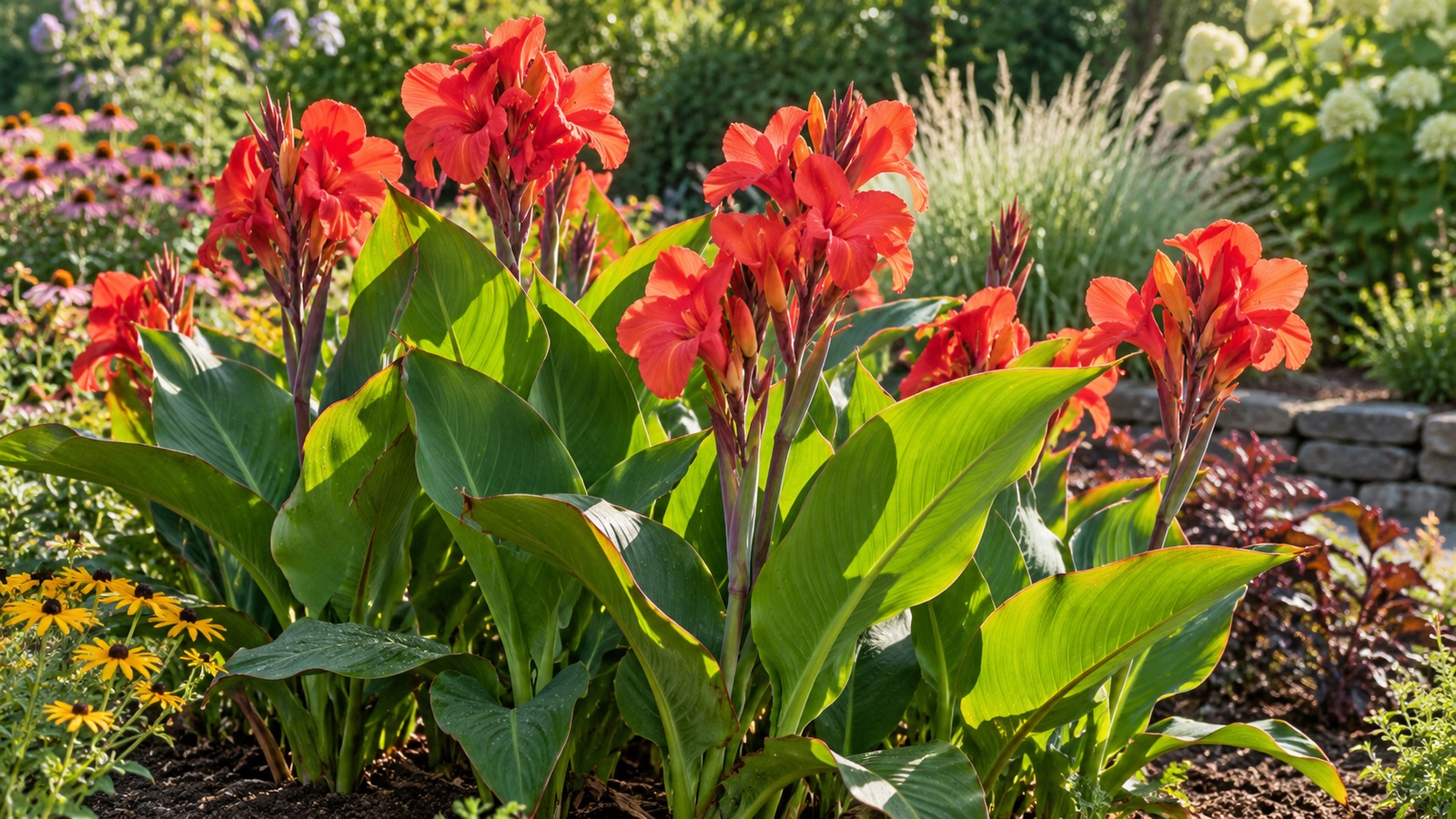
A canna can change the scale of a garden long before its first flower opens. Broad leaves rise from sturdy stems, filling a sunny corner with a lush silhouette that small bedding plants cannot provide. Although gardeners often group cannas with summer bulbs, their underground storage structures are rhizomes: thick horizontal stems that carry buds for new growth. Warm weather encourages their dramatic seasonal development, but heat alone does not produce a healthy planting. Cannas need adequate light, moisture, nutrients, and room, and their winter treatment depends on the local climate. Choosing a suitable cultivar and planning for its mature size make the difference between an intentional tropical accent and an overcrowded patch. Whether you grow one specimen in a large container or repeat clumps through a border, treat the plant as a living combination of foliage, flowers, and underground growth rather than a decorative object that can be placed anywhere.
A: They are rhizomes, or underground stems, although nurseries commonly group cannas with other summer bulbs.
A: No, check both frost risk and soil warmth before placing tender shoots or dormant rhizomes outdoors.
A: No, ordinary garden cannas need drainage; specialized water-garden selections require guidance specific to their identity.
A: Large colored leaves provide scale and interest between flower flushes, making foliage central to the summer design.
A: No, compact cannas still require adequate root volume, drainage, and a stable container for their expanding leaves.
A: Inspect for unopened buds first, removing the stalk only after its complete flowering sequence has finished.
A: Limited warmth, light, moisture, root space, or unhealthy tissue may restrict growth despite an adequate feeding routine.
A: Commonly after a light frost damages tops but before soil freezes, with timing adjusted to local guidance.
A: No, inspect periodically for shriveling, mold, and softness so deterioration is noticed before the next planting season.
A: Choose suitable mature dimensions and reserve surrounding space so the broad leaves do not conceal smaller companions.
Understand the Rhizome Before You Plant
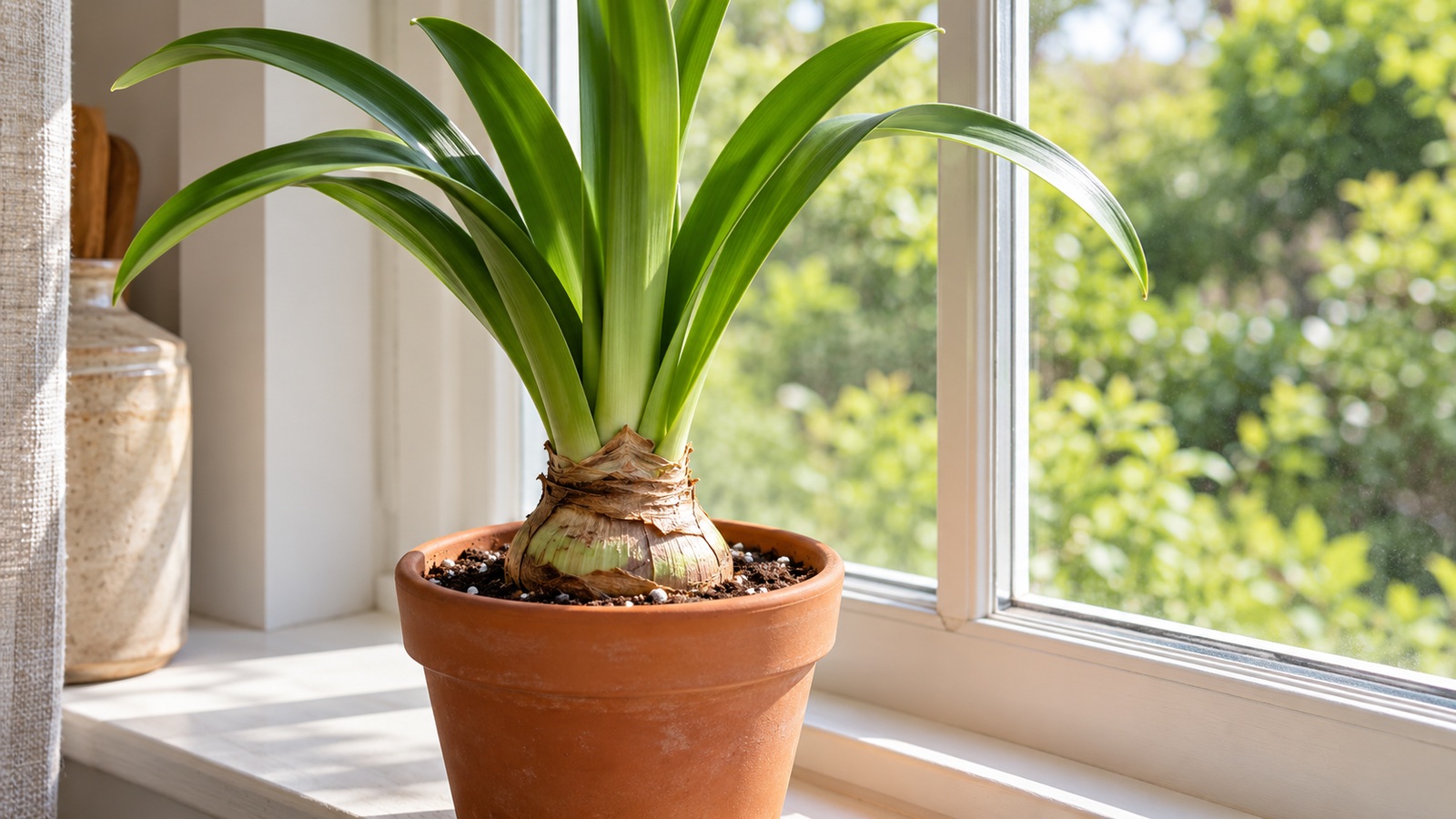
A rhizome is a stem that grows underground, storing resources and producing shoots from buds along its length. This distinguishes a canna from a true bulb such as a tulip or an onion, even though both are commonly sold together as dormant planting material. Knowing the difference helps when you inspect, divide, or store the plant. A useful canna division has sound tissue and a viable bud, rather than merely being a piece of root. Soft, foul-smelling, or badly deteriorated material deserves rejection before it joins a new planting.
Dormant rhizomes and actively growing nursery plants offer different starting points. A potted plant already shows its leaf color, vigor, and approximate habit, while a dormant rhizome may be easier to handle and less expensive. Neither option guarantees instant height after planting. Cold soil can hold back growth even when a daytime forecast sounds pleasant. Plan the purchase around your growing season and the point at which the site will actually support warm-season development.
Match Cultivar Height and Leaf Color to the Space
Cannas vary considerably in height, leaf color, and flowering character. Compact selections can suit substantial containers or the front of a large mixed border, while tall cultivars may belong farther back or in a broad freestanding bed. Read the cultivar's mature dimensions rather than assuming that all cannas stop at the same height. A small plant at the garden center can eventually occupy much more visual and physical space. Give the selection room to reach that size without constantly covering neighboring plants.
Green leaves provide a bright broad surface that suits many summer combinations. Bronze or burgundy foliage can introduce deeper tones, while striped cultivars add enough detail to act as a focal point themselves. Pair a strongly patterned canna with quieter surrounding foliage so its markings remain legible. Flower color is part of the decision, but the leaves often carry the planting through a much longer period. A cultivar that works with the bed even between flowering flushes is usually easier to use well.
Consider the view from both close range and a distance. A tall clump can screen a low window, block a path sightline, or shade a smaller plant that needs full sun. Conversely, a compact selection may disappear against a large fence if the intended role was a bold backdrop. Place temporary stakes at the expected height and width before committing to a narrow bed. This simple scale check helps you choose a plant that fits the garden's structure as well as its color scheme.
Wait for Warm Soil and a Suitable Growing Window
Plant outdoors after the local risk of frost has passed and the soil has warmed enough for active growth. Follow regional guidance rather than borrowing a planting date from a distant climate. A rhizome placed into cold wet soil may sit inactive and deteriorate instead of gaining a useful head start. In short-season regions, gardeners sometimes start cannas indoors in containers, then gradually acclimate the emerging plants before moving them outside. Provide real light and avoid forcing weak stretched growth in a dim room. The aim is to extend useful growing time, not to expose a tender plant to conditions it cannot tolerate.
Give the Roots Moisture Without Creating a Stagnant Bed
Most garden cannas perform well in rich, moisture-retentive soil that still drains adequately. They often need more consistent water than drought-adapted border plants, particularly while building large leaves during hot weather. Improve a suitable bed with well-finished organic matter when appropriate, but do not expect an amendment to correct every drainage problem. A compacted hollow that remains saturated needs a different solution from a sandy bed that dries rapidly. Inspect what happens after watering or rain before deciding that the plant simply needs more of either.
Water the root zone thoroughly when needed and then monitor how quickly the soil dries. Large leaves and vigorous growth can draw heavily on the available moisture, especially in containers. Wilting can signal water stress, but persistently wet roots can also produce poor performance. Check the soil rather than responding automatically to the appearance of a leaf. The requirements of particular water-garden canna selections should not be generalized to every cultivar sold for ordinary beds.
Use Light and Feeding to Support Sturdy Growth
A sunny site usually supports strong canna growth and flowering. Some selections tolerate partial shade, but reduced light may affect their size, sturdiness, or flower production. Observe actual hours of direct sun through the growing season, including shade cast by buildings and expanding tree canopies. A corner that is bright in early spring can become much darker by midsummer. Match the cultivar and your expectations to those changing conditions rather than relying on a vague description of the area as bright.
Cannas are vigorous growers, but fertilizer is most useful when it addresses the soil and the plant's needs. Start with soil information and follow an appropriate product's directions rather than repeatedly applying a strong feed to chase larger leaves. Too much fertilizer can waste resources and complicate care without correcting shade, poor drainage, or damaged rhizomes. In a container, nutrients may need replenishing because the available growing medium is limited. Treat feeding as part of a balanced routine that also includes water and sufficient root space.
Watch new growth for evidence that the routine is working. Leaves should expand with a sound structure, and stems should remain appropriate to the cultivar's habit. If development stalls, review temperature, moisture, light, and root conditions before adding more fertilizer. A recently planted division may need time to establish, whereas a crowded mature pot may have outgrown its available space. The same visible slowdown can arise from different causes, so a short site assessment is more useful than a single automatic treatment.
Make Containers Large Enough for the Summer Plant
Select a container with drainage holes and enough volume for the chosen canna's expected growth. A broad-leaved plant in a tiny pot is more likely to dry quickly, become top-heavy, and require constant attention. Use a suitable container growing medium rather than packing the pot with heavy garden soil.
Set the pot where drainage can escape freely and where its mature leaves will not obstruct circulation. A dramatic specimen still needs to function safely within the patio or entrance where it is displayed.
Decide how you will reach the root zone for watering once the foliage fills the pot, and avoid hiding the whole surface beneath tightly packed companion plants. Room to inspect the medium makes summer care less awkward. Containers near reflective paving may dry differently from the same cultivar planted in a bed, so base the routine on that pot's actual behavior.
Before moving a large specimen, consider its filled weight and arrange a suitable stable support while it is still manageable. At the season's end, the container also needs a destination or a plan for lifting the rhizomes; that practical detail belongs in the initial design.
Maintain Flowers and Foliage With a Light Touch
Remove damaged leaves when they no longer contribute to the plant's appearance, and tidy spent flowers without cutting away promising buds farther along the flowering structure. Canna flower stems can produce a sequence of blooms, so examine the stalk before removing it wholesale. Once a stalk has finished, appropriate removal keeps the clump orderly. Use clean tools and make deliberate cuts rather than tearing tissue from the stem. Small regular adjustments are easier than allowing the planting to become a tangled mass of dead material.
Check leaf undersides and rolled or damaged foliage when the plant's appearance changes. Insects, disease, weather, and physical injury can leave different clues, and a diagnosis should precede treatment. Severely streaked, distorted, or unusually weak plants may require advice from a local extension service, particularly when symptoms persist across new growth. Do not divide and distribute a suspect plant simply because a few leaves remain attractive. Good planting material is part of maintaining the health of future clumps as well as the current display.
Choose an Overwintering Method for Your Climate
Where cannas are reliably winter hardy, their rhizomes may remain in the ground with appropriate local care. Hardiness depends on the cultivar, winter temperature, soil conditions, and protection at the site, so verify regional recommendations. A sheltered garden bed is not automatically safe through every winter. Cold combined with saturated soil can present a different challenge from a brief dry chill. If your climate does not support dependable outdoor survival, plan to lift and store suitable rhizomes or treat the plants as seasonal purchases.
In colder regions, lifting commonly follows the first light frost that damages the tops, before the ground freezes. Cut back the foliage as recommended locally, lift carefully, and handle the rhizomes without unnecessary wounds. Remove loose soil and allow surface moisture to dry before preparing them for storage. Keep cultivar identities organized if foliage colors and heights matter to next year's design. Healthy rhizomes are worth preserving; deteriorating material should not be enclosed with the rest of the collection.
Store the dormant material in a cool place that remains above freezing, using an appropriate packing medium and ventilation. The goal is to prevent both severe drying and decay, not to keep rhizomes dripping wet. Inspect periodically through winter and respond to shriveling, softness, or mold rather than leaving the package unopened until spring. Regional extension instructions can help set a suitable temperature and moisture routine. Storage success is easier to judge with a small well-managed collection than with a crowded box placed in an unpredictable garage.
Repeat the Tropical Accent With Restraint
Cannas make their strongest contribution when their scale and growing needs are part of the design from the beginning. Repeat a compatible cultivar where the bed needs rhythm, or use one substantial clump as a deliberate focal point. Leave surrounding plants enough light and space, and include the seasonal gap created when frost ends the display. A warm-season plant can be spectacular without supplying the garden's permanent structure. By planning its summer care and winter destination together, you can enjoy the bold leaves and flowers while keeping the whole border manageable.
Plan Care Around Your Local Season
Review University of Illinois Extension’s canna guidance when choosing a growing and overwintering routine. For containers and garden-care supplies, consult Garden Product Reviews with your cultivar’s size and watering needs in mind.